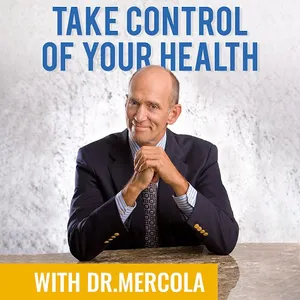
Free Daily Podcast Summary
Dr. Joseph Mercola - Take Control of Your Health: Daily Summaries Delivered
by Dr. Mercola
Listen to Dr. Mercola's Weekly Podcast, as the legendary natural health pioneer continues to lead you on your journey towards optimal health.
Latest Episodes
The most recent episodes — sign up to get AI-powered summaries of each one.
- 3 days ago6 min
People with Strong Chest and Back Muscles Less Likely to Have a Heart Attack
People with healthier chest and back muscles had a significantly lower risk of both heart attack and early death over the next 10 years, suggesting that muscle quality may be an important marker of long-term heart health The condition of the muscles mattered more than their size; muscles with less fat trapped inside the fibers were linked to better cardiovascular outcomes than simply having larger muscles Strong chest and back muscles remained associated with a lower heart attack risk even after researchers accounted for age, sex, and calcium buildup in the arteries, suggesting muscle quality provides important information beyond conventional heart risk factors You don't need to become a bodybuilder to improve the muscles linked to heart health; consistent activities such as resistance training, rowing exercises, cycling, Pilates, brisk walking, and wall pushups all help strengthen the muscle groups identified in the study Building healthier muscles requires more than exercise alone; adequate recovery and enough protein, collagen, and healthy carbohydrates work together to support stronger muscle tissue and better long-term cardiovascular health
- 4 days ago6 min
Brighter Daytime Light Is Linked to a Lower Dementia Risk
Research suggests that spending more time in bright daytime light was linked to a lower risk of developing dementia, with measurable brightness targets that are often reached outdoors. However, the researchers caution these thresholds may not transfer directly to other populations In the study's machine-learning analysis, bright daytime light ranked as a stronger predictor of future dementia risk than several familiar factors, including alcohol consumption, obesity, hearing loss, and traumatic brain injury The strongest association between brighter daytime light and lower dementia risk was found in people already at higher risk, including those with an evening chronotype and people who carry the APOE4 gene variant Research suggests sunlight supports your body in ways that extend beyond vitamin D, influencing compounds involved in circulation, mood, sleep, immune function, and your body's natural daily rhythm Building simple habits such as spending time outdoors in the morning, taking daylight breaks during the day, and reducing dependence on dim indoor lighting may be a practical way to support long-term brain health
- 5 days ago6 min
Americans Favor Information and School Restrictions for Ultraprocessed Foods
Most Americans favor clear definitions and practical dietary guidance about ultraprocessed foods over taxes, suggesting that better information is the policy change people want most Federal dietary guidelines now advise limiting highly processed foods for the first time, reflecting growing scientific concern that diets built around these products are linked to higher risks of chronic disease In a tightly controlled feeding study of 20 adults housed in a metabolic ward, those who ate ultraprocessed foods consumed about 500 more calories per day than those who ate minimally processed foods, even when the diets contained similar amounts of nutrients Learning how to identify ultraprocessed foods by reading ingredient lists instead of relying on front-of-package marketing gives you greater control over the food choices you make every day Replacing ultraprocessed foods made with vegetable oils and long ingredient lists with minimally processed foods prepared from simple ingredients is one practical step that may support your long-term health
- 6 days ago6 min
The Future of Simple Nutrition
For decades the supplement industry has competed in one direction only — toward more ingredients, more milligrams, more capsules — on the unspoken assumption that more is better and a complex, multi-ingredient supplement is better than a simpler one with fewer ingredients The complexity of many supplement routines works against the only outcome that matters — whether you take it, consistently, for long enough to make a difference Higher doses do not guarantee that more reaches your cells. In a poorly absorbed form, a larger dose simply means more is wasted Simplicity is the harder achievement; it's easy to throw more into a bottle, and genuinely difficult to deliver what the body needs in a form that's effective, effortless to take, and simple enough to fit a busy lifestyle The future we're building toward is fewer things to take, food-centered formats that fold into a meal. In short, a supplement routine you can actually adhere to, because consistency is the entire ballgame
- 1 weeks ago7 min
Common Pesticide Linked to More Than Double the Risk of Parkinson's Disease
Long-term residential exposure to the insecticide chlorpyrifos was associated with more than a 2.5-fold higher risk of developing Parkinson's disease, adding to growing evidence that certain pesticides may pose a significant risk to brain health Researchers strengthened the findings by showing that chlorpyrifos produced similar Parkinson's-like changes in laboratory animals (via mice exposed by inhalation over 11 weeks), including loss of dopamine-producing nerve cells, harmful protein buildup, and chronic brain inflammation The pesticide disrupted the brain's natural recycling system in these animal models, allowing damaged proteins to accumulate inside nerve cells instead of being cleared away, which may help explain how exposure could contribute to Parkinson's disease in humans A lawsuit against Dow Chemical, Corteva and FMC Corporation, the companies that developed and originally marketed chlorpyrifos, alleges they failed to adequately warn users about the pesticide's neurological risks, bringing renewed attention to the dangers faced by agricultural and pest control workers Reducing repeated pesticide exposure, supporting gut health, staying physically active, managing stress, and maintaining healthy vitamin D levels are practical steps that may help support long-term brain health, though evidence connecting them specifically to Parkinson's disease risk is still developing
- 1 weeks ago6 min
Specific Fruit Choices Raise Flavanol Intake — and Most Diets Fall Short
Previous research, including the large COSMOS clinical trial, found that consuming about 500 milligrams (mg) of flavanols daily was associated with a lower risk of dying from cardiovascular disease and fewer major cardiovascular events. However, note that COSMOS tested a cocoa extract supplement rather than food, enrolled adults aged 60 and older, and the reduction in major cardiovascular events came from a post hoc analysis The featured study found following current fruit and vegetable recommendations didn't provide enough flavanols for most people to reach the intake linked with better heart health, showing that which foods you choose affects flavanol intake more than how many servings you eat. Even then, high-flavanol produce did not reliably reach the 500 mg benchmark in the researchers' simulations Researchers analyzed more than 30,000 people from the U.S. and United Kingdom using objective laboratory measurements instead of relying only on food questionnaires, giving a more accurate picture of real-world flavanol intake Apples, blueberries, blackberries, cherries, pears, plums, green tea, and minimally processed cocoa are among the foods that naturally provide higher amounts of flavanols, making them smart additions to a heart-healthy eating pattern Instead of simply eating more produce, rotating a wider variety of flavanol-rich fruits and other plant foods into your meals is an easy way to increase these beneficial compounds while enjoying the many other nutrients whole foods provide
- 1 weeks ago6 min
Non-Stimulant Pre-Workout Supplements for Exercise Performance
Non-stimulant pre-workout supplements may improve exercise performance by supporting your muscles' natural energy production, blood flow, and recovery instead of relying on large doses of caffeine to keep you alert Creatine remains one of the most researched non-stimulant ingredients for supporting increases in strength, power, and the number of quality repetitions you complete during high-intensity training Beta-alanine works only after consistent daily use because your body converts it into carnosine, a compound that helps your muscles resist fatigue during demanding exercise Reading the ingredient label is just as important as choosing the supplement itself because proprietary blends often hide ingredient amounts, making it impossible to know whether you're getting research-supported doses Your best workout results come from building a strong foundation with nutritious food, hydration, quality sleep, and proper recovery instead of depending on stimulant pre-workout products and energy drinks
- 1 weeks ago6 min
Dehydrated Foods: Nutrition Facts, Health Benefits, and Safety Risks
Dehydrated foods last longer because water removal slows spoilage, but the process also concentrates sugars, calories, salt, and other ingredients into much smaller portions Dried fruits retain fiber and plant compounds, yet research on their effects on blood sugar, cholesterol, and blood pressure remains mixed, especially when they add extra calories instead of replacing processed snacks Prunes showed the clearest evidence for digestive and bone support, with studies linking regular intake to more frequent bowel movements and better preservation of hip bone density in postmenopausal women Drying method matters: conventional hot-air drying caused far larger losses of vitamin C in broccoli and beta-carotene in carrots than faster, lower-oxygen drying methods Fresh, minimally processed foods remain the better everyday choice, while dried fruit, vegetables, and meat work best as carefully chosen convenience foods with simple ingredients and measured portions
Get Dr. Joseph Mercola - Take Control of Your Health summaries in your inbox
Free AI-powered daily recaps. Key takeaways, quotes, and mentions — in a 5-minute read.
Get Free Summaries →Free forever for up to 3 podcasts. No credit card required.
You Might Also Like
Listeners also like.

The Dr. Hyman Show
Explores root causes of chronic disease and promotes functional medicine, nutrition, and preventive health through expert discussions.

Paul Saladino MD podcast
A physician explores the root causes of chronic disease and optimal health through science and personal experimentation.
FoundMyFitness
A podcast exploring health, science, nutrition, aging, and fitness.
Dr. Jockers Functional Nutrition
Discusses science-based functional nutrition strategies for reducing inflammation, improving brain health, and supporting overall wellness.

The Dr. Josh Axe Show
Explores natural health, nutrition, emotional resilience, and personal growth through expert insights and practical strategies.
Peak Performance Life Podcast
Covers health, energy, and mental performance optimization through biohacking, nutrition, and lifestyle strategies.

Red Pill Your Healthcast
Two healthcare providers discuss overlooked health issues and empower listeners to make informed decisions for their families.

Feel Better, Live More with Dr Rangan Chatterjee
A doctor-hosted podcast offering practical health advice on eating, sleeping, moving, and relaxing from medical experts and real-life stories.

The Peter Attia Drive
Conversations with experts on health, longevity, performance, and critical thinking led by physician Peter Attia.
Mastering Nutrition
A nutrition scientist discusses mitochondrial health and personalized metabolism using genetics, biochemistry, and research.
The Dan Buettner Podcast
Shares practical habits and insights from the world’s longest-lived populations to improve longevity and well-being.

The Genius Life
A science-based wellness podcast exploring nutrition, longevity, and health with a focus on practical, evidence-driven insights.
About Dr. Joseph Mercola - Take Control of Your Health
Listen to Dr. Mercola's Weekly Podcast, as the legendary natural health pioneer continues to lead you on your journey towards optimal health.
Customized Recaps
AI-powered recaps with compact key takeaways, quotes, and insights.
Straight to Your Inbox
Get key takeaways from Dr. Joseph Mercola - Take Control of Your Health in a 5-minute read.
Save Hours Every Week
Stay current on your favorite podcasts without falling behind.
Frequently Asked Questions
What is Podzilla's Dr. Joseph Mercola - Take Control of Your Health daily summary?
It's a free AI-powered email that summarizes new episodes of Dr. Joseph Mercola - Take Control of Your Health as soon as they're published. You get the key takeaways, notable quotes, and links & mentions — all in a quick read.
How does the Dr. Joseph Mercola - Take Control of Your Health podcast summary work?
When a new episode drops, our AI transcribes and analyzes it, then generates a personalized summary tailored to your interests and profession. It's delivered to your inbox every morning.
Is this an official Dr. Joseph Mercola - Take Control of Your Health product?
No. Podzilla is an independent service that summarizes publicly available podcast content. We're not affiliated with or endorsed by Dr. Mercola.
Can I get summaries of other podcasts too?
Absolutely! The free plan covers up to 3 podcasts. Upgrade to Pro for 15, or Premium for 50. Browse our full catalog at /podcasts.
How often does Dr. Joseph Mercola - Take Control of Your Health release new episodes?
Dr. Joseph Mercola - Take Control of Your Health publishes daily. Our AI generates a summary within hours of each new episode.
What topics does Dr. Joseph Mercola - Take Control of Your Health cover?
Dr. Joseph Mercola - Take Control of Your Health covers topics including Fitness, Health & Fitness, Alternative. Our AI identifies the specific themes in each episode and highlights what matters most to you.
Start getting Dr. Joseph Mercola - Take Control of Your Health summaries tomorrow morning.
Free forever for up to 3 podcasts. No credit card required.
Free forever for up to 3 podcasts. No credit card required.