
Free Daily Podcast Summary
Feel Better, Live More with Dr Rangan Chatterjee: Daily Summaries Delivered
by Dr Rangan Chatterjee: GP & Author
“Health has become overcomplicated. I aim to simplify it” In this podcast, we hear stories from leading health experts and exciting personalities who offer easy health life-hacks, expert advice and debunk common health myths giving you the tools to revolutionise how you eat, sleep, move and relax. Hosted by Dr Chatterjee - one of the most influential GPs in the country with nearly 20 years experience, star of BBC 1’s Doctor In the House, and author of 6 internationally best-selling books, including ‘The 4 Pillar Plan’ – Feel Better, Live More aims to inspire, empower and transform the way we feel. When we are healthier, we are happier because when we feel better, we live more.
Latest Episodes
The most recent episodes — sign up to get AI-powered summaries of each one.
- Today21 min
BITESIZE | How To Change The Way You Breathe For Less Stress, More Energy & Better Sleep | James Nestor #694
Breathing is something we all do automatically, so it's easy to assume we're doing it well. But what if one of the simplest ways to improve your sleep, energy levels and stress wasn't a gadget, a retreat, or a prescription. Today’s Bitesize is from episode 644 of the podcast with science journalist and author James Nestor. In this clip, James explains why the way we breathe may be affecting our stress levels, energy and sleep, and some simple changes that could make a real difference. Perhaps the most exciting thing about this conversation is how simple and accessible everything we discuss is. The foundations of healthy breathing don’t cost a thing. You just need to unlearn some key habits and start making small changes – for big results. Thanks to our sponsor https://drinkag1.com/livemore Show notes and the full podcast are available at drchatterjee.com/644 Support the podcast and enjoy Ad-Free episodes. Try FREE for 7 days on Apple Podcasts https://apple.co/feelbetterlivemore For other podcast platforms go to https://fblm.supercast.com. DISCLAIMER: The content in the podcast and on this webpage is not intended to constitute or be a substitute for professional medical advice, diagnosis, or treatment. Always seek the advice of your doctor or other qualified health care provider with any questions you may have regarding a medical condition. Never disregard professional medical advice or delay in seeking it because of something you have heard on the podcast or on my website. Learn more about your ad choices. Visit podcastchoices.com/adchoices
- 2 days ago1h 38m
What Children in War Zones Can Teach Us About Hope, Healing and Human Kindness with Dr Alexandra Chen #693
A note from Dr Chatterjee: this episode includes descriptions of the humanitarian impact of war, including death, serious injury, violence and suicidal thoughts. You may find them distressing so please listen with care. How do you help a child heal while they’re living in a war zone? And what can those methods teach the rest of us about caring for the people we love? My guest this week has spent nearly two decades finding out. Dr Alexandra Chen is a Harvard-trained trauma psychologist and psychotherapist who has worked in around 15 different conflict zones across the world. Her Early Light Foundation charity provides ‘a haven of trauma healing and hope for war-affected children and families worldwide’. We begin with the realities of her work, including the invisible wounds war leaves behind, and why her team’s first rule is never to make promises they can’t keep. Alexandra shares the moving patient stories of a seven-year-old dancer learning to carry an unbearable loss, and a torture survivor who asked her to document his suffering, so he would never have to speak it again. He carried that written testimony across borders and later told her it had saved his life. She takes us back to how it all started: an affluent childhood in Hong Kong, grandparents who never spoke of their trauma, and a trip to a refugee camp at 18 that changed the course of her life. We talk about the role of dance and movement as therapy, why we must trust children to set the pace for their healing, and the conversation with one mother that led Alexandra to start her project connecting therapists, interpreters and children in desperate need. Alexandra also explains why some therapeutic techniques don’t work in a war zone – because it’s only post traumatic stress disorder when the danger has passed – and what that reveals about how our nervous system protects us. There’s an important discussion on what it really means to be resilient and the hidden cost of having to be strong for a lifetime. And I ask Alexandra how she protects her team and manages to keep an open heart herself, after everything she’s witnessed. Towards the end, we talk about how overwhelming the news is. Alexandra explains that empathy needs action and gives some practical suggestions for how to turn feelings of helplessness into something useful. And we close with two stories of connection that will leave you feeling hopeful. At its heart, this is not a political conversation. It is about compassion, kindness, our shared humanity and the life lessons that can apply to anyone, at any time. I hope it leaves you feeling more connected to the world and the people you share it with – and more confident in the difference you can make. If you are affected by any of the issues raised, Samaritans are available 24/7 on 116 123 (UK and ROI). Show notes https://drchatterjee.com/693 DISCLAIMER: The content in the podcast and on this webpage is not intended to be a substitute for professional medical advice, diagnosis, or treatment. Always seek the advice of your doctor or qualified healthcare provider. Never disregard professional medical advice or delay in seeking it because of something you have heard on the podcast or on my website. Learn more about your ad choices. Visit podcastchoices.com/adchoices
- 1 weeks ago25 min
BITESIZE | Why Modern Relationships Feel So Hard (And What We've Been Getting Wrong) | Alain de Botton #692
We live in a culture that often celebrates the ‘perfect’ relationship but does little to prepare us for the reality of long-term commitment. Modern life is filled with idealised images of love and marriage – but the truth, as today’s guest suggests, is far more human, messy and ultimately hopeful. Today’s Bitesize is from episode 574 of the podcast with author, internationally renowned philosopher, and founder of The School of Life, the wonderful Alain de Botton. In this clip, Alain shares a refreshing perspective on relationships, why he believes love is a skill rather than just a feeling, and how changing our expectations could help us build deeper, more lasting connections. There’s something deeply reassuring in knowing that love doesn’t have to look like the stories we grew up with. And by letting go of these cultural myths and by embracing each other’s flaws, we improve not only our relationships, but also how happy and contented we feel. Thanks to our sponsor https://heights.com/livemore Show notes and the full podcast are available at drchatterjee.com/574 Support the podcast and enjoy Ad-Free episodes. Try FREE for 7 days on Apple Podcasts https://apple.co/feelbetterlivemore For other podcast platforms go to https://fblm.supercast.com. DISCLAIMER: The content in the podcast and on this webpage is not intended to constitute or be a substitute for professional medical advice, diagnosis, or treatment. Always seek the advice of your doctor or other qualified health care provider with any questions you may have regarding a medical condition. Never disregard professional medical advice or delay in seeking it because of something you have heard on the podcast or on my website. Learn more about your ad choices. Visit podcastchoices.com/adchoices
- 1 weeks ago2h 1m
How to Calm Your Nervous System: 4 Ways to Sleep Better, Stress Less and Build Resilience with Dr Kristen Holmes #691
Are you in control of your nervous system – or is it in control of you? It's a question that deserves your attention, because the answer affects everything from how well you sleep to how you react when life is hard. And my guest this week believes most of us have more agency than we realise. Dr Kristen Holmes is Global Head of Human Performance and Principal Scientist at the wearable-tech company WHOOP. She’s also a former US national field hockey player and one of the most successful coaches in Ivy League history. In her new book, Aligned, she argues that a well-regulated nervous system is the foundation for our health, performance and relationships. We start by exploring what a balanced nervous system looks like in daily life, why some people need to begin with their body and others with their mind, and why Kristen prefers the word agency to control. Kristen then talks me through a study she led with WHOOP, in which 39,000 of its members tried four simple, free daily behaviours, and what happened to their sleep and heart health as a result. She explains why most of us have no idea when our body naturally wants to fall asleep, why sleep consistency predicts health more strongly than sleep quantity or quality – and the single metric she believes reveals most about someone’s health. We also cover why variety matters in how we move, why eating earlier suits our metabolism, and why so many of us fall ill as soon as we go on holiday. And Kristen shares a powerful 72-hour exercise for auditing your daily actions against your values. In the second half, the conversation becomes deeply personal. Kristen talks about growing up around alcoholism, the trauma she experienced as a child, and how she found her way to forgiveness through curiosity. We discuss emotions rooted in trust versus fear, the role of nostalgia, and how joy differs from happiness. She also shares the meditation practice that helped her learn to love herself, and the science showing how it benefits the body. This is a conversation for anyone who wants practical, evidence-based steps to better sleep, energy and resilience. But, perhaps more importantly, it’s for anyone who senses that lasting change also requires some inner work. Kristen brings both the data and the lived experience – and I think everyone will find something here to carry into their own life. The Thrive Tour: Transform Your Health and Happiness, a live show: Book Your Tickets https://drchatterjee.com/live Thanks to our sponsors: https://boncharge.com/livemore https://thewayapp.com/livemore https://hellolingo.com/livemore https://drinkag1.com/livemore Show notes https://drchatterjee.com/691 DISCLAIMER: The content in the podcast and on this webpage is not intended to be a substitute for professional medical advice, diagnosis, or treatment. Always seek the advice of your doctor or qualified healthcare provider. Never disregard professional medical advice or delay in seeking it because of something you have heard on the podcast or on my website. Learn more about your ad choices. Visit podcastchoices.com/adchoices
- 2 weeks ago27 min
BITESIZE | Simple Changes That Could Help You Burn Fat & Support Your Metabolism | Dr William Li #690
You probably already know that your diet can hugely influence how well you feel, but how much power do your food choices really have over your health? Today’s Bitesize is from episode 376 of the podcast with physician and author, Dr William Li. In his book, Eat To Beat Your Diet, Dr Li explores some of the science around how we can harness the power of food to activate our innate fat-burning systems and transform our health. In this clip, he shares some common foods that aren't necessarily as healthy as we might think, the important role that our gut bacteria play in our metabolism, and reveals some of his favourite foods that have fat-burning potential. Dr Li is really keen not to villainise any food – there are many reasons why humans choose to eat certain foods and drink certain drinks, from our innate sweet tooth to cultural, social or religious traditions. He just wants us to be mindful of what we’re consuming, how and why. Show notes and the full podcast are available at drchatterjee.com/376 Thanks to our sponsor https://thewayapp.com/livemore Built To Thrive Community https://drchatterjee.com/community Support the podcast and enjoy Ad-Free episodes. Try FREE for 7 days on Apple Podcasts https://apple.co/feelbetterlivemore For other podcast platforms go to https://fblm.supercast.com. DISCLAIMER: The content in the podcast and on this webpage is not intended to constitute or be a substitute for professional medical advice, diagnosis, or treatment. Always seek the advice of your doctor or other qualified health care provider with any questions you may have regarding a medical condition. Never disregard professional medical advice or delay in seeking it because of something you have heard on the podcast or on my website. Learn more about your ad choices. Visit podcastchoices.com/adchoices
- 2 weeks ago1h 56m
How to Find the Extraordinary in the Ordinary: Why Meaning Comes From Within with Henry Shukman #689
What happens when the boundary between you and the world around you dissolves? It’s something I experienced myself recently, and this week I sat down with Zen Master Henry Shukman to try and make sense of it. What results is a conversation that moves from the practicalities of a sitting practice, to the outer edges of what meditation can reveal about who we really are. Henry has been meditating for almost 40 years and is the guide behind The Way, the meditation app I use myself and have long recommended to you. He’s Director of the Mountain Cloud Zen Center in Santa Fe, New Mexico, an award-winning poet and the author of several books. This is his third appearance on the podcast, but our conversation this time goes somewhere we've never been before. We begin by talking about how meaning, purpose and happiness are found within us, not externally. Our culture may measure worth through outward achievement, but meditation can show us a deeper reality beneath the striving – a natural, open heart that doesn't need to prove itself. I share the deeply affecting experience I had at a retreat earlier this year – one that changed how I understand connection, identity and what it means to feel truly at peace. Henry helps unpack it, drawing on Buddhist teaching, his own blissful awakening at 19, and decades of guiding others through similar moments. We talk honestly about what this means for people living ordinary, busy lives, and why none of it requires stepping away from our responsibilities. Our conversation also touches on ageing and independence, prompted by reflections on my own parents and what they taught me about serenity in circumstances that looked far from peaceful. And in the second half, I invite Henry to answer some of your most-asked questions. Among many useful topics, we cover building a consistent meditation habit, fitting it into family life, coping with shame, cravings and addiction, and how to stay grounded in a difficult relationship. This episode moves effortlessly between the practical and the profound, and I think it will mean something different depending on where you are in your own life right now. But whether you're new to meditation or have been practising for years, rest assured there's a powerful message here for you. The Thrive Tour: Transform Your Health and Happiness, a live show: Book Your Tickets https://drchatterjee.com/live Thanks to our sponsors: https://drinkag1.com/livemore https://thewayapp.com/livemore Show notes https://drchatterjee.com/689 DISCLAIMER: The content in the podcast and on this webpage is not intended to be a substitute for professional medical advice, diagnosis, or treatment. Always seek the advice of your doctor or qualified healthcare provider. Never disregard professional medical advice or delay in seeking it because of something you have heard on the podcast or on my website. Learn more about your ad choices. Visit podcastchoices.com/adchoices
- 3 weeks ago18 min
BITESIZE | Dr Gabor Maté: 3 Life Lessons People Learn Too Late #688
Today’s guest brings warmth and wisdom to every conversation we have. Today’s Bitesize is from episode 440 of the podcast with fellow physician, author, speaker and friend, the incredible Dr Gabor Maté. Gabor is respected the world over as an expert on trauma, stress, addiction and childhood development. He has worked as a family doctor as well as in palliative (end of life) care. In a previous episode, I had a wonderful conversation with Bronnie Ware, author of The Top Five Regrets of the Dying. And, in this clip, I explore some of those life regrets with Gabor, and he offers some thought-provoking insights into what they can teach us about the way we live our lives. We also talk about regret. Gabor says that living life with ‘no regrets’ is about learning and understanding from your perceived mistakes, but not being unkind to who you were then. Instead we should recognise that we did the best we could do at the time. Like all of my previous episodes with Gabor, this is a conversation full of compassion, knowledge and wisdom. I hope you enjoy listening. Thanks to our sponsor https://drinkag1.com/livemore Show notes and the full podcast are available at drchatterjee.com/440 Feel Better, Live More Bitesize is your weekly dose of inspiration, insights and practical ideas to help you live well and thrive. Each episode brings you some of my favourite moments, useful tools and inspiring ideas from the many incredible conversations I’ve had on my podcast. Support the podcast and enjoy Ad-Free episodes. Try FREE for 7 days on Apple Podcasts https://apple.co/feelbetterlivemore For other podcast platforms go to https://fblm.supercast.com. DISCLAIMER: The content in the podcast and on this webpage is not intended to constitute or be a substitute for professional medical advice, diagnosis, or treatment. Always seek the advice of your doctor or other qualified health care provider with any questions you may have regarding a medical condition. Never disregard professional medical advice or delay in seeking it because of something you have heard on the podcast or on my website. Learn more about your ad choices. Visit podcastchoices.com/adchoices
- 3 weeks ago48 min
How to Stay Curious, Playful & Intimate, Decades After You Meet with Esther Perel #687
Twenty years ago, leading psychotherapist Esther Perel asked whether desire could survive marriage and children. Today, she highlights a new relationship threat: our frictionless, convenient lives – and offers a wealth of wisdom to keep love alive. This conversation was recorded live on stage at SXSW London, where Esther was speaking to mark the 20th anniversary of her groundbreaking bestseller, Mating in Captivity. It’s her third time on the podcast and I was honoured that she asked me to interview her for this wide-ranging episode – to which the audience reactions add a real energy. Esther is one of the world’s most insightful and original voices on modern love. And it’s her parents, Holocaust survivors who rebuilt their lives through relationships, whom she credits for the idea that underpins her work: that our relationship quality ultimately determines our life quality. We begin with something simple: the habit of appreciation, and why we tend to be better at criticising the people we live with than thanking them. Esther reminds us that a romantic partner is simply ‘on loan, with an option to renew’, so we need to make each other feel valued. She makes the case for ditching relationship checklists, explains why perfectionism and a lack of obstacles are starving modern intimacy, and defines the ‘digital lag’ that’s destroying our ability to be physically present with others. We also talk about eroticism as a form of vitality and curiosity, while loneliness is more about societal failings than individual malaise. And Esther makes a key point that wanting our partners to be ‘our village’, instead of looking to a wider community, is a modern pressure that’s too much for any relationship to bear. To illustrate this, she reveals what happened during her therapy session between a human and their ‘perfect’ AI companion. It was a threshold moment for her industry – and it’s a lesson for us all. This warm and witty episode is packed with quick-fire Q and As as well as deeper observations and meaningful advice. Esther offers a way of thinking about desire, connection and expectations that carries well beyond romantic relationships, touching on friendships, family and the way we show up for everyone around us. The Thrive Tour: Transform Your Health and Happiness, a live show: Book Your Tickets https://drchatterjee.com/live Thanks to our sponsors: https://heights.com/livemore https://hellolingo.com/livemore Show notes https://drchatterjee.com/687 DISCLAIMER: The content in the podcast and on this webpage is not intended to be a substitute for professional medical advice, diagnosis, or treatment. Always seek the advice of your doctor or qualified healthcare provider. Never disregard professional medical advice or delay in seeking it because of something you have heard on the podcast or on my website. Learn more about your ad choices. Visit podcastchoices.com/adchoices
Get Feel Better, Live More with Dr Rangan Chatterjee summaries in your inbox
Free AI-powered daily recaps. Key takeaways, quotes, and mentions — in a 5-minute read.
Get Free Summaries →Free forever for up to 3 podcasts. No credit card required.
You Might Also Like
Listeners also like.

The Doctor's Kitchen Podcast
A doctor explores how food and lifestyle choices impact health and well-being, with expert guests offering practical advice.
Get Better Faster
Doctors and researchers discuss functional medicine and root-cause approaches to chronic illness and health optimization.

The Dr. Hyman Show
Explores root causes of chronic disease and promotes functional medicine, nutrition, and preventive health through expert discussions.
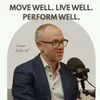
Move Well, Live Well, Perform Well
A sports physiotherapist explores movement, injury recovery, and performance optimization with expert guests.

Fully Alive: Unlocking the secrets to your healthier, happier, longer life
Explores science and lifestyle strategies to enhance health, purpose, and longevity.

Boundless Life
Expert-led discussions on fitness, nutrition, biohacking, and longevity blend ancestral practices with modern science for optimal health.

Made for Health | Peptides | Lyme | Chronic Infections | Long Covid | Insulin Resistance | Hypermobility
A physician explores science-based approaches to treating chronic conditions and restoring health.
The Health Continuum
High-performing professionals learn science-based health strategies to sustain energy, focus, and resilience in demanding careers.
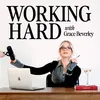
Working Hard with Grace Beverley
Real people share hard-won lessons on success, resilience, and life balance across diverse fields, from activism to business and beyond.
Good Life Project
Deep conversations about building a meaningful life through midlife reinventions, grounded in science and human experience.

Paul Saladino MD podcast
A physician explores the root causes of chronic disease and optimal health through science and personal experimentation.

DR. GUNDRY PODCAST: GUT HEALTH, WEIGHT LOSS, AND NUTRITION
Explores gut health, nutrition, and chronic illness through the lens of plant-based diets, lectin avoidance, and microbiome science.
About Feel Better, Live More with Dr Rangan Chatterjee
“Health has become overcomplicated. I aim to simplify it” In this podcast, we hear stories from leading health experts and exciting personalities who offer easy health life-hacks, expert advice and debunk common health myths giving you the tools to revolutionise how you eat, sleep, move and relax. Hosted by Dr Chatterjee - one of the most influential GPs in the country with nearly 20 years experience, star of BBC 1’s Doctor In the House, and author of 6 internationally best-selling books, including ‘The 4 Pillar Plan’ – Feel Better, Live More aims to inspire, empower and transform the way we feel. When we are healthier, we are happier because when we feel better, we live more.
Customized Recaps
AI-powered recaps with compact key takeaways, quotes, and insights.
Straight to Your Inbox
Get key takeaways from Feel Better, Live More with Dr Rangan Chatterjee in a 5-minute read.
Save Hours Every Week
Stay current on your favorite podcasts without falling behind.
Frequently Asked Questions
What is Podzilla's Feel Better, Live More with Dr Rangan Chatterjee daily summary?
It's a free AI-powered email that summarizes new episodes of Feel Better, Live More with Dr Rangan Chatterjee as soon as they're published. You get the key takeaways, notable quotes, and links & mentions — all in a quick read.
How does the Feel Better, Live More with Dr Rangan Chatterjee podcast summary work?
When a new episode drops, our AI transcribes and analyzes it, then generates a personalized summary tailored to your interests and profession. It's delivered to your inbox every morning.
Is this an official Feel Better, Live More with Dr Rangan Chatterjee product?
No. Podzilla is an independent service that summarizes publicly available podcast content. We're not affiliated with or endorsed by Dr Rangan Chatterjee: GP & Author.
Can I get summaries of other podcasts too?
Absolutely! The free plan covers up to 3 podcasts, any in the catalog. Basic raises that to 15, Pro to 40 and Max to 100. Browse our full catalog at /podcasts.
How often does Feel Better, Live More with Dr Rangan Chatterjee release new episodes?
Feel Better, Live More with Dr Rangan Chatterjee publishes every few days. Our AI generates a summary within hours of each new episode.
What topics does Feel Better, Live More with Dr Rangan Chatterjee cover?
Feel Better, Live More with Dr Rangan Chatterjee covers topics including Fitness, Health & Fitness. Our AI identifies the specific themes in each episode and highlights what matters most to you.
Start getting Feel Better, Live More with Dr Rangan Chatterjee summaries tomorrow morning.
Free forever for up to 3 podcasts. No credit card required.
Free forever for up to 3 podcasts. No credit card required.