Free Daily Podcast Summary
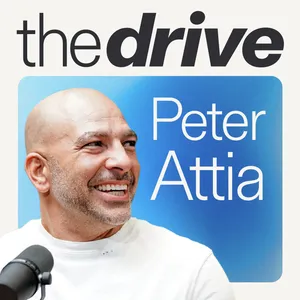
The Peter Attia Drive: Daily Summaries Delivered
by Peter Attia, MD
Expert insight on health, performance, longevity, critical thinking, and pursuing excellence. Dr. Peter Attia (Stanford/Hopkins/NIH-trained MD) talks with leaders in their fields.
Latest Episodes
The most recent episodes — sign up to get AI-powered summaries of each one.
- 6 days ago1h 59m
#407 ‒ Preventing cardiovascular and Alzheimer's disease: lowering LDL early, APOE4, and promising new therapies | Michael Davidson, M.D.
View the Show Notes Page for This Episode Become a Member to Receive Exclusive Content Sign Up to Receive Peter's Weekly Newsletter Michael Davidson is a world-renowned cardiologist, lipidologist, and the founding CEO of NewAmsterdam Pharma. He begins this episode by sharing how his family history shaped his interest in lipidology and primary prevention. He explains why prevention should focus on causal drivers of disease rather than near-term risk and examines the causal relationship between LDL and atherosclerotic cardiovascular disease. Michael then traces the complicated history of CETP inhibitors—from the original rationale that raising HDL would reduce cardiovascular risk to the failures of torcetrapib, dalcetrapib, and evacetrapib—and explains how lessons from these trials ultimately led to the development of obicetrapib. He reviews the phase 2 and phase 3 trials of obicetrapib, its effects on LDL-C, apoB, LDL particle number, and Lp(a), the ongoing cardiovascular outcomes trial, and where the drug could fit alongside statins and other lipid-lowering therapies. Peter and Michael discuss the relationship between statins and diabetes risk, then turn to the potential role of obicetrapib in Alzheimer's disease prevention, exploring the genetics of APOE4 and CETP, cholesterol metabolism within the brain, and emerging biomarker data. Finally, Peter and Michael explore the benefits of omega-3 fatty acids and the challenge of delivering DHA to the brain, as well as ongoing work on klotho in preparation for clinical trials. They discuss the potential for AI to transform clinical trials and the scientific and financial challenges of developing new therapies for cardiovascular and neurodegenerative disease. We discuss: Michael's path to lipidology, and his passion for primary prevention [3:30]; Reframing prevention around causal drivers rather than time horizon [9:30]; What CETP inhibition does, the evolutionary biology of CETP, the HDL-raising rationale, and Pfizer's torcetrapib failure [15:00]; Why raising HDL is thought to be beneficial, a quick review of the functions of HDL, and how this connects to torcetrapib [24:00]; The graveyard of CETP inhibitors: Roche's dalcetrapib, Lilly's evacetrapib, and Merck's REVEAL trial [27:15]; The causality of LDL in cardiovascular disease [34:30]; Reviving obicetrapib at NewAmsterdam, and confirming the benefit is LDL lowering: the TULIP data, the abandoned statin-intolerance path, and the Mendelian randomization verdict on HDL [37:30]; Phase 2 and phase 3 trials of obicetrapib—ROSE, BROOKLYN, BROADWAY, and TANDEM—and the PREVAIL outcomes trial, with the European and US approval paths [44:45]; Discordance among LDL-C, LDL-P, and apoB with CETP inhibition, and obicetrapib's Lp(a)-lowering effect [50:30]; Where obicetrapib fits in the lipid-lowering toolkit, the case against high-dose statins, and the problem of drug pricing [57:30]; The case for obicetrapib in Alzheimer's: the APOE4 and CETP genetics, the animal models, and funding Alzheimer's research [1:03:45]; Brain cholesterol metabolism and the APOE4 mechanism: the blood-brain barrier, astrocyte cholesterol efflux, the amyloid-tau cascade, the role of HDL, and why statins don't cause Alzheimer's disease [1:08:00]; The biomarker evidence: the CSF pilot study, Alzheimer's as a disease of middle age, the pharma graveyard problem, and the p-tau 217 results from BROADWAY [1:17:45]; Whether obicetrapib translates into clinical benefit for Alzheimer's disease: the risk of fooling yourself, the persistence of the amyloid dogma, ARIA in APOE4 homozygotes, and the next prevention trial [1:28:00]; Fish oil, EPA, and DHA: the cardiovascular trials and the challenge of delivering DHA to the brain [1:32:00]; Two open problems: using AI to reform clinical trials, and the statin–diabetes signal [1:41:15]; What it takes to develop a drug, the biotech investment landscape, and the klotho program [1:48:15]; Closing reflections: what to do if you carry APOE4, balancing motivation against over-testing, and the need for multiple therapies [1:55:15]; and More. Connect With Peter on Twitter, <a h
- 1 weeks ago1h 16m
Blood pressure: how to measure, manage, and treat high blood pressure (AMA #48 rebroadcast)
View the Show Notes Page for This Episode Become a Member to Receive Exclusive Content Sign Up to Receive Peter's Weekly Newsletter In this "Ask Me Anything" (AMA) episode, Peter delves into the critical subject of blood pressure, which is one of the three primary causes of atherosclerosis, along with high apoB and smoking. He begins by unraveling the nature of high blood pressure, its prevalence, and why it often goes undiagnosed. Peter describes in detail the proper way to accurately measure blood pressure and what determines a diagnosis. Next, Peter discusses the actionable steps one can take in response to high blood pressure, shedding light on the extent to which factors like weight loss, exercise, and nutrition can make an impact. He also explores the pharmacological options available and offers valuable insights on how to approach them. We discuss: Blood pressure and other risk factors for cardiovascular disease [2:30]; Defining blood pressure and the purpose and meaning of a blood pressure measurement [5:45]; The implications of high blood pressure and the importance of maintaining an optimal level [10:30]; The importance of accurate measurements of blood pressure and how Peter approaches the care of patients at the very top range of "normal" [21:45]; The prevalence of high blood pressure—a hidden epidemic? [24:30]; The consequences of high blood pressure on cardiovascular health, brain health, kidneys, and more [24:45]; Low blood pressure: symptoms and consequences [35:30]; How to properly measure blood pressure [37:45]; Daily variance in blood pressure and the transient changes in blood pressure during exercise [48:00]; Primary hypertension vs. secondary hypertension: what to look for [51:45]; Lifestyle factors impacting blood pressure: weight loss, exercise, and sodium [57:45]; Impact of insulin resistance and type 2 diabetes on blood pressure [1:04:45]; How sleep impacts blood pressure [1:06:45]; Pharmacologic options for managing blood pressure [1:08:00]; and More. Connect With Peter on Twitter, Instagram, Facebook and YouTube
- 2 weeks ago1h 55m
#406 ‒ Migraine, cluster headache, and tension headache: symptoms, causes, prevention, and treatment | Brian Grosberg, M.D.
View the Show Notes Page for This Episode Become a Member to Receive Exclusive Content Sign Up to Receive Peter's Weekly Newsletter Brian Grosberg is a world-renowned headache specialist who joins Peter to provide a master class on the diagnosis and treatment of headache disorders. In this episode, Brian explains the distinction between primary and secondary headaches and breaks down the defining features of the "big three" primary headache types (migraine, cluster, and tension headache)—highlighting how often they are misdiagnosed and how they are treated. He explores the epidemiology of headaches, describing migraine as an invisible disease affecting about 12% of the population, disproportionately affecting women, while cluster headaches more often affect men. He discusses the major gap between demand for headache care and available specialists, and he offers advice on when to see a physician. Brian dives into the multifactorial nature and pathophysiology of migraine, including genetic and hormonal influences, neurovascular changes, and inflammatory signaling, and connects these mechanisms to modern therapies. Throughout the conversation, he emphasizes the individualized nature of headache disorders and the importance of a detailed headache diary. Brian shares practical strategies for treating headaches including lifestyle changes, medications, and neuromodulation devices. We discuss: Brian's interest in headaches and how Peter met Brian [2:15]; Differentiating the types of headaches: primary versus secondary headache and tension versus migraine headache [7:30]; The epidemiology and burden of migraine, its disproportionate affect on women, and the shortage of headache specialists [20:00]; Genetic susceptibility to migraine and the role of hormones [24:45]; Migraine triggers, the impact of hormones, and the importance of a headache diary [31:15]; The phases of a migraine: premonitory symptoms, aura, the headache itself, and the postdrome [38:15]; Tension headaches: symptoms, causes, and prevalence [41:45]; Cluster headaches: extreme pain, distinctive symptoms, and frequent misdiagnosis as a sinus infection or allergies [43:15]; Lifestyle interventions to prevent headaches [51:15]; Pharmacological treatments to prevent headaches [1:05:00]; What's known about the pathophysiology of migraines: neurovascular changes, release of neuropeptides, and inflammatory response [1:14:45]; CGRP antagonists for the treatment of migraines: large monoclonal antibodies and gepants [1:20:15]; Use of calcium channel blockers and Botox to treat cluster headache and migraine [1:28:30]; Drugs for the acute treatment of migraines [1:32:30]; Treatment of migraines with electrical stimulation devices [1:40:00]; Use of THC or cannabis to treat headaches [1:44:00]; What Brian wants people to know about headaches [1:45:45]; Brian's advice on when to see a doctor about headaches and how to prepare for that visit [1:49:15]; and More. Connect With Peter on Twitter, Instagram, Facebook and YouTube
- 3 weeks ago39 min
#405 ‒ AMA #88: Metabolic liver health: how to assess risk, catch dysfunction early, and prevent or reverse liver disease
View the Show Notes Page for This Episode Become a Member to Receive Exclusive Content Sign Up to Receive Peter's Weekly Newsletter In this "Ask Me Anything" (AMA) episode, Peter takes a deep dive into the liver and its central role in metabolic health. He explains why the liver can serve as a "canary in the coal mine" for metabolic dysfunction and explores how insulin resistance, visceral fat, alcohol consumption, genetics, and hormones contribute to liver disease, along with how increasing muscle mass can benefit liver health. Peter provides a framework for understanding the progression of liver disease, highlighting which stages are reversible and why early detection matters. He explains why normal liver enzymes can provide false reassurance, which labs he uses to assess liver health, and the tools available for detecting fibrosis and more advanced disease. Peter then breaks down the interventions that can meaningfully improve liver health once risk or disease is identified, ranging from diet and exercise to GLP-1–based therapies and other medications. Finally, he examines popular claims around liver "detoxification" and supplements, separating what is supported by evidence from what is unlikely to meaningfully improve liver health. If you're not a subscriber and are listening on a podcast player, you'll only be able to hear a preview of the AMA. If you're a subscriber, you can now listen to this full episode on your private RSS feed or our website at the AMA #88 show notes page. If you are not a subscriber, you can learn more about the subscriber benefits here. We discuss: Why the liver is the "canary in the coal mine" for metabolic dysfunction, and an overview of what the liver does [2:00]; The relationship between the liver and blood sugar control [6:30]; A framework for understanding how metabolic disease affects the liver [9:15]; Chronic caloric surplus and insulin resistance as drivers of liver disease [11:00]; Liver diseases that result from metabolic dysfunction and the difference between steatosis and fibrosis [15:15]; How visceral fat affects liver health [20:00]; The importance of lifestyle interventions for liver and metabolic health: resistance training, not drinking calories, and the impact of fructose [22:00]; Why alcohol-associated liver disease is more common than we give it credit for [26:30]; Genetic and hormonal risks for liver disease [31:45]; Labs that objectively measure liver health and the FIB-4 score [35:30]; FibroScan: non-invasive imaging of the liver [44:30]; The resiliency of the liver: an organ that can heal itself [47:00]; Fibrosis staging and its impact on mortality and cancer risk [49:15]; Interventions for someone with MASLD: weight loss and GLP-1s [52:00]; Other medications used to treat metabolic liver disease [57:00]; The role of exercise in treating metabolic liver disease: caloric deficit and building muscle [59:45]; The myth of liver detoxes and cleanses, and a few supplements that may benefit the liver [1:01:15]; A practical summary: how to assess your risk and the levers that reverse the disease [1:08:00]; and More. Connect With Peter on Twitter, Instagram, Facebook and YouTube
- Aug 17, 20262h 17m
#404 ‒ Mental health beyond neurotransmitters: the role of hormones in psychiatry, why symptom reduction isn't enough, and the future of psychedelic therapies | Linus Abrams, M.D.
View the Show Notes Page for This Episode Become a Member to Receive Exclusive Content Sign Up to Receive Peter's Weekly Newsletter In this episode, Peter sits down with Dr. Linus Abrams, a psychiatrist with nearly 35 years of clinical experience specializing in mood disorders and psychopharmacology, to explore how our understanding of mental health is evolving beyond the traditional neurotransmitter model. After decades in practice, Linus began questioning many of the assumptions underlying modern psychiatry, leading him to investigate how hormones, metabolism, inflammation, circadian biology, and the endocrine system shape mood and cognition. Together, Peter and Linus examine why psychiatric care should aim not only to reduce symptoms but also to restore the full human experience. They discuss how psychiatric medications work, where they fall short, and why distinguishing bipolar disorder from unipolar depression is essential for effective treatment. The conversation also explores the growing mental health burden of social isolationn associated with digital devices and social media, along with the biological factors—nutrition, exercise, sleep, and chronic stress—that influence resilience and distress tolerance. Linus explains the powerful roles of estrogen, progesterone, testosterone, and thyroid hormone in regulating mood and cognition across the lifespan. Finally, Peter and Linus review the promise and limitations of ketamine and psychedelic therapies, and why the future of psychiatry may lie in integrating neuroscience, endocrinology, and whole-body physiology to better understand, diagnose, and treat mental illness. We discuss: Linus's passion for understanding his patients and going beyond traditional psychiatry [2:45]; A short primer on the different classes of drugs used in psychiatry [12:45]; Evaluation of a patient with bipolar disorder [26:00]; An evolutionary perspective on depression [33:30]; Changes in the modern world triggering mental health problems [41:00]; An evolutionary perspective on insomnia [48:15]; Peter's window analogy to understand distress tolerance and irritability [49:45]; The impact of foundational biological factors on psychiatry: nutrition, exercise, sleep, and endocrinology [52:30]; The effect of estradiol on neurotransmitters in the brain [58:15]; Options for increasing testosterone in men, and why clomiphene is inferior to exogenous testosterone [1:11:00]; The rapid drop in progesterone is linked to both premenstrual dysphoric disorder (PMDD) and postpartum depression [1:14:30]; Treatment of postpartum depression [1:18:00]; Hypothyroidism presenting as depression: how Linus makes the diagnosis and what he uses for treatment [1:26:00]; The link between hyperarousal and chronically elevated cortisol [1:39:30]; A case where the menopause transition uncovers bipolar disorder [1:44:15]; Ketamine as a tool to treat recalcitrant depression, and concerns about its recreational use [1:49:15]; Case study: an Alzheimer's patient who improved after psilocybin, and why Linus is cautious about drawing conclusions from it [1:55:15]; Peter's experience with psychedelics, and the myth that estrogen is bad for men [2:00:30]; The therapeutic potential of psychedelics in psychiatry [2:11:00]; and More. Connect With Peter on Twitter, Instagram, Facebook and YouTube
- Aug 10, 202653 min
#403 ‒ Peptides: separating scientific promise from marketing hype
View the Show Notes Page for This Episode Become a Member to Receive Exclusive Content Sign Up to Receive Peter's Weekly Newsletter In this episode, Peter returns to the topic of peptides, offering a clear and accessible guide to a field surrounded by both genuine scientific promise and widespread misinformation. Peptides are increasingly marketed for everything from injury recovery and muscle growth to longevity and improved appearance, often with claims that extend far beyond the available evidence. Rather than promoting or dismissing peptides as a category, Peter presents a practical framework for evaluating any peptide: what it is, how it is supposed to work, and where the science is strong, weak, or simply absent. He then applies this framework to a specific example before examining the risks of gray-market products, concerns about sourcing and quality, and where the field may be headed—ultimately helping listeners distinguish legitimate therapies from hope that has been packaged and sold without sufficient evidence. We discuss: What peptides are and why they must be evaluated individually [3:15]; A five-question framework for evaluating peptides and other drugs [5:30]; A three-tier system for classifying the scientific evidence behind peptides [10:00]; Evaluating BPC-157: unclear mechanisms, absent human evidence, and unknown risks [14:00]; Why BPC-157's expanding claims do not indicate a broad mechanism [20:45]; CJC-1295: biological activity versus meaningful clinical benefit [23:30]; Why testimonials about peptide benefits cannot establish the effectiveness of peptides [27:30]; The placebo effect, and the importance of controlled trials for evaluating peptides [31:00]; What FDA approval provides when evaluating peptide safety and effectiveness [34:45]; Why prescriptions from doctors, compounding pharmacies, and third-party testing do not validate unapproved peptides [38:30]; Approved peptides sold on the gray market: why evidence for an approved peptide does not automatically extend to gray-market versions [40:45]; Addressing the claim that pharmaceutical companies ignore effective natural peptides because they cannot be patented [43:00]; The promise of peptide science, and the risks of the gray-market wellness industry [46:30]; Why peptide claims must be falsifiable and why evidence should precede widespread use rather than be expected to catch up later [49:00]; and More. Connect With Peter on Twitter, Instagram, Facebook and YouTube
- Aug 3, 20262h 25m
#402 ‒ NMR blood analysis: how heart disease risk, insulin resistance, inflammation, and mortality risk can be assessed from a single blood sample | Jim Otvos, Ph.D.
View the Show Notes Page for This Episode Become a Member to Receive Exclusive Content Sign Up to Receive Peter's Weekly Newsletter Jim Otvos is a biophysical chemist who pioneered the use of nuclear magnetic resonance (NMR) spectroscopy to measure lipoprotein particles and developed the first FDA-cleared method for directly quantifying LDL particle number (LDL-P), a technology that has since expanded to provide broader insights into metabolic health, inflammation, insulin resistance, and mortality risk. In this episode, Jim recounts the unlikely story of transforming a flawed cancer test into a new way of measuring lipoproteins, explains what standard cholesterol tests can miss and why LDL-P and apoB can inform treatment decisions beyond LDL cholesterol alone, and dispels the misconception that large, "fluffy" LDL particles are benign. He also explores how NMR can reveal insulin resistance before blood sugar rises, GlycA as a marker of chronic low-grade inflammation, and the metabolic vulnerability index (MVX) as a potential measure of frailty, resilience, and mortality risk across the lifespan. Finally, Jim explains why NMR diagnostics remain underused despite the wealth of information they can extract from a single blood test. We discuss: How investigating a flawed 1986 cancer test led to the development of NMR (nuclear magnetic resonance) lipoprotein testing [3:30]; How standard lipid panels measure cholesterol and triglycerides, and why LDL cholesterol is estimated rather than directly measured [15:15]; How NMR spectroscopy measures lipoprotein particle size and concentration [20:30]; Why LDL particle number matters more than particle size, and why large, "fluffy" LDL is not benign [28:45]; Discordance between LDL cholesterol and LDL particle number: which measure better reflects cardiovascular risk? [36:30]; How metabolic syndrome and lipid-lowering treatment contribute to the discordance between LDL-C and LDL-P, and the value of particle number for managing risk [45:30]; Using the NMR-derived LP-IR score to detect insulin resistance and predict type 2 diabetes before glucose rises [51:15]; The development, commercialization, and uncertain future of the Vantera NMR Analyzer and NMR-based diagnostics [1:04:45]; The analytical efficiency of NMR testing and the data-driven development of the Metabolic Vulnerability Index (MVX) [1:16:00]; GlycA as an NMR-derived marker of systemic inflammation: its discovery, biological basis, and advantages over hs-CRP [1:25:45]; Developing the Metabolic Vulnerability Index (MVX): biomarkers of inflammation, malnutrition, muscle wasting, and mortality risk [1:34:00]; What MVX can tell us about longevity and mortality [1:44:15]; How MVX may reveal metabolic frailty and predict premature mortality decades in advance in young, healthy adults [1:50:30]; Potential applications of MVX for predicting treatment response, surgical resilience, and clinical trial outcomes, and the barriers to broader use [2:00:00]; ApoB versus LDL-P: their clinical similarities, the additional information provided by NMR, and barriers to broader adoption [2:07:30]; Interpreting the effects of the CETP inhibitor, obicetrapib, on LDL-P, apoB, and small HDL particles [2:13:00]; The future of NMR diagnostics and MVX: translating scientific potential into broader clinical use [2:20:45]; and More. Connect With Peter on Twitter, Instagram, Facebook and YouTube
- Jul 27, 20261h 4m
#401 ‒ How curiosity transforms medicine: extraordinary discoveries that changed modern healthcare
View the Show Notes Page for This Episode Become a Member to Receive Exclusive Content Sign Up to Receive Peter's Weekly Newsletter In this episode of The Drive, Peter explores how seemingly obscure basic science discoveries have laid the foundation for some of the most important medical breakthroughs of the past half century. Rather than focusing on the clinical applications of modern therapies, he traces the fascinating stories behind the scientists, experiments, and unexpected discoveries that ultimately led to transformative drug classes, revealing how groundbreaking advances often emerge from research with no obvious clinical goal. Through these historical case studies, Peter provides a new perspective on the unpredictable path of medical innovation and makes the case for why investing in basic scientific research remains essential for driving the next generation of life-changing therapies. We discuss: The discovery of green fluorescent protein (GFP): how curiosity about glowing jellyfish transformed modern biology [2:30]; Why basic research and nature's biological innovations are the foundation of medical progress [10:45]; The discovery of statins: how fungi provided the blueprint for cholesterol-lowering drugs [15:15]; From snake venom to ACE inhibitors: the discovery of a cornerstone therapy for cardiovascular disease [21:00]; From Yellowstone hot springs to PCR: how Thermus aquaticus transformed modern biology and medicine [28:00]; The discovery of CRISPR: from salt flats to gene editing and genetic medicine [37:15]; The discovery of GLP-1 receptor agonists: from Gila monster venom to a new era in metabolic medicine [47:30]; Why curiosity-driven basic research is essential for the future of medical innovation [54:15]; and More. Connect With Peter on Twitter, Instagram, Facebook and YouTube
Get The Peter Attia Drive summaries in your inbox
Free AI-powered daily recaps. Key takeaways, quotes, and mentions — in a 5-minute read.
Get Free Summaries →Free forever for up to 3 podcasts. No credit card required.
You Might Also Like
Listeners also like.
FoundMyFitness
A podcast exploring health, science, nutrition, aging, and fitness.
Peak Performance Life Podcast
Covers health, energy, and mental performance optimization through biohacking, nutrition, and lifestyle strategies.
The Dr. Hyman Show
Explores root causes of chronic disease and promotes functional medicine, nutrition, and preventive health through expert discussions.
Paul Saladino MD podcast
A physician explores the root causes of chronic disease and optimal health through science and personal experimentation.
DR. GUNDRY PODCAST: GUT HEALTH, WEIGHT LOSS, AND NUTRITION
Discusses gut health, nutrition, and chronic illness through diet and supplements with a focus on lectins and inflammation.

The Exam Room by the Physicians Committee
Experts reveal how plant-based diets and nutrition science can prevent disease and extend lifespan.

The Checkup with Doctor Mike
A doctor discusses health, wellness, and personal stories with celebrities from entertainment, politics, sports, and media.
The Ultimate Human with Gary Brecka
Gary Brecka explores health, longevity, and human performance through conversations with experts in science, fitness, and wellness.

The Dr. Josh Axe Show
Explores natural health, nutrition, emotional resilience, and personal growth through expert insights and practical strategies.

Treated with Dr. Sara Szal
Dr. Sara Szal explores holistic health solutions through conversations with experts and patients seeking mind, body, and soul healing.

Feel Better, Live More with Dr Rangan Chatterjee
A doctor-hosted podcast offering practical health advice on eating, sleeping, moving, and relaxing from medical experts and real-life stories.

Chasing Life with Dr. Sanjay Gupta
A doctor investigates global lifestyles linked to longevity, brain health, and aging well to understand how people live happier, healthier lives.
About The Peter Attia Drive
Expert insight on health, performance, longevity, critical thinking, and pursuing excellence. Dr. Peter Attia (Stanford/Hopkins/NIH-trained MD) talks with leaders in their fields.
Customized Recaps
AI-powered recaps with compact key takeaways, quotes, and insights.
Straight to Your Inbox
Get key takeaways from The Peter Attia Drive in a 5-minute read.
Save Hours Every Week
Stay current on your favorite podcasts without falling behind.
Frequently Asked Questions
What is Podzilla's The Peter Attia Drive daily summary?
It's a free AI-powered email that summarizes new episodes of The Peter Attia Drive as soon as they're published. You get the key takeaways, notable quotes, and links & mentions — all in a quick read.
How does the The Peter Attia Drive podcast summary work?
When a new episode drops, our AI transcribes and analyzes it, then generates a personalized summary tailored to your interests and profession. It's delivered to your inbox every morning.
Is this an official The Peter Attia Drive product?
No. Podzilla is an independent service that summarizes publicly available podcast content. We're not affiliated with or endorsed by Peter Attia, MD.
Can I get summaries of other podcasts too?
Absolutely! The free plan covers up to 3 podcasts. Upgrade to Pro for 15, or Premium for 50. Browse our full catalog at /podcasts.
How often does The Peter Attia Drive release new episodes?
The Peter Attia Drive publishes weekly. Our AI generates a summary within hours of each new episode.
What topics does The Peter Attia Drive cover?
The Peter Attia Drive covers topics including Medicine, Fitness, Health & Fitness. Our AI identifies the specific themes in each episode and highlights what matters most to you.
Start getting The Peter Attia Drive summaries tomorrow morning.
Free forever for up to 3 podcasts. No credit card required.
Free forever for up to 3 podcasts. No credit card required.