Free Daily Podcast Summary
Live Like a Girl with Dr. Mindy Pelz: Daily Summaries Delivered
by Dr. Mindy Pelz
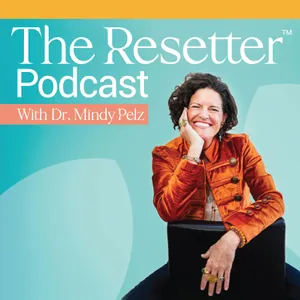
We were taught that doing anything "like a girl" was a weakness. Dr. Mindy Pelz is here to prove it's your greatest strength. A renowned advocate for women's health, Dr. Mindy is passionately committed to helping women embrace and trust their body's natural healing processes. Drawing on an extensive background in women's health, she's developed groundbreaking, science-backed approaches that help women work with their hormones, not against them, through every stage of life, from cycling to perimenopause to the wisdom of the years beyond. On Live Like a Girl, Dr. Mindy helps you come home to your own body. She sits down with some of the brightest minds in health and wellness for honest, meaningful conversations that hand you the knowledge, tools, and science to do health your way. No more pushing through, gaslighting yourself, or shrinking to fit. Just permission to live in rhythm with the body you were designed to have and to finally feel at home in it.
Latest Episodes
The most recent episodes — sign up to get AI-powered summaries of each one.
- 4 days ago42 min
The Biggest Fasting Mistakes That’s Blocking Your Fat Loss
Fasting gets a lot of attention for what happens while you’re not eating, but what happens when you start eating again deserves just as much attention.In this solo episode, Dr. Mindy breaks down one of the most overlooked parts of fasting: the refeed.She explains why longer isn’t always better when it comes to fasting, how the eating and fasting windows work together, and why protein, carbohydrates, fiber, fermented foods, and plant diversity can all have a place in your fasting rhythm.She also takes on some of the biggest conversations happening around fasting right now, including thyroid health, muscle loss, the gut microbiome, fasting after 45, GLP-1, autophagy, meal timing, and whether women really need to eat protein first thing in the morning.In This EpisodeWhy fasting longer isn’t necessarily fasting betterWhy your first meal after a fast deserves more attentionWhat happens to thyroid hormones during extended fasting and refeedingWhy carbohydrates and protein matter after longer fastsWhat fasting may change within your gut microbiomeWhy plant diversity and fermented foods matter during your eating windowThe debate around fasting for women over 45Why Mindy cycles fasting rather than using the same fasting window every dayWhether you really need protein immediately after wakingHow to experiment with an eating window that works for your body and lifestyleThe difference between your sugar-burning and fat-burning statesHow nutrients can stimulate your body’s natural GLP-1 responseFor more resources related to today’s episode, visit the podcast episode page: drmindypelz.com/370 Connect with Dr. Mindy:Join Reset AcademyWatch the episodes on YouTubeFollow Dr. Mindy on InstagramSubscribe to Dr. Mindy’s newsletterDisclaimer: This podcast is intended for educational and informational purposes only and is not a substitute for professional medical advice. Always consult a qualified healthcare professional before making changes to your diet, fasting routine, or lifestyle.
- 6 days ago1h 14m
Why You Can’t Stop Using Food for Comfort with Kelly McDaniel
Why can changing the way you eat feel so emotional, even when you know exactly what you want to change?In this conversation, I sit down with therapist and Mother Hunger author Kelly McDaniel to explore the deeper emotional and relational layers that can become intertwined with food.Through Kelly’s Mother Hunger framework, we look at how early experiences with nurturing, safety, attachment, and caregiving may influence the way some of us relate to food later in life—and why food can sometimes become connected with comfort, connection, routine, and relief.We also talk about emotional eating, body image, nervous system regulation, fasting, food noise, GLP-1 medications, and the messages about our bodies that can be passed from one generation to the next.This conversation gave me an entirely new way to think about some of the struggles I’ve seen women experience when changing how they eat, because sometimes there may be more happening beneath the surface than what’s on the plate.In this episode:Kelly’s Mother Hunger frameworkWhy food can become emotionally significantWhat Kelly means by “surrogate comfort”Why changing eating patterns can bring up difficult emotionsFood and nervous system regulationWhat mothers can unintentionally teach daughters about their bodiesKelly’s perspective on food noise and GLP-1 medicationsHow support and connection can help us create new patternsMORE ON KELLY MCDANIELInstagram: @kellymcdanieltherapyMother Hunger, Revised EditionFor more resources related to today’s episode, visit the podcast episode page: drmindypelz.com/ep369Connect with Dr. Mindy:Join Reset AcademyWatch the episodes on YouTubeFollow Dr. Mindy on InstagramSubscribe to Dr. Mindy’s newsletterDisclaimer: This podcast is intended for educational and informational purposes only and is not a substitute for professional medical advice. Always consult a qualified healthcare professional before making changes to your diet, fasting routine, or lifestyle.
- 1 weeks ago22 min
Trying Everything to Lose Weight? These 5 Things Matter More Than You Think
You’re exercising more, fasting more, changing what you eat, and trying everything you know to support your weight, and yet the scale still doesn’t seem to move.In this solo episode, Dr. Mindy breaks down five foundational habits she wants you to look at before assuming your body simply isn’t responding. She explores how fibre-rich foods can support satiety and your gut microbiome, why walking after meals can benefit blood sugar, how meal timing interacts with your circadian rhythm, and why sleep and consistency deserve a much bigger place in the weight-loss conversation.She also explores GLP-1, food noise, nervous system state, and what research tells us about maintaining weight loss after stopping GLP-1 medications.The takeaway is refreshingly practical: instead of chasing another complicated strategy, start by looking at the everyday rhythms you can actually repeat.Resources MentionedFREE Nervous System QuestionnaireTime & Light: Missing Pieces of a Healthy Lifestyle with Dr. Satchin PandaThe Cancer Conversation Women Aren't Having Yet with Dr. Leigh Erin ConnealyReset AcademyEat Like a GirlAge Like a GirlFor more resources related to today’s episode, visit the podcast episode page: drmindypelz.com/ep368Connect with Dr. Mindy:Join Reset AcademyWatch the episodes on YouTubeFollow Dr. Mindy on InstagramSubscribe to Dr. Mindy’s newsletterDisclaimer: This podcast is intended for educational and informational purposes only and is not a substitute for professional medical advice. Always consult a qualified healthcare professional before making changes to your diet, fasting routine, or lifestyle.
- 1 weeks ago1h 18m
Why So Many Women Feel Disconnected From Their Bodies with Emma-Louise Boynton
Women spend so much time trying to change their bodies, but how often are we taught how to actually experience and enjoy them?In this conversation, I sit down with Emma-Louise Boynton to explore what happens when we begin reconnecting with our bodies through pleasure, presence, and curiosity rather than constant criticism. We talk about body image, intimacy, sex therapy, self-pleasure, mindfulness, and the small everyday practices that can help you feel more at home in your body.Because your relationship with your body affects far more than how you see yourself, it shapes how you experience your life._MORE ON EMMA-LOUISE BOYNTONPleasure: The Reclamation of my Body by Emma-Louise BoyntonInstagram: @emmalouiseboyntonLinkedIn: Emma-Louise BoyntonSubstack: @emmalouiseboyntonPleasure: The Reclamation of my Body Audiobook: SpotifyWebsite: emma-louseboynton.comFor more resources related to today’s episode, visit the podcast episode page: drmindypelz.com/ep367Connect with Dr. Mindy:Join Reset AcademyWatch the episodes on YouTubeFollow Dr. Mindy on InstagramSubscribe to Dr. Mindy’s newsletterDisclaimer: This podcast is intended for educational and informational purposes only and is not a substitute for professional medical advice. Always consult a qualified healthcare professional before making changes to your diet, fasting routine, or lifestyle.
- 2 weeks ago29 min
10 Foods That Naturally Boost GLP-1 & Quiet Food Noise
If you’re constantly thinking about food, battling afternoon cravings, or struggling to feel satisfied after eating, your fullness hormones may be an important part of the conversation.In this solo episode, Dr. Mindy breaks down the foods that can support your body’s natural GLP-1 production and explains how fiber, protein, resistant starch, fermented foods, and omega-3-rich foods influence satiety. You’ll learn practical ways to build meals that help you feel fuller longer, support your gut microbiome, and work with your body’s natural appetite signals.Resources MentionedQualia Magnesium+, use code MINDY for 15% offReset AcademyWise Goat Organics Fermented Foods, use code MINDY for 20% offEat Like a GirlFor more resources related to today’s episode, visit the podcast episode page: drmindypelz.com/ep366Connect with Dr. Mindy:Join Reset AcademyWatch the episodes on YouTubeFollow Dr. Mindy on InstagramSubscribe to Dr. Mindy’s newsletterDisclaimer: This podcast is intended for educational and informational purposes only and is not a substitute for professional medical advice. Always consult a qualified healthcare professional before making changes to your diet, fasting routine, or lifestyle.
- 2 weeks ago1h 10m
How to Make Healthy Food Actually Taste Good with Chef Nyesha Arrington
What if a healthier relationship with food started with enjoying it more?In this episode of Live Like a Girl, Dr. Mindy sits down with acclaimed chef and Next Level Chef mentor Nyesha Arrington for a conversation about food that goes far beyond calories, macros, or following the “perfect” diet.Nyesha shares how cooking with her grandmother shaped her relationship with food from childhood, why recipes can carry memories and identity across generations, and how years in professional kitchens taught her to see food as art, connection, and eventually, fuel.They also get practical: cooking oils, salt, spices, kitchen tools, meal prep, fasting, strength training, hydration, and the small upgrades Nyesha has made that helped her feel dramatically better in her body.Plus, Nyesha opens up about leadership in high-pressure kitchens, working alongside Gordon Ramsay, earning the title of “Chef,” and why she refuses to fit into anyone else’s definition of what a woman should look like.In This Episode, You’ll Learn How childhood experiences can shape your relationship with food Why food is closely tied to memory and identity How Nyesha shifted from cooking purely for taste to thinking about food as fuel Which cooking oils she keeps in her own kitchen Why salt and spices can completely change a meal The kitchen tools every home cook actually needs How meal prep helps Nyesha make better choices when life gets busy Why she uses fasting during periods when she needs deep focus How strength training and sleep became part of her wellness routine What working in elite restaurant kitchens taught her about leadership Why she refuses to make herself more “digestible” for anyone elseResources MentionedOlive OilBone Broth, use code MINDY10More on Chef Nyesha ArringtonNyesha Arrington is an acclaimed chef, television personality, and co-star of FOX’s Next Level Chef. Trained in Michelin-starred kitchens, she has become known for her creative approach to food, mentorship, and commitment to thoughtfully sourced ingredients. She also hosts and produces Eater’s Plateworthy and is passionate about wellness, functional fitness, and using food to bring people together.Instagram: @nyeshajoyceNative by NyeshaFor more resources related to today’s episode, visit the podcast episode page: drmindypelz.com/ep365 Connect with Dr. Mindy:Join Reset AcademyWatch the episodes on YouTubeFollow Dr. Mindy on InstagramSubscribe to Dr. Mindy’s newsletterDisclaimer: This podcast is intended for educational and informational purposes only and is not a substitute for professional medical advice. Always consult a qualified healthcare professional before making changes to your diet, fasting routine, or lifestyle.
- 3 weeks ago1h 21m
Why Everything Feels Harder After 40: Nervous System, Burnout & Letting Go
What if the changes you’re experiencing after 40 are asking you to look at more than your hormones?In this solo episode of Live Like a Girl, Dr. Mindy walks through how she believes women can use the menopausal transition to better understand their nervous systems, reconnect with parts of themselves they may have lost, and begin building the next chapter of life more intentionally.She explores why so many women arrive in midlife already overwhelmed, why learning to regulate your nervous system may need to come before another health protocol, and how years of putting everyone else first can shape the way women experience this transition.Later in the episode, LeAnn Rimes joins Dr. Mindy for a candid conversation about overwhelm, perfectionism, boundaries, HRT, nutrition, self-care, and what it looks like to listen to your body while living a very full life.And for a limited time, you can get Age Like a Girl for $7 with free shipping in the U.S. and Canada only, while supplies last.In This Episode, You’ll LearnWhy nervous system regulation matters so much after 40How years of over-functioning can catch up with women in midlifeWhy play, curiosity, creativity, and speaking your truth matterHow to build your own lifestyle toolbox for menopauseWhy women need community as they ageWhy saying no can become an important form of self-careWhat it means to create the next chapter of your life on your termsResources MentionedFREE Nervous System QuestionnaireAge Like a Girl (Get your copy for $7 & FREE shipping, limited-time offer)Reset AcademyQualia Senolytic, use code MINDY for 15% offFor more resources related to today’s episode, visit the podcast episode page: drmindypelz.com/ep364Connect with Dr. Mindy:Join Reset AcademyWatch the episodes on YouTubeFollow Dr. Mindy on InstagramSubscribe to Dr. Mindy’s newsletterDisclaimer: This podcast is intended for educational and informational purposes only and is not a substitute for professional medical advice. Always consult a qualified healthcare professional before making changes to your diet, fasting routine, or lifestyle.
- 3 weeks ago1h 5m
Dr. David Perlmutter on Menopause, Metabolism & Protecting Your Brain
Women are far more likely than men to develop Alzheimer’s disease, and Dr. David Perlmutter believes one of the most important pieces of that story is metabolic health.In this episode of Live Like a Girl, Dr. Perlmutter joins Dr. Mindy to explain what happens when the brain’s immune cells shift from protective to destructive, why menopause may increase vulnerability, and how blood sugar, insulin resistance, visceral fat, inflammation, mitochondrial health, and lifestyle all influence brain aging.They also discuss HRT, GLP-1 medications, ketones, fasting, fiber, exercise, BNDF, sleep, and what women can begin doing in their 30s, 40s, and 50s to support long-term cognitive health.In This Episode, You’ll LearnWhy women face a higher risk of Alzheimer’sHow menopause may affect brain metabolismWhy belly fat and insulin resistance matter for brain healthThe blood markers Dr. Perlmutter watches most closelyWhat emerging research says about GLP-1 drugs and the brainThe lifestyle habits Dr. Perlmutter prioritizes for preventionResources MentionedBrain DefendersTanzi StudyCochrane ReviewMore on Dr. David Perlmutterhttps://drperlmutter.com/http://braindefenders.com/https://www.instagram.com/davidperlmutter/https://www.youtube.com/user/DavidPerlmutterMDhttps://x.com/davidperlmutterlinkedin.com/in/david-perlmutter-mdFor more resources related to today’s episode, visit the podcast episode page: https://www.drmindypelz.com/ep363/Connect with Dr. Mindy:Join Reset AcademyWatch the episodes on YouTubeFollow Dr. Mindy on InstagramSubscribe to Dr. Mindy’s newsletterDisclaimer: This podcast is intended for educational and informational purposes only and is not a substitute for professional medical advice. Always consult a qualified healthcare professional before making changes to your diet, fasting routine, or lifestyle.
Get Live Like a Girl with Dr. Mindy Pelz summaries in your inbox
Free AI-powered daily recaps. Key takeaways, quotes, and mentions — in a 5-minute read.
Get Free Summaries →Free forever for up to 3 podcasts. No credit card required.
You Might Also Like
Listeners also like.

Treated with Dr. Sara Szal
Dr. Sara Szal explores holistic health solutions through conversations with experts and patients seeking mind, body, and soul healing.
Everyday Wellness: Midlife Hormones, Menopause, and Science for Women 35+
A nurse practitioner shares science-based strategies for managing midlife hormones, menopause, and women's health.

Modern Body Modern Life
Helps women change their mindset around food and body image to achieve lasting weight loss and emotional balance.

The Dr. Gabrielle Lyon Show
Discusses health, longevity, and mental resilience through science-based conversations with medical and wellness experts.
Peak Performance Life Podcast
Covers health, energy, and mental performance optimization through biohacking, nutrition, and lifestyle strategies.

Quiet the Diet
A dietitian shares her experience and knowledge to help people heal their relationship with food and make health choices based on self-awareness.

Weight Loss for Busy Physicians | Helping Women Physicians Lose Weight for the Last Time
Helps women physicians lose weight by addressing stress eating, exhaustion, and time constraints in their demanding careers.

unPAUSED with Dr. Mary Claire Haver
A board-certified OB-GYN hosts candid discussions with experts and leaders on women's health, identity, and empowerment in midlife.

Biohack-it
A weekly exploration of biohacking, holistic health, and science-driven strategies for optimizing physical and mental well-being.

The Dr. Hyman Show
Explores root causes of chronic disease and promotes functional medicine, nutrition, and preventive health through expert discussions.

Red Pill Your Healthcast
Two healthcare providers discuss overlooked health issues and empower listeners to make informed decisions for their families.

Rooted in Wellness with Mona Sharma
A holistic nutritionist blends ancient wellness practices with modern science to address mind, body, and soul health.
About Live Like a Girl with Dr. Mindy Pelz
We were taught that doing anything "like a girl" was a weakness. Dr. Mindy Pelz is here to prove it's your greatest strength. A renowned advocate for women's health, Dr. Mindy is passionately committed to helping women embrace and trust their body's natural healing processes. Drawing on an extensive background in women's health, she's developed groundbreaking, science-backed approaches that help women work with their hormones, not against them, through every stage of life, from cycling to perimenopause to the wisdom of the years beyond. On Live Like a Girl, Dr. Mindy helps you come home to your own body. She sits down with some of the brightest minds in health and wellness for honest, meaningful conversations that hand you the knowledge, tools, and science to do health your way. No more pushing through, gaslighting yourself, or shrinking to fit. Just permission to live in rhythm with the body you were designed to have and to finally feel at home in it.
Customized Recaps
AI-powered recaps with compact key takeaways, quotes, and insights.
Straight to Your Inbox
Get key takeaways from Live Like a Girl with Dr. Mindy Pelz in a 5-minute read.
Save Hours Every Week
Stay current on your favorite podcasts without falling behind.
Frequently Asked Questions
What is Podzilla's Live Like a Girl with Dr. Mindy Pelz daily summary?
It's a free AI-powered email that summarizes new episodes of Live Like a Girl with Dr. Mindy Pelz as soon as they're published. You get the key takeaways, notable quotes, and links & mentions — all in a quick read.
How does the Live Like a Girl with Dr. Mindy Pelz podcast summary work?
When a new episode drops, our AI transcribes and analyzes it, then generates a personalized summary tailored to your interests and profession. It's delivered to your inbox every morning.
Is this an official Live Like a Girl with Dr. Mindy Pelz product?
No. Podzilla is an independent service that summarizes publicly available podcast content. We're not affiliated with or endorsed by Dr. Mindy Pelz.
Can I get summaries of other podcasts too?
Absolutely! The free plan covers up to 3 podcasts. Upgrade to Pro for 15, or Premium for 50. Browse our full catalog at /podcasts.
How often does Live Like a Girl with Dr. Mindy Pelz release new episodes?
Live Like a Girl with Dr. Mindy Pelz publishes every few days. Our AI generates a summary within hours of each new episode.
What topics does Live Like a Girl with Dr. Mindy Pelz cover?
Live Like a Girl with Dr. Mindy Pelz covers topics including Science, Fitness, Health & Fitness, Alternative. Our AI identifies the specific themes in each episode and highlights what matters most to you.
Start getting Live Like a Girl with Dr. Mindy Pelz summaries tomorrow morning.
Free forever for up to 3 podcasts. No credit card required.
Free forever for up to 3 podcasts. No credit card required.