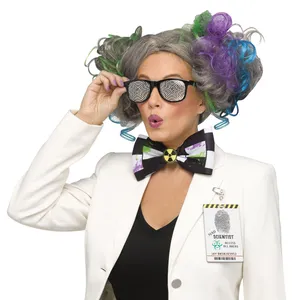
Free Daily Podcast Summary
Sitcom Science: Daily Summaries Delivered
by Circle Of Insight Productions
Sitcom Science examines the intersection of popular television and real-world science through rigorous, evidence-based analysis. Hosted by a licensed psychologist and science communicator, each episode fact-checks the physics, psychology, biology, and technology portrayed in beloved sitcoms and series, separating entertaining fiction from established scientific understanding. From quantum mechanics in The Big Bang Theory to medical scenarios in House M.D. and chemical processes in Breaking Bad, the podcast delivers clear explanations, expert insights, and thoughtful discussions on the accuracy, implications, and broader lessons behind the screen. Emphasizing curiosity over fandom, Sitcom Science bridges entertainment and education, making complex concepts accessible to curious listeners while exploring the cognitive and cultural impact of scientific portrayals in media. New episodes explore one show, one concept at a time, blending humor, critical thinking, and reliable research. Whether you are a science enthusiast, TV fan, or lifelong learner, join us as we investigate: Was the science right? What does it teach us? And how does it shape our understanding of the world?
Latest Episodes
The most recent episodes — sign up to get AI-powered summaries of each one.
- 1 weeks ago2 min
Was George Costanza Right? The Surprisingly Gross Science of Double-Dipping
Seinfeld turned double-dipping a chip into one of television’s funniest social crimes. But beneath the comedy was a surprisingly legitimate scientific question: does taking a second dip actually contaminate the bowl? Researchers have put the question to the test, and George Costanza probably would not have liked the results. The science suggests that Timmy’s outrage may have been more justified than we thought.
- 2 weeks ago2 min
Smart Underwear, 32 Daily Farts, and the Race to Map the Human Gut
Sheldon starts eating Brussels sprouts to extend his lifespan. The diet gives him severe gas. He first mistakes the pain for appendicitis and tells Leonard he thinks his appendix is about to burst—then farts loudly and concludes it was the sprouts. Later, after he falls down the stairs while trying to jog with Penny, she helps him up and he farts in her face. His follow-up line is: “If it makes you feel any better, Thursday is no longer cruciferous vegetable night.” The device, developed at the University of Maryland by Brantley Hall and colleagues, is the first wearable built specifically to measure human flatus.
- 3 weeks ago18 min
Are we close to a real world with a Jurassic Park
- Aug 3, 20263 min
Why Did Sheldon Dress Up as the Doppler Effect?
One of Sheldon’s most unforgettable Halloween costumes wasn’t a superhero or a monster—it was the Doppler Effect. Was the costume scientifically accurate, and what exactly is the Doppler Effect anyway? In this episode, we’ll discover why every time an ambulance speeds past you, you’re actually hearing one of physics’ coolest phenomena.
- Jul 20, 20262 min
Was Sheldon Right? Episode 3: Are Multivitamins Just Expensive Urine?
One of Sheldon’s funniest one-liners is that multivitamins are nothing more than “expensive urine.” Is that just sitcom sarcasm, or is there real science behind the joke? In this episode, we dive into nutrition research, learn when vitamins actually help, and discover why the answer is much more interesting than a simple yes or no.
- Jul 16, 20263 min
Was Sheldon Right? Episode 4: Can You Really Make a Glowing Fish Night-Light?
Sheldon proposes creating a night-light by inserting glowing jellyfish DNA into a fish—but is that science fiction or real genetic engineering? In this episode, we explore fluorescent proteins, genetically modified animals, and the surprising history of fish that really do glow. The science behind Sheldon’s strange idea helped transform biological research, although it probably would not illuminate your bedroom.
- Jul 14, 20262 min
Was Sheldon Right? Episode 2: Did Evolution Make Women Better at Hearing a Baby Cry?
Did evolution really make women more sensitive to high-pitched sounds so they’ll wake up when a baby cries? In this episode, we separate a clever sitcom one-liner from decades of research in evolutionary psychology, neuroscience, and parenting. The answer is more fascinating—and much more nuanced—than the television version.
- Jul 13, 20262 min
Was Sheldon Right? Episode 1: Can Two Millimeters Really Make You Trip?
Could a stair that’s only two millimeters taller than the rest actually make someone fall? In this episode, we explore the surprising science of how your brain learns patterns while walking and why even tiny changes in stair height can throw off your stride. It’s a fun look at biomechanics, psychology, and engineering that proves reality is sometimes stranger than sitcoms. Was Sheldon Right?, the podcast where we separate sitcom science from scientific fact.
Get Sitcom Science summaries in your inbox
Free AI-powered daily recaps. Key takeaways, quotes, and mentions — in a 5-minute read.
Get Free Summaries →Free forever for up to 3 podcasts. No credit card required.
You Might Also Like
Listeners also like.
Science Vs
A show that investigates popular topics and myths by analyzing scientific evidence to determine what’s fact, fiction, or uncertain.

SciShow Tangents
Scientists compete with quirky facts and scientific stories, blending humor and deep dives into unexpected topics.

Sidenote by AsapSCIENCE
Greg and Mitch explore the science behind controversial topics using research and anecdotes to inform and entertain.
Unbiased Science
Two scientists analyze health topics using objective, evidence-based approaches to inform everyday decisions.

Big Picture Science
Explores the surprising connections in science and technology with expert guests, plus critical examinations of pseudoscience.
Unsung Science
Explores the overlooked stories behind major scientific and technological breakthroughs and the people who created them.
Inquiring Minds
Explores the intersection of science and society through critical thinking and in-depth analysis.
You Are Not So Smart
A psychology podcast exploring human reasoning, cognitive biases, and the science behind self-delusion.
Science Quickly
A bite-sized science podcast exploring discoveries with journalists and experts.
Let's Learn Everything!
Three science communicators explore diverse topics, teaching each other about science and random curiosities each episode.
The World, the Universe and Us
Explores big scientific questions about life, consciousness, climate, and the cosmos with expert scientists and New Scientist journalists.
The Rest Is Science
Two science communicators explore the strange, unanswered questions behind everyday phenomena and challenge assumptions about reality.
About Sitcom Science
Sitcom Science examines the intersection of popular television and real-world science through rigorous, evidence-based analysis. Hosted by a licensed psychologist and science communicator, each episode fact-checks the physics, psychology, biology, and technology portrayed in beloved sitcoms and series, separating entertaining fiction from established scientific understanding. From quantum mechanics in The Big Bang Theory to medical scenarios in House M.D. and chemical processes in Breaking Bad, the podcast delivers clear explanations, expert insights, and thoughtful discussions on the accuracy, implications, and broader lessons behind the screen. Emphasizing curiosity over fandom, Sitcom Science bridges entertainment and education, making complex concepts accessible to curious listeners while exploring the cognitive and cultural impact of scientific portrayals in media. New episodes explore one show, one concept at a time, blending humor, critical thinking, and reliable research. Whether you are a science enthusiast, TV fan, or lifelong learner, join us as we investigate: Was the science right? What does it teach us? And how does it shape our understanding of the world?
Customized Recaps
AI-powered recaps with compact key takeaways, quotes, and insights.
Straight to Your Inbox
Get key takeaways from Sitcom Science in a 5-minute read.
Save Hours Every Week
Stay current on your favorite podcasts without falling behind.
Frequently Asked Questions
What is Podzilla's Sitcom Science daily summary?
It's a free AI-powered email that summarizes new episodes of Sitcom Science as soon as they're published. You get the key takeaways, notable quotes, and links & mentions — all in a quick read.
How does the Sitcom Science podcast summary work?
When a new episode drops, our AI transcribes and analyzes it, then generates a personalized summary tailored to your interests and profession. It's delivered to your inbox every morning.
Is this an official Sitcom Science product?
No. Podzilla is an independent service that summarizes publicly available podcast content. We're not affiliated with or endorsed by Circle Of Insight Productions.
Can I get summaries of other podcasts too?
Absolutely! The free plan covers up to 3 podcasts. Upgrade to Pro for 15, or Premium for 50. Browse our full catalog at /podcasts.
How often does Sitcom Science release new episodes?
Sitcom Science publishes weekly. Our AI generates a summary within hours of each new episode.
What topics does Sitcom Science cover?
Sitcom Science covers topics including Education. Our AI identifies the specific themes in each episode and highlights what matters most to you.
Start getting Sitcom Science summaries tomorrow morning.
Free forever for up to 3 podcasts. No credit card required.
Free forever for up to 3 podcasts. No credit card required.