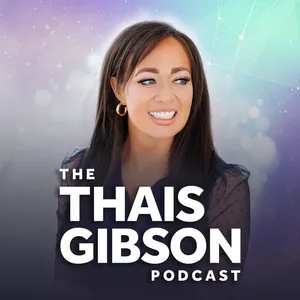
Free Daily Podcast Summary
Breakthrough with Thais Gibson Podcast: Daily Summaries Delivered
by Thais Gibson
Breakthrough with Thais Gibson is a podcast featuring live coaching and transformational conversations rooted in Integrated Attachment Theory. In each episode, Thais works directly with guests to uncover subconscious patterns, heal attachment wounds, and create meaningful emotional breakthroughs. Through vulnerable storytelling, practical tools, and deep emotional insight, listeners gain a powerful window into the healing process and learn how to build healthier relationships with themselves and others.
Latest Episodes
The most recent episodes — sign up to get AI-powered summaries of each one.
- 3 days ago9 min
Repairing Your Relationship - Anxious Preoccupied & Dismissive Avoidant | Attachment Styles
How To Repair Relationships & Create Lasting Emotional Connection https://offer.personaldevelopmentschool.com/relationship-repair?utm_source=podcast&utm_campaign=relationship-repair&utm_medium=organic&utm_content=pod-09-18-26&el=podcast When an Anxious Preoccupied and Dismissive Avoidant come together, their different attachment patterns can create challenges that leave both partners feeling misunderstood. So, how can you begin repairing the relationship and move toward a healthier, more secure connection? In this episode, Thais Gibson explores relationship repair through the lens of Anxious Preoccupied and Dismissive Avoidant attachment styles. Discover how understanding your attachment patterns can give you greater insight into the dynamics playing out between you and your partner—and help you approach your relationship with more awareness. Whether you identify as Anxious Preoccupied, Dismissive Avoidant, or you’re trying to better understand someone you love, this episode offers an attachment-focused perspective on repairing your relationship and creating a healthier dynamic. In This Episode: ✔ Anxious Preoccupied & Dismissive Avoidant attachment dynamics ✔ Understanding your attachment patterns in relationships ✔ Recognizing the differences between these two attachment styles ✔ Looking at relationship challenges through the lens of attachment ✔ Moving toward healthier, more secure relationship patterns ✔ Building greater awareness in your relationship Meet Thais Thais Gibson, PhD, is a Best-Selling Author, Pastoral Counselor, Relationship Coach, and the founder of The Personal Development School (PDS). Between 2013 and 2019, she developed Integrated Attachment Theory® (IAT), the Six-Step Method to Becoming Secure, a framework rooted in neuroscience, attachment theory, psychology, and spirituality, trademarked in October 2021. IAT works across six pillars: ✔ Rewire Your Attachment Core Wounds ✔ Learn Your Attachment Needs ✔ Regulate Your Nervous System Somatically ✔ Learn Healthy Boundaries ✔ Improve Communication ✔ Rewire Your Unhealthy Protest Behaviors Since opening in 2020, PDS has grown to serve over 70,000 students in 145 countries, achieving a 97% satisfaction rate and helping people reprogram their subconscious patterns and build thriving, secure relationships. Helpful Resources: 🧠 Take the Free Attachment Style Quiz https://attachment.personaldevelopmentschool.com/?utm_source=podcast&utm_campaign=attachment-quiz&utm_medium=organic&el=podcast 📘 Become an IAT Relationship Coach https://attachment.personaldevelopmentschool.com/iat?utm_source=podcast&utm_campaign=iat&utm_medium=organic&el=podcast 📚 Read the New Attachment Theory Book https://attachment.personaldevelopmentschool.com/book/the-new-attachment-theory?utm_source=podcast&utm_campaign=the-new-attachment-theory&utm_medium=organic&el=podcast 🎧 Discover Podcast Episodes https://attachment.personaldevelopmentschool.com/podcast?utm_source=podcast&utm_campaign=podcast-page&utm_medium=organic&el=podcast 📝 Read the PDS Blog https://blog.personaldevelopmentschool.com/ Let’s Connect on Socials: 📸 Instagram: https://www.instagram.com/thepersonaldevelopmentschool/ 📘 Facebook: https://www.facebook.com/ThePersonalDevelopmentSchool 🎵 TikTok: https://www.tiktok.com/@thaisgibson 💼 LinkedIn: https://www.linkedin.com/company/thepersonaldevelopmentschool/ #AnxiousPreoccupied #DismissiveAvoidant #AttachmentStyles #AttachmentTheory #AvoidantAttachment #AnxiousAttachment #RelationshipAdvice #HealthyRelationships #PersonalDevelopmentSchool
- 5 days ago59 min
Why Fearful Avoidants Can’t Let Go of Betrayal
Activate Your 7-day Free Trial and Instantly Unlock the Repair Trust & Overcome the Fear of Abandonment Course, Yours to Keep for Life: https://offer.personaldevelopmentschool.com/repair-trust?utm_source=podcast&utm_campaign=relationship-repair&utm_medium=organic&utm_content=pod-09-16-26&el=podcast Have you ever forgiven someone… but still felt resentment every time you were around them? When someone you deeply trust lies, betrays you, or makes a choice that feels completely out of alignment with the person you thought they were, an apology may not be enough to make the relationship feel safe again. In this conversation, Thais Gibson sits down with Victoria Garrick Browne to explore what it actually takes to heal after betrayal, let go of longstanding resentment, and rebuild trust in a close relationship. They unpack why acknowledgment and accountability are only the beginning of repair, why understanding the context behind someone’s actions matters, and how trust is rebuilt through consistent behavior over time, not simply through saying “I’m sorry.” You’ll also discover how betrayal can lead you to question your own intuition, suppress your feelings, or grieve the future you thought you were going to have with someone. Thais explains why healing often begins by identifying where you may still be abandoning your own feelings, needs, boundaries, or truth. In this episode, you’ll learn: • Why some apologies still leave you feeling unresolved • The Four C’s of trust: Congruency, Consideration, Consistency, and Context • Why accountability is different from true relationship repair • How to communicate what you need after a betrayal • How to stop betraying yourself after someone else betrays you • Why you may be grieving the fantasy of a relationship—not only the relationship itself • How values and character changes can affect emotional safety • How trust can be rebuilt gradually through consistent actions TIMESTAMPS: 00:00 – Healing Grudges and Resentment 05:19 – How to Resolve Conflict After Betrayal 08:07 – The Four C’s of Trust 11:52 – Why Accountability Alone Isn’t Enough 31:27 – When a Relationship Changes After Trust Is Broken 36:11 – Are You Still Betraying Yourself? 46:19 – What Genuine Relationship Repair Looks Like 52:49 – Grieving the Future You Thought You’d Have 58:33 – The Five Levels of Closeness and Rebuilding Trust ABOUT VICTORIA GARRICK BROWNE: Victoria Garrick Browne is the host of Inner Childish. Connect with Victoria and explore more of her work below: Inner Childish: https://open.spotify.com/show/0RFZBETSom9yZQbkv1ZIYO?si=5fb89a0ae5bf47db Victoria Garrick Browne on Instagram: https://www.instagram.com/victoriagarrickbrowne/ Meet Thais Thais Gibson, PhD, is a Best-Selling Author, Pastoral Counselor, Relationship Coach, and the founder of The Personal Development School (PDS). Between 2013 and 2019, she developed Integrated Attachment Theory® (IAT), the Six-Step Method to Becoming Secure, a framework rooted in neuroscience, attachment theory, psychology, and spirituality, trademarked in October 2021. IAT works across six pillars: ✔ Rewire Your Attachment Core Wounds ✔ Learn Your Attachment Needs ✔ Regulate Your Nervous System Somatically ✔ Learn Healthy Boundaries ✔ Improve Communication ✔ Rewire Your Unhealthy Protest Behaviors Since opening in 2020, PDS has grown to serve over 70,000 students in 145 countries, achieving a 97% satisfaction rate and helping people reprogram their subconscious patterns and build thriving, secure relationships. Helpful Resources: 🧠 Take the Free Attachment Style Quiz https://attachment.personaldevelopmentschool.com/?utm_source=podcast&utm_campaign=attachment-quiz&utm_medium=organic&el=podcast 📘 Become an IAT Relationship Coach https://attachment.personaldevelopmentschool.com/iat?utm_source=podcast&utm_campaign=iat&utm_medium=organic&el=podcast 📚 Read the New Attachment Theory Book https://attachment.personaldevelopmentschool.com/book/the-new-attachment-t
- 1 weeks ago11 min
Dismissive Avoidant Attachment & Counterdependency (Not Codependency)
End Codependency & Build Healthy, Balanced Relationships https://attachment.personaldevelopmentschool.com/dream-life-codependency-course?utm_source=podcast&utm_campaign=dream-life-codependency-course&utm_medium=organic&utm_content=pod-09-14-26&el=podcast Have you ever wondered why some people push away love, closeness, and vulnerability—even when part of them deeply wants connection? In this episode, Thais Gibson explores counterdependency and how it can show up in Dismissive Avoidant and Fearful Avoidant attachment patterns. You’ll learn why counterdependency isn’t simply about being independent, but can develop as a protective strategy when closeness has become associated with engulfment, painful expectations, boundary violations, or abandonment. Thais breaks down why someone may go to extremes to maintain independence, keep others at arm’s length, or avoid vulnerability in relationships. She also explains why counterdependent individuals can sometimes find themselves drawn to codependent dynamics—and what needs to change before healthy interdependence becomes possible. In This Episode, You’ll Learn: • What counterdependency is and how it differs from healthy independence • Why Fearful Avoidants may display strong counterdependent patterns • How enmeshment, emotional neglect, and boundary violations can shape beliefs about love • Why fear of abandonment can actually contribute to pushing people away • How counterdependent and codependent relationship dynamics can reinforce one another • Why extreme boundaries may be protecting a deeper fear of losing oneself • What to consider if your romantic partner continually pushes away closeness • How changing beliefs about love, expressing needs, and developing healthy boundaries can support healthier interdependence Timestamps: 00:00 – Dismissive Avoidant Attachment & Counterdependency 00:45 – What Is Counterdependency? 01:32 – Where Counterdependency Comes From 03:09 – Emotional Neglect, Enmeshment & Attachment 03:56 – Why Love and Closeness Can Feel Threatening 04:41 – The Codependent-Counterdependent Dynamic 05:38 – Counterdependency as a Protective Strategy 06:25 – Fear, Control & Extreme Independence 07:08 – Counterdependency in Dismissive Avoidants 07:28 – What If Your Partner Is Counterdependent? 09:36 – Changing the Belief That Love Is Unsafe 10:06 – Learning to Express & Meet Your Needs 10:35 – Healthy Boundaries, Vulnerability & Interdependence Meet Thais Thais Gibson, PhD, is a Best-Selling Author, Pastoral Counselor, Relationship Coach, and the founder of The Personal Development School (PDS). Between 2013 and 2019, she developed Integrated Attachment Theory® (IAT), the Six-Step Method to Becoming Secure, a framework rooted in neuroscience, attachment theory, psychology, and spirituality, trademarked in October 2021. IAT works across six pillars: ✔ Rewire Your Attachment Core Wounds ✔ Learn Your Attachment Needs ✔ Regulate Your Nervous System Somatically ✔ Learn Healthy Boundaries ✔ Improve Communication ✔ Rewire Your Unhealthy Protest Behaviors Since opening in 2020, PDS has grown to serve over 70,000 students in 145 countries, achieving a 97% satisfaction rate and helping people reprogram their subconscious patterns and build thriving, secure relationships. Helpful Resources: 🧠 Take the Free Attachment Style Quiz https://attachment.personaldevelopmentschool.com/?utm_source=podcast&utm_campaign=attachment-quiz&utm_medium=organic&el=podcast 📘 Become an IAT Relationship Coach https://attachment.personaldevelopmentschool.com/iat?utm_source=podcast&utm_campaign=iat&utm_medium=organic&el=podcast 📚 Read the New Attachment Theory Book https://attachment.personaldevelopmentschool.com/book/the-new-attachment-theory?utm_source=podcast&utm_campaign=the-new-attachment-theory&utm_medium=organic&el=podcast 🎧 Discover Podcast Episodes https://attachment.personaldevelopmentschool.com/podcast?utm_source=podcast&utm
- 1 weeks ago12 min
The Brutal Truth: 7 Wild Expectations Dismissive Avoidants Have for Their Partner
Start Healing Your Attachment Style With Personalized Courses Taught by Thais Gibson. Free for 7 Days (Enough Time to Complete a Full Course). Limited Time Offer. Start Here: https://attachment.personaldevelopmentschool.com/dream-life?utm_source=podcast&utm_campaign=7-day-trial&utm_medium=organic&utm_term=HsDYuQS60dc&utm_content=pod-09-11-26&el=podcast What expectations do Dismissive Avoidants bring into relationships and how can those expectations create distance without them realizing it? Episode Summary In this episode, Thais Gibson explores common Dismissive Avoidant relationship expectations and explains how expectations are often uncommunicated needs shaped by past experiences. These can include expecting a partner to automatically understand their need for space, believing conflict means something is wrong, or wanting to maintain complete independence. Thais explains why healthy relationships require communication, compromise, and interdependence rather than expecting either partner to meet every need alone. By identifying the need beneath an expectation and communicating it directly, both partners can create greater understanding and connection. Key Takeaways ✔️ Expectations are often needs that haven’t been communicated ✔️ Dismissive Avoidants may expect partners to automatically understand their need for space ✔️ Conflict doesn’t necessarily mean a relationship is incompatible ✔️ Healthy compromise is different from sacrificing your needs ✔️ Strong relationships balance independence with healthy interdependence ✔️ Communicating the need beneath an expectation can reduce relationship conflict Timestamps 00:00 – Expectations Are Needs That Haven’t Been Communicated 00:36 – Where Do Our Expectations Come From? 02:20 – A) My Partner Should Always Be Understanding When I Need Space 03:51 – B) Conflict Should Not Be Occurring in Relationships 05:25 – C) We Should Keep Our Time to Ourselves Untouched 07:53 – D) My Partner and I Should Meet Our Own Needs 08:17 – 7-Day Free Trial Promo 09:07 – E) My Partner Shouldn't Rely on Me Emotionally 09:18 – F) My Partner Should Be a Perfect Match 09:18 – G) My Level of Independence Shouldn't Change 10:32 – What to Do Meet Thais Thais Gibson, PhD, is a Best-Selling Author, Pastoral Counselor, Relationship Coach, and the founder of The Personal Development School (PDS). Between 2013 and 2019, she developed Integrated Attachment Theory® (IAT), the Six-Step Method to Becoming Secure, a framework rooted in neuroscience, attachment theory, psychology, and spirituality, trademarked in October 2021. IAT works across six pillars: ✔ Rewire Your Attachment Core Wounds ✔ Learn Your Attachment Needs ✔ Regulate Your Nervous System Somatically ✔ Learn Healthy Boundaries ✔ Improve Communication ✔ Rewire Your Unhealthy Protest Behaviors Since opening in 2020, PDS has grown to serve over 70,000 students in 145 countries, achieving a 97% satisfaction rate and helping people reprogram their subconscious patterns and build thriving, secure relationships. Helpful Resources: 🧠 Take the Free Attachment Style Quiz https://attachment.personaldevelopmentschool.com/?utm_source=podcast&utm_campaign=attachment-quiz&utm_medium=organic&el=podcast 📘 Become an IAT Relationship Coach https://attachment.personaldevelopmentschool.com/iat?utm_source=podcast&utm_campaign=iat&utm_medium=organic&el=podcast 📚 Read the New Attachment Theory Book https://attachment.personaldevelopmentschool.com/book/the-new-attachment-theory?utm_source=podcast&utm_campaign=the-new-attachment-theory&utm_medium=organic&el=podcast 🎧 Discover Podcast Episodes https://attachment.personaldevelopmentschool.com/podcast?utm_source=podcast&utm_campaign=podcast-page&utm_medium=organic&el=podcast 📝 Read the PDS Blog https://blog.personaldevelopmentschool.com/ Let’s Connect on Socials: 📸 Instagram: <a href='https://www.instagram.com/thepersonaldevelopment
- 2 weeks ago10 min
Top 10 Shocking Must Knows About the Female Dismissive Avoidant
Discover How to Rewire Your Attachment Style In Thais Gibson’s Free Live Masterclass. https://attachment.personaldevelopmentschool.com/masterclass/rewire/join?utm_source=podcast&utm_campaign=rewire-masterclass&utm_medium=organic&utm_content=pod-09-07-26&el=podcast The female Dismissive Avoidant can sometimes feel especially difficult to understand in relationships. What looks like distance, independence, or a lack of vulnerability on the surface may be connected to deeper Core Wounds and protective strategies. Episode Summary In this episode, Thais Gibson breaks down 10 key patterns commonly associated with the female Dismissive Avoidant and what may be happening beneath the surface. You’ll learn how childhood emotional neglect can contribute to hyper-independence, fears of being trapped or seen as defective, and discomfort with vulnerability. Thais also explores shame after emotional closeness, managing expectations, flaw-finding, sensitivity to criticism, physical withdrawal, and why learning healthy interdependence is an important part of moving toward Secure Attachment. Key Takeaways ✔️ Childhood emotional neglect is presented as a major theme behind the Dismissive Avoidant Attachment Style ✔️ Core Wounds around feeling defective or trapped can make vulnerability and commitment feel threatening ✔️ Emotional closeness can sometimes be followed by shame and withdrawal ✔️ Managing expectations can help a Dismissive Avoidant feel more in control ✔️ Flaw-finding can become a deactivating strategy when Attachment and vulnerability increase ✔️ Criticism may affect them deeply even when they appear stoic on the surface ✔️ Physical withdrawal and hyper-independence can increase as relationships become more emotionally significant ✔️ Developing healthy interdependence is an important part of becoming more securely attached Timestamps 00:00 – The Female Dismissive Avoidant 00:51 – 1. The Overarching Theme of Their Childhood Is Emotional Neglect 02:31 – 2. They Fear Being Found Out as Defective 03:21 – 3. They Will Not Want to Be Vulnerable or Commit 03:49 – 4. They Will Often Get the Shame Hangovers 04:11 – 5. They Try to Manage People's Expectations of Them 05:06 – 6. They Fear Feeling Too Deeply for Somebody 05:42 – 7. They Will Flaw-Find in Relationships 06:32 – 8. They Are Very Sensitive to Criticism 07:00 – The Six-Pillar Blueprint for Secure Attachment Bootcamp Promo 08:30 – 9. They Withdraw Physically 09:04 – 10. They Tend to Be Hyper-Independent Meet the Host Thais Gibson is the founder of The Personal Development School and a world leader in attachment theory. With a Ph.D. and over a dozen certifications, she’s helped more than 70,000 people reprogram their subconscious and build thriving relationships. Helpful Resources: 🧠 Take the Free Attachment Style Quiz https://attachment.personaldevelopmentschool.com/?utm_source=podcast&utm_campaign=attachment-quiz&utm_medium=organic&el=podcast 📘 Become an IAT Relationship Coach https://attachment.personaldevelopmentschool.com/iat?utm_source=podcast&utm_campaign=iat&utm_medium=organic&el=podcast 📚 Read the New Attachment Theory Book https://attachment.personaldevelopmentschool.com/book/the-new-attachment-theory?utm_source=podcast&utm_campaign=the-new-attachment-theory&utm_medium=organic&el=podcast 🎧 Discover Podcast Episodes https://attachment.personaldevelopmentschool.com/podcast?utm_source=podcast&utm_campaign=podcast-page&utm_medium=organic&el=podcast 📝 Read the PDS Blog https://blog.personaldevelopmentschool.com/ Let’s Connect on Socials: 📸 Instagram: https://www.instagram.com/thepersonaldevelopmentschool/ 📘 Facebook: https://www.facebook.com/ThePersonalDevelopmentSchool 🎵 TikTok: https://www.tiktok.com/@thaisgibson</
- 2 weeks ago1h 5m
Why Fearful Avoidants Become Hyper-Independent
Access Our Emotional Mastery and Belief Reprogramming Course and the Worksheets Mentioned in This Episode, With a Trial to the Personal Development School: https://attachment.personaldevelopmentschool.com/dream-life?utm_source=podcast&utm_campaign=7-day-trial&utm_medium=organic&utm_content=pod-09-05-26&el=podcast What happens when independence stops feeling empowering and starts becoming a wall between you and the love, support, and connection you actually want? In this deeply vulnerable conversation, Thais Gibson sits down with Kaitlyn Bristowe to explore hyper-independence, self-worth, vulnerability, and the subconscious beliefs that can keep us stuck in patterns long after we understand where they came from. Kaitlyn opens up about how painful relationship experiences helped shape her fierce independence—and how that independence eventually became a form of protection. Together, they unpack fears of feeling trapped, powerless, foolish, or dependent on someone else, while exploring what it means to soften without losing yourself. They also dive into imposter syndrome, negative self-talk, receiving support, choosing love after heartbreak, and learning to recognize your worth beyond accomplishments or outside validation. In this episode, you’ll learn: • How hyper-independence can develop as a protective coping mechanism • Why vulnerability can feel threatening even when you consciously want connection • How subconscious beliefs influence relationships, self-worth, and success • Why recognizing a negative thought pattern is different from actually rewiring it • How gratitude and emotional awareness can shift your internal state • Why fear and courage can exist at the same time • How self-worth can become disconnected from achievements and external validation • Why receiving help doesn’t have to mean giving up your independence • How healthy relationships can create space for both freedom and connection • What it can look like to soften, receive support, and choose love again Timestamps: 00:00 – Kaitlyn on softening after years of hyper-independence 02:01 – Where her need for independence began 04:55 – Rebuilding herself after heartbreak 10:28 – “For the first time in ten years, I am softening” 16:06 – Fear of feeling trapped, powerless, or foolish 22:59 – Imposter syndrome and fear of the next level 37:06 – Awareness vs. actually rewiring a belief 39:21 – Choosing to believe in yourself and do it scared 48:54 – Building self-worth beyond accomplishments 52:49 – Releasing shame around past relationships 55:02 – Finding the courage to choose love again 59:42 – Learning to ask for help and receive support Connect with Kaitlyn Bristowe: Instagram: @kaitlynbristowe YouTube: @OffTheVinePodcast Meet the Host Thais Gibson is the founder of The Personal Development School and a world leader in attachment theory. With a Ph.D. and over a dozen certifications, she’s helped more than 70,000 people reprogram their subconscious and build thriving relationships. Helpful Resources: 🧠 Take the Free Attachment Style Quiz https://attachment.personaldevelopmentschool.com/?utm_source=podcast&utm_campaign=attachment-quiz&utm_medium=organic&el=podcast 📘 Become an IAT Relationship Coach https://attachment.personaldevelopmentschool.com/iat?utm_source=podcast&utm_campaign=iat&utm_medium=organic&el=podcast 📚 Read the New Attachment Theory Book https://attachment.personaldevelopmentschool.com/book/the-new-attachment-theory?utm_source=podcast&utm_campaign=the-new-attachment-theory&utm_medium=organic&el=podcast 🎧 Discover Podcast Episodes https://attachment.personaldevelopmentschool.com/podcast?utm_source=podcast&utm_campaign=podcast-page&utm_medium=organic&el=podcast 📝 Read the PDS Blog https://blog.personaldevelopmentschool.com/ Let’s Connect on Socials: 📸 Instagram: https://www.instagram.com/thepersonaldevelopmentsch
- 2 weeks ago10 min
THIS Is Why Dismissive Avoidants Choose Comfort Over Compatibility
Learn Somatic Tools to Regulate Emotions, Heal Triggers & Calm Your Nervous System. https://attachment.personaldevelopmentschool.com/somatic-attachment-healing?utm_source=podcast&utm_campaign=somatic-attachment-healing&utm_medium=organic&utm_content=pod-09-04-26&el=podcast Why might a Dismissive Avoidant choose a relationship that feels comfortable over one where there appears to be stronger compatibility, passion, or attraction? The answer may have a lot to do with their nervous system and the way they’ve learned to regulate themselves. Episode Summary In this episode, Thais Gibson explains three reasons Dismissive Avoidants may prioritize comfort, ease, and harmony when choosing long-term relationships. You’ll learn how spending significant time in Functional Freeze can contribute to chronic discomfort, why Dismissive Avoidants may rely on creature comforts instead of other people to soothe themselves, and how limited emotional bandwidth can make commitment and relationship demands feel overwhelming. Thais also explains why needs like peace, ease, safety, harmony, and comfort can become especially important when choosing a long-term partner. Key Takeaways ✔️ Dismissive Avoidants may spend significant time shifting between stress activation and shutdown ✔️ Functional freeze can contribute to feelings of exhaustion, overwhelm, and withdrawal ✔️ Emotional neglect can contribute to learning to self-soothe through things rather than people ✔️ Creature comforts can become a familiar way to regulate and recover from stress ✔️ Limited emotional bandwidth can make long-term commitment and relationship demands feel overwhelming ✔️ Comfort, safety, harmony, peace, and ease may become especially important relationship needs ✔️ This can lead some Dismissive Avoidants to prioritize comfort over stronger feelings of passion or compatibility Timestamps 00:00 – Why Dismissive Avoidants Choose Comfort 00:40 – 1. They Spend an Inordinate Amount of Time in a Low-Level State of Anxiety 02:25 – Functional Freeze 04:11 – 2. They Soothe Through Creature Comforts 06:48 – Somatic Processing Course Promo 07:40 – 3. They Have a Hard Time Committing to a Long-Term Relationship 09:42 – Comment Your Questions Below Meet the Host Thais Gibson is the founder of The Personal Development School and a world leader in attachment theory. With a Ph.D. and over a dozen certifications, she’s helped more than 70,000 people reprogram their subconscious and build thriving relationships. Helpful Resources: 🧠 Take the Free Attachment Style Quiz https://attachment.personaldevelopmentschool.com/?utm_source=podcast&utm_campaign=attachment-quiz&utm_medium=organic&el=podcast 📘 Become an IAT Relationship Coach https://attachment.personaldevelopmentschool.com/iat?utm_source=podcast&utm_campaign=iat&utm_medium=organic&el=podcast 📚 Read the New Attachment Theory Book https://attachment.personaldevelopmentschool.com/book/the-new-attachment-theory?utm_source=podcast&utm_campaign=the-new-attachment-theory&utm_medium=organic&el=podcast 🎧 Discover Podcast Episodes https://attachment.personaldevelopmentschool.com/podcast?utm_source=podcast&utm_campaign=podcast-page&utm_medium=organic&el=podcast 📝 Read the PDS Blog https://blog.personaldevelopmentschool.com/ Let’s Connect on Socials: 📸 Instagram: https://www.instagram.com/thepersonaldevelopmentschool/ 📘 Facebook: https://www.facebook.com/ThePersonalDevelopmentSchool 🎵 TikTok: https://www.tiktok.com/@thaisgibson 💼 LinkedIn: https://www.linkedin.com/company/thepersonaldevelopmentschool/
- 3 weeks ago11 min
The On & Off Relationship Cycle for Disorganized Attachment (Fearful Avoidant)
Stop Reacting, Start Healing. Try the Emotional Mastery Course With a Trial to the Personal Development School. Start Here: https://attachment.personaldevelopmentschool.com/dream-life?utm_source=podcast&utm_campaign=7-day-trial&utm_medium=organic&utm_content=pod-08-31-26&el=podcast Why do some Fearful Avoidants seem stuck in an endless cycle of breaking up… and then getting back together? The answer often isn't that they don't love their partner. It's that unresolved attachment wounds create an internal tug-of-war between craving connection and fearing it at the same time. Episode Summary In this episode, Thais Gibson explains the subconscious patterns behind the Fearful Avoidant make-up and break-up cycle and why these relationship dynamics can feel so difficult to escape. You'll learn why Fearful Avoidants often struggle to trust relationships, how unresolved childhood wounds create a powerful push-pull dynamic, and why ending a relationship can become a subconscious attempt to escape overwhelming emotional pain rather than the relationship itself. Thais also shares a healthier perspective on emotional triggers, explaining how emotional literacy, communicating needs, and setting boundaries can interrupt the cycle before it leads to another breakup. Most importantly, she explains that lasting change doesn't come from finding the "right" partner, it comes from healing the underlying core wounds that drive fear, emotional reactivity, and relationship instability. Key Takeaways ✔️ Fearful Avoidants often experience a powerful push-pull dynamic in relationships ✔️ Unresolved core wounds can make trusting love feel difficult ✔️ Emotional triggers are often connected to past experiences rather than the present relationship ✔️ Breakups can become a subconscious strategy to escape overwhelming emotions ✔️ Emotional literacy helps transform reactions into healthy communication ✔️ Healing requires regulating emotions instead of acting from fear ✔️ Reprogramming core wounds creates more stable, secure relationships Timestamps 00:00 – The Make-Up & Breakup Relationship Cycle 00:49 – The Fearful Avoidant Attachment Style 01:46 – They Struggle to Feel Like They Can Trust a Relationship 03:15 – They Push People Away to Push Away Negative Feelings 05:17 – A Healthy Perspective 06:11 – The Fearful Avoidant Cycle 08:53 – Emotional Mastery Course Promo 09:13 – When They Move Through Their Wounds Meet the Host Thais Gibson is the founder of The Personal Development School and a world leader in attachment theory. With a Ph.D. and over a dozen certifications, she’s helped more than 70,000 people reprogram their subconscious and build thriving relationships. Helpful Resources: 🧠 Take the Free Attachment Style Quiz https://attachment.personaldevelopmentschool.com/?utm_source=podcast&utm_campaign=attachment-quiz&utm_medium=organic&el=podcast 📘 Become an IAT Relationship Coach https://attachment.personaldevelopmentschool.com/iat?utm_source=podcast&utm_campaign=iat&utm_medium=organic&el=podcast 📚 Read the New Attachment Theory Book https://attachment.personaldevelopmentschool.com/book/the-new-attachment-theory?utm_source=podcast&utm_campaign=the-new-attachment-theory&utm_medium=organic&el=podcast 🎧 Discover Podcast Episodes https://attachment.personaldevelopmentschool.com/podcast?utm_source=podcast&utm_campaign=podcast-page&utm_medium=organic&el=podcast 📝 Read the PDS Blog https://blog.personaldevelopmentschool.com/ Let’s Connect on Socials: 📸 Instagram: https://www.instagram.com/thepersonaldevelopmentschool/ 📘 Facebook: https://www.facebook.com/ThePersonalDevelopmentSchool 🎵 TikTok: https://www.tiktok.com/@thaisgibson 💼 LinkedIn: <a href='https://www.linkedin.com/company/thepersonalde
Get Breakthrough with Thais Gibson Podcast summaries in your inbox
Free AI-powered daily recaps. Key takeaways, quotes, and mentions — in a 5-minute read.
Get Free Summaries →Free forever for up to 3 podcasts. No credit card required.
You Might Also Like
Listeners also like.

The Sabrina Zohar Show
Explores modern dating, anxious attachment, and personal growth through raw conversations on healing and self-discovery.
The Balanced, Beautiful and Abundant Show - Rebecca Whitman
A coach helps high-achieving women overcome burnout using a framework centered on spiritual, emotional, physical, and financial well-being.
Good Inside with Dr. Becky
A clinical psychologist provides practical guidance for handling common parenting challenges and improving parent-child relationships.

The Intimate Marriage Podcast, with Intimacy Coach Alexandra Stockwell, MD
Explores emotional and sexual intimacy in marriage through practical advice on building deeper connection and authentic partnership.

Decoded | Unlock The Secrets of Human Behavior, Emotion and Motivation
Explores subconscious patterns behind human behavior and provides tools to rewire destructive cycles and live with intention.
Becoming UnDone with Dr. Toby Brooks
Explores how high-achievers rebuild after hitting rock bottom, facing burnout, or losing their identity.
Aware and Aggravated
Aware and Aggravated
The Biology of Trauma With Dr. Aimie
Explores how trauma affects the body on a cellular level and offers a new model for healing in the modern world.
Cultivating H.E.R. Space: Uplifting Conversations for the Black Woman
Black women discuss healing, empowerment, and resilience through honest weekly talks on health, relationships, and personal growth.
Achievers Therapy
Spiritual wisdom and motivational messages to inspire personal growth and purposeful living through faith.

Parenting with Ginger Hubbard
Biblical parenting advice focused on addressing children's heart issues and fostering godly character through grace and practical guidance.

The One You Feed | Personal Growth, Emotional Resilience & Purpose
Insightful conversations with leading thinkers on personal growth, emotional resilience, and living with purpose.
About Breakthrough with Thais Gibson Podcast
Breakthrough with Thais Gibson is a podcast featuring live coaching and transformational conversations rooted in Integrated Attachment Theory. In each episode, Thais works directly with guests to uncover subconscious patterns, heal attachment wounds, and create meaningful emotional breakthroughs. Through vulnerable storytelling, practical tools, and deep emotional insight, listeners gain a powerful window into the healing process and learn how to build healthier relationships with themselves and others.
Customized Recaps
AI-powered recaps with compact key takeaways, quotes, and insights.
Straight to Your Inbox
Get key takeaways from Breakthrough with Thais Gibson Podcast in a 5-minute read.
Save Hours Every Week
Stay current on your favorite podcasts without falling behind.
Frequently Asked Questions
What is Podzilla's Breakthrough with Thais Gibson Podcast daily summary?
It's a free AI-powered email that summarizes new episodes of Breakthrough with Thais Gibson Podcast as soon as they're published. You get the key takeaways, notable quotes, and links & mentions — all in a quick read.
How does the Breakthrough with Thais Gibson Podcast podcast summary work?
When a new episode drops, our AI transcribes and analyzes it, then generates a personalized summary tailored to your interests and profession. It's delivered to your inbox every morning.
Is this an official Breakthrough with Thais Gibson Podcast product?
No. Podzilla is an independent service that summarizes publicly available podcast content. We're not affiliated with or endorsed by Thais Gibson.
Can I get summaries of other podcasts too?
Absolutely! The free plan covers up to 3 podcasts. Upgrade to Pro for 15, or Premium for 50. Browse our full catalog at /podcasts.
How often does Breakthrough with Thais Gibson Podcast release new episodes?
Breakthrough with Thais Gibson Podcast publishes every few days. Our AI generates a summary within hours of each new episode.
What topics does Breakthrough with Thais Gibson Podcast cover?
Breakthrough with Thais Gibson Podcast covers topics including Education, Self-Improvement. Our AI identifies the specific themes in each episode and highlights what matters most to you.
Start getting Breakthrough with Thais Gibson Podcast summaries tomorrow morning.
Free forever for up to 3 podcasts. No credit card required.
Free forever for up to 3 podcasts. No credit card required.