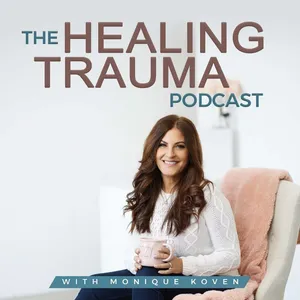
Free Daily Podcast Summary
The Healing Trauma Podcast: Daily Summaries Delivered
by Monique Koven
Get key takeaways, quotes, and insights from The Healing Trauma Podcast in a 5-minute read. Delivered straight to your inbox.
Latest Episodes
The most recent episodes — sign up to get AI-powered summaries of each one.
- 1 weeks ago38 min
Mother's Day With An Emotionally Immature Mother With Dr. Lindsay Gibson
In this replay episode, Dr. Lindsay Gibson is back just in time for Mother's Day.About our Guest: Dr. Lindsay Gibson is a clinical psychologist and the author of the Emotional Immaturity series of books, including her bestseller Adult Children of Emotionally Immature Parents.In this conversation, Monique and Lindsay discuss the complexities of navigating Mother's Day emotions, particularly for those with emotionally immature parents. They explore the conflicting feelings of grief and obligation, the importance of self-validation, and practical tips for managing relationships during this challenging time. The discussion emphasizes the need for self-care and reconnecting with one's true self to foster personal growth and healing.TakeawaysMother's Day can evoke mixed emotions, including grief and obligation.It's important to honour your own feelings during this holiday.Emotional immaturity in parents can complicate relationships.Self-validation is crucial for emotional well-being.Finding a balance between honouring a parent and honouring oneself is key.It's okay to choose how to engage with emotionally immature parents.Reconnecting with oneself is essential for personal growth.Practicing self-care can help manage emotional turmoil.Taking a pause to reflect on feelings can lead to better self-understanding.Find Lindsay's books here:Adult children of Emotionally Immature Parentshttps://amzn.to/4kpLu1lRecovering from Emotionally Immature Parents: Practical Tools to Establish Boundaries and Reclaim Your Emotional Autonomy https://amzn.to/42YKdHgSelf-Care for Adult Children of Emotionally Immature Parents: Honor Your Emotions, Nurture Your Self, and Live with Confidencehttps://amzn.to/3RTG6XXDisentangling from Emotionally Immature People: Avoid Emotional Traps, Stand Up for Your Self, and Transform Your Relationships as an Adult Child of Emotionally Immature Parentshttps://amzn.to/44qhHRoConnect with Monique on IG https://www.instagram.com/thehealingtraumapodcast/ Find a list of trauma recovery books + resources for the healing trauma journey. https://www.thehealingtraumapodcast.com/resources/ SUPPORT this podcast for the cost of a coffee. Your support is appreciated! When you buy me a coffee, your support goes towards keeping the podcast running. HERE: https://buymeacoffee.com/thehealingtraumapodcast Subscribe and watch on Youtube https://www.youtube.com/channel/UCJy4f23JvtdFuQGadOqy3PA Disclaimer: This episode and website may contains affiliate links. When you make a purchase, I may receive a small commission at no cost to you. Our Sponsors:* Check out Time4Learning: https://www.time4learning.comAdvertising Inquiries: https://redcircle.com/brandsPrivacy & Opt-Out: https://redcircle.com/privacy
- 3 weeks ago33 min
Betrayed By Your Partner With Michelle Mays
In this replay conversation, host Monique Koven is chatting with trauma therapist and author Michelle Mays. They discuss the concept of betrayal trauma, its connection to attachment theory, and how childhood trauma influences adult relationships. Michelle explains the importance of understanding betrayal trauma as a relational issue and outlines the three trauma traps that betrayed partners often face: fear of loss, shame, and powerlessness. She also introduces her six phases of healing, emphasizing that healing is a complex, non-linear process that requires individuals to confront their fears and engage in deep emotional work.Michelle's Books & Resources:The Betrayal Bind: How to Heal When the Person You Love the Most Hurts You the Worsthttps://amzn.to/3Z6P8VeThe Aftermath of Betrayal https://amzn.to/4qOveKRWhen It All Breaks Bad: 10 Things To Do (And Not Do) After Betrayal https://amzn.to/3ZDwBQi Michelle's Website: https://michellemays.com/ Find a list of trauma recovery books + resources for the healing trauma journey. https://www.thehealingtraumapodcast.com/resources/ SUPPORT this podcast for the cost of a coffee. Your support is appreciated! When you buy me a coffee, your support goes towards keeping the podcast running. HERE: https://buymeacoffee.com/thehealingtraumapodcast Subscribe and watch on Youtube https://www.youtube.com/channel/UCJy4f23JvtdFuQGadOqy3PA Disclaimer: This episode and website may contains affiliate links. When you make a purchase, I may receive a small commission at no cost to you. Our Sponsors:* Check out Time4Learning: https://www.time4learning.comAdvertising Inquiries: https://redcircle.com/brandsPrivacy & Opt-Out: https://redcircle.com/privacy
- Apr 9, 202621 min
How To Talk To Your Partner About Trauma With Elizabeth Earnshaw
In this replay conversation, therapist and author Elizabeth Earnshaw discusses the challenges faced by trauma survivors in relationships, particularly the need for understanding and effective communication with partners. She emphasizes the importance of empathy, active listening, and creating a safe space for sharing experiences. She also provides strategies for expressing needs to partners and navigating situations where partners may struggle to understand or respond appropriately. The conversation highlights the significance of persistence in communication and the potential for healing through supportive relationships.takeawaysMany trauma survivors feel isolated and misunderstood by their partners.It's essential for partners to listen and hold space for trauma survivors.Survivors need to clarify what understanding looks like for them.Empathy and compassion are crucial in supporting a loved one with trauma.Effective communication requires choosing the right time and approach.Expressing positive needs can reduce defensiveness in conversations.Partners should be responsive and curious about their loved one's experiences.It's important to gauge a partner's ability to listen and support.Persistence in communication can help partners improve their understanding.Safe relationships allow for ongoing discussions about needs and feelings.Liz's book:Til Stress Do Us Part: How to Heal the #1 Issue in Our Relationshipshttps://amzn.to/4bvmjY3Website:https://elizabethearnshaw.com/ Find a list of trauma recovery books + resources for the healing trauma journey. https://www.thehealingtraumapodcast.com/resources/ SUPPORT this podcast for the cost of a coffee. Your support is appreciated! When you buy me a coffee, your support goes towards keeping the podcast running. HERE: https://buymeacoffee.com/thehealingtraumapodcast Subscribe and watch on Youtube https://www.youtube.com/channel/UCJy4f23JvtdFuQGadOqy3PA Disclaimer: This episode and website may contains affiliate links. When you make a purchase, I may receive a small commission at no cost to you. Our Sponsors:* Check out Time4Learning: https://www.time4learning.comAdvertising Inquiries: https://redcircle.com/brandsPrivacy & Opt-Out: https://redcircle.com/privacy
- Mar 26, 202637 min
Help Me Understand Dissociation with Dr. Bethany Brand
This replay episode features Dr. Bethany Brand—author, trainer, and forensic expert in trauma and dissociative disorders. In this conversation, she answers key questions about dissociation, including the different types, levels of severity, its connection to trauma, and available treatment options. You’ll gain a clearer understanding of how dissociation impacts mental health and learn practical steps for managing it effectively. Resources & BooksThe Finding Solid Ground Program Workbook: Overcoming Obstacles in Trauma Recovery Workbook https://amzn.to/4dRavSGThe Stranger In The Mirror: The Hidden Epidemic ―A Groundbreaking Psychology Guide to Dissociation, Trauma, and Reclaiming Your True Self https://amzn.to/3PpuZIpCoping with Trauma-Related Dissociation: Skills Training for Patients and Therapists https://amzn.to/4dK0LJVDissociation Made Simple: A Stigma-Free Guide to Embracing Your Dissociative Mind and Navigating Daily Life https://amzn.to/4rVjXb4https://www.bethanybrand.com/ Find a list of trauma recovery books + resources for the healing trauma journey. https://www.thehealingtraumapodcast.com/resources/ SUPPORT this podcast for the cost of a coffee. Your support is appreciated! When you buy me a coffee, your support goes towards keeping the podcast running. HERE: https://buymeacoffee.com/thehealingtraumapodcast Subscribe and watch on Youtube https://www.youtube.com/channel/UCJy4f23JvtdFuQGadOqy3PA Disclaimer: This episode and website may contains affiliate links. When you make a purchase, I may receive a small commission at no cost to you. Our Sponsors:* Check out Time4Learning: https://www.time4learning.comAdvertising Inquiries: https://redcircle.com/brandsPrivacy & Opt-Out: https://redcircle.com/privacy
- Mar 13, 202621 min
Mother Hunger with Kelly McDaniel
In this replay conversation, psychotherapist Kelly McDaniel discusses her book 'Mother Hunger,' which explores the deep emotional needs for maternal love and the impact of unmet needs on women's lives. She explains the concept of mother hunger, the essential needs from a mother, and how these needs shape our relationships and emotional well-being. The discussion also delves into the effects of frightening mothers, the connection between food and love, and the importance of finding a compassionate witness for healing.Kelly's Book: Mother Hunger: How Adult Daughters Can Understand and Heal from Lost Nurturance, Protection, and Guidance https://amzn.to/40OFI1dWebsite: https://kellymcdanieltherapy.com/ Find a list of trauma recovery books + resources for the healing trauma journey. https://www.thehealingtraumapodcast.com/resources/ SUPPORT this podcast for the cost of a coffee. Your support is appreciated! When you buy me a coffee, your support goes towards keeping the podcast running. HERE: https://buymeacoffee.com/thehealingtraumapodcast Subscribe and watch on Youtube https://www.youtube.com/channel/UCJy4f23JvtdFuQGadOqy3PA Disclaimer: This episode and website may contains affiliate links. When you make a purchase, I may receive a small commission at no cost to you. Our Sponsors:* Check out Time4Learning: https://www.time4learning.comAdvertising Inquiries: https://redcircle.com/brandsPrivacy & Opt-Out: https://redcircle.com/privacy
- Feb 27, 202625 min
The Impact of Early Attachments on Relationships With Melissa Callahan
In this replay conversation, licensed marriage and family therapist Melissa Callahan discusses the profound impact of early attachment experiences on adult relationships. She explains attachment theory, the different attachment styles, and how early trauma can shape our perceptions of safety and trust in relationships. The discussion emphasizes the importance of creating emotional safety, understanding one's own patterns, and the journey of healing and resilience in fostering healthier relationships.Attachment theory explains how early bonds affect adult relationships.Attachment styles can be seen as threat mitigation systems.Trust issues in adulthood often stem from childhood experiences.Anxious and avoidant attachment styles often attract each other.Understanding your attachment style can improve relationship dynamics.Early trauma influences our ability to trust others.Creating safety in relationships requires vulnerability and communication.Repairing relationships after conflict is essential for security.Healing from attachment wounds takes time and effort.Resilience is often found through supportive relationships.Books mentioned: Attachedhttps://amzn.to/4r6Pfvnhttps://www.instagram.com/callahantherapy/ Find a list of trauma recovery books + resources for the healing trauma journey. https://www.thehealingtraumapodcast.com/resources/ SUPPORT this podcast for the cost of a coffee. Your support is appreciated! When you buy me a coffee, your support goes towards keeping the podcast running. HERE: https://buymeacoffee.com/thehealingtraumapodcast Subscribe and watch on Youtube https://www.youtube.com/channel/UCJy4f23JvtdFuQGadOqy3PA Disclaimer: This episode and website may contains affiliate links. When you make a purchase, I may receive a small commission at no cost to you. Our Sponsors:* Check out Time4Learning: https://www.time4learning.comAdvertising Inquiries: https://redcircle.com/brandsPrivacy & Opt-Out: https://redcircle.com/privacy
- Feb 13, 202623 min
Parenting After Childhood Trauma With Cath Counihan
In this replay conversation, psychotherapist Cath Counihan and Monique delve into the complexities of parenting when one has experienced childhood trauma. They discuss the challenges of emotional regulation, the impact of trauma adaptations, and the importance of self-compassion in navigating parenthood. The conversation emphasizes the need for understanding one's own trauma history to better support children and highlights the messiness of parenting as a shared human experience.Books Mentioned:Burnout: The Secret to Unlocking the Stress Cyclehttps://amzn.to/4qGtrq1Healing the Fragmented Selves of Trauma Survivors: Overcoming Internal Self-Alienation by Janina Fisherhttps://amzn.to/4rRJkeyTransforming The Living Legacy of Trauma: A Workbook for Survivors and Therapists by Janina Fisherhttps://amzn.to/3ZWmIxDCath's website & podcast : https://www.cathcounihan.com/https://www.cathcounihan.com/grow-yourself-up Find a list of trauma recovery books + resources for the healing trauma journey. https://www.thehealingtraumapodcast.com/resources/ SUPPORT this podcast for the cost of a coffee. Your support is appreciated! When you buy me a coffee, your support goes towards keeping the podcast running. HERE: https://buymeacoffee.com/thehealingtraumapodcast Subscribe and watch on Youtube https://www.youtube.com/channel/UCJy4f23JvtdFuQGadOqy3PA Disclaimer: This episode and website may contains affiliate links. When you make a purchase, I may receive a small commission at no cost to you. Our Sponsors:* Check out Time4Learning: https://www.time4learning.comAdvertising Inquiries: https://redcircle.com/brandsPrivacy & Opt-Out: https://redcircle.com/privacy
- Jan 31, 202632 min
Trauma & Stress Responses With Rebekkah LaDyne
In this replay conversation, host Monique Koven interviews Rebekkah LaDyne, a somatic therapist and author about her book 'The Mind Body Stress Reset.' They discuss the importance of somatic practices in managing extreme stress and trauma, emphasizing the body-mind connection. Rebecca shares her personal journey and the development of self-administered somatic tools that can help individuals navigate their stress responses and build resilience. The conversation highlights the need for accessible mental health resources and the significance of understanding trauma's impact on stress responses. takeawaysSomatic therapy focuses on the body-mind connection.Extreme stress responses require different coping strategies.Cognitive reframing is less effective for high-stress events.Self-administered somatic tools can be highly effective.Resilience pathways help individuals recover from stress.Trauma can reset our baseline stress levels.Building resilience pathways is essential for recovery.Accessible mental health resources are crucial for everyone.Mindfulness practices should be adapted to individual needs.Understanding trauma helps in managing stress responses.Book: The Mind-Body Stress Reset: Somatic Practices to Reduce Overwhelm and Increase Well-Beinghttps://amzn.to/4c4Ph2Rhttps://www.rebekkahladyne.com/ Find a list of trauma recovery books + resources for the healing trauma journey. https://www.thehealingtraumapodcast.com/resources/ SUPPORT this podcast for the cost of a coffee. Your support is appreciated! When you buy me a coffee, your support goes towards keeping the podcast running. HERE: https://buymeacoffee.com/thehealingtraumapodcast Subscribe and watch on Youtube https://www.youtube.com/channel/UCJy4f23JvtdFuQGadOqy3PA Disclaimer: This episode and website may contains affiliate links. When you make a purchase, I may receive a small commission at no cost to you. Our Sponsors:* Check out Time4Learning: https://www.time4learning.comAdvertising Inquiries: https://redcircle.com/brandsPrivacy & Opt-Out: https://redcircle.com/privacy
Get The Healing Trauma Podcast summaries in your inbox
Free AI-powered daily recaps. Key takeaways, quotes, and mentions — in a 5-minute read.
Get Free Summaries →Free forever for up to 3 podcasts. No credit card required.
You Might Also Like
Listeners also like.

Mamahood After Trauma | Trauma Informed Parenting, Emotional Regulation for Moms
Emily Cleghorn| Trauma Informed Trigger Recovery Coach for Moms

The Patrauma Party - Heal from trauma, improve self worth, and learn to love yourself, dammit
Remy Ramirez - Your Trauma Bestie️
The Trauma Therapist
Guy Crawford Macpherson
Transforming Trauma
The Complex Trauma Training Center
Get Trauma Informed Podcast
Wellness Coach Liz Blanding
Healing Doesn’t Have to Be Heavy
Angie

Healing, Unfiltered: Real Life, Real Talk, Real Healing
Healing, Unfiltered

The Healing Place Podcast
Teri Wellbrock

Victim 2 Victor: Healing Trauma & Building Real Love
Anu Verma : Victim 2 Victor - Advocate, Filmmaker & Healer
Surviving Toxic Relationships Podcast with The Matadoras
Elizabeth Jane and Deana Lynn
Conversations With a Wounded Healer
Sarah Buino, Head/Heart Business Therapy
Post Trauma Secrets & Decluttering
Valerie Huard and JM Tetreault
About The Healing Trauma Podcast
Everyone deserves to be seen, soothed, and understood. This podcast is here to light your path on the healing journey, offering empathy and hope along the way. Through conversations with trauma experts, w'ell share insights and practical support to help you heal and move forward.Disclaimer: This podcast is for information purposes only and should not be considered as legal advice.This podcast is not intended to replace professional medical and mental health advice. Guest view's do not necessarily reflect that of the host or podcast. As an amazon affiliate, when you make a purchase, I receive a tiny amount.
Customized Recaps
AI-powered recaps with compact key takeaways, quotes, and insights.
Straight to Your Inbox
Get key takeaways from The Healing Trauma Podcast in a 5-minute read.
Save Hours Every Week
Stay current on your favorite podcasts without falling behind.
Frequently Asked Questions
What is Podzilla's The Healing Trauma Podcast daily summary?
It's a free AI-powered email that summarizes new episodes of The Healing Trauma Podcast as soon as they're published. You get the key takeaways, notable quotes, and links & mentions — all in a quick read.
How does the The Healing Trauma Podcast podcast summary work?
When a new episode drops, our AI transcribes and analyzes it, then generates a personalized summary tailored to your interests and profession. It's delivered to your inbox every morning.
Is this an official The Healing Trauma Podcast product?
No. Podzilla is an independent service that summarizes publicly available podcast content. We're not affiliated with or endorsed by Monique Koven.
Can I get summaries of other podcasts too?
Absolutely! The free plan covers up to 3 podcasts. Upgrade to Pro for 15, or Premium for 50. Browse our full catalog at /podcasts.
How often does The Healing Trauma Podcast release new episodes?
The Healing Trauma Podcast publishes biweekly. Our AI generates a summary within hours of each new episode.
What topics does The Healing Trauma Podcast cover?
The Healing Trauma Podcast covers topics including Education, Fitness, Health & Fitness, Alternative, Self-Improvement. Our AI identifies the specific themes in each episode and highlights what matters most to you.
Start getting The Healing Trauma Podcast summaries tomorrow morning.
Free forever for up to 3 podcasts. No credit card required.
Free forever for up to 3 podcasts. No credit card required.