Free Daily Podcast Summary
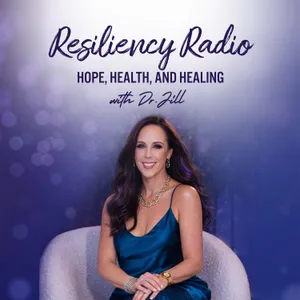
Resiliency Radio with Dr. Jill Carnahan, MD: Daily Summaries Delivered
by Dr. Jill Carnahan
Dr. Jill Carnahan, MD, ABIHM, ABoIM, IFMCP is a globally recognized leader in functional and integrative medicine, specializing in complex chronic illness, environmental toxicity, immune dysfunction, and resilience-based healing. She is dually board-certified and the founder and Medical Director of Flatiron Functional Medicine in Colorado, where she practices personalized precision medicine using advanced diagnostics and systems-based, root-cause care. A survivor of breast cancer, Crohn's disease, and severe mold-related illness, Dr. Jill brings both scientific expertise and lived experience to her work—bridging cutting-edge medical research with compassionate, patient-centered care. Her clinical approach focuses on restoring physiological resilience, optimizing immune and metabolic function, and supporting long-term health through individualized, evidence-informed protocols. Dr. Jill is the best-selling author of Unexpected: Finding Resilience Through Functional Medicine, Science, a
Latest Episodes
The most recent episodes — sign up to get AI-powered summaries of each one.
- 2 days ago58 min
336: Resiliency Radio with Dr. Jill: Mold Toxicity, TPE & Finding Hope with Jenny McCarthy
Jenny McCarthy joins Dr. Jill to share her deeply personal battle with mold toxicity, from severe brain fog and gut issues to infections, eye problems, and debilitating pain. They explore how she finally identified mold as a potential trigger, why conventional detox strategies weren't enough for her, and her experience turning to Therapeutic Plasma Exchange (TPE). 🔑 5 Key Discussions ① 🧠 The Hidden Signs of Mold Toxicity Jenny shares how brain fog, word-finding problems, fatigue, SIBO, food sensitivities, infections, and severe pain eventually led her to investigate mold. ② 🏠 Finding the Environmental Trigger Her investigation pointed toward years spent in an old dressing room with aging air conditioning, demonstrating how mold exposure isn't always obvious. ③ 🩸 Therapeutic Plasma Exchange (TPE) After months of detox protocols, Jenny turned to TPE, a procedure that removes and replaces plasma, which Dr. Jill describes as an "oil change" for the blood. ④ 🦠 Environment, Immunity & Post-Viral Health Dr. Jill and Jenny discuss how environmental toxins and post-COVID immune changes may compound chronic illness and make recovery more complex. ⑤ 🙏 Faith, Hope & Purpose Jenny shares how faith helped her persevere through years of illness and inspired her to use her experience to help others searching for answers. ⭐ Key Takeaways 🔹 Mold-related illness can present with cognitive, gastrointestinal, immune, skin, eye, and pain symptoms. 🔹 Identifying and addressing ongoing environmental exposure is an important part of Jenny's story. 🔹 TPE may be considered in specialized settings when conventional approaches haven't produced sufficient progress. 🔹 Complex environmental illness can involve multiple factors affecting detoxification and immune function. 🔹 Jenny's experience emphasizes persistence, self-advocacy, faith, and continuing to search for answers. 👩 Guest Biography Jenny McCarthy is an actress, comedian, television host, New York Times bestselling author, entrepreneur, and health advocate. She has appeared across television and film and has served as a judge on The Masked Singer. In this episode, Jenny shares her personal experience with mold-related illness and the treatments she has pursued. She is also the founder of Formless Beauty, an EWG-verified clean beauty brand created with ingredient-conscious consumers in mind. Formless Beauty: https://formlessbeauty.com/ Discount Code: JENNY10
- 6 days ago1h 3m
335: Resiliency Radio with Dr. Jill: The Cell Membrane: Your Body's Power Grid with Bob Miller
What if mitochondria aren't the beginning of the cellular energy story? Dr. Jill welcomes back Bob Miller to explore the cell membrane as the body's power grid and how cardiolipin, ATP, oxidative stress, genetics, and membrane damage may influence energy, inflammation, neurological function, and complex chronic illness. 🔑 5 Key Discussions ① ⚡ The Cell Membrane How the phospholipid membrane controls nutrients, toxins, communication, and cellular energy. ② 🔋 Cardiolipin & ATP Why cardiolipin helps stabilize mitochondrial energy production—and what happens when it becomes damaged. ③ 🔥 Lipid Peroxidation How oxidative stress can damage cellular membranes and create a cycle of worsening mitochondrial dysfunction. ④ 🧠 ATP, Calcium & Neurotransmitters How impaired cellular energy can disrupt calcium regulation, glutamate clearance, GABA signaling, and nervous system balance. ⑤ 🧬 Genetics & Environmental Triggers How genetic vulnerabilities may interact with mold, Lyme disease, inflammation, toxins, and other stressors to affect mitochondrial resilience. ⭐ Key Takeaways 🔹 Cell membranes are essential for energy, communication, nutrient transport, and cellular regulation. 🔹 Cardiolipin plays a critical role in maintaining the mitochondrial electron transport chain and ATP production. 🔹 Lipid peroxidation may create a vicious cycle of membrane damage, oxidative stress, and declining mitochondrial function. 🔹 Low ATP can affect calcium balance, ion transport, neurotransmitters, immune function, and cellular repair. 🔹 Protecting and restoring cellular membranes may be an important foundational strategy in complex chronic illness. 👨⚕️ Guest Biography Bob Miller is a Traditional Naturopath specializing in genetic-specific nutrition and functional nutritional genetics. He has spent decades researching the connections between genetic variants, nutrition, mitochondrial pathways, and complex chronic illness. Bob is the founder of the NutriGenetic Research Institute and has trained hundreds of healthcare professionals in genetic nutrition and personalized approaches to health. Tree of Life Health: https://tolhealth.com/ Functional Genomic Analysis: https://functionalgenomicanalysis.com/
- 1 weeks ago48 min
334: Resiliency Radio with Dr. Jill: Childhood Immunity & Lifelong Health with Dr. Somer DelSignore
In this episode of Resiliency Radio with Dr. Jill, Dr. Jill Carnahan welcomes pediatric integrative medicine expert Dr. Somer DelSignore to explore why childhood immune health may have profound implications for lifelong health and disease risk. As chronic illness, immune dysfunction, behavioral challenges, and neurodevelopmental conditions become increasingly complex in children, Dr. DelSignore explains why symptoms shouldn't always be viewed in isolation. Instead, she investigates the interconnected roles of inflammation, infections, gut health, environmental toxins, nutrition, genetics, and immune regulation. Together, they explore her R.E.S.E.T. Protocol, the potential biomedical drivers behind conditions such as ADHD and PANS/PANDAS, the importance of investigating mold and vector-borne infections, and practical ways parents can help build greater immune resilience in their children. 🔑 5 Key Discussions ① 🛡️ Why Childhood Immune Resilience Matters ⇨ Dr. DelSignore describes seeing increasingly complex chronic conditions in children whose immune systems appear to remain in a persistent state of dysregulation. ⇨ Modern environmental exposures, processed foods, infections, stressors, and lifestyle changes may interact with individual biology and influence long-term health. ② 🔄 The R.E.S.E.T. Protocol & Root-Cause Medicine ⇨ Dr. DelSignore uses her R.E.S.E.T. framework: Reduce Inflammation, Eliminate Toxins, Support Gut Health, Eradicate Infection, Transform Health. ⇨ Rather than treating each symptom independently, the approach looks for connections between immune function, neurological health, gastrointestinal health, infections, and environmental exposures. ③ 🧠 ADHD, PANS/PANDAS & the Brain-Immune Connection ⇨ Behavioral and neuropsychiatric symptoms may sometimes have underlying biomedical contributors that deserve investigation. ⇨ Dr. DelSignore discusses the potential roles of inflammation, infections, toxins, and immune activation in children presenting with ADHD, anxiety, depression, PANS/PANDAS, and other complex symptoms. ④ 🦠 Infections, Mold & Environmental Exposures ⇨ Her evaluation considers mold, heavy metals, VOCs, plastics, and other potential environmental exposures alongside a child's medical history. ⇨ She also investigates infections including Strep, EBV, HHV-6, Borrelia, Babesia, and Bartonella when clinically relevant to a child's presentation. ⑤ 🌱 Building Healthier, More Resilient Kids ⇨ Whole foods, gut health, thoughtful supplementation, reducing unnecessary exposures, and appropriate testing can all form part of an individualized approach. ⇨ Free play, outdoor activity, exploration, and meaningful human connection are also important components of healthy neurological and immune development. ⭐ Key Takeaways 🔹 Childhood symptoms should be considered within the context of the whole child rather than as isolated diagnoses. 🔹 Immune dysfunction and chronic inflammation may contribute to both physical and neurological symptoms. 🔹 Gut health is closely connected to immune regulation and systemic inflammation. 🔹 Mold, environmental toxins, and chronic infections may be important factors to investigate in complex pediatric illness. 🔹 Conditions such as PANS/PANDAS highlight the important relationship between infection, immunity, and the brain. 🔹 Diet changes are often most sustainable when introduced gradually, especially with picky eaters. 🔹 Root-cause medicine seeks to understand why symptoms are occurring rather than focusing solely on suppressing them. 🔹 Supporting immune resilience early in life may help create a stronger foundation for lifelong health. 👩⚕️ Guest Biography Dr. Somer DelSignore is a pediatric board-certified provider, Fellow at MAPS and AAOT, and a member of ILADS and SSRP. Inspired to combine the depth of integrative care with the precision of medical science, she created the R.E.S.E.T. Protocol to address the root causes of pediatric and congenital illness. Her graduate and doctorate studies at PENN and SUNY Upstate Medical University, combined with integrative medicine internships with world-renowned experts, have helped establish her expertise in developing precision-based treatment plans for children with neuro-immune conditions, chronic illness, and congenital vector-borne diseases. Dr. DelSignore is the Founder and CEO of Hudson Valley Integrative Health and Wholesome Root Nutraceuticals in Beacon, New York, where her work focuses on identifying the complex factors contributing to pediatric illness and helping children build greater health and resilience. 🌐 Website: https://www.hudsonvalleyintegrativehealth.com/ 💼 LinkedIn: <a href= "https://www.linkedin.com/in/somerdels
- 1 weeks ago36 min
333: Resiliency Radio with Dr. Jill: Vision as a Gateway: How to Optimize Focus & Resilience with Dr. Meenal Agarwal
In this episode of Resiliency Radio with Dr. Jill, Dr. Jill Carnahan welcomes board-certified optometrist and spatial awareness expert Dr. Meenal Agarwal for a fascinating look at how our eyes can provide a window into brain health, cognitive function, metabolic health, and overall resilience. Drawing from her own childhood diagnosis of glaucoma, Dr. Agarwal explains why healthy vision goes far beyond seeing 20/20. Together, they explore the relationship between the retina and brain, the effects of excessive screen time, peripheral vision and spatial awareness, blue light, cognitive decline, and emerging tools such as Optical Coherence Tomography (OCT). Most importantly, Dr. Agarwal shares practical strategies—from morning sunlight and the 20-20-20 rule to nutrition and outdoor movement—that can help protect vision, sharpen focus, and support lifelong brain health. 🔑 5 Key Discussions ① 👁️ The Eyes as a Window Into Brain & Systemic Health ⇨ The retina is embryologically brain tissue, while the optic nerve is part of the central nervous system, creating a powerful connection between vision and neurological health. ⇨ Because the eyes contain a dense vascular network, changes in eye health may provide valuable clues about metabolic dysfunction, vascular health, and neurodegenerative processes. ② 🧠 Why Healthy Vision Goes Beyond 20/20 ⇨ A standard 20/20 eye test evaluates only a small central portion of vision and doesn't capture the full picture of visual function. ⇨ Peripheral vision and spatial awareness engage important areas of the brain involved in navigation, problem-solving, movement, and our ability to interact confidently with the world around us. ③ 📱 Screen Time, Blue Light & the "Flat World" ⇨ Constant close-up screen use keeps the visual system focused on a flat, narrow environment and may contribute to eye strain and reduced engagement with peripheral vision. ⇨ Dr. Agarwal explains that blue light itself isn't proven to cause diseases such as glaucoma, but prolonged screen exposure can contribute to visual fatigue and disruption of healthy visual habits. ④ 🥬 Protecting Vision Through Everyday Habits ⇨ Morning sunlight helps regulate circadian rhythms, neurotransmitters, hormones, and healthy wakefulness. ⇨ The 20-20-20 rule—every 20 minutes, look approximately 20 feet away for 20 seconds—gives the eyes a break from sustained near-focus. ⇨ Leafy greens rich in lutein and zeaxanthin, antioxidant-rich berries, and omega-3 fatty acids can provide nutritional support for retinal and overall eye health. ⑤ 🔬 Vision, Cognitive Decline & the Future of Eye Exams ⇨ Poor or uncorrected vision may compound cognitive challenges by reducing the quality of information being delivered to and processed by the brain. ⇨ Technologies such as Optical Coherence Tomography (OCT) allow clinicians to examine detailed retinal structures and may become increasingly valuable in identifying changes associated with neurological and neurodegenerative disease. ⭐ Key Takeaways 🔹 Vision health is closely connected to brain, vascular, metabolic, and neurological health. 🔹 Seeing 20/20 doesn't necessarily mean your entire visual system is functioning optimally. 🔹 Peripheral vision and spatial awareness are important components of cognitive function and resilience. 🔹 Excessive close-up screen use can contribute to visual fatigue and limit engagement with the wider environment. 🔹 Natural morning light can support both circadian rhythm and healthy brain function. 🔹 Follow the 20-20-20 rule to reduce the strain associated with prolonged near-focus. 🔹 Support eye health with leafy greens, berries, omega-3-rich foods, movement, and time outdoors. 🔹 Comprehensive eye examinations and technologies such as OCT may reveal important information that extends far beyond eyesight. 👩⚕️ Guest Biography Dr. Meenal Agarwal is a board-certified optometrist and spatial awareness expert who takes a holistic approach to vision as a gateway to brain health, focus, and overall well-being. She integrates optometry, neuroscience, and lifestyle medicine to explore the root causes of visual problems and their potential impact on cognition, neurodegeneration, and everyday performance. A vocal advocate for reducing digital overload, Dr. Agarwal helps people restore sharper focus, balance, spatial awareness, and presence in an increasingly screen-driven world. Dr. Agarwal owns three thriving practices in the Greater Toronto Area and specializes in dry eye therapy, myopia control, and laser vision correction. She is also the host of Uncover Your Eyes: The Truth About Health & Wellness, and her insights have been featured in TIME, Forbes, and Fox News. Her upcoming book, Stuck in a Flat World, explores how modern visual habits affect
- 2 weeks ago43 min
332: Resiliency Radio with Dr. Jill: Infections & the Brain: The Overlooked Drivers of Chronic Inflammation with Nikki Schultek
In this episode of Resiliency Radio with Dr. Jill, Dr. Jill Carnahan sits down with researcher and collaboration architect Nikki Schultek to explore an often-overlooked contributor to chronic disease: persistent infections and their impact on inflammation, immunity, and the brain. Drawing from her own experience with severe chronic illness, Lyme disease, Chlamydia pneumoniae, and autoimmunity, Nikki shares how her personal health journey led her into research and a mission to connect scientific disciplines that too often operate in isolation. Together, they explore the emerging concept of the pathobiome, the potential infectious drivers of Alzheimer's and other neurodegenerative diseases, the challenges of diagnosing persistent infections, and why understanding the body as an interconnected ecosystem could transform the future of chronic illness research and treatment. 🔑 5 Key Discussions ① 🦠 Chronic Infections as Hidden Drivers of Disease ⇨ Persistent infections may play an overlooked role in autoimmune disease, chronic fatigue, asthma, neurological illness, and other complex chronic conditions. ⇨ Pathogens including Lyme-associated organisms, Chlamydia pneumoniae, Mycoplasma, Epstein-Barr virus, Bartonella, and Babesia may persist or reactivate under certain conditions rather than behaving solely as short-lived infections. ② 🧠 The Brain Is Part of a Larger Ecosystem ⇨ Brain health cannot be separated from immune function, systemic inflammation, the gut, environmental exposures, and infectious burden. ⇨ Emerging research challenges the traditional view of the brain as an isolated, sterile environment and raises important questions about microbes, immune activity, and chronic neuroinflammation. ③ 🔬 Rethinking Alzheimer's & Neurodegeneration ⇨ Researchers are investigating whether infections and immune responses may contribute to diseases such as Alzheimer's and Multiple Sclerosis. ⇨ The Alzheimer's Pathobiome Initiative is bringing researchers together to investigate whether amyloid plaques, tau changes, and other features of neurodegeneration may be connected to microbial activity and the body's response to infection. ④ 🧬 Understanding the Pathobiome ⇨ The pathobiome expands beyond simply identifying which microorganisms are present—it considers the relationship between microbes, the host immune system, hormones, environmental exposures, and the body's overall terrain. ⇨ Disease may emerge when changes in this ecosystem allow normally controlled or latent organisms to proliferate, reactivate, or provoke damaging immune responses. ⑤ 🤝 Building a New Model for Chronic Illness Research ⇨ Complex illnesses rarely fit neatly into one medical specialty, making collaboration between immunologists, neurologists, infectious disease researchers, clinicians, and other experts essential. ⇨ Nikki's work as a collaboration architect focuses on breaking down scientific silos and accelerating the translation of emerging research into meaningful clinical understanding. ⭐ Key Takeaways 🔹 Chronic infections may be important but frequently overlooked contributors to complex chronic illness. 🔹 Brain inflammation can be influenced by immune dysfunction and processes occurring throughout the body. 🔹 Chlamydia pneumoniae and other atypical pathogens deserve greater attention when investigating persistent illness. 🔹 Current testing may not always clearly distinguish between historical exposure and clinically relevant persistent infection. 🔹 COVID-19 may disrupt immune function and potentially contribute to the reactivation of latent infections. 🔹 The pathobiome provides a broader framework for understanding interactions between microbes, immunity, environment, and disease. 🔹 Infectious and immune mechanisms are increasingly being investigated in Alzheimer's and other neurodegenerative conditions. 🔹 Collaboration across scientific disciplines will be critical for advancing research into complex chronic disease. 👩🔬 Guest Biography Nikki Schultek is the Executive Director of the Alzheimer's Pathobiome Initiative (AlzPI), Principal Founder of Intracell Research Group, LLC, and Founding Director of the Pathobiome Research Center at the Philadelphia College of Osteopathic Medicine (PCOM). After earning a BS in Business Administration from Villanova University, Nikki began her career with Pfizer and Genentech. Her professional direction changed following her own recovery from Lyme disease and other chronic infections, inspiring her to focus on advancing research into infection-associated chronic illnesses, including Alzheimer's disease, PANDAS/PANS, and asthma. Since founding Intracell Research Group in 2017, Nikki has built global collaborations connecting researchers, clinicians, academic institutions, and other sta
- 3 weeks ago56 min
331: Resiliency Radio with Dr. Jill: Immune Resilience: The Future of Longevity with Dr. Isaac Melamed
In this episode of Resiliency Radio with Dr. Jill, Dr. Jill Carnahan welcomes renowned immunologist Dr. Isaac Melamed for a fascinating exploration of the immune system and its powerful influence on whole-body health, resilience, and longevity. Dr. Melamed explains why the immune system is far more than our defense against infections. Its intricate connections with the brain, nervous system, mitochondria, environment, and even our emotional experiences may help explain everything from autoimmunity and chronic pain to cognitive decline, Long COVID, allergies, and cancer. Together, they explore the emerging science of neuroimmunology, immune aging, IVIG, epigenetics, and a new vision for proactive "Immuno Wellness" focused on identifying dysfunction before it progresses into disease. 🔑 5 Key Discussions ① 🧠 The Neuroimmune Connection ⇨ The nervous and immune systems constantly communicate, creating a powerful connection between immune function and brain health. ⇨ Infections and immune activation may contribute to neurological, psychiatric, and cognitive symptoms, including those seen with Long COVID. ② 🛡️ Immune Dysfunction & Chronic Disease ⇨ Immune dysfunction extends far beyond traditional autoimmune disease and can influence infections, chronic pain, cognitive decline, allergies, and cancer. ⇨ Conditions such as Common Variable Immune Deficiency (CVID) may present in diverse and unexpected ways, making deeper immune evaluation important. ③ 💉 IVIG & Immune Modulation ⇨ Intravenous Immunoglobulin (IVIG) can both replace missing antibodies and help modulate abnormal immune responses. ⇨ Its use in conditions such as Kawasaki disease and Guillain-Barré syndrome demonstrates the therapeutic potential of influencing the immune system even when every underlying mechanism isn't fully understood. ④ 🧬 Stress, Environment & Epigenetics ⇨ Genetics aren't the entire story. Stress, nutrition, infections, environmental exposures, and lifestyle can influence gene expression and immune behavior. ⇨ Childhood stress and other environmental triggers may contribute to persistent immune activation and potentially increase susceptibility to autoimmune disease later in life. ⑤ 🔬 The Future of Immune Resilience & Longevity ⇨ Emerging research is expanding beyond B and T cells to investigate mast cells, complement, innate immunity, mitochondria, biologics, immunotherapy, and immune aging. ⇨ Dr. Melamed's concept of Immuno Wellness shifts the focus toward prevention—understanding immune health early rather than waiting until significant disease develops. ⭐ Key Takeaways 🔹 The immune system is deeply interconnected with the brain and nervous system. 🔹 Chronic illness may involve multiple interacting components of immunity rather than one isolated abnormality. 🔹 Immune deficiencies can present differently between patients and throughout a person's lifetime. 🔹 IVIG can provide both immune replacement and immune-modulating effects. 🔹 Stress, infections, nutrition, lifestyle, and environmental exposures can influence immune function through epigenetic mechanisms. 🔹 Immune aging may contribute to declining immune memory and resilience as we get older. 🔹 Listening carefully to patients—and taking unexplained symptoms seriously—is essential when investigating complex immune disorders. 🔹 The future of longevity may include proactively measuring and supporting immune resilience before disease develops. 👨⚕️ Guest Biography Dr. Isaac Melamed is a nationally recognized immunologist, physician, and researcher with more than 35 years of clinical experience and over two decades dedicated to advancing the understanding of immune-related diseases. As the founder of Veros Health, Dr. Melamed is known for his pioneering work in primary and secondary immune deficiencies and for exploring the critical relationship between the immune system and nervous system. He has authored more than 100 scientific publications, lectured internationally, and received numerous honors for his contributions to clinical immunology. Through his innovative, patient-centered approach, Dr. Melamed is committed to identifying immune dysfunction early, investigating the underlying drivers of disease, and developing proactive strategies that help patients achieve greater health, resilience, and longevity. https://www.drmeenal.com/ https://www.facebook.com/meenalagarwaldr?mibextid=LQQJ4d https://www.instagram.com/dr.meenalagarwal/?hl=en https://www.threads.com/@dr.meenalagarwal </
- Aug 19, 202627 min
330: Resiliency Radio with Dr. Jill: Perimenopause: The Silent Fertility Disrupter with Dr. Jaime Knopman
In this episode of Resiliency Radio with Dr. Jill, Dr. Jill Carnahan welcomes reproductive endocrinologist and fertility specialist Dr. Jaime Knopman to explore the often-overlooked connection between perimenopause, fertility decline, and reproductive health. With infertility now affecting an estimated one in six people worldwide, Dr. Knopman explains why fertility should be treated as an essential marker of women's health—not a conversation that begins only when someone is ready to become pregnant. Together, they discuss ovarian reserve, AMH testing, egg freezing, delayed motherhood, fertility after cancer treatment, and what women need to understand about their reproductive timeline. Whether you're planning a family now, considering pregnancy later, or entering perimenopause, this conversation provides practical insights to help you make informed decisions about fertility and your future. 🔑 5 Key Discussions ① 🧬 Perimenopause & the Fertility Window ⇨ Fertility naturally declines with age, even while menstrual cycles and ovulation may continue during perimenopause. ⇨ Understanding your reproductive timeline earlier gives you more options for future family planning. ② 🥚 Egg Freezing & Fertility Preservation ⇨ Egg freezing can provide an important option for women delaying pregnancy or facing treatments that may affect fertility. ⇨ Fertility preservation is increasingly becoming part of proactive reproductive healthcare rather than something considered only after a medical diagnosis. ③ 🧪 Understanding AMH & Ovarian Reserve ⇨ AMH blood testing and antral follicle counts can help estimate the quantity of eggs remaining in the ovaries. ⇨ Ovarian reserve reflects egg quantity—not egg quality—and results must always be interpreted alongside age and medical history. ④ 🌿 What Really Influences Fertility? ⇨ Age remains one of the most important factors, but metabolic health, sleep, smoking, genetics, diet, and environmental exposures may also influence reproductive health. ⇨ Severe menstrual symptoms should never simply be dismissed, as they may signal underlying conditions affecting fertility. ⑤ 🔬 The Future of Fertility Medicine ⇨ Artificial intelligence and advances in embryo genetic screening are helping fertility specialists improve treatment selection and outcomes. ⇨ Better testing, earlier education, and personalized fertility planning are giving women greater reproductive autonomy. ⭐ Key Takeaways 🔹 Fertility should be considered an important marker of women's overall health. 🔹 Perimenopause does not mean pregnancy is impossible. 🔹 Age remains one of the most significant factors affecting egg quality and fertility. 🔹 AMH measures ovarian reserve but does not independently predict whether a woman can become pregnant. 🔹 Fertility preservation can provide women with more options when delaying parenthood. 🔹 Earlier education allows women to make more informed decisions about their reproductive future. 👩⚕️ Guest Biography Dr. Jaime Knopman is a double board-certified reproductive endocrinologist and infertility specialist and serves as Director of Fertility Preservation at CCRM Fertility of New York. A graduate of the University of Pennsylvania and the Icahn School of Medicine at Mount Sinai, Dr. Knopman completed her residency and fellowship training at NYU Medical Center. She is nationally recognized for her expertise in reproductive endocrinology, IVF, egg freezing, fertility preservation, and reproductive care for patients facing cancer treatment. Dr. Knopman has authored landmark research on fertility preservation for cancer patients and has been consistently recognized as a New York Super Doctor, Castle Connolly Top Doctor, and New York Magazine Top Doctor. She also serves as Medical Director of Chick Mission and on the advisory boards of CoFertility and The Breasties, helping expand fertility education, advocacy, and access to reproductive care. 🌐 Website: https://drjaimeknopman.com/ 📸 Instagram: https://www.instagram.com/drjaimeknopman/
- Aug 12, 202649 min
329: Resiliency Radio with Dr. Jill: The Hidden Drivers of Brain Diseases with Dr. David Perlmutter
In this episode of Resiliency Radio with Dr. Jill, Dr. Jill Carnahan welcomes renowned neurologist and bestselling author Dr. David Perlmutter to explore the emerging science behind brain health, neuroinflammation, and cognitive resilience. Drawing from his groundbreaking new book, Brain Defenders, Dr. Perlmutter explains how microglia—the brain's immune cells—play a central role in protecting or damaging the brain depending on our metabolism, lifestyle, and environment. Together they discuss why Alzheimer's and Parkinson's disease begin decades before symptoms appear, why inflammation and insulin resistance are major drivers of neurodegeneration, and what we can do today to protect lifelong brain health. Whether you're concerned about memory loss, dementia prevention, or optimizing cognitive performance, this episode offers science-backed strategies to build a healthier, more resilient brain. 🔑 5 Key Discussions ① 🧠 Microglia: The Brain's Defenders ⇨ Microglia protect neurons, maintain synapses, and defend the brain from injury and infection. ⇨ Chronic inflammation can transform these protective cells into drivers of Alzheimer's, Parkinson's, and cognitive decline. ② 🔥 Immunometabolism & Brain Health ⇨ Blood sugar, insulin resistance, inflammation, and metabolism directly influence how microglia function. ⇨ Improving metabolic health helps create a brain environment that supports healing rather than degeneration. ③ 🥗 Lifestyle Shapes Brain Destiny ⇨ Nutrition, exercise, sleep, stress management, and social connection have profound effects on brain health. ⇨ Healthy daily habits can dramatically reduce the risk of neurodegenerative disease—even with genetic risk factors like APOE4. ④ ⚠️ Looking Beyond Amyloid ⇨ Current Alzheimer's treatments targeting amyloid offer limited benefit while failing to address upstream causes. ⇨ Prevention begins by reducing inflammation, supporting metabolism, and protecting brain immunity years before symptoms develop. ⑤ 🌱 Protecting the Aging Brain ⇨ Key strategies include optimizing vitamin D, omega-3 fatty acids, B vitamins, blood sugar, exercise, and toxin reduction. ⇨ Supporting microglial health may become one of the most important approaches to lifelong cognitive resilience. ⭐ Key Takeaways 🔹 Brain health begins with metabolic and immune health. 🔹 Chronic inflammation is a major driver of cognitive decline. 🔹 Microglia can either protect or damage the brain depending on lifestyle factors. 🔹 Exercise, nutrition, sleep, and social connection support lifelong brain resilience. 🔹 Prevention offers the greatest opportunity to reduce Alzheimer's and Parkinson's risk. 👨⚕️ Guest Biography Dr. David Perlmutter is a board-certified neurologist, Fellow of the American College of Nutrition, and six-time New York Times bestselling author specializing in the intersection of neurology, nutrition, and brain health. His internationally acclaimed books—including Grain Brain—have been published in more than 30 languages and have transformed how millions understand the connection between lifestyle, metabolism, and cognitive health. Dr. Perlmutter serves on the Editorial Board of the Journal of Alzheimer's Disease and lectures worldwide on neurodegeneration, inflammation, nutrition, and longevity. His newest book, Brain Defenders, explores the vital role of microglia—the brain's immune cells—in protecting, repairing, and reprogramming the brain for lifelong cognitive resilience. 🌐 Website: https://drperlmutter.com/ 📘 Brain Defenders: http://braindefenders.com/ 📸 Instagram: https://www.instagram.com/davidperlmutter/ ▶️ YouTube: https://www.youtube.com/user/DavidPerlmutterMD 𝕏 X: https://x.com/davidperlmutter
About Resiliency Radio with Dr. Jill Carnahan, MD
Dr. Jill Carnahan, MD, ABIHM, ABoIM, IFMCP is a globally recognized leader in functional and integrative medicine, specializing in complex chronic illness, environmental toxicity, immune dysfunction, and resilience-based healing. She is dually board-certified and the founder and Medical Director of Flatiron Functional Medicine in Colorado, where she practices personalized precision medicine using advanced diagnostics and systems-based, root-cause care. A survivor of breast cancer, Crohn's disease, and severe mold-related illness, Dr. Jill brings both scientific expertise and lived experience to her work—bridging cutting-edge medical research with compassionate, patient-centered care. Her clinical approach focuses on restoring physiological resilience, optimizing immune and metabolic function, and supporting long-term health through individualized, evidence-informed protocols. Dr. Jill is the best-selling author of Unexpected: Finding Resilience Through Functional Medicine, Science, a
Customized Recaps
AI-powered recaps with compact key takeaways, quotes, and insights.
Straight to Your Inbox
Get key takeaways from Resiliency Radio with Dr. Jill Carnahan, MD in a 5-minute read.
Save Hours Every Week
Stay current on your favorite podcasts without falling behind.
Frequently Asked Questions
What is Podzilla's Resiliency Radio with Dr. Jill Carnahan, MD daily summary?
It's a free AI-powered email that summarizes new episodes of Resiliency Radio with Dr. Jill Carnahan, MD as soon as they're published. You get the key takeaways, notable quotes, and links & mentions — all in a quick read.
How does the Resiliency Radio with Dr. Jill Carnahan, MD podcast summary work?
When a new episode drops, our AI transcribes and analyzes it, then generates a personalized summary tailored to your interests and profession. It's delivered to your inbox every morning.
Is this an official Resiliency Radio with Dr. Jill Carnahan, MD product?
No. Podzilla is an independent service that summarizes publicly available podcast content. We're not affiliated with or endorsed by Dr. Jill Carnahan.
Can I get summaries of other podcasts too?
Absolutely! The free plan covers up to 3 podcasts. Upgrade to Pro for 15, or Premium for 50. Browse our full catalog at /podcasts.
How often does Resiliency Radio with Dr. Jill Carnahan, MD release new episodes?
Resiliency Radio with Dr. Jill Carnahan, MD publishes weekly. Our AI generates a summary within hours of each new episode.
What topics does Resiliency Radio with Dr. Jill Carnahan, MD cover?
Resiliency Radio with Dr. Jill Carnahan, MD covers topics including Fitness, Health & Fitness, Alternative. Our AI identifies the specific themes in each episode and highlights what matters most to you.
Start getting Resiliency Radio with Dr. Jill Carnahan, MD summaries tomorrow morning.
Free forever for up to 3 podcasts. No credit card required.
Free forever for up to 3 podcasts. No credit card required.