Free Daily Podcast Summary
PA Mindset Matters: Daily Summaries Delivered
by jspissinger
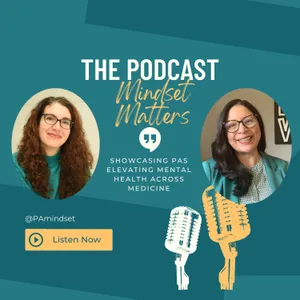
At PA Mindset Matters, we shine a spotlight on exceptional PAs who are making a difference in mental health across all specialties. Our podcast and webinars are designed to connect and inspire the PA workforce—whether you’re a psych PA or a PA in primary care, emergency medicine, or any specialty—by providing practical insights and resources to integrate behavioral health into your practice. Together, we’re building a stronger, more connected community to raise each other up and deliver better patient care.
Latest Episodes
The most recent episodes — sign up to get AI-powered summaries of each one.
- 6 days ago29 min
Mini Mindset: Substance Use Disorder — Opening the Door to Better Care
You don’t have to work in addiction medicine to care for patients with substance use disorders. Substance use shows up across healthcare—from psychiatry and primary care to emergency medicine, pediatrics, and hospital settings—and it often intersects with anxiety, insomnia, trauma, depression, chronic pain, and relationship stress. In this Mini Mindset episode, Jessica Spissinger and Mercedes Dodge break down practical ways clinicians can recognize substance use disorder, reduce stigma, and feel more confident starting the conversation. In this episode, we discuss: • Why shifting from “Why won’t you stop?” to “What is this substance doing for you?” can change the clinical encounter • The 4 Cs of substance use disorder: control, craving, compulsion, and consequences • How SBIRT can help clinicians screen, intervene, and connect patients with treatment • Using motivational interviewing to move from judgment to curiosity • Evidence-based treatment options for alcohol and opioid use disorders • Harm reduction and the importance of meeting patients where they are • Why alcohol and sedative withdrawal require careful safety assessment • The role of therapy, contingency management, peer support, and other recovery resources Substance use disorder is not a failure of willpower. It is a treatable medical condition influenced by biology, environment, learning, trauma, relationships, and the brain’s reward system. And treatment does not always begin in an addiction clinic. Sometimes it begins with one clinician asking the right question and creating a safe space for an honest conversation. Listen now and follow PA Mindset Matters for more Mini Mindset episodes translating psychiatry, behavioral health, and neuroscience into practical clinical care.
- 1 weeks ago39 min
Bridging the Gap in Addiction Medicine with Arianna Campbell
What happens when we identify opioid use disorder—but the patient still can’t access treatment? In this episode of PA Mindset Matters, Mercedes Dodge and Jessica Spissinger sit down with Arianna Campbell, DMSc, MPH, PA-C, CAQ-EM, DFAAPA, a PA with more than 25 years of emergency medicine experience and nearly a decade working in addiction medicine and healthcare systems change. Arianna shares how a simple question in the emergency department—What are we actually going to do when we identify opioid use disorder?—helped launch work that eventually grew into California Bridge and expanded addiction treatment access across hospitals and communities. We discuss: • Buprenorphine and evidence-based opioid use disorder treatment • Why opioid withdrawal should be treated as a time-sensitive condition • CA Bridge Connect and making treatment easier to find • Stigma, harm reduction, and changing healthcare culture • The role of PAs in addiction medicine • The developing Addiction Medicine CAQ pathway • Why systems change starts with following the patient’s actual journey • Clinician wellness, resilience, and staying grounded Arianna reminds us that improving addiction care is not only about knowing the evidence—it is about creating systems where patients can actually access it. “We need to make it easier for people to get care.” Listen now on PA Mindset Matters.
- May 12, 202613 min
Season 2 Reflection: Highlights from Psych PA Institute, Guest Stories, and What’s Next
Hosts Mercedes Dodge and Jessica Spissinger of PA Mindset Matters reflect on wrapping their second season, highlighting interviews largely recorded at the inaugural PA Institute collaboration between Psych Congress and AAPA and previewing its return in early December in Orlando. They discuss their mission to connect psychiatric PAs and share standout guest takeaways. They note psych PA presence at AAPA, announce next season starting fall 2026 focusing on substance use, invite guests via pamindset.com, and thank APAP and supporters while sharing slide access through membership.
- May 5, 202627 min
Caring Beyond Diagnosis: Humanity, Intellectual Disability, and the Heart of Psychiatry I Jo A. Hughes DMSc, PA-C, CAQ-Psychiatry
In medicine, it’s easy to focus on diagnoses, treatment plans, and checklists. But some of the most meaningful moments in care happen when we pause long enough to see the person beyond them. In this episode of Mindset Matters, we sit down with a leader in psychiatry to explore what it truly means to care for patients with intellectual and developmental differences—and how these experiences reshape the way we practice medicine as a whole. This conversation goes beyond career paths. It’s about humanity in care—and the responsibility we carry as clinicians to approach patients with curiosity, compassion, and respect for their lived experience. We explore: Caring for patients with intellectual disabilities in a system not always built for them Shifting from a diagnosis-driven model to a person-centered approach How psychiatry deepens our understanding of behavior, communication, and connection What these patients teach us about presence, patience, and meaning in medicine This episode is a reminder that some of the most impactful care we provide doesn’t come from having the right answer— It comes from being willing to see, listen, and understand more deeply. Whether you work in psychiatry or another specialty, this conversation will challenge you to think differently about what it means to truly care for your patients.
- Apr 28, 202620 min
Mini Mindset: Menopause & Mental Health—Recognizing Hormonal Drivers Behind Mood Symptoms
In this Mini Mindset episode, we explore the often-overlooked connection between menopause, perimenopause, and mental health. Many women present with symptoms that look like depression or anxiety—but what if the underlying driver is hormonal? We discuss: The clinical overlap between mood disorders and perimenopause Why some patients experience partial response to SSRIs The role of sleep disruption, vasomotor symptoms, and estrogen fluctuations How to differentiate brain fog vs ADHD vs mood disorders Practical treatment considerations, including SNRIs and collaborative care with OB-GYN We also highlight insights from the Study of Women's Health Across the Nation (SWAN) and why clinicians need a broader lens when treating midlife patients. This is a conversation about curiosity, validation, and better care for women in transition.
- Apr 21, 202617 min
From Life to Lessons: Ava Smith's Path in Psychiatry
In this episode of The Mindset Matters, psychiatric PAs Mercedes Dodge and Jessica Spissinger interview Ava, a psych PA and clinical assistant professor at Texas A&M, about her transition from emergency psychiatry to outpatient academic practice. She reflects on working across 13 Houston-area hospitals, the lack of continuity in emergency care, and how her mother’s mental illness shaped her path into psychiatry later in life. Ava discusses her current role—primarily adult outpatient care with teaching responsibilities—along with PA advocacy, job-search strategies, and prescribing challenges in Texas. She also shares favorite resources and wellness habits like puzzles and Peloton.
- Apr 14, 202616 min
Embracing Summertime Mood Challenges: Reverse SAD Explained
In this episode of PA Mindset Matters Mini Mindset, hosts Jessica Spissinger and Mercedes Dodge review the third and final seasonal onset mood disorder discussing “reverse seasonal affective disorder,” or summer-onset depression. They note it’s less common than winter-onset SAD (about 0.5–2.5% vs. 5–10%) and can be missed because summer is assumed to be a season which most people enjoy. However, for those who struggle with summer depression, it may present atypically with agitation, irritability, restlessness, insomnia, appetite loss, and weight loss, sometimes resembling anxiety or manic irritability, and is linked to prolonged daylight, humidity, heat, and circadian disruption (including spring time change). They emphasize planning ahead, screening for seasonal patterns over at least two years, and prioritizing environmental management (dimming evening light, reducing screens, blue-light blockers, blackout curtains, temperature control, avoiding the “indoor trap,” and timing outdoor activity). We review psychotropic, lifestyle and treatment planning approaches.
- Apr 7, 202616 min
More Than the Patient: How Psychiatry PAs Impact Entire Families
In this episode of PA Mindset Matters, hosts Mercedes Dodge, PA-C and Jessica Spissinger, PA-C connect with psychiatric physician assistant Jasprina Ming, DMS, MPAS, PA-C at Psych Congress to discuss pathways into psychiatry, the mental health workforce shortage, and the broader impact of psychiatric care. Jasprina shares how growing up with a mother with mental illness shaped her perspective, emphasizing that treating one patient often means supporting an entire family and community while helping reduce stigma around mental health. She also discusses her clinical approach to depression, anxiety, and ADHD, highlighting the importance of both psychopharmacology and psychotherapy in outpatient care. Her career journey includes transitioning from a registered vascular technologist (RVT), where she performed vascular ultrasounds, to becoming a PA to be more involved in the full continuum of patient care. Despite being told that opportunities for PAs in psychiatry were limited in her area, she pursued the field through dedicated training and mentorship. The conversation also explores the realities of practicing psychiatry, including maintaining boundaries, avoiding burnout, and staying present outside of work. She shares practical strategies such as completing documentation during the workday and intentionally disconnecting after clinic to be fully present with family. This episode highlights the human side of psychiatric care and reinforces that mental health is health, and that every clinician plays a role in recognizing and supporting it.
About PA Mindset Matters
At PA Mindset Matters, we shine a spotlight on exceptional PAs who are making a difference in mental health across all specialties. Our podcast and webinars are designed to connect and inspire the PA workforce—whether you’re a psych PA or a PA in primary care, emergency medicine, or any specialty—by providing practical insights and resources to integrate behavioral health into your practice. Together, we’re building a stronger, more connected community to raise each other up and deliver better patient care.
Customized Recaps
AI-powered recaps with compact key takeaways, quotes, and insights.
Straight to Your Inbox
Get key takeaways from PA Mindset Matters in a 5-minute read.
Save Hours Every Week
Stay current on your favorite podcasts without falling behind.
Frequently Asked Questions
What is Podzilla's PA Mindset Matters daily summary?
It's a free AI-powered email that summarizes new episodes of PA Mindset Matters as soon as they're published. You get the key takeaways, notable quotes, and links & mentions — all in a quick read.
How does the PA Mindset Matters podcast summary work?
When a new episode drops, our AI transcribes and analyzes it, then generates a personalized summary tailored to your interests and profession. It's delivered to your inbox every morning.
Is this an official PA Mindset Matters product?
No. Podzilla is an independent service that summarizes publicly available podcast content. We're not affiliated with or endorsed by jspissinger.
Can I get summaries of other podcasts too?
Absolutely! The free plan covers up to 3 podcasts. Upgrade to Pro for 15, or Premium for 50. Browse our full catalog at /podcasts.
How often does PA Mindset Matters release new episodes?
PA Mindset Matters publishes weekly. Our AI generates a summary within hours of each new episode.
What topics does PA Mindset Matters cover?
PA Mindset Matters covers topics including Education, Courses. Our AI identifies the specific themes in each episode and highlights what matters most to you.
Start getting PA Mindset Matters summaries tomorrow morning.
Free forever for up to 3 podcasts. No credit card required.
Free forever for up to 3 podcasts. No credit card required.