Free Daily Podcast Summary
Overcoming Proximal Hamstring Tendinopathy: Daily Summaries Delivered
by Brodie Sharpe
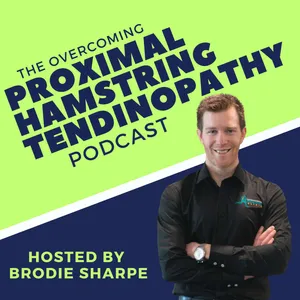
Proximal Hamstring Tendinopathy is a horrible condition affecting athletes and non-athletes alike. If you fall victim to the misguided information that is circulating the internet, symptoms can persist for months, sometimes years and start impacting your everyday life. This podcast is for those looking for clear, evidence-based guidance to overcome Proximal Hamstring Tendinopathy. Hosted by Brodie Sharpe, an experienced physiotherapist and content creator, this podcast aims to provide you with the clarity & control you desperately need. Each episode brings you one step closer to finally overcoming your proximal hamstring tendinopathy. With solo episodes by Brodie, success stories from past sufferers and professional interviews from physiotherapists, coaches, researchers and other health professionals so you get world class content.
Latest Episodes
The most recent episodes — sign up to get AI-powered summaries of each one.
- 1 weeks ago29 min
Every Food Hack You Need to Heal Tendons
👉 Complete the 30 Sec Survey & Find Your Best PHT Recovery Plan🎉 Sign up for the FREE PHT 5-Day Course HERE 💪 Overcome PHT Yourself with Brodie's PHT Blueprint Online CourseFor all other PHT resources, go to: https://proximalhamstringtendinopathy.info/ Can nutrition actually help your tendon heal?Progressive loading remains the foundation of tendon rehab. But while your tendon is responding and rebuilding, nutrition may help provide the ingredients it needs to support that process.In this episode, I break down a new 2026 paper titled Rehabilitation Nutrition for Tendon and Ligament Injuries: From Collagen Remodelling to Return to Activity and Sport.We explore what the latest research says about energy availability, protein, collagen + vitamin C, creatine, vitamin D, calcium and omega-3s — including where the evidence is strong and where it remains more theoretical.In This Episode:Why progressive tendon loading remains the foundation of recoveryHow low energy availability could interfere with collagen remodelling and your ability to tolerate rehabWhy simply eating more protein isn't enough to heal a tendonThe recommended 1.6–2.2 g/kg/day of proteinWhy spreading protein throughout the day may be beneficialThe difference between traditional protein sources and collagen-specific amino acidsHow collagen + vitamin C may support collagen synthesis around your rehab sessionsMy practical collagen protocol: ~30 g collagen + 50–100 mg vitamin C, 30–60 minutes before tendon loadingWhy the loading stimulus that follows the collagen mattersHow creatine (3–5 g/day) may indirectly support tendon rehab by helping maintain muscle mass, strength and training capacityThe role of vitamin D and calcium, particularly when you're deficientWhy a food-first approach should generally come before supplementationHow omega-3 fatty acids may support the resolution of inflammationWhy nutrition should support your rehab rather than replace progressive loadingPractical TakeawaysProtein: 1.6–2.2 g/kg of body weight per day, ideally spread throughout the day.Collagen + Vitamin C: Around 30 g collagen with 50–100 mg vitamin C, taken approximately 30–60 minutes before an appropriate tendon-loading session.Creatine: Approximately 3–5 g/day.Calcium: Approximately 1,000–1,200 mg/day from dietary sources and/or supplementation when intake is inadequate.Vitamin D: Focus on achieving sufficient levels, particularly if you're deficient or have limited sun exposure.Omega-3s: Approximately 2–3 g/day of combined EPA + DHA may be considered when dietary intake is insufficient.Most importantly, don't become distracted by the 1% strategies while neglecting the fundamentals.Load the tendon appropriately. Eat enough. Get enough protein. Then start looking at the additional strategies that may help optimise the recovery environment.Nutrition isn't a replacement for good tendon rehab, but when you're dealing with a stubborn condition like PHT, it makes sense to ensure you're giving your body the resources it needs to adapt.
- 3 weeks ago23 min
Can Light, Ozone & Immune Therapy Actually Heal Tendons?
👉 Complete the 30 Sec Survey & Find Your Best PHT Recovery Plan🎉 Sign up for the FREE PHT 5-Day Course HERE 💪 Overcome PHT Yourself with Brodie's PHT Blueprint Online CourseFor all other PHT resources, go to: https://proximalhamstringtendinopathy.info/ What if we could improve tendon healing by manipulating the immune system, injecting ozone, or even exposing the tendon to specific wavelengths of light?In this episode of the Overcoming Proximal Hamstring Tendinopathy Podcast, Brodie explores three emerging areas of tendon research that sound futuristic—but are already producing some fascinating early results.Most of this research is still preclinical, so this isn't an episode about treatments you should rush out and try. Instead, we look at what scientists are discovering about tendon healing, how convincing the evidence currently is, and whether these approaches could eventually have a role in treating stubborn conditions like PHT.In this episode:Immune therapy & “smart scaffolds”Why inflammation isn't necessarily the enemy during tendon healingHow researchers are developing hydrogels and scaffolds that can respond to the tendon environmentThe potential role of exosomes in regulating inflammation and collagen repairWhy this technology is fascinating—but still a long way from routine PHT treatmentOxygen–ozone therapyWhat an ozone injection actually isHow a small amount of oxidative stress may trigger a beneficial biological responseA striking tennis-elbow study where 92.8% of the ozone group had favourable resting-pain outcomes at nine months, compared with 39.5% following corticosteroidWhat animal research suggests about ozone and tendon strengthWhy the evidence is still too limited to recommend it for PHTPhotobiomodulation / light therapyHow red and near-infrared light may influence the mitochondria inside tendon cellsWhy different wavelengths and doses matterAnimal research showing approximately:40% lower inflammatory markers65% greater markers associated with inflammation resolution1.7× better type-I-to-type-III collagen ratio20% greater tendon tensile strengthWhy these impressive laboratory results don't yet mean you should buy a red-light device for PHTThe key message:These treatments all approach tendon healing differently, but they share an important idea: future tendinopathy treatment may involve improving the biological environment of the tendon alongside progressive rehabilitation.For now, there isn't enough evidence to recommend any of these approaches specifically for proximal hamstring tendinopathy.So while researchers continue exploring the weird and wonderful future of tendon healing, stick with the fundamentals that we know work: appropriate load management, progressive strengthening and gradually rebuilding tendon capacity.
- Aug 11, 202652 min
From Constant Pain to Running Again: Jane’s PHT Success Story
👉 Complete the 30 Sec Survey & Find Your Best PHT Recovery Plan🎉 Sign up for the FREE PHT 5-Day Course HERE 💪 Overcome PHT Yourself with Brodie's PHT Blueprint Online CourseFor all other PHT resources, go to: https://proximalhamstringtendinopathy.info/ From Constant Pain to Running Again: Jane’s PHT Success StoryIn this episode of the Overcoming Proximal Hamstring Tendinopathy Podcast, I’m joined by Jane Barker to share her PHT recovery journey.Jane is a lifelong competitive runner who spent years dealing with persistent pain around the upper hamstring and sit bone. Along the way, she tried shockwave therapy, dry needling, stretching, massage, foam rolling, massage guns, nerve flossing, heat, ice and more. Some provided temporary relief, but nothing seemed to address the underlying problem. Eventually, things deteriorated to the point where walking forwards was painful, sitting and sleeping were difficult, and Jane genuinely questioned whether she would ever run properly again. After discovering the podcast, Jane joined my 60-Day PHT Recovery Blueprint and began approaching her rehab very differently: understanding tendon load and capacity, introducing slow progressive strength training, carefully monitoring symptoms and gradually rebuilding her running.Just 14 weeks later, Jane's story looks remarkably different. She's lifting heavier than she ever thought possible, sitting and sleeping more comfortably, building her running back up and recently completed a slow 15 km run. In this episode, we discuss: The early symptoms Jane initially mistook for sciatica, piriformis problems and weak glutes Why years of passive treatments only seemed to provide temporary relief The point where her PHT became so severe she could barely walk forwards Why understanding load vs tendon capacity completely changed her approach How Jane found the right starting point for progressive strength training The importance of tracking pain and returning to baseline after loading Her extremely gradual return from one-minute run/walk intervals to longer running How she managed flare-ups from sitting and long car journeys The emotional challenge of rebuilding from almost nothing The gym breakthrough that brought Jane to tears Why recording the small wins helped her recognise how far she'd actually come Jane's advice for anyone with chronic PHT who feels like they've tried everything and is beginning to lose hope Jane isn't at the end of her PHT journey yet, but that's part of what makes this conversation so valuable. It's a real look at what recovery can actually involve: patience, setbacks, small victories, progressive loading and gradually rebuilding trust in your tendon.As Jane puts it: be dedicated, be patient and be positive.
- Jul 28, 202639 min
5 Solutions for Stubborn PHT
👉 Complete the 30 Sec Survey & Find Your Best PHT Recovery Plan🎉 Sign up for the FREE PHT 5-Day Course HERE 🎉For all other PHT resources, go to: https://proximalhamstringtendinopathy.info/ If your proximal hamstring tendinopathy (PHT) has been lingering for months or even years, there may be a key roadblock keeping you stuck.After speaking with thousands of people struggling with persistent PHT, I’ve noticed the same patterns appearing again and again.In this episode, I break down 5 common reasons why PHT isn’t improving and, more importantly, what you can do differently.We cover:Why relying on PRP, shockwave, massage and other passive treatments may not address the underlying capacity of your tendon.Why bodyweight and low-level exercises can become a roadblock if you never progress beyond them.How the frustrating boom-bust cycle can repeatedly flare your symptoms just as you start making progress.Why your supposedly “easy” running pace may still be too fast for your hamstring tendon right now.When persistent sit-bone pain might not actually be PHT, including other conditions and structures that can produce similar symptoms.I also explain why some pain during strengthening doesn’t necessarily mean you should avoid progressing, how I approach gradual increases in tendon loading, and why running speed needs to be reintroduced carefully.If you feel like you’ve tried everything and your PHT still isn’t improving, this episode may help you identify what’s been missing.
- Jul 14, 202647 min
Which PHT Exercises Actually Reduce Pain with Aidan Rich
👉 Complete the 30 Sec Survey & Find Your Best PHT Recovery Plan🎉 Sign up for the FREE PHT 5-Day Course HERE 🎉For all other PHT resources, go to: https://proximalhamstringtendinopathy.info/ Which PHT Exercises Actually Reduce Pain? with Aidan RichIsometric exercises have become one of the most commonly prescribed treatments for proximal hamstring tendinopathy (PHT). Many runners and health professionals use bridge holds in the hope of reducing pain, improving confidence, and making exercise more comfortable.But what does the research actually say?In this episode, I sit down with sports and exercise physiotherapist and recent PhD graduate Aidan Rich to discuss his latest study comparing isometric (static) and isotonic (movement-based) hamstring exercises for people with PHT.Aidan has dedicated years of research to understanding proximal hamstring tendinopathy and shares some fascinating insights into what we know, what we don't know, and how current evidence should influence your rehabilitation decisions.In this episode, you'll learn:What isometric and isotonic exercises actually areWhy bridge holds became so popular in tendon rehabilitationThe groundbreaking research that sparked the "isometric pain relief" movementWhether PHT sufferers experience the same pain-relieving effects seen in other tendon conditionsWhy some people experience immediate symptom relief while others don'tThe results of Aidan's randomized crossover trial comparing isometric and isotonic hamstring exercisesWhether one exercise type is superior for reducing pain, improving strength, or sitting toleranceWhat the broader tendon research says about isometrics versus movement-based strengtheningWhy progression and loading may be more important than exercise typeCommon mistakes that keep people stuck in rehabilitationWhen isometric exercises may still have a role in your recoveryPractical advice for runners who have been doing bridge holds for weeks or months without improvementKey TakeawaysIsometric exercises are not necessarily superior to isotonic exercises for immediate pain relief in PHT.Some individuals experience meaningful pain relief from tendon loading, while others notice very little change.The current evidence suggests exercise progression and appropriate loading are likely more important than the specific contraction type used.Long-term tendon rehabilitation should focus on gradually increasing strength and capacity rather than relying solely on static holds.If your current rehab isn't working, it may be time to reassess your diagnosis, exercise dosage, loading strategy, or overall treatment plan.About Aidan RichAidan Rich is a sports and exercise physiotherapist based in Melbourne, Australia. He recently completed a PhD focused on the treatment of proximal hamstring tendinopathy and has worked extensively with endurance athletes, runners, and sporting organizations including Triathlon Australia and Athletics Australia. His research has helped expand our understanding of PHT and provides valuable guidance for clinicians and patients alike.Resources MentionedAidan Rich's study:The Effect of Isotonic Versus Isometric Strength Exercise for Pain and Strength in Proximal Hamstring Tendinopathy: A Randomized Crossover Trial
- Jun 30, 202630 min
What to Focus on When You Can’t Exercise
👉 Complete the 30 Sec Survey & Find Your Best PHT Recovery Plan🎉 Sign up for the FREE PHT 5-Day Course HERE 🎉For all other PHT resources, go to: https://proximalhamstringtendinopathy.info/ Being sidelined by injury can feel like a double blow. Not only are you dealing with pain and frustration, but you've also lost one of your biggest outlets for stress relief, fitness, and social connection. In this episode, Brodie shares a practical framework to help injured runners stay proactive, maintain perspective, and come back stronger than before. In this episode, you'll learn: Why injury often impacts your mental health more than you expect The "double whammy" effect of losing both running and your stress-relief outlet How to identify the true causes behind recurring injuries Common patterns that keep runners trapped in injury cycles Why injuries can be valuable opportunities to uncover weak links How to use rehab to build resilience rather than simply become pain-free The importance of addressing strength deficits, imbalances, and movement control Cross-training options that can preserve fitness while recovering How to tailor cardio alternatives based on your injury type Brodie's favourite injury-friendly VO₂ max workouts Why many runners benefit from keeping cross-training in their routine long after recovery The overlooked role of strength training for injury prevention, bone health, and long-term performance How muscle mass acts as "metabolic currency" for health and longevity Practical ways to improve sleep, stress management, and recovery during injury The importance of maintaining social connection when you're unable to run Nutrition strategies that can support healing and future performance Why injury can be the perfect time to improve habits that often get neglected during heavy training Key TakeawayAn injury doesn't have to be wasted time. By shifting your focus toward rehabilitation, fitness maintenance, strength development, sleep, nutrition, stress management, and social connection, you can emerge from injury healthier, more resilient, and better prepared for future training than before.
- Jun 16, 202647 min
The Missing Link In Rehab You’re Probably Ignoring
👉 Complete the 30 Sec Survey & Find Your Best PHT Recovery Plan🎉 Sign up for the FREE PHT 5-Day Course HERE 🎉For all other PHT resources, go to: https://proximalhamstringtendinopathy.info/ The Missing Link in Rehab You’re Probably IgnoringPain isn’t always just about tissues, load, or biomechanics.In this episode, Brodie explores one of the most overlooked contributors to prolonged running injuries: the psychosocial side of pain. Drawing from both research and years of working with chronic injury cases, he introduces a 20-question “Pain & Wellness Score” designed to uncover the emotional, cognitive, and social factors that may be quietly influencing your recovery. You’ll learn why some runners continue to struggle despite doing all the “right” rehab exercises, how hypervigilance and fear can amplify symptoms, and why recovery should be approached through a biopsychosocial lens rather than purely mechanical thinking. Brodie also breaks down the science behind chronic pain, nervous system hypersensitivity, catastrophisation, fear of movement, and the powerful role attention plays in symptom intensity. Throughout the episode, Brodie walks listeners through the full questionnaire so they can assess themselves in real time. He explains how low scores may reveal missing pieces in recovery and shares practical interventions that can help calm the nervous system, reduce fear, and improve recovery outcomes. Topics include: Hypervigilance and constantly monitoring symptoms Fear of movement (kinesiophobia) Catastrophisation and emotional amplification of pain The role of social support in recovery How stress, trauma, anxiety, and perfectionist tendencies influence chronic pain Why distraction, enjoyable movement, and positive coping strategies can help The importance of resilience, optimism, and confidence in movement Why scans and conflicting diagnoses can sometimes worsen recovery outcomes Brodie also discusses research on chronic pain neuroplasticity and highlights therapies shown to help regulate the nervous system, including: Cognitive behavioural therapy (CBT) Mindfulness practices Guided meditations and breathing exercises Gradual exposure to feared movements Active coping strategies versus passive coping behaviours If you’ve been stuck in an injury cycle, feel emotionally exhausted by pain, or feel like your rehab is missing something despite doing the exercises correctly, this episode may provide an entirely new perspective on recovery.Resources & Links:Click here to learn about Brodie's Chronic Pain Reset Course
- Jun 2, 202643 min
Covering the Latest PHT Research Papers
👉 Complete the 30 Sec Survey & Find Your Best PHT Recovery Plan🎉 Sign up for the FREE PHT 5-Day Course HERE 🎉For all other PHT resources, go to: https://proximalhamstringtendinopathy.info/ Latest Research: Tendon Healing, Shockwave Therapy & Hamstring Injury PreventionIn this episode, Brodie dives into three recently published research papers that help answer some of the biggest questions surrounding proximal hamstring tendinopathy (PHT) and tendon rehabilitation. From understanding what’s really happening inside a painful tendon, to whether shockwave therapy lives up to the hype, and what we can learn from hamstring injury prevention research, this episode translates the latest science into practical takeaways you can apply to your own recovery. In this episode, you'll learn: Why tendinopathy is far more complex than simple "wear and tear" The emerging role of inflammation, ageing, recovery, sleep and metabolic health in tendon healing Why progressive loading continues to be the cornerstone of successful PHT rehab What the latest evidence says about shockwave therapy and whether it's worth the cost Why exercise-based rehabilitation still outperforms most passive treatment options The surprising findings on ice, cryotherapy and tendon recovery Key lessons from hamstring injury prevention research that can help reduce setbacks and recurrence Why strength, capacity and consistency matter more than stretching alone Whether you're currently struggling with PHT, returning from a hamstring injury, or simply want to stay up to date with the latest tendon research, this episode provides evidence-based insights without the scientific jargon.Key Takeaway:Successful tendon recovery rarely comes down to a single treatment. The strongest evidence continues to support a combination of sensible load management, progressive strengthening, patience, and addressing the broader factors that influence healing—including sleep, stress, recovery, and overall health. There is hope, and understanding the science can help you make better decisions throughout your rehab journey.
About Overcoming Proximal Hamstring Tendinopathy
Proximal Hamstring Tendinopathy is a horrible condition affecting athletes and non-athletes alike. If you fall victim to the misguided information that is circulating the internet, symptoms can persist for months, sometimes years and start impacting your everyday life. This podcast is for those looking for clear, evidence-based guidance to overcome Proximal Hamstring Tendinopathy. Hosted by Brodie Sharpe, an experienced physiotherapist and content creator, this podcast aims to provide you with the clarity & control you desperately need. Each episode brings you one step closer to finally overcoming your proximal hamstring tendinopathy. With solo episodes by Brodie, success stories from past sufferers and professional interviews from physiotherapists, coaches, researchers and other health professionals so you get world class content.
Customized Recaps
AI-powered recaps with compact key takeaways, quotes, and insights.
Straight to Your Inbox
Get key takeaways from Overcoming Proximal Hamstring Tendinopathy in a 5-minute read.
Save Hours Every Week
Stay current on your favorite podcasts without falling behind.
Frequently Asked Questions
What is Podzilla's Overcoming Proximal Hamstring Tendinopathy daily summary?
It's a free AI-powered email that summarizes new episodes of Overcoming Proximal Hamstring Tendinopathy as soon as they're published. You get the key takeaways, notable quotes, and links & mentions — all in a quick read.
How does the Overcoming Proximal Hamstring Tendinopathy podcast summary work?
When a new episode drops, our AI transcribes and analyzes it, then generates a personalized summary tailored to your interests and profession. It's delivered to your inbox every morning.
Is this an official Overcoming Proximal Hamstring Tendinopathy product?
No. Podzilla is an independent service that summarizes publicly available podcast content. We're not affiliated with or endorsed by Brodie Sharpe.
Can I get summaries of other podcasts too?
Absolutely! The free plan covers up to 3 podcasts. Upgrade to Pro for 15, or Premium for 50. Browse our full catalog at /podcasts.
How often does Overcoming Proximal Hamstring Tendinopathy release new episodes?
Overcoming Proximal Hamstring Tendinopathy publishes biweekly. Our AI generates a summary within hours of each new episode.
What topics does Overcoming Proximal Hamstring Tendinopathy cover?
Overcoming Proximal Hamstring Tendinopathy covers topics including Fitness, Health & Fitness. Our AI identifies the specific themes in each episode and highlights what matters most to you.
Start getting Overcoming Proximal Hamstring Tendinopathy summaries tomorrow morning.
Free forever for up to 3 podcasts. No credit card required.
Free forever for up to 3 podcasts. No credit card required.