Free Daily Podcast Summary
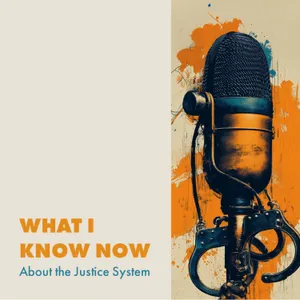
Juvenile Justice || What I Know Now: Daily Summaries Delivered
by The Delta Project
To share compelling stories about system-impacted youth, their families, and their communities, so that listeners are inspired to take meaningful community action and support the advocacy work of the Delta Project.
Latest Episodes
The most recent episodes — sign up to get AI-powered summaries of each one.
- Jun 12, 20261h 5m
Episode 37 - Community, Culture, and Comebacks: Adam Hoeksma’s Lessons on Legacy After Hard Times
In this season finale episode of What I Know Now by The Delta Project, host Cole Williams sits down with Adam Hoeksma, owner of Shiny Diamond Auto Detailing & Hand Wash, Grand Rapids native, father, grandfather, and dedicated community mentor. Together, they explore real stories of resilience, second chances, and the transformative impact of support systems on youth navigating the juvenile justice system.Adam Hoeksma shares how a family’s encouragement turned a childhood passion for cars into a thriving business, sustaining him for over 37 years. He opens up about the journey from youthful mistakes—including a life-changing experience in prison—to building legacy through entrepreneurship, community engagement, and mentorship for youth with juvenile justice involvement.Listeners will discover the importance of supporting young people to discover their passions, the realities of returning home with a felony record, and the challenges and opportunities for personal and community growth in Grand Rapids. This episode dives into topics like generational wisdom, fatherhood, overcoming societal stigmas, the power of community-driven events, and what it means to genuinely uplift the next generation.Whether you’re interested in youth empowerment, entrepreneurship, breaking cycles of incarceration, or reimagining the juvenile justice system, this episode offers practical insights, heartfelt stories, and motivation to get involved and make a difference. Tune in for an inspiring conversation about legacy, identity, and finding purpose—no matter where you start.
- May 22, 202649 min
Episode 36 - Healing After Incarceration: How Taylor Made Re-Entry Changes Lives in Michigan
In this powerful episode of What I Know Now, host Cole Williams welcomes Dee Dee Taylor, founder and president of Taylor Made Re-Entry, for a candid conversation about the realities of reentry after incarceration. Together, they dig deep into the urgent need to reimagine the juvenile justice and criminal justice systems, exploring the human stories often hidden behind statistics.Dee Dee shares her inspiring journey as a national leader, shaped by personal experience with incarceration in her family—including the tragic loss of her sister, Breonna Taylor. She reveals what it’s really like for men and women returning home after jail or prison, highlighting barriers like poverty, lack of resources, and gaps in support and community understanding.This episode tackles tough questions: Why is reentry work still dominated by men? How does incarceration impact not just individuals but entire families? What does healing and forgiveness look like for people affected by the justice system? Hear stories of resilience, the importance of second chances, and the behind-the-scenes work happening in Michigan to empower returning citizens through housing, employment, mental health support, and more.Whether you have a loved one in jail, work in criminal justice, or just care about building safer, more humane communities, tune in for eye-opening insights, practical solutions, and hope that real change is possible. Don’t miss this moving talk about compassion, accountability, and seeing the humanity in everyone touched by incarceration.
- Apr 29, 20261h 2m
Episode 35: Rewriting the Narrative - Michael Buxton’s Path from Prison to Business and Community Empowerment
In this unique episode of What I Know Now, host Cole Williams sits down with Michael Buxton—Grand Rapids business owner, film director, and formerly incarcerated man—for an unfiltered conversation about growing up in poverty, navigating the realities of the juvenile and adult justice systems, and rebuilding a life after incarceration.Michael Buxton shares his journey from a childhood surrounded by single-parent households and street influences to becoming a young father and facing a lengthy prison sentence. He opens up about the impact of absent family support, the challenges of re-entering society after ten years behind bars, and the flaws in a system that claims to rehabilitate but often leaves people unprepared for life on the outside.Listeners will hear candid reflections on healing, hope, and the importance of relationships and community in breaking the cycle of incarceration. Michael Buxton also discusses his entrepreneurial path, the lessons learned from failure, and how he uses his lived experiences to invest in the next generation through mentorship, business ownership (shoutout to Loaded Spud!), and community leadership.Whether you're interested in juvenile justice reform, personal transformation, or the human stories behind America's justice system, this episode is a must-listen. Join us for insights into accountability, the power of a good name, and why changing the narrative matters—for individuals, families, and whole communities.
- Apr 13, 20261h 0m
Episode 34: The Kid in the Courtroom - Why Youth Perspectives Matter in Justice Reform
What if young people had a real voice in the justice system? In this moving episode of "What I Know Now," host Cole Williams sits down with Cayden Brown, a 19-year-old advocate, TEDx speaker, and author who’s transforming juvenile justice across the nation and world. From serving as a teen court defense attorney at 17 to addressing the United Nations and writing a powerful children’s book, Cayden has devoted his life to reimagining how youth are treated in legal systems.Discover the human impact of juvenile justice reform as Cayden shares his inspiring journey—from navigating the court system as a child to leading the Trespass Project, a nonprofit making legal information accessible to youth everywhere. Hear in-depth insights on restorative justice, the power of lived experience, and why it’s time for young people's voices to shape the policies and decisions that define their lives. There is also a surprise in this episode about Cayden's most recent project - you won't want to miss it. Whether you’re a parent, advocate, educator, or simply passionate about creating a fairer world, this episode will challenge assumptions and spark critical conversations about youth empowerment, trauma, and how true change happens when we listen to those most affected. Don’t miss this heartfelt, eye-opening interview that will leave you rethinking what justice and voice really mean for the next generation.Keywords: juvenile justice, teen court, restorative justice, youth empowerment, legal reform, TED Talk, children’s rights, trauma, advocacy, lived experience, Michigan, The Delta Project, Trespass Project, young voices
- Mar 23, 202637 min
Episode 33: Respect, Basketball, and Becoming a Father: Coach O’s Wisdom for Young Men
In this powerful episode of "What I Know Now" by The Delta Project, hosts Cole Williams and Nick Williams sit down with Grand Rapids legend Derrick "Coach O" Owens, a basketball coach, mentor, and father figure whose journey epitomizes resilience and self-discovery. Dive into Coach O's remarkable story as he reflects on overcoming adversity, growing up in the foster care system in Detroit, and finding purpose through mentorship and a lifelong love of basketball.This episode explores essential themes like self-love, fatherhood, community impact, and the vital role of respect in connecting with youth. Coach O shares hard-won lessons about discipline, accountability, and the generational cycles within America's justice system. You'll hear inspiring insights about coaching as a ministry, supporting young fathers, the importance of using names over numbers, and redefining what it means to be both a parent and a friend.Whether you're interested in juvenile justice reform, youth empowerment, mentorship, black fatherhood, or authentic leadership, this heartfelt conversation offers wisdom, practical advice, and hope. Tune in for Coach O’s seven rules for life, his transformative work with the Delta Project, and personal stories that will resonate far beyond the basketball court.Perfect for parents, educators, mentors, and anyone passionate about making a difference in the lives of young people. Don’t miss this honest, no-holds-barred look at the human stories behind the justice system—and what it truly means to change the world, one relationship at a time.
- Mar 9, 202657 min
Episode 32: Community-Based Change: Liz Frederick on Safe Spaces and Alternatives to Incarceration
Welcome to What I Know Now, a Podcast by The Delta Project. In this episode, we dive into the realities of reimagining the juvenile justice system with special guest Liz Frederick, Executive Director of Avenues for Justice. Hosted by Cole Williams, this conversation explores the transformative impact of community-based alternatives to incarceration, the importance of wraparound support for youth and their families, and the power of lived experience in advocacy.Through personal stories and deep insights, Liz Frederick shares her nearly 20-year journey at Avenues for Justice, highlighting how the program not only serves court-involved youth but also their siblings and at-risk peers. Together, Cole Williams and Liz Frederick tackle tough questions about systemic barriers, trauma, and the need for true safe spaces—both physical and virtual. They discuss breaking the cycle of generational incarceration, investing in holistic services from education to job readiness, and why lasting change means supporting both young people and their families.If you’re passionate about justice reform, mentorship, and grassroots solutions, this episode will challenge, inspire, and inform you. Tune in to hear how resilience, leadership, and community drive meaningful progress for youth in the juvenile justice system,and what more we can do moving forward.
- Feb 24, 202640 min
Episode 31 -Reimagining Justice: Renee Cummings on Algorithms, Data Activism, and Youth Empowerment
What happens when artificial intelligence meets the world of justice and youth reform? In this thought-provoking episode, host Cole Williams welcomes renowned criminologist and data activist Renee Cummings for a deep dive into the intersection of technology, civil rights, and justice for young people.Together, they explore the power—and dangers—of data and algorithms in shaping identities, opportunities, and futures. From the history of predictive policing to the untapped potential of AI for rehabilitation and reentry, Renee Cummings breaks down complex issues like data justice, algorithmic bias, and the importance of imagination as a tool for change. The conversation covers everything from practical advice for parents and young people navigating social media to radical ideas for rethinking prisons and using tech for immersive, trauma-informed interventions.Whether you’re a mentor, nonprofit leader, parent, or just curious about technology’s growing impact on society, this episode is packed with must-know insights on ethical technology, civil liberties, and what real justice reform could look like for our most vulnerable communities.Tune in for powerful stories, practical takeaways, and a forward-thinking vision for justice in the AI age.
- Jan 28, 202637 min
Episode 30: Mentors Matter - Nala Barlow’s Story of Resilience and Hope
In this episode of "What I Know Now" from The Delta Project, Host Cole Williams sits down with Nala Barlow, a clinical mental health professional working inside a juvenile detention center. Together, they unpack how childhood experiences shaped Nala Barlow's journey from surviving instability, homelessness, and parental addiction to becoming a beacon of hope for youth impacted by America's justice system.Nala Barlow shares raw, unfiltered memories of growing up as a "parentified kid," struggling in environments filled with chaos, and longing for adult support. Through powerful storytelling, the episode explores themes of trauma, generational cycles, and the impact of undiagnosed mental health issues in families. Listeners will discover how relationships—like those with Nala Barlow's grandfather, basketball coaches, and mentors—provided essential lifelines and helped foster resilience, belonging, and a sense of purpose.This episode addresses tough questions around how society labels “bad kids,” underscoring the importance of seeing past behaviors to the pain and stories underneath. Cole Williams and Nala Barlow challenge listeners to reconsider their assumptions about youth in the juvenile justice system, highlighting the transformative power of unconditional love and consistent, caring adults.Whether you’re a parent, educator, mentor, or someone passionate about social justice and youth advocacy, this episode offers moving insights into trauma, healing, and the critical power of compassionate relationships. Tune in for candid conversations on redemption, accountability, and how one person’s journey can shine a light for countless others.Listen now to discover what Nala Barlow knows now—and why love is the answer to healing our communities.
About Juvenile Justice || What I Know Now
To share compelling stories about system-impacted youth, their families, and their communities, so that listeners are inspired to take meaningful community action and support the advocacy work of the Delta Project.
Customized Recaps
AI-powered recaps with compact key takeaways, quotes, and insights.
Straight to Your Inbox
Get key takeaways from Juvenile Justice || What I Know Now in a 5-minute read.
Save Hours Every Week
Stay current on your favorite podcasts without falling behind.
Frequently Asked Questions
What is Podzilla's Juvenile Justice || What I Know Now daily summary?
It's a free AI-powered email that summarizes new episodes of Juvenile Justice || What I Know Now as soon as they're published. You get the key takeaways, notable quotes, and links & mentions — all in a quick read.
How does the Juvenile Justice || What I Know Now podcast summary work?
When a new episode drops, our AI transcribes and analyzes it, then generates a personalized summary tailored to your interests and profession. It's delivered to your inbox every morning.
Is this an official Juvenile Justice || What I Know Now product?
No. Podzilla is an independent service that summarizes publicly available podcast content. We're not affiliated with or endorsed by The Delta Project.
Can I get summaries of other podcasts too?
Absolutely! The free plan covers up to 3 podcasts. Upgrade to Pro for 15, or Premium for 50. Browse our full catalog at /podcasts.
How often does Juvenile Justice || What I Know Now release new episodes?
Juvenile Justice || What I Know Now publishes monthly. Our AI generates a summary within hours of each new episode.
What topics does Juvenile Justice || What I Know Now cover?
Juvenile Justice || What I Know Now covers topics including Business, Non-Profit. Our AI identifies the specific themes in each episode and highlights what matters most to you.
Start getting Juvenile Justice || What I Know Now summaries tomorrow morning.
Free forever for up to 3 podcasts. No credit card required.
Free forever for up to 3 podcasts. No credit card required.