Free Daily Podcast Summary
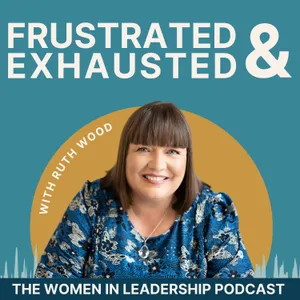
Frustrated And Exhausted: Daily Summaries Delivered
by Ruth Wood
Get key takeaways, quotes, and insights from Frustrated And Exhausted in a 5-minute read. Delivered straight to your inbox.
Latest Episodes
The most recent episodes — sign up to get AI-powered summaries of each one.
- 6 days ago10 min
Why Good People Feel Exhausted At Work
In this episode, Ruth dives into a pervasive issue she’s observed in high-performing organizations: why even the most capable, committed people end up feeling exhausted at work. Drawing on real-life conversations with senior leaders and research like Christina Maslach’s work on burnout, Ruth explores how exhaustion isn’t always about personal resilience, but frequently about weary, outdated systems and misalignments in the workplace.Key TopicsThe Paradox of the Successful but Exhausted OrganizationOrganizations can look externally successful—great results, strong performance, low turnover—while internally staff feel heavily burdened and tired 01:08.Focusing on Individuals vs. SystemsLeaders often respond to burnout by asking how to make people more resilient or efficient, but Ruth challenges this, suggesting these are just “sticking plasters” if the underlying system is tired 02:39.What Really Causes Burnout?Referencing Christina Maslach’s research, burnout is shown to arise from mismatch between individuals and their environment—not just workload, but also lack of control, unclear expectations, misaligned values, or lack of recognition 03:32.Symptoms of a Tired SystemRuth identifies hallmarks:Constantly shifting priorities without closureSlow or frequently reversed decisionsEndless, often unproductive meetingsLack of communication and clarityIndividuals quietly absorbing more and more work out of care and commitment 04:23–06:42Personal and Collective EffectsThis friction leads to frustration, exhaustion, self-blame, and blame from others, impacting not only individuals but their families and wider organizational culture 07:12.A Shift in Questions for LeadersInstead of “how do we make people more resilient,” leaders should ask, “what about our system is exhausting our people?”08:43Takeaway ThoughtsSystemic issues, not just individual shortcomings, often drive exhaustion at work.Small shifts in clarity, expectations, and decision-making can have outsized positive effects.Recognizing tired systems, rather than blaming individuals, is critical for sustainable performance.If you’re feeling frustrated and exhausted, know that you’re not alone—and that there may be fixes beyond just “toughening up.”Stay tuned for more conversations and strategies to help you maintain your well-being and ambition at work.Connect with Ruth:Instagram LinkedIn Website
- 1 weeks ago6 min
A Quiet Shift For Frustrated & Exhausted
In this episode of "Frustrated and Exhausted," Ruth returns after a brief pause to reflect on what’s really at the root of burnout, frustration, and stagnation—especially for women in leadership. Rather than focusing solely on personal development, Ruth explores how broader organizational systems and workplace conditions profoundly shape individual experience and behavior.Key TopicsEvolution of the Podcast’s FocusInitially centered on women in leadership and gender issues.Now broadening to explore systemic challenges and workplace dynamics 00:53.Common Workplace ChallengesUnclear priorities, unstable decisions, ineffective meetings.Dysfunctional team dynamics and relationships.Leaders at all levels holding back, unsure, or unable to fully contribute 01:10.The Real Roots of StruggleMany assume the issue is personal—lack of resilience, skills, or confidence.Ruth argues the problem is often in the systems and conditions around people, not the individuals themselves 02:21.Supporting ResearchReferences to Amy Edmondson’s work on psychological safety.Mentions Chris Argyris’ research on organizational learning 03:42.A New DirectionThe podcast will shift to focus on system-level issues—invisible conditions that make leadership harder or easier 04:16.Recognizing organizations usually have “conditions problems,” not “people problems” 04:43.TakeawaysStop blaming yourself for systemic barriers.Look at the environment and conditions shaping work, not just individual capabilities.Systemic change can reduce personal guilt and shame, freeing individuals to thrive 05:07.Join Ruth next week as the podcast continues to unpack the subtle, systemic factors shaping your work and leadership experience.Connect with Ruth:Instagram LinkedIn Website
- Feb 10, 202610 min
When Leaders Mean Well
In this episode I explore a tough but hopeful topic: why trust can erode in organizations even when leaders have the best intentions. Drawing from real conversations and coaching experiences with senior leaders, the episode unpacks the difference between a leader’s intent and the reality employees experience on the ground.Intent vs. Impact:Good intent is important, but employees don’t experience their leaders’ intentions—they experience systems, responses, and the outcomes of their actions. Trust is built (or eroded) not by what leaders say, but by what happens next.How Trust Erodes Quietly:Trust usually doesn’t break down with drama or scandals, but through small moments—unaddressed challenges, reversed decisions without explanation, or promises of openness that aren’t followed through on.Systems Over Intent:In pressured environments, what actually gets rewarded or discouraged in a system shapes behavior more than stated values or intentions. People adapt to stay safe, which can lead to silence and withdrawal instead of genuine trust.The Cost of Unseen Systems:When leaders aren’t aware of the behavioral patterns their systems create, they might mistake quiet for trust when in reality it’s withdrawal and disengagement. The grief for lost potential and silenced talent can be deeply felt on a personal level.Gaining Visibility:The real turning point is for leaders to honestly examine which behaviors are being rewarded, which carry risks, and what truly happens after challenge or dissent. Visibility (not just motivation or capability) is key to changing the culture.Building Trust through Action:Trustworthiness isn’t an inherent personality trait—it’s experienced through systems, responses, and consistent consequences, especially under pressure. Leaders are encouraged to reflect not just on their intent, but also on the actual impact they have.Reflection Questions for LeadersWhat behaviors are you truly rewarding—and which ones are risky in your system?What really happens after someone challenges or disagrees?Are you seeing quiet as trust, or could it be a sign of something else?Reach out on LinkedIn for further discussion and support. If you’re still showing up in spaces that weren’t built for you—keep going, you’re seen.Tune in next week for more insight into women, career, and leadership, with a focus on well-being and ambition.Connect with Ruth:Instagram LinkedIn Website
- Feb 3, 202610 min
Too Nice to Trust?
Welcome to Frustrated and Exhausted, In this episode, we dig into an important leadership topic: the difference between genuine trust and simply being “nice” within senior teams. Why do so many organizations confuse harmony and collegiality with real, risk-taking trust, and what does this confusion cost?Trust vs. NicenessWhy being “nice” and avoiding conflict isn’t the same as building trust. Teams that focus on harmony can appear healthy but often avoid dealing with real issues, leading to fragility beneath the surface.Avoidance and Its PitfallsMany teams soften difficult issues, delay challenges, and gloss over tensions rather than confronting them head-on. This kind of “pleasantness” promotes self-protection instead of collaboration.Impact on Women in LeadershipThe episode highlights how women—especially those seen as “strong” or “direct”—feel increased pressure to remain palatable, adding emotional labor and silencing valuable opinions. These dynamics can discourage honest contributions from everyone.Psychological Safety & Healthy ConflictDrawing on Amy Edmondson’s research, It explain that top-performing teams don’t avoid conflict; they surface, work through, and repair it. True psychological safety is about fairness and predictability, not constant comfort.How to Build Trust Through ChallengeTips for teams include naming disagreements early, staying curious (not defensive), and returning to repair after conflict. Clearing the air, owning your impact, and addressing tension directly helps strengthen relationships and trust.What Teams Miss Out OnWhen people disengage because “niceness” is prioritized, organizations lose out on true expertise, clarity, and energy—even if the atmosphere feels superficially pleasant.If your team feels “pleasant but stuck,” consider what’s being protected—and at what cost. Ask yourself whether your workplace is fostering true trust or simply smoothing over discomfort.Thanks for tuning in to Frustrated and Exhausted. Don’t miss next week’s episode!Connect with Ruth:Instagram LinkedIn Website
- Jan 27, 202611 min
Why Leaders Avoid Clarity
Welcome back to another episode of Frustrated and Exhausted. In this episode, I dive deep into the reasons why leaders often shy away from clarity—and the real costs this can have on teams and organizations.Clarity vs. Certainty: I explain how clarity is often mistaken for certainty or the illusion of having all the answers. Instead, clarity is really about reducing unnecessary anxiety by being transparent about what’s known, what’s unknown, and who makes decisions.Why Leaders Avoid Clarity: Avoiding clarity is rarely accidental. Sometimes, leaders use vagueness as a form of protection, keeping accountability diffuse and leaving room to maneuver. But this actually creates unpredictability that can erode trust within teams.The Real Cost of Vagueness: When communication is fuzzy, people fill in the gaps with their own stories and assumptions—which often leads to rumors, defensiveness, and a sense of instability in the workplace.Trust and Psychological Safety: How trust doesn’t erode due to lack of integrity, but rather when people can’t reliably predict how decisions are made and issues are handled. This unpredictability leads to stress and hyper-vigilance, not because people are naturally anxious, but because the environment demands it.Handling Uncertainty: Research shows that uncertainty itself isn’t the biggest driver of stress; uncertainty without explanation is. Being honest about what’s unclear is far better than offering meaningless reassurances.Notice where a lack of clarity might be doing more harm than uncertainty itself in your work or life. What small changes in transparency could make things better for your team?If you found this episode resonated with you or shifted your perspective on leadership, don’t forget to share and subscribe for more empowering conversations every week.Connect with Ruth:Instagram LinkedIn Website
- Jan 20, 202611 min
Pointless Leadership Conversations
Welcome back to Frustrated and Exhausted! In this insightful episode, I dive into the reality behind those endlessly repetitive leadership conversations that never seem to spark real change. If you’ve ever left a meeting feeling like “everything was said but nothing changed,” this one’s for you.Why so many leadership conversations feel unsatisfying and unproductive.The difference between stated values (“espoused theory”) and the lived reality (“theory in use”)—and how this gap erodes trust.How surface-level talks and reluctance to address core issues feed organizational ambiguity and exhaustion.The hidden impact of unspoken power dynamics, unresolved tensions, and unclear decision rights.Why inspirational words from leadership aren’t enough—change comes from consistency, clarity, and actually following through.The psychological toll of environments where honest dialogue is discouraged, leading people to disengage and comply instead of contribute.Strategies to break the cycle: embracing messier, more courageous conversations to address the real drivers of frustration and stagnation.Real organizational change happens not through another round of agreement on values, but through honest, ongoing conversations about what really shapes behavior—and the courage and consistency to do something about it.Thanks for tuning in. If you’re tired of pointless conversations and want more clarity (and less exhaustion) in your leadership journey, this episode is a must-listen!Connect with Ruth:Instagram LinkedIn Website
- Jan 13, 202611 min
Belonging Is A Performance Issue
In this episode, I explore the often-overlooked connection between belonging and performance at work. Rather than framing belonging as something "nice" or optional, I make the case that real belonging is foundational for teams and organizations to function at their best.Belonging’s Branding Problem: How belonging has been misunderstood as comfort or indulgence, rather than a core driver of decision-making and leadership.Performance Erosion: When belonging is missing, teams don’t collapse, but performance slowly ebbs away through slower decisions, less challenge, and increased impression management.Belonging vs. Fitting In: The difference between psychological safety (belonging) and self-editing (fitting in), and how women and minoritized groups often feel pressured to conform.Trust and Safety: Without trust, people won’t challenge or share fully — what looks like disengagement might really be self-preservation.Real-Life Signals: Flat leadership meetings, agreement in the room but dissent in the corridors, and “niceness” that masks lack of real challenge.Conditional Belonging: Particularly for those who are “different” in some way, belonging often depends on fitting in, leading to adaptation and energy spent on self-management.Project Aristotle (Google Study): Psychological safety (not talent or workload) drives high-performing teams — illustrating belonging in practical terms.Leadership Implications: Belonging is shown not by politeness or lack of conflict, but by the quality and openness of contributions.Moving Beyond Slogans: True belonging is created by consistent conditions, not catchphrases (“bring your whole self to work”).If this episode sparked something for you — challenged, reassured, or made you feel less alone — I would love to hear your thoughts or stories!Thanks for tuning in. Keep going, especially if you’re showing up in spaces that weren’t built for you.Connect with Ruth:Instagram LinkedIn Website
- Jan 6, 202611 min
Living With The Cost Of Unreliable Leadership
In this episode of Frustrated and Exhausted, Speaker I dive into the powerful topic of how unreliable leadership impacts women, their well-being, and their performance at work. Instead of focusing on personal shortcomings, I challenge the common narrative around burnout and exhaustion, encouraging listeners to look at the environments and conditions that drive these feelings.A Different View on Burnout:Eexplain that chronic exhaustion isn’t always about individual resilience or personal flaws. Instead, it’s often a normal response to unpredictable, unreliable, and unsupportive work environments.The Impact of Leadership:The conversation highlights how inconsistent communication, shifting priorities, and a lack of transparency from leaders can leave teams feeling exhausted and on edge—even when leaders don’t intend harm.Research on Psychological Safety:Referencing Amy Edmondson’s work, the episode discusses how low psychological safety in a workplace can suppress openness, making employees hide mistakes rather than seek support, ultimately harming performance and engagement.Internalizing Systemic Problems:The episode acknowledges that high-performing women often internalize systemic issues, believing they’re at fault and that self-improvement alone is the solution—even when the real issue is the broader environment.Questions Leaders Should Ask:Calls on leaders to look beyond individual performance and to ask more insightful questions: What are people in my team actually adapting to? What conditions do they face each day?Building Trust & Performance:By fostering trust, belonging, and a culture of honesty, organizations can move away from blame and toward higher energy, engagement, and real performance.Connect with the show:Have thoughts, questions, or stories to share? Get in touch via LinkedIn or visit resonateleadership.co.uk. Your experiences matter!Thanks for tuning in. If this episode resonates with you, remember—you’re not alone, and it’s not just you. Keep going!Connect with Ruth:Instagram LinkedIn Website
Get Frustrated And Exhausted summaries in your inbox
Free AI-powered daily recaps. Key takeaways, quotes, and mentions — in a 5-minute read.
Get Free Summaries →Free forever for up to 3 podcasts. No credit card required.
You Might Also Like
Listeners also like.

Sustainable Success: Nervous System Alignment for Burnout-Free Leadership
Sheridan Ruth

Women Who Lead
Ruth Penfold

The Obedient Rebel
Allyson Chavez

Radiant and Regulated with Alicia Inspired
Alicia.Inspired
Driven and Mindful
DrivenAndMindful
FRIED. The Burnout Podcast
Cait Donovan, Top Burnout Expert for Corporate and Nonprofit Organizations

UnF*ck Your Brain: Feminist Self-Help for Everyone
Kara Loewentheil

Simply Stable - A Podcast for Fierce Women in an Uncertain World
simplifiedbyalanna

Without Judgment coaching
Virginie FG
Leading Human
Chad Prevost

What Fulfills You?
Emily Elizabeth Duong

Who Made You the Boss?
Lindsey Epperly
About Frustrated And Exhausted
Welcome to 'Frustrated and Exhausted,' a podcast for women in leadership!I'm Ruth Wood, a leadership coach for women, and I’m here to help you navigate life without feeling overwhelmed.This podcast is for you if you're tired of juggling so many things. Here, I'll share experiences, tips, and practical ways to find balance and thrive in leadership without sacrificing your sanity.
Customized Recaps
AI-powered recaps with compact key takeaways, quotes, and insights.
Straight to Your Inbox
Get key takeaways from Frustrated And Exhausted in a 5-minute read.
Save Hours Every Week
Stay current on your favorite podcasts without falling behind.
Frequently Asked Questions
What is Podzilla's Frustrated And Exhausted daily summary?
It's a free AI-powered email that summarizes new episodes of Frustrated And Exhausted as soon as they're published. You get the key takeaways, notable quotes, and links & mentions — all in a quick read.
How does the Frustrated And Exhausted podcast summary work?
When a new episode drops, our AI transcribes and analyzes it, then generates a personalized summary tailored to your interests and profession. It's delivered to your inbox every morning.
Is this an official Frustrated And Exhausted product?
No. Podzilla is an independent service that summarizes publicly available podcast content. We're not affiliated with or endorsed by Ruth Wood.
Can I get summaries of other podcasts too?
Absolutely! The free plan covers up to 3 podcasts. Upgrade to Pro for 15, or Premium for 50. Browse our full catalog at /podcasts.
How often does Frustrated And Exhausted release new episodes?
Frustrated And Exhausted publishes weekly. Our AI generates a summary within hours of each new episode.
What topics does Frustrated And Exhausted cover?
Frustrated And Exhausted covers topics including Education, Business, Careers, Entrepreneurship, Self-Improvement. Our AI identifies the specific themes in each episode and highlights what matters most to you.
Start getting Frustrated And Exhausted summaries tomorrow morning.
Free forever for up to 3 podcasts. No credit card required.
Free forever for up to 3 podcasts. No credit card required.