
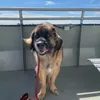
Regulated hunting in the United States is a safe activity enjoyed by over 14 million adults. The Ohio Department of Natural Resources recorded almost 400,000 paid hunting license holders. This number includes hunting of birds, small animals and deer. Regulations exist to preserve, protect and control wildlife populations. Hunting can bring communities together and help feed those in need. It is a skill that can be learned through hunting clubs and trusted family members. In Part One of the Hunting Dogs podcast, my guest, Gary Flynn, shares stories about how he learned about the many facets of hunting from family members. Not all hunters use dogs, but Gary’s initiation to the world of hunting at a young age included neighborhood and family dogs to help in the process. He was able to witness how motivated a dog can become while pursuing their prey. He also experienced a “pecking order” amongst dogs gathered under a tree with a raccoon hanging on for dear life. Everyone knew which dog had the tenacity and skills to snatch the coon out of the tree. It helped Gary learn about individual and pack dog behavior. Living at home versus living in kennelsHunting dogs can live in the house with their humans. Gary can’t imagine not having his dogs live in his house. He trains them with obedience skills that are a necessity when out in the field. He also makes it a priority to teach them manners so he can socialize them inside hunting clubs and with guests coming to his house. Many hunters will keep their dogs separate from social gatherings inside the clubs. They do not go to the extent that Gary does in socializing and training his dogs. Some are of the opinion that hunting dogs will not be effective hunters if they become family dogs. Some hunters prefer to board their dogs at kennels. It provides a safe environment for hunting breeds who like to run and roam over great distances. They will climb over fences and dig their way out of a common crate. These kennels are designed with secure slats that are impossible to bend and are cemented to the ground. The boarding staff is often trained on the specific traits of the different hunting breeds. They are also exercised daily so they stay in good shape in between hunts and during the off season. Over the past 15 years as a dog trainer, there are hunting breeds I frequently see in my obedience classes and private home sessions. I work with a lot of doodles that have either Golden Retriever or Labrador Retriever combined with a poodle, as well as many from the terrier group. It is important to remember that all three of these breeds are hunting dogs by nature. There are also breeds I have never seen before. For example, the Black and Tan Coonhound, pictured on top of the video of the podcast above, the Plott Hound or the Mountain Cur. Regardless of the type of hunting dog you may have, it is highly recommended to fulfill their physical and mental needs in order to maintain a balanced dog.Plott HoundsAs with many hunting breeds, Plott Hounds have a unique bark that can drive a lot of families crazy. They require lots of daily exercise with plenty of space to roam. They are used primarily for hunting larger animals such as bears and boars. They are an intelligent breed which means they need to be challenged not just physically but also mentally. As Gary mentions, some breeds like the Plott Hound can be a challenging family pet due to their high energy and strong prey drive. They can also be difficult to potty train. They may eliminate whenever and wherever they feel like it. Gary advises families with Plott Hounds to put in durable, waterproof vinyl flooring. It may take awhile to fully potty train them! BloodhoundsAnother hunting breed that can be challenging to have as a family pet is a Bloodhound. I have only experienced one Bloodhound in my career as a dog trainer. A woman brought one to Petco for my six week obedience class. He lasted two weeks. He was already a huge dog at 10 months old, which made it difficult to control his urge to jump on everyone and everything. Petco discouraged and forbade their dog trainers from using pinch collars, but when my manager saw how out of control this dog was, he handed me one! Gary jokes about how many Bloodhounds should be in an obedience class - one! Their independent nature requires very patient and consistent training. Their intense tracking instinct sets them in a class above all others. Gary has fond memories of working search and rescue sites with a man who handled Bloodhounds. Tracking vs TrailingWe have all seen our dogs sniffing the ground wherever they walk. If you observe your dog long enough as they are sniffing, sometimes they sniff intensely and seem to follow a path. This is called
Podzilla Summary coming soon
Sign up to get notified when the full AI-powered summary is ready.
Free forever for up to 3 podcasts. No credit card required.
Listen to This Episode
More from From A Dog's Eye View

Search and Rescue Canines at Ground Zero on 9/11/01

How Border Collies Work with Ohio Geese Control
A Guide to Making the Best Food Choices for Your Dog and Cat - Part 2

An Overview of Dog/Cat Nutrition
Get summaries like this every morning.
Free AI-powered recaps of From A Dog's Eye View and your other favorite podcasts, delivered to your inbox.
Free forever for up to 3 podcasts. No credit card required.