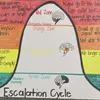
Dr. Jennifer Smith has returned to the Canine Concierge podcast, “From A Dog’s Eye View” to discuss two misunderstood aspects of dog behavior - reactivity and aggression. Dr. Smith is a trauma-informed behavior specialist in Cleveland with extensive experience working with and training dogs. She brings her unique expertise of both humans and dogs to explain the neurological escalation cycle that drives these behaviors. She will also provide practical insights for pet parents struggling with reactive dogs. Together, we hope to help you understand what is happening in your dog’s brain and what you can do to manage and reduce the reactivity and/or aggression.According to Dr. Smith, reactivity is the dog’s expression of how they are interpreting their environment. They assess everything they smell, see, and hear, in that order. This determines what type of reaction they will have. Reactions are the dog’s way to communicate about what they are experiencing. If they are left to express their own reaction to a particular stimulus, they can get in a rut and repeat that same reaction over and over again. It is up to us as handlers to teach them to have a different reaction.“All reactions are communicative in nature.” Dr. Jennifer SmithReactivity is not always an outwardly visible and audible response, like lunging and barking. It is also a passive reaction, such as Dr. Smith’s poodle named Blue, laying in the studio with us. He was told to lie down and stay. He is communicating that he feels safe and will successfully hold that stay until he is released. If he didn’t feel safe, he would be pacing, whining, panting and possibly drooling - all signs of stress. Aggression is the dog’s outward expression that is more severe than their initial instinct to investigate a stimulus they are unsure of. In my opinion, the most dangerous type of aggression is the quiet dog that is not showing the typical signs of an imminent attack. When dogs are improperly trained not to react to stimuli, they can suppress the typical initial signs of possible aggression such as barking and lunging. The dog will react in an explosive manner and go from the green zone to the red zone in a second. Reactivity is not always aggression. There are many factors that play a part in a dog’s reaction to stimuli. To name a few, a dog that is in pain can have an aggressive reaction when touched, but does not mean he is aggressive. A dog that is restrained and can’t reach the desired target can have an aggressive reaction, but should not be labeled aggressive. When dogs are playing, one dog can bark and bite the other dog when there is a disagreement. This may look like an aggressive act, but it is really a form of dog communication. As Dr. Smith mentions how mama dogs scold their puppies when they start getting obnoxious, is not a form of aggression, but a way to communicate to them to settle down. Certain breeds have traits that are more prevalent in some than in others. Some breeds are protective of their territory or owner, causing certain reactions. It is important to know these traits so you can manage them better. Just because your dog lunges and barks at other dogs, doesn’t mean that your dog is now labeled an aggressive dog. Could that dog’s reaction turn into aggression? Absolutely! Depending on the circumstances, your dog may have to defend himself from being attacked and bite the attacker. If your dog feels threatened and pressured enough by the stimulus, he can strike out. All of these factors come into play when assessing reactivity and aggression. Terriers are known to have stronger prey drives than other breeds. Their motivation and persistence when chasing their prey escalates as they pursue their prey more intensely than a dog that is known to retrieve prey. Dogs can be trained to chase but not kill. They can also be trained to maim or kill their prey. They can be trained to pursue and alert their owner where the prey is. It is how the dog is trained to move through these escalation cycles that determines the control you have over your dog. The average dog owner does not pursue this type of advanced training. Therefore, dogs that have not been taught the skillset to move through these drives can become so dangerous to people and animals that they become a liability to their community. This will be discussed in detail with Gary Flynn from The Dog Advocate when we talk about training hunting dogs.It is important to point out that our reactions can be totally different than our dog’s reaction even though we are experiencing the same stimuli in our environment. Their reaction can be starkly different when the dog is experiencing something they smell, see or hear, especially for the very first time. If it becomes a pattern, make a note of your dog’s reactions as they ma
Podzilla Summary coming soon
Sign up to get notified when the full AI-powered summary is ready.
Free forever for up to 3 podcasts. No credit card required.
Listen to This Episode



Get summaries like this every morning.
Free AI-powered recaps of From A Dog's Eye View and your other favorite podcasts, delivered to your inbox.
Free forever for up to 3 podcasts. No credit card required.