Free Daily Podcast Summary
Cat & Nat Unfiltered: Daily Summaries Delivered
by Cat & Nat
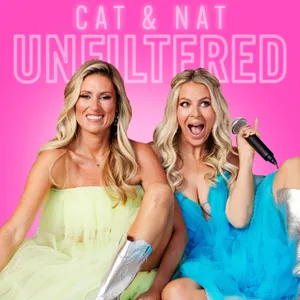
Cat & Nat are two moms/women trying to not live in the confines that society puts on them. As they debunk the myths, challenge the scripts and give women (and men) the freedom to say f*ck it. Through BFF conversations that everyone is thinking about but no one is talking about on Tuesdays, guest interviews on Thursdays and non traditional “Sex Fridays”, Cat & Nat take this podcast to a whole new level of f*ck it, inspiring their listeners to find themselves, their true selves. Not the ones sold by motivational speakers but the self that tried daily, sometimes nailing it and sometimes failing it.Welcome to the brand new season of Cat & Nat Unfiltered, the Podcast! Hosted on Acast. See acast.com/privacy for more information.
Latest Episodes
The most recent episodes — sign up to get AI-powered summaries of each one.
- Yesterday28 min
Do NOT Talk to Your Kid’s Coach
Youth sports: where getting your kid on a team can feel like negotiating a business deal, coaches have celebrity-level status, and somehow the parents are often more invested than the players. We get into the behind-the-scenes world of competitive sports, from parents negotiating ice time, positions, and even team fees, to recruiting, roster politics and the pressure to keep your kid one step ahead. Plus, why are coaches so intimidating, how do rumours get started, and what is it about a youth sports coach that apparently gives them so much “aura”? It's a whole world of deals, drama and sideline behaviour, and the kids might just be the least dramatic people involved.Keywordsyouth hockey, hockey parents, team recruitment, youth sports, hockey coaching, sports parenting, team selectionKey Topics• The hosts distinguish team offers and negotiations from parents demanding a guaranteed role, captaincy, jersey number, or special treatment.• They discuss how promises of position, power-play time, penalty-kill time, and other perks may influence a family’s team choice.• The hosts argue that deals made for adult status or preference can undermine a child’s development and standing with teammates.• They warn that kids overhear parents criticizing other players, and those comments can shape how children treat one another.• They explore why some parents see coaches as inaccessible or intimidating, and how limited contact can fuel rumors and an exaggerated sense of coach status.• The conversation covers the timing and uncertainty of roster decisions, including early recruiting, January feedback, and the frustration of late notice.• They discuss captain selection, favoring a team vote when possible to maintain players’ trust.• A listener’s account of feeling a coach dislikes their child prompts the hosts to suggest clear communication or finding a better fit.• They describe how former coaches may keep in touch with families as part of future recruiting. Hosted on Acast. See acast.com/privacy for more information.
- 4 days ago32 min
ADHD, Hormones or Mom Brain?
Is ADHD suddenly everywhere, or are we just finally recognizing what’s been going on in our brains this whole time? We’re getting into ADHD, neurodivergence, brain fog, hormones and why so many women seem to be struggling as they get older. We talk about whether phones are creating ADHD-like behaviours, how masking and years of coping can eventually catch up with you, and why some kids can look like they’re listening when their brains are actually somewhere completely different. We also get into the different ways ADHD shows up, executive functioning, learning disabilities and why finding the right support can make such a difference. Plus, we discuss the very real gift of being able to move on quickly, not take everything personally, accept constructive criticism without spiralling, and why we might just be a little toxically positive.KeywordsADHD in women, neurodivergence, executive functioning, masking ADHD, learning differences, school support, working memoryKey topicsThe co-hosts wonder whether changing hormones and life demands can make previously manageable ADHD traits feel more difficult, and distinguish their questions from medical advice.They discuss ADHD masking, anxiety, brain fog, and the importance of exploring what is causing a real-life difficulty rather than pursuing a label for its own sake.One host describes executive-function challenges in her child, including transitions, working memory, and the effort of appearing focused while mentally overwhelmed.They recall childhood struggles in school and ask whether earlier ADHD recognition and appropriate support might have helped, while acknowledging that outcomes vary.The hosts reframe traits like moving on quickly, accepting constructive feedback, and taking risks as possible strengths, while recognizing these are personal experiences rather than universal traits.They discuss gratitude and a naturally positive outlook, using Halloween candy and children's excitement as examples of finding happiness in small moments.They describe practical patterns they associate with ADHD, such as working better with someone nearby and relying on visible piles to organize belongings.The conversation questions whether learning assessments explain why a student struggles and imagines schools designed around different learning needs, including more outdoor learning. Hosted on Acast. See acast.com/privacy for more information.
- 5 days ago32 min
Are Our Kids Just Parenting Themselves?
Are we too hands-off as parents, or have we somehow stumbled onto a parenting strategy that actually works? We’re getting into the great parenting debate: how involved should we really be in our kids’ schoolwork, academics and future plans? We talk about raising seven kids who, somehow, have become pretty self-sufficient and intrinsically motivated when it comes to school, whether that was intentional or just sheer luck. We get into university pressure, when kids finally start caring about their grades, why fighting over homework might do more harm than good, and using AI to actually help with studying (not cheating). Plus, we question whether we've done a great job parenting or whether our kids have just figured out how to parent themselves. Honestly, we're still not sure.Keywordsparenting, education, child development, independence, motivation, school, university, homework, parenting strategiesKey Topics* Changing parenting philosophies over time* Balancing hands-on and hands-off parenting* The role of schools and teachers in child success* Encouraging intrinsic motivation and independence* The impact of technology and AI on learning* Pathways and career planning for teens* The importance of early habits and routines* Parenting challenges with homework and school involvement Hosted on Acast. See acast.com/privacy for more information.
- 1 weeks ago30 min
New Team. Same Sh*t. Free Agency Starts in November.
Free agency season is here, and the hockey parents are NOT okay. 🏒😂It's November 1st, four games into the season, and everybody's suddenly shopping for a new team. This week Cat & Nat cover:Free agency chaos:the secret chats, the rumors, and the time a whole team watched one mom talk to two men in suits.Ice time panic:the power play at the end of a game, when parents stop watching the game and start watching who's on the ice.The case for a losing team:why the worst team might be the best place for a goalie, and why losing means learning.The coach who said it out loud:"In 20 months, some of you will be playing against men." Also, a 15-year-old with a grown man's body doesn't have a grown man's brain.Connor McDavid:the best player in the world, and he is no fun when he loses.Life as a hockey parent: a questionable rink angle, a speed trap near the rink, a McDonald's that's the only saving grace, and a family-sized logistics operation just to get to a 4:15 practice.Come for the hockey, stay for the potato-on-ice test. 🥔Keywordsyouth sports, hockey, free agency, team dynamics, sports parenting, hockey training, athlete development, sports culture, hockey season, youth hockeyKey topicsYouth hockey free agency and team changesParenting and coaching in youth sportsThe mental and physical development of young athletesTeam strategies and player positioning in hockeyLife lessons learned through sports and competition Hosted on Acast. See acast.com/privacy for more information.
- 1 weeks ago38 min
HRT, Hot Flashes & Hormones with Dr. Mary Claire Haver
Why does nobody prepare us for perimenopause and menopause? One minute we’re managing our lives just fine, and the next we can’t sleep, can’t remember a word, feel irritated by literally everyone, and wonder what is happening to our bodies.We were so excited to talk to board-certified OB-GYN and Menopause Society Certified Practitioner Dr. Mary Claire Haver to talk about what’s actually happening during the menopause transition, from brain fog, mood changes and weight gain to hormone therapy, sleep and long-term health. We get into the confusion around HRT, why hormone blood tests aren’t the answer everyone thinks they are, and how to know when it’s time to ask for help.Plus, Dr. Haver shares why strength training and protein matter, and what we can do now to feel stronger and healthier as we age. Because we’re not just trying to survive our 40s and 50s. We want to feel good at 60, 70 and beyond.If you’ve ever wondered whether it’s you, your hormones, or everyone around you suddenly becoming unbearable, this episode is for you. You’re not crazy, you’re not alone, and you do not have to suffer through it.Dr. Mary Claire Haver is a #1 New York Times bestselling author of The New Menopause and The New Perimenopause and founder of The ‘Pause Wellness, a clinic dedicated to comprehensive menopause care. She also hosts unPAUSED with Dr. Mary Claire Haver and is a leading voice in menopause education, translating complex science into accessible, evidence-based information for women. For more on Dr. Mary Claire Haver follow her @drmaryclaire. You can find her books and so much more at https://thepauselife.com/.Keywordsperimenopause, menopause, Dr. Mary Claire Haver, hormone therapy, HRT, brain fog, bone health, osteoporosis, vaginal estrogen, menopause symptoms menopause, perimenopause, hormone replacement therapy, HRT, GLP-1, bone density, muscle, visceral fat, women's health, strength trainingKey topicsDr. Haver explains why perimenopause’s effects on sleep, mood, cognition, and the whole body were historically under recognized in medical training.The conversation distinguishes common brain fog, such as losing words or keys, from dementia-related loss of understanding; Haver notes that brain fog is not itself a formal diagnosis.Dr. Haver describes steadier moods, stronger boundaries, and positive changes in her own post-menopause life.Dr. Haver says hormone levels fluctuate too much for a simple perimenopause blood-test baseline; diagnosis relies on symptoms, clinical assessment, and tests to check for other causes.Dr. Haver says every woman deserves an individualized conversation, not a default prescription.Dr. Haver emphasizes that hormone therapy is not a weight-loss drug and that body composition, including muscle and bone, matters beyond the scale. Weight alone can be misleading; maintaining bone and muscle matters, with strength training and adequate nutrition as important supports.She describes increased visceral fat accumulation during the menopause transition and explains why waist measurements and body-composition tracking can reveal more than appearance or scale weight.Dr. Haver says hormone therapy may slow visceral fat accumulation but does not melt fat; she discusses GLP-1 medications as another clinical tool, alongside attention to muscle and bone.She outlines a clinic approach she calls “GPS”: GLP-1 medication, protein tailored to body composition, and strength training.Dr. Haver explains that people with a uterus need endometrial protection when using systemic estrogen, such as with a progestogen or, in some cases, an IUD; she also notes progesterone may be calming and support sleep.The conversation highlights gaps in clinician menopause training, ways to seek informed care, and Haver’s advocacy for better education, care, and insurance coverage.Dr. Haver frames long-term health around strength, quality nutrition, sleep, community, boundaries, and putting health ahead of thinness. Hosted on Acast. See acast.com/privacy for more information.
- 1 weeks ago27 min
University & Money: When Do We Cut Them Off?
How much money are we actually supposed to give our kids when they go off to university? We’re paying for tuition, residence and meal plans, and somehow they still need money for Uber Eats, clothes, nails, groceries and pretty much everything else. How much allowance is reasonable? Should we be giving them a set amount or letting them figure it out themselves? We also get into credit cards, debt, and the things we wish we’d known at their age. Because at some point, we have to stop managing every dollar for them and teach them how to manage it themselves. But how much is too much, and when do you cut them off? We want to hear what you’re budgeting for your kids each month and how they’re making it all work!Keywordsuniversity expenses, student budgeting, financial independence, parental guidance, student life, money management, university costs, financial literacy, student habits, budgeting tipsKey topicsUniversity expenses and costsStudent budgeting habits and habitsParental guidance on financial independenceRealistic spending for students living away from homeLessons in financial literacy for young adults Hosted on Acast. See acast.com/privacy for more information.
- 2 weeks ago12 min
Your Kid Is Eight. Calm the Freak Down!
Hockey parents know that the game is about so much more than what happens on the ice. We’ve encountered so many different types of hockey coaches over the years, from the young, energetic coaches full of promise to the cranky, win-at-all-costs coaches. And then there are the ones who seem to have a little anger management issue.We’re talking screaming coaches, kids getting benched for things that are completely out of their control, brutal mid-season cuts and the parents who are somehow still paying thousands of dollars for the privilege. Because youth sports can bring out the best and the absolute worst in grown-ups. And somewhere in the middle of all the yelling, pressure and team drama, someone needs to remember that these are literally just kids playing a game.Keywordsyouth hockey, coaching styles, parental involvement, youth sports chaos, hockey coaching humorKey topicsDifferent coaching styles and their impactThe role of yelling and discipline in coachingParent and coach dynamics in youth sportsChallenges of team selection and coaching qualityHumorous and chaotic moments in youth hockey Hosted on Acast. See acast.com/privacy for more information.
- 2 weeks ago37 min
A Period. A Party. A White Chair.
From struggling to figure out tampons as a teenager to unexpectedly bleeding through your jeans onto a stranger’s brand-new white chair, no period story is off limits. Nat is sharing her very real, very mortifying experience with the heavy bleeding she’s been dealing with and the frustrating journey of trying to get answers and treatment. Plus, we get into the conversations women need to be having about periods, birth control, HRT, and making decisions about your own body. Add in restless legs, 3 a.m. thought spirals, and a whole lot of questionable opinions about foot size!Keywordswomen's health, menopause, menstrual management, HRT, hormone therapy, personal stories, medical advice, women's wellnessKey topicsMenopause and peri-menopause experiencesTips for managing menstrual health and accidentsInsights into hormone replacement therapy and its controversiesThe importance of trusting and advocating for your doctorUnderstanding the impact of health decisions on daily life Hosted on Acast. See acast.com/privacy for more information.
Get Cat & Nat Unfiltered summaries in your inbox
Free AI-powered daily recaps. Key takeaways, quotes, and mentions — in a 5-minute read.
Get Free Summaries →Free forever for up to 3 podcasts. No credit card required.
You Might Also Like
Listeners also like.

Two Parents & A Podcast
Two parents discuss raising kids, pop culture, and everyday life in candid after-bedtime conversations.

Parenting Out Loud
Discusses current cultural trends, news, and parenting topics with candid, humorous insights for modern parents.

Let's Get Naked
Anne Karber discusses personal growth, relationships, and difficult life topics through candid conversations with guests.

For Crying Out Loud
Two mothers of twins share unfiltered, humorous takes on parenting, marriage, and everyday life with honesty and zero pretense.

Parenting is a Joke
Comedians share candid stories about parenting and childhood, exploring the chaos and humor of raising kids while questioning if they’re truly fine.

Karma & Chaos with Kail Lowry & Becky Hayter
Two friends discuss parenting, relationships, and pop culture while navigating life’s unpredictability in their 30s.

After Bedtime with Big Little Feelings
Honest conversations about modern parenting challenges with practical advice and emotional support from experienced guides.
Care and Feeding | Slate's parenting show
Parents discuss real-life challenges and solutions for raising children from toddlers through teens.

The Unfiltered Trainer: Mindset, Health and Real Life
Explores mindset, health, and personal growth through honest conversations on burnout, midlife change, and real-life challenges.

Sheena Interrupted
Unscripted talks on relationships, parenting, and mental health with humor and honesty.

Good Moms Bad Choices
Two mothers discuss the realities of modern parenting with honesty and humor, embracing both good and bad choices.

Real Talk, Whole Life
Cloud10
About Cat & Nat Unfiltered
Cat & Nat are two moms/women trying to not live in the confines that society puts on them. As they debunk the myths, challenge the scripts and give women (and men) the freedom to say f*ck it. Through BFF conversations that everyone is thinking about but no one is talking about on Tuesdays, guest interviews on Thursdays and non traditional “Sex Fridays”, Cat & Nat take this podcast to a whole new level of f*ck it, inspiring their listeners to find themselves, their true selves. Not the ones sold by motivational speakers but the self that tried daily, sometimes nailing it and sometimes failing it.Welcome to the brand new season of Cat & Nat Unfiltered, the Podcast! Hosted on Acast. See acast.com/privacy for more information.
Customized Recaps
AI-powered recaps with compact key takeaways, quotes, and insights.
Straight to Your Inbox
Get key takeaways from Cat & Nat Unfiltered in a 5-minute read.
Save Hours Every Week
Stay current on your favorite podcasts without falling behind.
Frequently Asked Questions
What is Podzilla's Cat & Nat Unfiltered daily summary?
It's a free AI-powered email that summarizes new episodes of Cat & Nat Unfiltered as soon as they're published. You get the key takeaways, notable quotes, and links & mentions — all in a quick read.
How does the Cat & Nat Unfiltered podcast summary work?
When a new episode drops, our AI transcribes and analyzes it, then generates a personalized summary tailored to your interests and profession. It's delivered to your inbox every morning.
Is this an official Cat & Nat Unfiltered product?
No. Podzilla is an independent service that summarizes publicly available podcast content. We're not affiliated with or endorsed by Cat & Nat.
Can I get summaries of other podcasts too?
Absolutely! The free plan covers up to 3 podcasts, any in the catalog. Basic raises that to 15, Pro to 40 and Max to 100. Browse our full catalog at /podcasts.
What topics does Cat & Nat Unfiltered cover?
Cat & Nat Unfiltered covers topics including Comedy, Parenting, Relationships, Culture, Kids & Family, Society & Culture. Our AI identifies the specific themes in each episode and highlights what matters most to you.
Start getting Cat & Nat Unfiltered summaries tomorrow morning.
Free forever for up to 3 podcasts. No credit card required.
Free forever for up to 3 podcasts. No credit card required.