Free Daily Podcast Summary
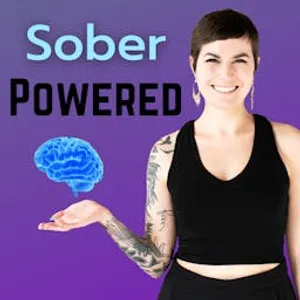
Sober Powered: The Neuroscience of Being Sober: Daily Summaries Delivered
by Gillian Tietz, MS, CPRC
Why do some people stay sober and others relapse back and forth? Getting sober isn’t about restriction, it’s about rewiring your brain to function without intensity, chaos, dopamine spikes, and avoidance. Hosted by Gill Tietz, a former biochemist turned sober coach, this show dives into the neuroscience of long-term sobriety — why some people relapse, why others stay free, and how to build the kind of brain that can handle life without alcohol. Each episode blends science, psychology, and real experience to help you strengthen the four pillars of neuro-resilience: 1. Neural Recovery – healing your brain’s reward and stress systems after alcohol. 2. Emotional Regulation – calming reactivity and learning to feel without escaping. 3. Cognitive Rewiring – changing the thought patterns that pull you backward. 4. Behavioral Integration – designing routines and habits that make being sober your default. Whether you’re newly sober or years in, you’ll learn research-backed tools and mindset shifts so sobriety stops feeling like something you’re trying to want and starts feeling like who you are.
Latest Episodes
The most recent episodes — sign up to get AI-powered summaries of each one.
- 3 days ago25 min
E334: Why We Resist Sobriety and What Acceptance Looks Like at Every Stage
There is a difference between knowing that you need to be sober and accepting that you need to be sober. Acceptance changes the question from “can I drink?” to “since drinking is not an option for me, what do I need now, and what am I going to do next?” In this episode, I’m going to talk about why accepting sobriety can feel like such a loss, how resistance shows up differently when you’re sober curious, newly sober, or years into sobriety, and why you can accept that you have to be sober without liking it, feeling peaceful about it, or pretending that it’s fair. Work with me: Community & Meetings: Living a Sober Powered Life https://www.soberpowered.com/membership Sober coaching https://www.soberpowered.com/sober-coaching Weekly email: You’ll hear from me every week-ish https://www.soberpowered.com/email Support the show: If you enjoyed this episode please consider buying me a coffee to support all the research and effort that goes into this podcast https://www.buymeacoffee.com/soberpowered Thank you for supporting this show by supporting my sponsors https://www.soberpowered.com/sponsors Sources are posted on my website Disclaimer: all of the information described in this podcast is my interpretation of the research combined with my opinion. This is not medical advice. Learn more about your ad choices. Visit megaphone.fm/adchoices
- 1 weeks ago13 min
E333: Understanding the Problem Isn’t the Same as Changing It
There are a few stages that we go through on the path to truly acknowledging our drinking. One of the earlier ones is when drinking feels mysterious, so the “I drank and I don’t know why” or “it’s just a bad habit” person. Another one is getting really into learning and then doing nothing with everything you learn. I got obsessed with the science when I quit drinking. It helped me understand myself and why this happened to me, but learning didn’t help me change what was causing all of my problems. I began shifting this podcast to talk more about behavior change once I noticed the same thing happening with my listeners. Sometimes I’d see people use scientific explanations before looking at the behavior right in front of them. They’d say they drank because PAWS is so hard to deal with, but they were on day 4. You can’t have post-acute withdrawal if you’re still in acute withdrawal. In that moment, the label became a way to explain the behavior without looking at what needed to change. Insight gives us a reason to explain our behavior without having to change it. Work with me: Community & Meetings: Living a Sober Powered Life https://www.soberpowered.com/membership Sober coaching https://www.soberpowered.com/sober-coaching Weekly email: You’ll hear from me every week-ish https://www.soberpowered.com/email Support the show: If you enjoyed this episode please consider buying me a coffee to support all the research and effort that goes into this podcast https://www.buymeacoffee.com/soberpowered Thank you for supporting this show by supporting my sponsors https://www.soberpowered.com/sponsors Sources are posted on my website Disclaimer: all of the information described in this podcast is my interpretation of the research combined with my opinion. This is not medical advice. Learn more about your ad choices. Visit megaphone.fm/adchoices
- 2 weeks ago27 min
High Dopamine, Low Effort Behaviors and Making Sobriety Feel Less Hard (Replay)
Your brain is wired for quick hits of dopamine, or high-reward, low-effort habits that feel good in the moment but sabotage your long-term goals. Over time, this conditions your brain to expect rewards without effort, making real change feel harder than it actually is. In this episode, I’ll explain how these patterns destroy motivation, fuel inconsistent effort, and keep you stuck in the cycle of short bursts of change followed by slinking back to your old ways. You’ll learn how high dopamine, low effort behaviors impact the brain, how this makes us resistant to putting in effort, and 3 ways you may be making being sober feel more difficult for yourself than it needs to be- and how to shift that. What to listen to next: E265: Rewiring Your Reward System After Getting Sober E263: Sugar Cravings After Quitting Drinking E145: ADHD and Alcohol Work with me: Community & Meetings: Living a Sober Powered Life https://www.soberpowered.com/membership Sober coaching https://www.soberpowered.com/sober-coaching Weekly email: You’ll hear from me on Fridays https://www.soberpowered.com/email Courses: The non-negotiable mindset https://www.soberpowered.com/mindset-course Anger Management https://www.soberpowered.com/anger Support the show: If you enjoyed this episode please consider buying me a coffee to support all the research and effort that goes into this podcast https://www.buymeacoffee.com/soberpowered Thank you for supporting this show by supporting my sponsors https://www.soberpowered.com/sponsors Sources are posted on my website Disclaimer: all of the information described in this podcast is my interpretation of the research combined with my opinion. This is not medical advice. Learn more about your ad choices. Visit megaphone.fm/adchoices
- 3 weeks ago12 min
E332: “Am I Bad Enough?”
When you're thinking about your relationship with alcohol you may stay stuck in, "am I bad enough?" for years before taking the next step. This episode is a way to think about the question and the ambivalence of wanting to quit but also secretly hoping you can drink without the consequences someday. Work with me: Community & Meetings: Living a Sober Powered Life https://www.soberpowered.com/membership Sober coaching https://www.soberpowered.com/sober-coaching Weekly email: You’ll hear from me every week-ish https://www.soberpowered.com/email Support the show: If you enjoyed this episode please consider buying me a coffee to support all the research and effort that goes into this podcast https://www.buymeacoffee.com/soberpowered Thank you for supporting this show by supporting my sponsors https://www.soberpowered.com/sponsors Sources are posted on my website Disclaimer: all of the information described in this podcast is my interpretation of the research combined with my opinion. This is not medical advice. Learn more about your ad choices. Visit megaphone.fm/adchoices
- Aug 21, 202618 min
E331: Wanting to Quit Isn’t the Same as Being Willing to Quit
There’s a difference between wanting the pain to stop and being willing to change the pattern, between wanting the benefits of sobriety and being willing to accept what sobriety requires, between saying, “I want to quit,” and actually becoming someone who protects that decision after the urgency fades. Wanting alone will keep you in the same loop if part of you still hopes that alcohol will stay available as an option. Work with me: Community & Meetings: Living a Sober Powered Life https://www.soberpowered.com/membership Sober coaching https://www.soberpowered.com/sober-coaching Weekly email: You’ll hear from me every week-ish https://www.soberpowered.com/email Support the show: If you enjoyed this episode please consider buying me a coffee to support all the research and effort that goes into this podcast https://www.buymeacoffee.com/soberpowered Thank you for supporting this show by supporting my sponsors https://www.soberpowered.com/sponsors Sources are posted on my website Disclaimer: all of the information described in this podcast is my interpretation of the research combined with my opinion. This is not medical advice. Learn more about your ad choices. Visit megaphone.fm/adchoices
- Aug 14, 202616 min
E330: How to Stop Dabbling and Start Doing the Work
This is where I think people misunderstand what “doing the work” actually means. Doing the work is not just listening to sobriety content, understanding the science, or listening to people do the work in meetings. That information matters, but information alone isn’t going to change the pattern. You may have noticed how this podcast has evolved over the years. Each episode used to be a deep dive into the science, and then I’ve talked about it less and less. I learned that understanding what’s going on helps a lot, but it’s really the beginning of the story, not the end. Work with me: Community & Meetings: Living a Sober Powered Life https://www.soberpowered.com/membership Sober coaching https://www.soberpowered.com/sober-coaching Weekly email: You’ll hear from me every week-ish https://www.soberpowered.com/email Support the show: If you enjoyed this episode please consider buying me a coffee to support all the research and effort that goes into this podcast https://www.buymeacoffee.com/soberpowered Thank you for supporting this show by supporting my sponsors https://www.soberpowered.com/sponsors Sources are posted on my website Disclaimer: all of the information described in this podcast is my interpretation of the research combined with my opinion. This is not medical advice. Learn more about your ad choices. Visit megaphone.fm/adchoices
- Aug 7, 202629 min
How Many Attempts Does it Take to Quit Drinking for Good (Replay)
I'm working hard on the last part of the dabbling series, but it's delayed by 1 week because I've been sick. Please enjoy this popular replay about how many times it takes to quit drinking for good. Multiple quit attempts are common when you are trying to get sober, but how many tries does it take before it finally sticks? In this episode I’ll cover the statistics on relapse rates and share all the data I’ve found on the number of quit attempts it takes to stay sober for good. You’ll learn about what makes sobriety more challenging, and what you can do to make this quit attempt your final try. What to listen to next: E249: Alcohol and Cortisol: Extra Stress and Extra Cravings E248: You Can’t Be Comfortable AND Stay Sober E238: Why Moderation Doesn’t Work E197: Making the DECISION to Quit Drinking Sober Support: Community & Meetings: Living a Sober Powered Life https://www.soberpowered.com/membership Weekly emails on Fridays https://www.soberpowered.com/email Thank you for supporting this show by supporting my sponsors. Learn more: https://www.soberpowered.com/sponsors If you enjoyed this episode please consider buying me a coffee to support my work https://www.buymeacoffee.com/soberpowered Sources are posted on my website Disclaimer: all of the information described in this podcast is my interpretation of the research combined with my opinion. This is not medical advice. Learn more about your ad choices. Visit megaphone.fm/adchoices
- Jul 31, 202612 min
E329: What Dabbling Looked Like For Me
Story time. In the last episode, I talked about the difference between dabbling in sobriety and actually committing to it. In the next episode, I’m going to talk more about what it looks like to stop dabbling and start doing the work. But before we get there, I want to tell you a story from when I was sober curious, because this is one of the clearest examples I have of thinking I was committed when I was actually dabbling so you can have an example of what I’m talking about in this dabbling series. Work with me: Community & Meetings: Living a Sober Powered Life https://www.soberpowered.com/membership Sober coaching https://www.soberpowered.com/sober-coaching Weekly email: The best way to stay connected in between episodes https://www.soberpowered.com/email Support the show: If you enjoyed this episode please consider buying me a coffee to support all the research and effort that goes into this podcast https://www.buymeacoffee.com/soberpowered Thank you for supporting this show by supporting my sponsors https://www.soberpowered.com/sponsors Sources are posted on my website Disclaimer: all of the information described in this podcast is my interpretation of the research combined with my opinion. This is not medical advice. Learn more about your ad choices. Visit megaphone.fm/adchoices
Get Sober Powered: The Neuroscience of Being Sober summaries in your inbox
Free AI-powered daily recaps. Key takeaways, quotes, and mentions — in a 5-minute read.
Get Free Summaries →Free forever for up to 3 podcasts. No credit card required.
You Might Also Like
Listeners also like.

This Naked Mind Podcast
Explores the relationship between alcohol, culture, and personal well-being through science, stories, and self-reflection.

Decoded | Unlock The Secrets of Human Behavior, Emotion and Motivation
Explores subconscious patterns behind human behavior and provides tools to rewire destructive cycles and live with intention.

Growth Mindset Psychology: The Science of Self-Improvement
Explores the science behind lasting self-improvement through psychology, neuroscience, and timeless wisdom traditions.

Becoming UnDone with Dr. Toby Brooks
Explores how high-achievers rebuild after hitting rock bottom, facing burnout, or losing their identity.

We're Out of Time
Discusses the fentanyl crisis, mental health, and resilience through interviews with recovery experts, survivors, and public figures.
The Balanced, Beautiful and Abundant Show - Rebecca Whitman
A coach helps high-achieving women overcome burnout using a framework centered on spiritual, emotional, physical, and financial well-being.

The Dr. Hyman Show
Explores root causes of chronic disease and promotes functional medicine, nutrition, and preventive health through expert discussions.

Rooted in Wellness with Mona Sharma
A holistic nutritionist blends ancient wellness practices with modern science to address mind, body, and soul health.

Sober Cast: An (unofficial) Alcoholics Anonymous Podcast AA
AA speaker meetings and workshops delivered in podcast form for those in recovery.

Sh!t That Goes On In Our Heads
Friends discuss mental health, relationships, parenting, and pop culture with humor and honesty to encourage open conversations.

Psychiatry & Psychotherapy Podcast
Explores psychiatry and psychotherapy through interviews with experts, trainees, and individuals sharing lived mental health experiences.

The 12-Step Buddhist Podcast
Explores Buddhist principles and mindfulness practices integrated with 12-step recovery to heal trauma and addiction.
About Sober Powered: The Neuroscience of Being Sober
Why do some people stay sober and others relapse back and forth? Getting sober isn’t about restriction, it’s about rewiring your brain to function without intensity, chaos, dopamine spikes, and avoidance. Hosted by Gill Tietz, a former biochemist turned sober coach, this show dives into the neuroscience of long-term sobriety — why some people relapse, why others stay free, and how to build the kind of brain that can handle life without alcohol. Each episode blends science, psychology, and real experience to help you strengthen the four pillars of neuro-resilience: 1. Neural Recovery – healing your brain’s reward and stress systems after alcohol. 2. Emotional Regulation – calming reactivity and learning to feel without escaping. 3. Cognitive Rewiring – changing the thought patterns that pull you backward. 4. Behavioral Integration – designing routines and habits that make being sober your default. Whether you’re newly sober or years in, you’ll learn research-backed tools and mindset shifts so sobriety stops feeling like something you’re trying to want and starts feeling like who you are.
Customized Recaps
AI-powered recaps with compact key takeaways, quotes, and insights.
Straight to Your Inbox
Get key takeaways from Sober Powered: The Neuroscience of Being Sober in a 5-minute read.
Save Hours Every Week
Stay current on your favorite podcasts without falling behind.
Frequently Asked Questions
What is Podzilla's Sober Powered: The Neuroscience of Being Sober daily summary?
It's a free AI-powered email that summarizes new episodes of Sober Powered: The Neuroscience of Being Sober as soon as they're published. You get the key takeaways, notable quotes, and links & mentions — all in a quick read.
How does the Sober Powered: The Neuroscience of Being Sober podcast summary work?
When a new episode drops, our AI transcribes and analyzes it, then generates a personalized summary tailored to your interests and profession. It's delivered to your inbox every morning.
Is this an official Sober Powered: The Neuroscience of Being Sober product?
No. Podzilla is an independent service that summarizes publicly available podcast content. We're not affiliated with or endorsed by Gillian Tietz, MS, CPRC.
Can I get summaries of other podcasts too?
Absolutely! The free plan covers up to 3 podcasts. Upgrade to Pro for 15, or Premium for 50. Browse our full catalog at /podcasts.
How often does Sober Powered: The Neuroscience of Being Sober release new episodes?
Sober Powered: The Neuroscience of Being Sober publishes weekly. Our AI generates a summary within hours of each new episode.
What topics does Sober Powered: The Neuroscience of Being Sober cover?
Sober Powered: The Neuroscience of Being Sober covers topics including Science, Education, Fitness, Health & Fitness, Mental Health, Self-Improvement. Our AI identifies the specific themes in each episode and highlights what matters most to you.
Start getting Sober Powered: The Neuroscience of Being Sober summaries tomorrow morning.
Free forever for up to 3 podcasts. No credit card required.
Free forever for up to 3 podcasts. No credit card required.