Free Daily Podcast Summary
Recovery FOR the Narcissist | Narcissism: Daily Summaries Delivered
by Dr. Eric Perry, PhD
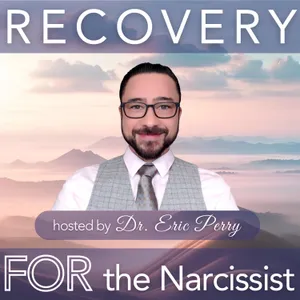
Hosted by Dr. Eric Perry, this podcast offers insights, support, and encouragement for individuals with narcissistic tendencies. Dr. Perry examines how these tendencies influence behavior, impact relationships, and offers practical self-improvement strategies. He aims to help listeners break negative patterns and live more meaningful, empathic, and fulfilling lives.
Latest Episodes
The most recent episodes — sign up to get AI-powered summaries of each one.
- Aug 4, 202643 min
Why Your Partner No Longer Feels Safe With You
In this episode of Recovery for the Narcissist, Dr. Eric Perry examines how contempt, chronic irritation, emotional withdrawal, and defensiveness can slowly transform the emotional atmosphere of a relationship. These behaviors may not be intended to cause harm, yet over time, they can leave a partner feeling dismissed, unwanted, and emotionally unsafe.Dr. Perry explains how contempt is not always expressed through obvious cruelty, insults, or hostility. It often appears quietly through an impatient tone, dismissive responses, constant correction, sarcasm, emotional distance, or an unwillingness to remain present during difficult conversations. He explores how these patterns may develop as protective responses to vulnerability, shame, criticism, and the fear of emotional exposure—and why the defenses that once helped someone feel safe can eventually prevent genuine closeness.Listeners will learn about:How contempt gradually changes the emotional atmosphere of a relationshipThe difference between emotional intention and emotional impactWhy vulnerability may trigger criticism, defensiveness, or withdrawalHow narcissistic defenses can turn fear and shame into emotional distanceThe repeating cycle between a partner seeking reassurance and another pulling awayHow to recognize defensiveness before it takes control of a conversationThe importance of curiosity, validation, warmth, and emotional presenceHow quicker repair and consistent accountability can begin rebuilding trustDr. Perry offers a compassionate and emotionally grounded perspective for those who genuinely love their partner but struggle to understand why closeness becomes uncomfortable or conflict repeatedly creates distance. Whether you identify with narcissistic tendencies, become defensive during emotional conversations, or recognize that someone you love no longer feels safe approaching you, this episode provides practical guidance for interrupting old patterns and responding with greater awareness.Tune in to understand how emotional safety is lost through small, repeated moments—and how it can be rebuilt in the same way. Lasting change does not require perfection. It begins by noticing your reactions, becoming curious about what you are protecting, taking responsibility for your impact, and choosing connection over self-protection one conversation at a time.Connect with Dr. Perry: https://drericperry.comOwn Your Stuff Online Coaching Group: https://drericperry.com/ownyourstuffEmpathy Awakening Workshop: https://drericperry.com/empathyawakeningDisclaimer: The content contained in this podcast is for general information only and is not intended to be a substitute for professional advice, assessment, diagnosis, or treatment. Listeners should not rely on the information provided for their own health needs. All specific questions should be presented to your own healthcare provider. Listening to this podcast in no way creates a professional/working relationship between the listener and the host. If at any time you have an emergency while listening, please contact your local emergency center immediately.
- May 31, 202626 min
From Worship to Withdrawal: The Idealize–Devalue–Withdraw Cycle
In this episode of Recovery for the Narcissist, Dr. Eric Perry explores the Idealize–Devalue–Withdraw Cycle, a common but often misunderstood pattern that shapes many relationships involving individuals with narcissistic traits. This episode examines why relationships can begin with intense admiration, emotional investment, and a powerful sense of connection, only to gradually shift toward disappointment, criticism, emotional distancing, and eventual withdrawal. Drawing from the work of psychoanalyst Otto Kernberg and object relations theory, Dr. Perry explains how unconscious defenses shape the way individuals experience intimacy, vulnerability, and self-worth. He explores how idealization is often used to stabilize identity and regulate self-esteem, why devaluation occurs when others no longer serve that emotional function, and how withdrawal becomes a strategy for managing emotional discomfort, dependency, and fear of exposure. The episode also examines the roles of splitting, emotional dysregulation, and vicarious achievement in sustaining these repetitive relationship patterns. Listeners will learn about: The Idealize–Devalue–Withdraw Cycle and why it repeats Otto Kernberg’s theory of narcissistic personality structure How splitting causes others to be viewed as all good or all bad The role of self-esteem regulation in intimate relationships Why dependency and emotional vulnerability can feel threatening How emotional dysregulation fuels devaluation and withdrawal The concept of vicarious achievement and identity regulation How awareness can interrupt the cycle and create healthier connection Dr. Perry offers a compassionate and psychologically grounded perspective for individuals who find themselves repeatedly losing interest in relationships, becoming emotionally distant when intimacy deepens, or struggling to understand why connection so often gives way to withdrawal. Whether you identify with narcissistic traits or simply recognize aspects of this pattern in your own life, this episode provides insight into the hidden emotional mechanisms operating beneath the surface. Tune in to understand how greater self-awareness can transform the way you relate to yourself and others. Healing begins when you learn to tolerate emotional complexity, remain present during discomfort, and develop a more stable internal sense of worth that no longer depends on idealization, devaluation, or retreat. Real connection becomes possible when you stop reacting to old defenses and begin responding with awareness. Connect with Dr. Perry: https://drericperry.com Own Your Stuff Online Coaching Group: https://drericperry.com/ownyourstuff Empathy Awakening Workshop: https://drericperry.com/empathyawakening Disclaimer: The content contained in this podcast is for general information only and is not intended to be a substitute for professional advice, assessment, diagnosis, or treatment. Listeners should not rely on the information provided for their own health needs. All specific questions should be presented to your own healthcare provider. Listening to this podcast in no way creates a professional/working relationship between the listener and the host. If at any time you have an emergency while listening, please contact your local emergency center immediately.
- Dec 7, 202532 min
The Hidden Roles We Play: Transactional Analysis and Breaking Free from the Drama Triangle
In this episode of Recovery for the Narcissist, Dr. Eric Perry examines the deep emotional patterns that shape our reactions during moments of stress, conflict, and relational rupture. This episode explores the Victim Triangle and the foundations of Transactional Analysis, revealing how old childhood survival roles continue to shape our adult relationships in ways we often do not recognize.Dr. Perry explains how the three roles of the Drama Triangle—Victim, Rescuer, and Persecutor—emerge not from weakness or malice, but from early attempts to feel safe, valued, and emotionally connected. He explores how these roles become automatic responses in adulthood, especially in relationships marked by emotional imbalance or narcissistic dynamics, and how they keep both partners stuck in cycles of misunderstanding and emotional defensiveness.Listeners will learn about: The origins of the Victim, Rescuer, and Persecutor roles How Transactional Analysis shapes communication patterns Why familiar emotional roles feel like “home,” even when painful How these roles operate in narcissistic relationships The Empowerment Triangle: Creator, Coach, and Challenger How to shift from reactive patterns into conscious, grounded connectionDr. Perry offers a compassionate and emotionally grounded perspective for those who find themselves repeating the same arguments, feeling emotionally hijacked, or trapped in roles they no longer want to play. Whether you identify with narcissistic traits or have struggled to maintain connection in difficult relationships, this episode provides clarity, language, and gentle guidance for stepping out of survival patterns and back into presence.Tune in to understand how awareness, emotional honesty, and grounded self-connection can transform old relational scripts. Healing begins not by perfecting your behavior, but by recognizing the roles you were once forced to play—and remembering that you no longer have to live inside them.Connect with Dr. Perry: https://drericperry.comOwn Your Stuff Online Coaching Group: https://drericperry.com/ownyourstuffEmpathy Awakening Workshop: https://drericperry.com/empathyawakeningDisclaimer: The content contained in this podcast is for general information only and is not intended to be a substitute for professional advice, assessment, diagnosis, or treatment. Listeners should not rely on the information provided for their own health needs. All specific questions should be presented to your own healthcare provider. Listening to this podcast in no way creates a professional/working relationship between the listener and the host. If at any time you have an emergency while listening, please contact your local emergency center immediately.
- Dec 2, 202518 min
Self-Loathing in the Narcissistic Self: When the Mask Cracks
In this episode of Recovery for the Narcissist, Dr. Eric Perry explores the hidden emotional engine beneath narcissistic defenses: self-loathing. This episode examines how deep internal shame, formed early in life and carried silently into adulthood, shapes emotional reactions, relational patterns, and the need to maintain a polished exterior at all times.Dr. Perry explains how this inner narrative—the quiet belief of not being enough—leads many individuals with narcissistic traits to perform strength rather than inhabit authenticity. He explores how self-loathing fuels perfectionism, emotional guardedness, and an intense fear of being truly known, while simultaneously creating a painful hunger for real closeness.Listeners will learn about:How the false self forms as a protective performanceThe role of shame in shaping narcissistic identityThe hidden emotional cost of maintaining the maskHow self-loathing interferes with vulnerability and attachmentFive pathways toward healing through honesty and compassionate self-contactDr. Perry offers a deeply humane perspective for those who have felt the exhausting burden of performing competence, confidence, or superiority while privately fighting feelings of unworthiness. Whether you have struggled to let others in or have pushed away love out of fear rather than indifference, this episode gives language and clarity to an emotional experience that rarely gets acknowledged out loud.Tune in to discover how gentleness, patience, and emotional presence can slowly restore the connection between the self you show to the world and the self you’ve learned to hide. Healing begins not with perfection, but with allowing yourself to be seen—imperfectly, authentically, and without the armor of performance.Connect with Dr. Perry: https://drericperry.comOwn Your Stuff Online Coaching Group: https://drericperry.com/ownyourstuffEmpathy Awakening Workshop: https://drericperry.com/empathyawakeningDisclaimer: The content contained in this podcast is for general information only and is not intended to be a substitute for professional advice, assessment, diagnosis, or treatment. Listeners should not rely on the information provided for their own health needs. All specific questions should be presented to your own healthcare provider. Listening to this podcast in no way creates a professional/working relationship between the listener and the host. If at any time you have an emergency while listening, please contact your local emergency center immediately.
- Nov 19, 202514 min
Rebounding After Relationship Rupture: The Dangers of Premature Repair
In this episode of Recovery for the Narcissist, Dr. Eric Perry explores the delicate, often misunderstood moment that follows an interpersonal disconnect. This episode examines how micro-ruptures—those subtle moments when a tone shifts, a comment lands poorly, or a sense of distance quietly appears—can profoundly impact emotional safety long before anything is acknowledged out loud.Dr. Perry unpacks why these moments are uniquely challenging for individuals with narcissistic tendencies. He explains how discomfort, shame, and the loss of emotional control can activate defensive strategies that feel instinctive in the moment but ultimately undermine trust and connection. Instead of regulating internally, many unconsciously reach for overt defense, covert defense, or premature repair—attempts to ease their own discomfort rather than meet the relational moment with presence.Listeners will learn about: What micro-ruptures look like in real-life dynamics Why narcissistic individuals often rush to repair in order to regain emotional control The difference between emotional urgency and emotional responsibility How premature repair protects comfort but blocks connection Five essential practices for meaningful reconnectionDr. Perry offers clear and compassionate insight for anyone who has felt the sting of a subtle disconnect—or for those who may unintentionally respond to these moments with speed rather than attunement. Whether you’ve sensed emotional distance growing without understanding why, or you’ve noticed your own instinct to “fix things” too quickly, this episode brings clarity, language, and a framework for authentic repair.Tune in to discover how slowing down, staying present, and tolerating discomfort can transform a disconnect from a moment of emotional rupture into an opportunity for genuine reconnection. Healing in relationships begins not with perfection, but with presence, responsibility, and the choice to rebuild emotional safety one moment at a time.Connect with Dr. Perry: https://drericperry.comOwn Your Stuff Online Coaching Group: https://drericperry.com/ownyourstuffEmpathy Awakening Workshop: https://drericperry.com/empathyawakeningDisclaimer: The content contained in this podcast is for general information only and is not intended to be a substitute for professional advice, assessment, diagnosis, or treatment. Listeners should not rely on the information provided for their own health needs. All specific questions should be presented to your own healthcare provider. Listening to this podcast in no way creates a professional/working relationship between the listener and the host. If at any time you have an emergency while listening, please contact your local emergency center immediately.
- Jul 4, 202512 min
Frustration Leaks: The Subtle Erosion of Emotional Safety in Narcissistic Relationships
In this episode of Recovery for the Narcissist, Dr. Eric Perry explores the subtle but powerful impact of frustration leaks in narcissistic relationships. This episode explores how unspoken emotional distress—expressed through sighs, muttering, or tension-filled body language—can quietly alter the emotional safety of a relationship without a single word being said.Dr. Perry unpacks the psychological mechanics of frustration leaks, highlighting how this behavior often reflects a deeper struggle with emotional regulation and vulnerability. He explains why individuals with narcissistic tendencies may externalize distress in indirect ways—and how those around them are left to absorb the emotional weight of what goes unspoken.Listeners will learn about: What frustration leaks look like in real-life dynamics Why narcissistic individuals often externalize emotional distress unconsciously The difference between self-regulation and emotional outsourcing How subtle expressions of frustration can create emotional pressure and distance Practical tools to contain emotion, name impact, and rebuild emotional safetyDr. Perry offers clear and compassionate insight for both those who have experienced the tension of frustration leaks and those who may be unintentionally creating it. Whether you have noticed a growing emotional distance in your relationship or felt the weight of someone else’s mood without understanding why, this episode provides language, clarity, and a path toward change.Tune in to discover how frustration—when acknowledged rather than leaked—can become a moment of honest connection rather than quiet rupture. Healing begins not with denial or perfection, but with presence, ownership, and the choice to create emotional safety, one moment at a time.Connect with Dr. Perry: https://drericperry.comOwn Your Stuff Online Coaching Group: https://drericperry.com/ownyourstuffEmpathy Awakening Workshop: https://drericperry.com/empathyawakeningDisclaimer: The content contained in this podcast is for general information only and is not intended to be a substitute for professional advice, assessment, diagnosis, or treatment. Listeners should not rely on the information provided for their own health needs. All specific questions should be presented to your own healthcare provider. Listening to this podcast in no way creates a professional/working relationship between the listener and the host. If at any time you have an emergency while listening, please contact your local emergency center immediately.
- Jun 3, 202516 min
Emotional Invalidation: The Hidden Harm in Narcissistic Relationships
In this episode of Recovery for the Narcissist, Dr. Eric Perry explores the quiet yet deeply damaging experience of emotional invalidation in narcissistic relationships. This episode examines how subtle forms of dismissal, deflection, and emotional withdrawal can slowly erode a partner’s sense of self—leaving them feeling confused, unseen, and emotionally alone.Dr. Perry unpacks the psychological mechanics of emotional invalidation, highlighting how it often masquerades as logic, reason, or even care. He explains why individuals with narcissistic tendencies struggle to tolerate emotional vulnerability—and how their attempts to manage discomfort often result in silencing the people closest to them.Listeners will learn about: What emotional invalidation looks like in real-life dynamics Why narcissistic individuals often use invalidation—consciously or unconsciously The difference between healthy disagreement and emotional dismissal How chronic invalidation distorts emotional reality and damages trust Practical ways to identify invalidation and begin rebuilding emotional safetyDr. Perry offers clear and compassionate insight for both those who have experienced emotional invalidation and those who may be unintentionally causing it. Whether you’ve found yourself walking on eggshells or noticing a growing emotional distance in your relationship, this episode provides language, clarity, and hope.Tune in to discover how emotional validation—simple acts of presence, witnessing, and non-defensive listening—can transform a relationship from emotionally unsafe to emotionally connected. Healing begins not with control or correction, but with the courage to truly hear and be heard.Connect with Dr. Perry: https://drericperry.comOwn Your Stuff Online Coaching Group: https://drericperry.com/ownyourstuffEmpathy Awakening Workshop: https://drericperry.com/empathyawakeningDisclaimer: The content contained in this podcast is for general information only and is not intended to be a substitute for professional advice, assessment, diagnosis, or treatment. Listeners should not rely on the information provided for their own health needs. All specific questions should be presented to your own healthcare provider. Listening to this podcast in no way creates a professional/working relationship between the listener and the host. If at any time you have an emergency while listening, please contact your local emergency center immediately.
- May 16, 202514 min
Narcissistic Mirroring Uncovered: The Performance of Connection
In this episode of Recovery for the Narcissist, Dr. Eric Perry explores the complex and often misunderstood phenomenon of mirroring in narcissistic relationships. This episode dives into how mirroring can create the illusion of deep connection—while quietly eroding authenticity, trust, and emotional intimacy.Dr. Perry unpacks the psychological roots of mirroring, tracing it from early childhood development to its manipulative adaptation in adulthood. He explains how individuals with narcissistic tendencies often use mirroring—consciously or unconsciously—as a way to build connection, avoid rejection, and emotionally survive within relationships.Listeners will learn about: The origins of mirroring and how it forms in childhood How narcissistic individuals use mirroring to create rapid emotional closeness Why mirroring feels like connection at first—but leads to disconnection over time The emotional toll of being mirrored instead of truly seen Practical steps to recognize mirroring patterns and rebuild real, honest connectionDr. Perry offers clear and compassionate guidance for those who find themselves stuck in cycles of performative connection. Whether you have used mirroring to feel accepted or have been on the receiving end of it, this episode provides insight, validation, and a path forward.Tune in to discover how moving from imitation to authenticity can heal your relationships—from shallow and performative to grounded and real. Through honest self-reflection and small acts of vulnerability, true intimacy becomes possible—not by becoming who someone wants you to be, but by becoming more fully yourself.Connect with Dr. Perry: https://drericperry.comOwn Your Stuff Online Coaching Group: https://drericperry.com/ownyourstuffEmpathy Awakening Workshop: https://drericperry.com/empathyawakeningDisclaimer: The content contained in this podcast is for general information only and is not intended to be a substitute for professional advice, assessment, diagnosis, or treatment. Listeners should not rely on the information provided for their own health needs. All specific questions should be presented to your own healthcare provider. Listening to this podcast in no way creates a professional/working relationship between the listener and the host. If at any time you have an emergency while listening, please contact your local emergency center immediately.
Get Recovery FOR the Narcissist | Narcissism summaries in your inbox
Free AI-powered daily recaps. Key takeaways, quotes, and mentions — in a 5-minute read.
Get Free Summaries →Free forever for up to 3 podcasts. No credit card required.
You Might Also Like
Listeners also like.

Navigating Narcissism with Dr. Ramani
A clinical psychologist examines narcissistic abuse, covering manipulation, gaslighting, and emotional recovery through expert and survivor discussions.

The Game EXPOSED: Narcissist & Narcissistic Abuse
Explores toxic relationships, narcissistic abuse, and red flags in love and betrayal.

Psychiatry & Psychotherapy Podcast
Explores psychiatry and psychotherapy through interviews with experts, trainees, and individuals sharing lived mental health experiences.

The One You Feed | Personal Growth, Emotional Resilience & Purpose
Insightful conversations with leading thinkers on personal growth, emotional resilience, and living with purpose.

Betrayal Trauma Recovery
Women share their journeys of healing and recovery after enduring emotional abuse, infidelity, and betrayal by their husbands.

Being Well with Forrest Hanson and Dr. Rick Hanson
Explores the science of lasting well-being through psychology, neuroscience, and mindfulness with expert guests.

The Sabrina Zohar Show
Explores modern dating, anxious attachment, and personal growth through raw conversations on healing and self-discovery.

Get Obsessed : With Living Your Best Life
Experts and personal stories guide listeners through life changes, covering personal development, relationships, and overcoming fear.

Aware and Aggravated
Aware and Aggravated

A Bit of Optimism
Conversations with thinkers and doers exploring what drives purpose, growth, and meaning in life.

The 12-Step Buddhist Podcast
Explores Buddhist principles and mindfulness practices integrated with 12-step recovery to heal trauma and addiction.

Becoming UnDone with Dr. Toby Brooks
Explores how high-achievers rebuild after hitting rock bottom, facing burnout, or losing their identity.
About Recovery FOR the Narcissist | Narcissism
Hosted by Dr. Eric Perry, this podcast offers insights, support, and encouragement for individuals with narcissistic tendencies. Dr. Perry examines how these tendencies influence behavior, impact relationships, and offers practical self-improvement strategies. He aims to help listeners break negative patterns and live more meaningful, empathic, and fulfilling lives.
Customized Recaps
AI-powered recaps with compact key takeaways, quotes, and insights.
Straight to Your Inbox
Get key takeaways from Recovery FOR the Narcissist | Narcissism in a 5-minute read.
Save Hours Every Week
Stay current on your favorite podcasts without falling behind.
Frequently Asked Questions
What is Podzilla's Recovery FOR the Narcissist | Narcissism daily summary?
It's a free AI-powered email that summarizes new episodes of Recovery FOR the Narcissist | Narcissism as soon as they're published. You get the key takeaways, notable quotes, and links & mentions — all in a quick read.
How does the Recovery FOR the Narcissist | Narcissism podcast summary work?
When a new episode drops, our AI transcribes and analyzes it, then generates a personalized summary tailored to your interests and profession. It's delivered to your inbox every morning.
Is this an official Recovery FOR the Narcissist | Narcissism product?
No. Podzilla is an independent service that summarizes publicly available podcast content. We're not affiliated with or endorsed by Dr. Eric Perry, PhD.
Can I get summaries of other podcasts too?
Absolutely! The free plan covers up to 3 podcasts. Upgrade to Pro for 15, or Premium for 50. Browse our full catalog at /podcasts.
What topics does Recovery FOR the Narcissist | Narcissism cover?
Recovery FOR the Narcissist | Narcissism covers topics including Education, Self-Improvement. Our AI identifies the specific themes in each episode and highlights what matters most to you.
Start getting Recovery FOR the Narcissist | Narcissism summaries tomorrow morning.
Free forever for up to 3 podcasts. No credit card required.
Free forever for up to 3 podcasts. No credit card required.