Free Daily Podcast Summary
Modern Love: Daily Summaries Delivered
by The New York Times
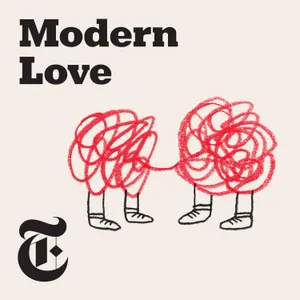
For more than 20 years, the Modern Love column has given New York Times readers a glimpse into the complicated love lives of real people. Since its start, the column has evolved into a TV show, three books and a podcast. Each week, host Anna Martin brings you stories and conversations about love in all its glorious permutations, dumb pitfalls and life-changing moments.
Latest Episodes
The most recent episodes — sign up to get AI-powered summaries of each one.
- 4 days ago51 min
I Was That Cliché Divorced Guy, and I Knew It
Joe Swanberg married the first person he ever seriously dated. When that marriage ended, his romantic life got complicated. Messy, even. He started dating younger women, ended up in an elaborate love triangle, and completely changed his mind about whether he wanted to marry and have children again. He openly describes it as a cliché midlife crisis.Swanberg is no stranger to messy relationships. Throughout his career making television and films, his work has focused on the gray areas of relationships and their difficult-to-navigate emotional territory. So when he hit his own difficult relationship moment, he channeled it into his new film, “The Sun Never Sets.”This week on the “Modern Love” podcast, Swanberg talks about the real-life story that inspired the film, what he’s learned in the process of cleaning up his own mess, and how his approach to relationships is changing.Here’s how to submit a Modern Love essay. Here’s how to submit a Tiny Love Story. Subscribe today at nytimes.com/podcasts or on Apple Podcasts and Spotify. You can also subscribe via your favorite podcast app here. For more podcasts and narrated articles, download The New York Times app at nytimes.com/app. Hosted by Simplecast, an AdsWizz company. See pcm.adswizz.com for information about our collection and use of personal data for advertising.
- 1 weeks ago48 min
How to Feed Your Feelings After Divorce
Carla Lalli is well known as a chef and a cookbook author. But after many years in food media, working at places like Bon Appétit, she started to lose her personal connection to cooking. It wasn’t until her 24-year-long marriage ended and she had to start cooking for herself as a newly single person, that she re-engaged with why she loved to cook and what made her feel good. She details many of these discoveries and recipes in her new memoir-meets-cookbook, “Food Is a Feeling.” On this episode of “Modern Love,” Lalli tells the host Anna Martin about the specific meals and experiences that helped her reconnect with her pleasure and cravings at this pivotal time in her life. And she talks about the value of cooking as a tool for transforming a really bad day. Subscribe today at nytimes.com/podcasts or on Apple Podcasts and Spotify. You can also subscribe via your favorite podcast app here. For more podcasts and narrated articles, download The New York Times app at nytimes.com/app. Hosted by Simplecast, an AdsWizz company. See pcm.adswizz.com for information about our collection and use of personal data for advertising.
- 2 weeks ago37 min
In 24 Hours, My Whole Life Changed
Blake Martin was in his car waiting to pick up pizza when a notification from his doctor hit his phone. As he read it, his stomach dropped and his mind started racing. It was the second life-changing piece of news he’d received within 24 hours, and it threw his entire idea of the future into question. Now, he had to pick up his pizza, head home and tell his wife. This week on the “Modern Love” podcast, Martin explains what he learned about the future of his family and his health, and how he and his wife began to navigate their new reality. Read Blake Martin's “Modern Love” essay here. Here’s how to submit a Modern Love essay. Here’s how to submit a Tiny Love Story. Subscribe today at nytimes.com/podcasts or on Apple Podcasts and Spotify. You can also subscribe via your favorite podcast app here. For more podcasts and narrated articles, download The New York Times app at nytimes.com/app. Hosted by Simplecast, an AdsWizz company. See pcm.adswizz.com for information about our collection and use of personal data for advertising.
- 3 weeks ago37 min
Hosting an Orgy Is About More Than Just Sex
Jess Zakira Wise knew she wanted to experiment with group sex, but as she got into the scene she struggled to find a sex party where she felt comfortable. She kept finding spaces that were male-dominated and heteronormative, things she was trying to escape from. So, Jess started to organize her own parties. This week on “Modern Love,” Wise explains what makes a great sex party, and why it’s often more about communication, curiosity and respect for one’s own desires than anything else. Here’s how to submit a Modern Love essay. Here’s how to submit a Tiny Love Story. Subscribe today at nytimes.com/podcasts or on Apple Podcasts and Spotify. You can also subscribe via your favorite podcast app here. For more podcasts and narrated articles, download The New York Times app at nytimes.com/app. Subscribe today at nytimes.com/podcasts or on Apple Podcasts and Spotify. You can also subscribe via your favorite podcast app here. For more podcasts and narrated articles, download The New York Times app at nytimes.com/app. Subscribe today at nytimes.com/podcasts or on Apple Podcasts and Spotify. You can also subscribe via your favorite podcast app here. For more podcasts and narrated articles, download The New York Times app at nytimes.com/app. Hosted by Simplecast, an AdsWizz company. See pcm.adswizz.com for information about our collection and use of personal data for advertising.
- Aug 19, 202639 min
I Don’t Trust A.I. But I Told it Everything
The tech writer and podcaster Bridget Todd was sure she’d never get attached to A.I. chatbots. She was suspicious of the companies behind them, and when she saw articles popping up about people who said they loved their bots, she said she found their situations sad and potentially dangerous. Besides, Bridget didn’t have an empty hole in her life to fill. She had a supportive human partner. She had friends and a tight knit family. But then Bridget’s life started to unravel. After the death of her parents, she was flooded with fear, grief and a kind of isolation she was not prepared for. That’s when she started telling A.I. what she couldn’t tell the people in her life. Its responses filled a void. In this episode of “Modern Love,” Bridget tells its host, Anna Martin, what happened when the boundary between human and digital companion got fuzzy, and what life looks like for her on the other side. Bridget’s audio book, “Love at First Prompt: AI and the Future of Intimacy,” is out now. Here’s how to submit a Modern Love essay. Here’s how to submit a Tiny Love Story. Subscribe today at nytimes.com/podcasts or on Apple Podcasts and Spotify. You can also subscribe via your favorite podcast app here. For more podcasts and narrated articles, download The New York Times app at nytimes.com/app. Subscribe today at nytimes.com/podcasts or on Apple Podcasts and Spotify. You can also subscribe via your favorite podcast app here. For more podcasts and narrated articles, download The New York Times app at nytimes.com/app. Hosted by Simplecast, an AdsWizz company. See pcm.adswizz.com for information about our collection and use of personal data for advertising.
- Aug 12, 202649 min
Am I Too Anxious for Love?
Jenny Singer thought she had a lung fungus. That would explain the shortness of breath that she was experiencing. The doctor’s other explanation was anxiety, which seemed completely out of the question to her. But as time went on, Jenny found herself increasingly focused on her “breathing problem,” as she called it, in a way that made it nearly impossible to connect with anyone. Eventually, Singer realized she didn’t have a lung fungus. She admitted to herself that she felt anxious and concluded that she wasn’t cut out for the kind of romantic connection she desired. Then, she met someone she absolutely did not want a romantic connection with, and hanging out with him felt great. Suddenly, she no longer felt anxious. It was exactly what she needed. This week on the “Modern Love” podcast, Singer explains how anxiety interfered in her love life, and what it took to find the kind of relationship she always wanted. Here’s how to submit a Modern Love essay. Here’s how to submit a Tiny Love Story. Subscribe today at nytimes.com/podcasts or on Apple Podcasts and Spotify. You can also subscribe via your favorite podcast app here. For more podcasts and narrated articles, download The New York Times app at nytimes.com/app. Hosted by Simplecast, an AdsWizz company. See pcm.adswizz.com for information about our collection and use of personal data for advertising.
- Aug 5, 20261h 1m
Where Did All My Male Friendships Go? (Encore)
Sam Graham-Felsen never imagined being lonely. Throughout his childhood and as a young man his life revolved around his friends. But when Sam got married and then had kids, going out with his friends almost felt like a luxury. After years of focusing on everything in his life except friendship, Sam began to realize he was missing something essential, and he decided to get his friends back. On this episode of “Modern Love,” Mr. Graham-Felsen describes how he went from being a boy with a wealth of deep friendships to finding himself feeling lonely as an adult, and what he did to bring friendship back into his life. Read his essay “Where Have All My Deep Male Friendships Gone?” in The New York Times Magazine. Here’s how to submit a Modern Love essay to The New York Times. Here’s how to submit a Tiny Love Story. Subscribe today at nytimes.com/podcasts or on Apple Podcasts and Spotify. You can also subscribe via your favorite podcast app here https://www.nytimes.com/activate-access/audio?source=podcatcher. For more podcasts and narrated articles, download The New York Times app at nytimes.com/app. Subscribe today at nytimes.com/podcasts or on Apple Podcasts and Spotify. You can also subscribe via your favorite podcast app here https://www.nytimes.com/activate-access/audio?source=podcatcher. For more podcasts and narrated articles, download The New York Times app at nytimes.com/app. Hosted by Simplecast, an AdsWizz company. See pcm.adswizz.com for information about our collection and use of personal data for advertising.
- Jul 29, 202648 min
Is Polyamory Right for You?
Elisabeth “Eli” Sheff is a polyamory expert. When she first heard about polyamorous relationships, back in the early ’90s, hardly anyone was talking about this stuff. But Sheff became fascinated, and for the past 30 years, she’s been studying the lives of kids who grew up in polyamorous families. On this episode of “Modern Love,” Sheff tells the host Anna Martin about her personal and professional findings from decades of being immersed in polyamorous spaces. Plus, she has advice for people who are trying to figure out if being poly is right for them. Subscribe today at nytimes.com/podcasts or on Apple Podcasts and Spotify. You can also subscribe via your favorite podcast app here https://www.nytimes.com/activate-access/audio?source=podcatcher. For more podcasts and narrated articles, download The New York Times app at nytimes.com/app. Hosted by Simplecast, an AdsWizz company. See pcm.adswizz.com for information about our collection and use of personal data for advertising.
Get Modern Love summaries in your inbox
Free AI-powered daily recaps. Key takeaways, quotes, and mentions — in a 5-minute read.
Get Free Summaries →Free forever for up to 3 podcasts. No credit card required.
You Might Also Like
Listeners also like.

Cannonball with Wesley Morris
Critic Wesley Morris explores cultural moments with writers and artists through personal, nuanced conversations.

The Daily
A daily news podcast covering major global stories with in-depth reporting from The New York Times.

Interesting Times
Explores global shifts and emerging trends through interviews and analysis on the evolving world order.

Popcast
A weekly look at the latest in pop music, featuring criticism, interviews, and cultural trends from New York Times journalists.

The Interview
In-depth interviews with influential figures across culture, politics, business, and sports exploring their motivations and impact.
The Book Review
Top authors and critics discuss the week’s most notable books and literary news with The New York Times Book Review.

Love to See It with Emma and Claire
Recaps and critiques of romantic movies and reality dating shows reveal cultural messages about love, sex, and relationships.

Rabbit Hole
An exploration of how the internet shapes human behavior, society, and identity through investigative storytelling.

This is Love
Explores the many forms of love through true stories and deep reporting.

The Wirecutter Show
A practical guide to choosing everyday products, based on expert testing and real-world use.

It's Been a Minute
A cultural critic explores the hidden forces shaping identity, politics, and pop culture in modern society.

The Ezra Klein Show
Conversations on pressing political, social, and cultural issues with experts and thinkers.
About Modern Love
For more than 20 years, the Modern Love column has given New York Times readers a glimpse into the complicated love lives of real people. Since its start, the column has evolved into a TV show, three books and a podcast. Each week, host Anna Martin brings you stories and conversations about love in all its glorious permutations, dumb pitfalls and life-changing moments.
Customized Recaps
AI-powered recaps with compact key takeaways, quotes, and insights.
Straight to Your Inbox
Get key takeaways from Modern Love in a 5-minute read.
Save Hours Every Week
Stay current on your favorite podcasts without falling behind.
Frequently Asked Questions
What is Podzilla's Modern Love daily summary?
It's a free AI-powered email that summarizes new episodes of Modern Love as soon as they're published. You get the key takeaways, notable quotes, and links & mentions — all in a quick read.
How does the Modern Love podcast summary work?
When a new episode drops, our AI transcribes and analyzes it, then generates a personalized summary tailored to your interests and profession. It's delivered to your inbox every morning.
Is this an official Modern Love product?
No. Podzilla is an independent service that summarizes publicly available podcast content. We're not affiliated with or endorsed by The New York Times.
Can I get summaries of other podcasts too?
Absolutely! The free plan covers up to 3 podcasts. Upgrade to Pro for 15, or Premium for 50. Browse our full catalog at /podcasts.
How often does Modern Love release new episodes?
Modern Love publishes weekly. Our AI generates a summary within hours of each new episode.
What topics does Modern Love cover?
Modern Love covers topics including Culture, Society & Culture. Our AI identifies the specific themes in each episode and highlights what matters most to you.
Start getting Modern Love summaries tomorrow morning.
Free forever for up to 3 podcasts. No credit card required.
Free forever for up to 3 podcasts. No credit card required.