Free Daily Podcast Summary
Fat Science: Daily Summaries Delivered
by Dr Emily Cooper
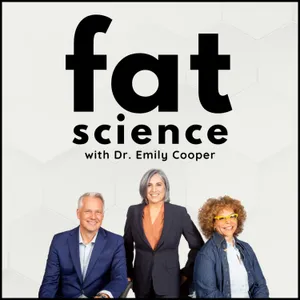
Fat Science is a podcast on a mission to explain where our fat really comes from and why it won’t go (and stay!) away. In each episode, we share little-known facts and personal experiences to dispel misconceptions, reduce stigma, and instill hope. Fat Science is committed to creating a world where people are empowered with accurate information about metabolism and recognize that fat isn’t a failure. This podcast is for informational purposes only and is not intended to replace professional medical advice.
Latest Episodes
The most recent episodes — sign up to get AI-powered summaries of each one.
- 6 days ago51 min
Back to School Metabolism Tips for the Whole Family
What's the back-to-school metabolism shift all about? The return to a school routine can have surprising impacts on metabolic health. Dr. Emily Cooper explains how sleep, nutrition, and scheduling affect metabolism, and offers practical advice for parents managing these transitions. KEY TAKEAWAYSSleep quality is crucial for kids' and parents' metabolic health.Proper fueling before, during, and after exercise is essential for kids.Maintaining a consistent schedule can help manage stress and metabolism. NOTABLE QUOTE"Fueling the workout enhances our fitness basically, and reduces our stress hormones and strengthens our metabolism." — Dr. Emily Cooper LINKS & RESOURCESStudies on sleep and insulin resistancePodcast Home: fatsciencepodcast.comCooper Center for Metabolism: coopermetabolic.comDiabesity Institute: diabesityinstitute.orgResources from Dr. Cooper: coopermetabolic.com/resourcesJoin Our Community: patreon.com/cw/FatSciencePodcastSubmit Your Question: questions@fatsciencepodcast.com or dr.c@fatsciencepodcast.comFat Science is supported by the Diabesity Institute, a nonprofit dedicated to increasing access to effective, science-based metabolic care.This podcast is for informational purposes only and is not intended as medical advice. Please consult with a qualified healthcare provider for personalized recommendations.
- 1 weeks ago47 min
Mailbag: Navigating Menopause and Metabolic Health
Is menopause impacting your weight and health in unexpected ways? In this episode, the hosts tackle an assortment of listener questions about weight loss, metabolic health, and menopause. They delve into the intricacies of medication tolerance, the ethics of unregulated weight loss drugs, and the physiological changes that can affect women during menopause. KEY TAKEAWAYSUnderstanding metabolic and hormonal impacts during menopause is crucial.Unregulated weight loss drugs pose significant risks and ethical concerns.Medication tolerance and side effects can vary greatly among individuals. NOTABLE QUOTE"It's not your fault." — Dr. Emily Cooper Links & ResourcesPodcast Home: fatsciencepodcast.comCooper Center for Metabolism: coopermetabolic.comResources from Dr. Cooper: coopermetabolic.com/resourcesJoin Our Community: patreon.com/cw/FatSciencePodcastSubmit Your Question: questions@fatsciencepodcast.com or dr.c@fatsciencepodcast.comFat Science is supported by the Diabesity Institute, a nonprofit dedicated to increasing access to effective, science-based metabolic care.This podcast is for informational purposes only and is not intended as medical advice. Please consult with a qualified healthcare provider for personalized recommendations.
- 2 weeks ago43 min
Top Metabolism Killers Revealed
What are the top causes of metabolic disruption?In this informative episode, Dr. Emily Cooper dives into the factors that quietly sabotage metabolic health. From the intricacies of sleep to the surprising connection between love and metabolism, listeners will learn what enhances or damages their metabolic system.KEY TAKEAWAYSSleep is crucial for metabolic and hormonal balance.Weight cycling severely impacts metabolic health.Underlying stress and emotional wellbeing affect metabolism.NOTABLE QUOTE"Everyone has strengths and limitations, let's put it that way." — Dr. Emily CooperLINKS & RESOURCESMechanical Eating Handout: Available on our Patreon page.Links & ResourcesPodcast Home: fatsciencepodcast.comCooper Center for Metabolism: coopermetabolic.comResources from Dr. Cooper: coopermetabolic.com/resourcesJoin Our Community: patreon.com/cw/FatSciencePodcastSubmit Your Question: questions@fatsciencepodcast.com or dr.c@fatsciencepodcast.comFat Science is supported by the Diabesity Institute, a nonprofit dedicated to increasing access to effective, science-based metabolic care.This podcast is for informational purposes only and is not intended as medical advice. Please consult with a qualified healthcare provider for personalized recommendations.
- 3 weeks ago38 min
Mailbag: GLP-1 Injection Reactions
Do you ever wonder how medications like Wegovy and Mounjaro influence your metabolic health? Dr. Emily Cooper, along with Andrea Taylor and Mark Wright, dives into listener questions about maintaining metabolic health when medication coverage is lost, understanding the role of leptin after weight loss, and the effects of medications like Mounjaro. They also explore the injection site reactions and the complex interplay between thyroid, exercise, and inflammation.KEY TAKEAWAYSLoss of medication insurance coverage can significantly impact treatment, but alternative options like pills may be available.Leptin levels differ by gender; they're naturally lower in men due to different body composition.Fasting can disrupt hunger signals and glucose regulation, particularly following intermittent fasting.Injection site reactions are common but switching medications or techniques might alleviate symptoms.NOTABLE QUOTE"Obesity is a physical sign of underlying metabolic dysfunction." — Dr. Emily CooperLINKS & RESOURCESTo register for course: https://learn.diabesityinstitute.org/products/live_events/live-virtual-update-eventLinks & ResourcesPodcast Home: fatsciencepodcast.comCooper Center for Metabolism: coopermetabolic.comResources from Dr. Cooper: coopermetabolic.com/resourcesJoin Our Community: patreon.com/cw/FatSciencePodcastSubmit Your Question: questions@fatsciencepodcast.com or dr.c@fatsciencepodcast.comFat Science is supported by the Diabesity Institute, a nonprofit dedicated to increasing access to effective, science-based metabolic care.This podcast is for informational purposes only and is not intended as medical advice. Please consult with a qualified healthcare provider for personalized recommendations.
- Aug 17, 202638 min
How Wildfire Smoke Affects Metabolism
Is wildfire smoke affecting more than just your lungs?Poor air quality affects not only respiratory health but also metabolic functions. Wildfire smoke can trigger inflammation, oxidative stress, and hormone release, leading to metabolic disturbances.KEY TAKEAWAYSWildfire smoke can impact metabolism, leading to insulin resistance.Stress hormones released during smoke exposure can raise blood sugar levels.Air pollution is linked to increased risk of metabolic syndrome components. NOTABLE QUOTE"When there were wildfire events, within days, the admissions for diabetes increased." — Dr. Emily Cooper Links & ResourcesPodcast Home: fatsciencepodcast.comCooper Center for Metabolism: coopermetabolic.comResources from Dr. Cooper: coopermetabolic.com/resourcesJoin Our Community: patreon.com/cw/FatSciencePodcastSubmit Your Question: questions@fatsciencepodcast.com or dr.c@fatsciencepodcast.comFat Science is supported by the Diabesity Institute, a nonprofit dedicated to increasing access to effective, science-based metabolic care.This podcast is for informational purposes only and is not intended as medical advice. Please consult with a qualified healthcare provider for personalized recommendations.
- Aug 10, 202649 min
Inside the GLP-1 Secret Shopper Study
Is it really a good idea to get medical care from online pharmacies posing as clinics?This week on Fat Science, Dr. Emily Cooper, Mark Wright, and Andrea Taylor dig into a Yale secret shopper study that tested 49 websites selling GLP-1 medications online. The websites look and market like medical clinics, but the study found that most patients never spoke to a clinician at all before getting a prescription. Dr. Cooper, Mark, and Andrea unpack what real medical care requires, why these platforms skip it, and what that means for anyone considering this route.KEY TAKEAWAYTwo-thirds of the sites in the study issued a prescription with no clinician contact of any kind — despite marketing themselves as medical clinics.Fewer than 40% asked for any clinical measurement (blood pressure, labs, etc.), and only 18% asked whether the patient even had a primary care doctor.Many of these sites are financially connected to compounding pharmacies and use leading questions to push add-ons that create untested drug combinations.Real medical care means a full history, objective labs, and ongoing monitoring — not a five-minute questionnaire and an automatic credit card charge.NOTABLE QUOTE"The marketing appears to be a medical clinic or a medical company, when in fact it's really just a sale of a drug." Dr. Emily CooperLINKS & RESOURCESStudy published in JAMA on the secret shopper findingsLinks & ResourcesPodcast Home: fatsciencepodcast.comCooper Center for Metabolism: coopermetabolic.comResources from Dr. Cooper: coopermetabolic.com/resourcesJoin Our Community: patreon.com/cw/FatSciencePodcastSubmit Your Question: questions@fatsciencepodcast.com or dr.c@fatsciencepodcast.comFat Science is supported by the Diabesity Institute, a nonprofit dedicated to increasing access to effective, science-based metabolic care.This podcast is for informational purposes only and is not intended as medical advice. Please consult with a qualified healthcare provider for personalized recommendations.
- Aug 3, 202646 min
The Truth About Exercise and Metabolism
Does exercise really boost metabolism, or is there a hidden truth?In this episode, Dr. Emily Cooper uncovers the science behind why exercise isn’t just about burning calories. Dive into the fascinating world of myokines, the chemical messengers released by muscles that impact everything from mood to inflammation. Discover why it's not your fault if exercise alone isn't solving your metabolic issues.KEY TAKEAWAYSExercise impacts more than calorie burn; it's a signaling system for the body.Myokines, released during exercise, affect organs like the brain and liver.Muscle contractions broadcast vital signals affecting overall health.NOTABLE QUOTE"Exercise is more than burning energy; it's communication throughout the body." — Dr. Emily CooperLINKS & RESOURCESCooper Center for Metabolism: coopermetabolic.comResources from Dr. Cooper: coopermetabolic.com/resourcesTo register for course: https://learn.diabesityinstitute.org/products/live_events/live-virtual-update-event Links & ResourcesPodcast Home: fatsciencepodcast.comCooper Center for Metabolism: coopermetabolic.comResources from Dr. Cooper: coopermetabolic.com/resourcesJoin Our Community: patreon.com/cw/FatSciencePodcastSubmit Your Question: questions@fatsciencepodcast.com or dr.c@fatsciencepodcast.comFat Science is supported by the Diabesity Institute, a nonprofit dedicated to increasing access to effective, science-based metabolic care.This podcast is for informational purposes only and is not intended as medical advice. Please consult with a qualified healthcare provider for personalized recommendations.
- Jul 27, 202640 min
Mailbag: Understanding Body Dysmorphia
How does biology affect our perception of body size?Dr. Emily Cooper answers listener questions about body dysmorphia and metabolic dysfunction. Mark and Andrea discuss the challenges with compounded medications and the implications of insurance-driven diet requirements.KEY TAKEAWAYSBody dysmorphia can have biological components related to metabolic dysfunction.Compounded medications may lack the testing and safety guarantees of brand names.Insurance requirements often lack a medical basis and can hinder proper treatment.NOTABLE QUOTE"The altered body image perception may be linked to metabolic signals." — Dr. Emily CooperLINKS & RESOURCESNone mentioned.Links & ResourcesPodcast Home: fatsciencepodcast.comCooper Center for Metabolism: coopermetabolic.comResources from Dr. Cooper: coopermetabolic.com/resourcesJoin Our Community: patreon.com/cw/FatSciencePodcastSubmit Your Question: questions@fatsciencepodcast.com or dr.c@fatsciencepodcast.comFat Science is supported by the Diabesity Institute, a nonprofit dedicated to increasing access to effective, science-based metabolic care.This podcast is for informational purposes only and is not intended as medical advice. Please consult with a qualified healthcare provider for personalized recommendations.
About Fat Science
Fat Science is a podcast on a mission to explain where our fat really comes from and why it won’t go (and stay!) away. In each episode, we share little-known facts and personal experiences to dispel misconceptions, reduce stigma, and instill hope. Fat Science is committed to creating a world where people are empowered with accurate information about metabolism and recognize that fat isn’t a failure. This podcast is for informational purposes only and is not intended to replace professional medical advice.
Customized Recaps
AI-powered recaps with compact key takeaways, quotes, and insights.
Straight to Your Inbox
Get key takeaways from Fat Science in a 5-minute read.
Save Hours Every Week
Stay current on your favorite podcasts without falling behind.
Frequently Asked Questions
What is Podzilla's Fat Science daily summary?
It's a free AI-powered email that summarizes new episodes of Fat Science as soon as they're published. You get the key takeaways, notable quotes, and links & mentions — all in a quick read.
How does the Fat Science podcast summary work?
When a new episode drops, our AI transcribes and analyzes it, then generates a personalized summary tailored to your interests and profession. It's delivered to your inbox every morning.
Is this an official Fat Science product?
No. Podzilla is an independent service that summarizes publicly available podcast content. We're not affiliated with or endorsed by Dr Emily Cooper.
Can I get summaries of other podcasts too?
Absolutely! The free plan covers up to 3 podcasts. Upgrade to Pro for 15, or Premium for 50. Browse our full catalog at /podcasts.
How often does Fat Science release new episodes?
Fat Science publishes weekly. Our AI generates a summary within hours of each new episode.
What topics does Fat Science cover?
Fat Science covers topics including Medicine, Fitness, Health & Fitness. Our AI identifies the specific themes in each episode and highlights what matters most to you.
Start getting Fat Science summaries tomorrow morning.
Free forever for up to 3 podcasts. No credit card required.
Free forever for up to 3 podcasts. No credit card required.