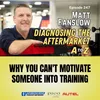
Why You Can't Motivate Someone Into Training [E247]
Thanks to our Partners, Pico Technology, and AutelWatch Full Video EpisodeWhy are some automotive repair specialists resistant to attending training, particularly when it takes place after work or on weekends?The easy explanation is that they are lazy, unmotivated, or unwilling to invest in themselves. Matt argues that this explanation may also be incomplete.In this episode, Matt examines training through the lens of incentives, career development, and systems thinking. A specialist who spends personal time and money developing new skills is often told that the investment will eventually produce better pay, greater opportunities, or increased job security. But what happens when those rewards never materialize?When training does not produce a visible improvement in compensation, working conditions, advancement, or professional stability, declining another class may be a rational decision rather than a character flaw.Matt discusses his own early motivation for attending training, the delayed payoff of that investment, and the importance of the relationships developed through classes, professional forums, and industry events. He also considers what shop owners and managers can do to make continued education feel like part of a legitimate career path rather than another demand placed on an employee’s personal life.Topics DiscussedWhy two people who make opposite decisions about training may both be acting rationallyThe traditional expectation that individuals fund their own professional developmentWhether increased knowledge reliably produces increased compensation“Cheap talk,” empty promises, and the loss of trust between employees and employersThe absence of clear career paths in automotive repairWhy keeping a job is not a meaningful reward unless the job is worth keepingMatt’s early, ego-driven pursuit of technical knowledgeThe delayed financial return from training and professional developmentThe value of relationships formed through classes, events, forums, and industry groupsThe difficulty of identifying and communicating one’s economic valueWhy character judgments should come after examining the system, not beforeProviding training during normal working hoursEstablishing clear expectations for continuing educationCreating positions and responsibilities for specialists throughout every stage of their careersWhy experienced employees should be a shop’s strongest advocatesThe shared reputation of the automotive repair professionKey TakeawayBefore assuming that someone’s reluctance to attend training reflects laziness or a lack of ambition, examine the incentives surrounding the decision.Does training lead somewhere?Can the specialist see a realistic path toward greater compensation, responsibility, security, or professional satisfaction?Does the organization respect personal time while asking employees to continue developing?Individual shops cannot repair the entire profession alone, but each shop contributes to the larger system. Better career paths, meaningful rewards, workday training, and credible long-term planning can help make professional development feel like an investment rather than an obligation.Resources MentionedRich FalcoMike Allen and Confessions of a Shop OwnerDutch SilversteinRatchet+WrenchScannerDanner PremiumAutomotive SeminarsToday’s ClassiATN and other professional automotive communitiesThanks to Pico Technology and Autel for supporting the podcast, and to the Automotive Repair Podcast Network.Thanks to our Partner, Pico TechnologyAre you chasing elusive automotive problems? Pico Technology empowers you to see what's really happening. Their PicoScope oscilloscopes transform your diagnostic capabilities. Visit PicoAuto.comThanks to our Partner, AutelFrom drivability diagnostics and TPMS service to ADAS and advanced safety systems, Autel helps technicians follow OEM procedures and repair with confidence. Learn more at Autel.comContact InformationEmail Matt: mattfanslowpodcast@gmail.comDiagnosing the
Podzilla Summary coming soon
Sign up to get notified when the full AI-powered summary is ready.
Free forever for up to 3 podcasts. No credit card required.
Listen to This Episode
More from Diagnosing the Aftermarket A to Z
Technician Pay, Profit Sharing, and Trust [E254]

How to Start a Career in Auto Repair [E253]
It’s Never Too Late to Do the Right Thing: Lessons from YouTube, Jelly Roll and Physics [E252]
Reflecting on STX 2026 [E251]
Get summaries like this every morning.
Free AI-powered recaps of Diagnosing the Aftermarket A to Z and your other favorite podcasts, delivered to your inbox.
Free forever for up to 3 podcasts. No credit card required.