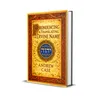
Part 10 - Pronouncing & Translating the Divine Name - Traditions from the Reformations to the Present
Get the free book.In this episode, we explore the historical and theological evolution of the divine name in translation, tracing a path from the early Latin Vulgate to the modern digital age. We begin by examining the tension within the Protestant Reformation, where figures like Martin Luther and John Calvin criticized the "foul superstition" of replacing God's personal name with titles, yet often succumbed to tradition in their own Bibles. This chapter highlights the bold stand of Casiodoro de Reina, whose 1569 Spanish translation remains a landmark for its insistence that substituting the Tetragrammaton with "Lord" is a "singular sacrilege" that violates the integrity of the biblical text.The second half of the discussion shifts to the modern era, where we dissect the "flip-flopping" of major 20th and 21st-century versions. From the American Standard Version’s restoration of "Jehovah" to the subsequent reversals in the RSV and CSB, we look at how linguistic accuracy often loses the battle against liturgical familiarity and the financial pressures of the Bible publishing industry. We conclude by looking at the rise of the Sacred Name Movement and contemporary "Literal" versions, questioning whether modern translations are prioritising reader comfort over the specific, personal identity God revealed to the prophets.website | books | twitter | music | Hebrew | articles | facebook | contact | download all episodes for offline
Podzilla Summary coming soon
Sign up to get notified when the full AI-powered summary is ready.
Free forever for up to 3 podcasts. No credit card required.
Listen to This Episode
More from Working for the Word - a Bible translation podcast

The Bizarre History of the Hebrew Hapax "lilith" לילית
Who Is the Dumb Consultant Who Approved This? (Oh, It Was Me!)
To Approve or Not? What guides consultants when they are uncomfortable with the text before them?
Debating Scripture Non-Use
Get summaries like this every morning.
Free AI-powered recaps of Working for the Word - a Bible translation podcast and your other favorite podcasts, delivered to your inbox.
Free forever for up to 3 podcasts. No credit card required.