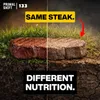
Your food can only be as nutrient dense as the soil it was grown in. That's the realization I had after testing the soil across our new property and discovering that despite being relatively fertile and rich in magnesium, it was far too acidic for plants to absorb those minerals properly. Soil pH is a gatekeeper: if it's off, the nutrients stay locked in the ground even when they're technically present. That sent me down a rabbit hole of soil depletion and food nutrient density, and the data is sobering. A 2004 University of Texas study compared USDA food composition data for 43 crops between 1950 and 1999 and found protein down 6%, calcium down 16%, iron down 15%, and vitamin C down 20%. A 2022 UK study showed iron down 50% and copper down 49% over 80 years. In this episode, I break down why this matters even if you're eating an animal-based diet; where the biggest mineral gaps are likely hiding; and what you can do about it right now. If you're thinking this is just a farming problem, consider that cattle, chickens, and pigs eat plants and forage. If they're consuming depleted feed, the resulting meat, eggs, and milk are also depleted. The nutrient density of your ribeye starts in the soil under the grass. Meanwhile, US cropland loses 4.63 tons of topsoil per acre per year, and a third of the corn belt has already lost its entire mineral-rich topsoil layer. It takes about a thousand years to generate one inch of new topsoil, and we're losing it ten times faster than it forms. The minerals you're most likely missing are magnesium (nearly half of Americans consume less than the estimated average requirement, and standard blood tests won't catch a deficiency because only 1% of body magnesium is in serum), zinc (critical for immune function and testosterone, and lost through sweat during training), and selenium (almost entirely dependent on regional soil content, with up to 34x variability in the same food depending on where it was grown). The long-term fix is regenerative farming, which studies consistently show produces two to three times the soil health scores and significantly higher vitamin and mineral content. The short-term fix is sourcing from farmers who care about soil quality, eating organ meats and oysters, and supplementing strategically to bridge gaps that even a well-constructed diet can't fully cover. Learn More: Our Kummer Homestead Channel: https://www.youtube.com/@kummerhomestead Use code YOUTUBE for 20% off our supplements → https://mksupps.com Local regenerative farm finder: http://EatWild.com Thank you to this episode's sponsor, Apollo Neuro! Apollo is a wearable that delivers gentle vibrations to calm your nervous system and help your body stay in a restful state through the night. I've been wearing it for years and still notice a measurable difference — higher HRV and a lower resting heart rate on nights I use it. That's not placebo. That's my nervous system responding differently. If your sleep issues feel stress-related — and honestly, most of them are — Apollo is worth trying. To learn more, visit apolloneuro.com/michaelkummer and use code PRIMALSHIFT for $60 off. In this episode: 00:00 Intro 02:19 Nutrients are declining 04:39 Soil erosion crisis 06:52 Labels vs reality 08:37 Real food variability 10:22 Magnesium testing trap 11:09 Zinc and immunity 12:04 Selenium depends on soil 13:14 Regenerative farming fix 17:01 Local sourcing tips 18:24 Final takeaways Find me on social media for more health and wellness content: Website: https://michaelkummer.com/ YouTube: https://www.youtube.com/@MichaelKummer Instagram: https://www.instagram.com/primalshiftpodcast/ Pinterest: https://www.pinterest.com/michaelkummer/ Twitter/X: <a
Podzilla Summary coming soon
Sign up to get notified when the full AI-powered summary is ready.
Free forever for up to 3 podcasts. No credit card required.
Listen to This Episode
More from The Primal Shift

138: Why Eating Cheap Is the Worst Financial Decision
137: The Nutrient Gap Most Carnivores Don't Know About

136: Rethinking Sun Exposure From Scratch
135: The Milk Problem Nobody Talks About
Get summaries like this every morning.
Free AI-powered recaps of The Primal Shift and your other favorite podcasts, delivered to your inbox.
Free forever for up to 3 podcasts. No credit card required.