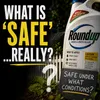
What Problem Are We Solving? The Roundup Case and the Risk We Assume
The headline is simple: "Weedkiller fight hits the Supreme Court." The story most people hear is even simpler: A company failed to warn users → people got sick → lawsuits followed. That's a collapsed version of what's happening. I break down the structure underneath the Roundup case—not to argue whether the product is safe - to examine how outcomes are shaped: What "safe" means and how it's defined Why labels don't translate cleanly into real-world behavior The gap between instructions and how people use products How responsibility moves from manufacturer → regulator → label → user → environment The difference between "probably carcinogenic" and "known to cause cancer" Whether warning labels change behavior This isn'tabout weedkiller. It's about what happens when one person's assumption becomes another person's exposure—and how difficult it becomes to assign responsibility once that happens. The legal system will decide liability. The deeper question comes earlier: What did you assume was safe—and who else did that assumption affect?
Podzilla Summary coming soon
Sign up to get notified when the full AI-powered summary is ready.
Free forever for up to 3 podcasts. No credit card required.
Listen to This Episode
More from The Daniel Stih Podcast

Communication ≠ Connection
What Does "Ceasefire" Actually Mean?
Why the Media Uses the Word 'War' (And What It Actually Means)

Are AI Models Trying to Avoid Shutdown? What Research Might Be Missing
Get summaries like this every morning.
Free AI-powered recaps of The Daniel Stih Podcast and your other favorite podcasts, delivered to your inbox.
Free forever for up to 3 podcasts. No credit card required.