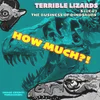
Should dinosaur fossils belong in museums—or can they be bought and sold like works of art? When the spectacular Tyrannosaurus rex known as "Gus" was preparing to go under the hammer (and has since sold for a staggering $50 million), it reignited one of palaeontology's biggest ethical debates. In this episode Dr Dave Hone and Iszi Lawrence explore the booming fossil market and ask what happens when scientifically important specimens disappear into private collections. Is it wrong for billionaires to own dinosaurs? Can privately owned fossils still contribute to science? And why won't many scientific journals publish research based on privately owned specimens? Dave draws on his own experience working with museums, private collectors and commercial fossil dealers to explain the surprisingly complicated relationship between science, money and ownership. We discuss museums, fossil laws, famous auction sales, and why a dinosaur's scientific value isn't always the same as its auction price. Questions covered in this episode: Should dinosaur fossils be sold at auction? Why won't scientists study many privately owned fossils? Is it ethical for billionaires to own dinosaur skeletons? How do fossil auctions affect palaeontology? Could private ownership ever benefit science? Why are some fossils worth tens of millions of dollars? Support the podcast and get bonus episodes at: https://www.patreon.com/terriblelizards You can watch this as a video on youtube here: https://youtu.be/TaLWBc-4vvE
Podzilla Summary coming soon
Sign up to get notified when the full AI-powered summary is ready.
Free forever for up to 3 podcasts. No credit card required.
Listen to This Episode
More from Terrible Lizards
S12DB19 Where Did Pterosaurs Lay Their Eggs?
S12DB18 How Did Dinosaur Heads Attach?
S12E08 Live At Dinocon 2026
S12DB17 Why Palaeontologists Hate 'Biggest Dinosaur' Headlines
Get summaries like this every morning.
Free AI-powered recaps of Terrible Lizards and your other favorite podcasts, delivered to your inbox.
Free forever for up to 3 podcasts. No credit card required.