Free Daily Podcast Summary
Something About the Beatles: Daily Summaries Delivered
by Evergreen Podcasts
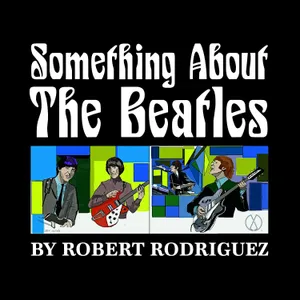
Hosted by award-winning author Robert Rodriguez, Something About The Beatles is an intelligent but entertaining examination of The Beatles' music and career. Smart, funny and surprising - just like the Fab Four.
Latest Episodes
The most recent episodes — sign up to get AI-powered summaries of each one.
- 1 weeks ago1h 42m
335: The Beatles and The Academics - How To Process The Beatles
Do academics ruin the Beatles, or help them last? Three scholars join host Robert Rodriguez to explore Beatles Studies: the history of how academia has treated the band, what fans and scholars get right and wrong about each other, and what the field still hasn't covered. Guests: Christine Feldman-Barrett (author, A Women's History of the Beatles), Duncan Driver, and Paul Long (co-editor, Journal of Beatles Studies). In this episode: • Why early academic writing on the Beatles was dismissive, and how that shaped the field • The "Aeolian cadences" legacy, and why Beatles lyrics rarely get serious literary study • Shakespeare and the Beatles: why some artists seem to reflect us back to ourselves • Gen Z, "boomer nostalgia" and why the Beatles keep finding new listeners • Beatles university courses and the Journal of Beatles Studies • Mark Lewisohn's Tune In, Ian Leslie's John & Paul, and why there's no "final word" • What's missing: social class, women's perspectives, and the global Beatles • How to read any Beatles book critically 🔗 Read the open-access Journal of Beatles Studies: https://www.liverpooluniversitypress.co.uk/journal/jbs Subscribe to Something About The Beatles for new episodes. #Beatles #BeatlesStudies #BeatlesPodcast Tags: the beatles and the academics, beatles studies, journal of beatles studies, beatles podcast, something about the beatles, beatles academics, beatles history, beatles lyrics analysis, beatles university course, why the beatles still matter, mark lewisohn tune in, ian leslie john and paul, a women's history of the beatles, the beatles and the historians, beatles anthology disney, duncan driver, christine feldman-barrett, paul long, robert rodriguez Something About The Beatles is brought to you by DistroKid, the ultimate partner for taking your music to the next level. Our listeners get 30% off your first year with DistroKid by signing up http://distrokid.com/vip/satb Also by Quince. Learn more about your ad choices. Visit megaphone.fm/adchoicesSee Privacy Policy at https://art19.com/privacy and California Privacy Notice at https://art19.com/privacy#do-not-sell-my-info.
- 1 weeks ago1h 44m
335: The Beatles and The Academics - How To Process The Beatles
Do academics ruin the Beatles, or help them last? Three scholars join host Robert Rodriguez to explore Beatles Studies: the history of how academia has treated the band, what fans and scholars get right and wrong about each other, and what the field still hasn't covered. Guests: Christine Feldman-Barrett (author, A Women's History of the Beatles), Duncan Driver, and Paul Long (co-editor, Journal of Beatles Studies). In this episode: • Why early academic writing on the Beatles was dismissive, and how that shaped the field • The "Aeolian cadences" legacy, and why Beatles lyrics rarely get serious literary study • Shakespeare and the Beatles: why some artists seem to reflect us back to ourselves • Gen Z, "boomer nostalgia" and why the Beatles keep finding new listeners • Beatles university courses and the Journal of Beatles Studies • Mark Lewisohn's Tune In, Ian Leslie's John & Paul, and why there's no "final word" • What's missing: social class, women's perspectives, and the global Beatles • How to read any Beatles book critically 🔗 Read the open-access Journal of Beatles Studies: https://www.liverpooluniversitypress.co.uk/journal/jbs Subscribe to Something About The Beatles for new episodes. #Beatles #BeatlesStudies #BeatlesPodcast Tags: the beatles and the academics, beatles studies, journal of beatles studies, beatles podcast, something about the beatles, beatles academics, beatles history, beatles lyrics analysis, beatles university course, why the beatles still matter, mark lewisohn tune in, ian leslie john and paul, a women's history of the beatles, the beatles and the historians, beatles anthology disney, duncan driver, christine feldman-barrett, paul long, robert rodriguez Something About The Beatles is brought to you by DistroKid, the ultimate partner for taking your music to the next level. Our listeners get 30% off your first year with DistroKid by signing up http://distrokid.com/vip/satb Also by Quince. Learn more about your ad choices. Visit megaphone.fm/adchoices
- 3 weeks ago1h 38m
334: A Hard Day's Night Deconstructed
The opening chord of "A Hard Day's Night" is one of the most famous sounds in rock history. Musicians still argue about what it is. In this deep dive into the Beatles' A Hard Day's Night album, we break down the chord note by note: John Lennon's and George Harrison's guitars, Paul McCartney's bass and George Martin's piano. You'll hear how the chord works in G major, what George Harrison said about it, and how the Beatles reused the same voicing elsewhere. We also look at Harrison's Rickenbacker 12-string, the songwriting and arranging choices behind "Things We Said Today," "And I Love Her," "If I Fell" and "Can't Buy Me Love," and why simple ideas made the Beatles' music so lasting. In this episode: The history and theory of the “A Hard Day's Night” opening chord How the guitars, bass and piano combine to make that sound Other songs that use the same or similar chord voicings Why the Rickenbacker 12-string shaped the Beatles' sound Lennon and McCartney's songwriting, harmony and vocal choices in “If I Fell” Raw-track listening and an odd quirk in the "Can't Buy Me Love" recording Practical tips for playing along: use the melody and chord tones to embellish a song Reworking Beatles songs live, from "Things We Said Today" to "Tomorrow Never Knows" The hidden ties between “And I Love Her” and “The Honeymoon Song” Chapters 00:00 Welcome and why this album still matters 08:01 Reinventing "Things We Said Today" live 09:26 About the RPM Beatles course 10:14 The Hard Day's Night opening chord: introduction 13:37 George Harrison on the chord, and what the chord is 19:03 George Martin's piano part 24:12 Other songs with the same chord 31:31 The 12-string guitar and "Ticket to Ride" 36:50 Simple building blocks, and why they work 46:23 McCartney's contributions and the "Paul McCartney After the Beatles" book 57:32 Haunting harmonies, key changes and vocals 1:16:53 "Can't Buy Me Love" and the raw track 1:25:37 "And I Love Her" and the "Honeymoon Song" connection 1:37:30 Harrison's melodic solos and a wrap-up of tips Beatles class: six Mondays, 5:30 PM ET, starting November 2. Details and signup: https://www.rpm-school.com/ New episodes: subscribe to Something About The Beatles and turn on notifications. Something About The Beatles is brought to you by DistroKid, the ultimate partner for taking your music to the next level. Our listeners get 30% off your first year with DistroKid by signing up http://distrokid.com/vip/satb #Beatles #AHardDaysNight #BeatlesPodcast #MusicTheory #GeorgeMartin #TheFabFaux Learn more about your ad choices. Visit megaphone.fm/adchoicesSee Privacy Policy at https://art19.com/privacy and California Privacy Notice at https://art19.com/privacy#do-not-sell-my-info.
- 3 weeks ago1h 41m
334: A Hard Day's Night Deconstructed
The opening chord of "A Hard Day's Night" is one of the most famous sounds in rock history. Musicians still argue about what it is. In this deep dive into the Beatles' A Hard Day's Night album, we break down the chord note by note: John Lennon's and George Harrison's guitars, Paul McCartney's bass and George Martin's piano. You'll hear how the chord works in G major, what George Harrison said about it, and how the Beatles reused the same voicing elsewhere. We also look at Harrison's Rickenbacker 12-string, the songwriting and arranging choices behind "Things We Said Today," "And I Love Her," "If I Fell" and "Can't Buy Me Love," and why simple ideas made the Beatles' music so lasting. In this episode: The history and theory of the “A Hard Day's Night” opening chord How the guitars, bass and piano combine to make that sound Other songs that use the same or similar chord voicings Why the Rickenbacker 12-string shaped the Beatles' sound Lennon and McCartney's songwriting, harmony and vocal choices in “If I Fell” Raw-track listening and an odd quirk in the "Can't Buy Me Love" recording Practical tips for playing along: use the melody and chord tones to embellish a song Reworking Beatles songs live, from "Things We Said Today" to "Tomorrow Never Knows" The hidden ties between “And I Love Her” and “The Honeymoon Song” Chapters 00:00 Welcome and why this album still matters 08:01 Reinventing "Things We Said Today" live 09:26 About the RPM Beatles course 10:14 The Hard Day's Night opening chord: introduction 13:37 George Harrison on the chord, and what the chord is 19:03 George Martin's piano part 24:12 Other songs with the same chord 31:31 The 12-string guitar and "Ticket to Ride" 36:50 Simple building blocks, and why they work 46:23 McCartney's contributions and the "Paul McCartney After the Beatles" book 57:32 Haunting harmonies, key changes and vocals 1:16:53 "Can't Buy Me Love" and the raw track 1:25:37 "And I Love Her" and the "Honeymoon Song" connection 1:37:30 Harrison's melodic solos and a wrap-up of tips Beatles class: six Mondays, 5:30 PM ET, starting November 2. Details and signup: https://www.rpm-school.com/ New episodes: subscribe to Something About The Beatles and turn on notifications. Something About The Beatles is brought to you by DistroKid, the ultimate partner for taking your music to the next level. Our listeners get 30% off your first year with DistroKid by signing up http://distrokid.com/vip/satb #Beatles #AHardDaysNight #BeatlesPodcast #MusicTheory #GeorgeMartin #TheFabFaux Learn more about your ad choices. Visit megaphone.fm/adchoices
- Sep 22, 20261h 43m
333: LenOno '72
There were two John and Yoko documentaries produced in the last year that covered their political activism during their first year in New York, culminating in the pair of One To One concerts in August 1972. The first was a documentary detailing the context with the shows in the background; the other placed the show front and center. Author Erika White (Meat The Beatles!) and podcaster Gary Wenstrup (Classic Rock Album Olympics) join me in a discussion of the films One To One: John and Yoko and Power To The People. Learn more about your ad choices. Visit megaphone.fm/adchoicesSee Privacy Policy at https://art19.com/privacy and California Privacy Notice at https://art19.com/privacy#do-not-sell-my-info.
- Sep 22, 20261h 45m
333: LenOno '72
There were two John and Yoko documentaries produced in the last year that covered their political activism during their first year in New York, culminating in the pair of One To One concerts in August 1972. The first was a documentary detailing the context with the shows in the background; the other placed the show front and center. Author Erika White (Meat The Beatles!) and podcaster Gary Wenstrup (Classic Rock Album Olympics) join me in a discussion of the films One To One: John and Yoko and Power To The People. Learn more about your ad choices. Visit megaphone.fm/adchoices
- Aug 29, 202652 min
332: Candlestick at 60 with Naomi Marcus
Sixty years ago, The Beatles took their final bow before a paid audience in San Francisco. The occasion was auspicious because they knew this was it: they made sure it was recorded (by Tony Barrow) and photographed (by Jim Marshall). Among the well-wishers in attendance was Joan Baez, who brought her sisters and an 11 year-old friend. This is Naomi's story. Learn more about your ad choices. Visit megaphone.fm/adchoicesSee Privacy Policy at https://art19.com/privacy and California Privacy Notice at https://art19.com/privacy#do-not-sell-my-info.
- Aug 29, 202653 min
332: Candlestick at 60 with Naomi Marcus
Sixty years ago, The Beatles took their final bow before a paid audience in San Francisco. The occasion was auspicious because they knew this was it: they made sure it was recorded (by Tony Barrow) and photographed (by Jim Marshall). Among the well-wishers in attendance was Joan Baez, who brought her sisters and an 11 year-old friend. This is Naomi's story. Learn more about your ad choices. Visit megaphone.fm/adchoices
Get Something About the Beatles summaries in your inbox
Free AI-powered daily recaps. Key takeaways, quotes, and mentions — in a 5-minute read.
Get Free Summaries →Free forever for up to 3 podcasts. No credit card required.
You Might Also Like
Listeners also like.
Nothing Is Real - A Beatles Podcast
Examines the Beatles' story piece by piece, exploring their music, history, and legacy in weekly episodes from Dublin.

Professor of Rock
Music historian Adam Reader examines the origins and stories of classic rock songs through interviews and detailed episode explorations.
Behind The Song: Classic Rock Chronicles
Explores the stories and circumstances behind the creation of iconic classic rock songs.
1001 Album Complaints
The Chop Unlimited

You'll Hear It: Full Album Deep Dives with Jazz Musicians
Jazz pianists analyze legendary albums track by track, revealing musical intricacies through theory, live demonstration, and performance.
All Songs Considered
A weekly exploration of new music, artist interviews, and themed playlists from NPR.

Private Passions
People from diverse backgrounds share how music has influenced their lives and discuss their personal musical passions.
Bizarre Albums
Tony Thaxton

Rivals: Music's Greatest Feuds
iHeartPodcasts
Stuff To Blow Your Mind
Explores the strange edges of science, consciousness, and reality through neuroscience, cosmology, evolution, and emerging technology.
Stuff You Should Know
A podcast explaining a wide range of topics, from science and history to pop culture and urban legends, through conversational deep dives.
Here's The Thing with Alec Baldwin
Alec Baldwin interviews artists, performers, and public figures in intimate conversations that reveal their personal and professional lives.
About Something About the Beatles
Hosted by award-winning author Robert Rodriguez, Something About The Beatles is an intelligent but entertaining examination of The Beatles' music and career. Smart, funny and surprising - just like the Fab Four.
Customized Recaps
AI-powered recaps with compact key takeaways, quotes, and insights.
Straight to Your Inbox
Get key takeaways from Something About the Beatles in a 5-minute read.
Save Hours Every Week
Stay current on your favorite podcasts without falling behind.
Frequently Asked Questions
What is Podzilla's Something About the Beatles daily summary?
It's a free AI-powered email that summarizes new episodes of Something About the Beatles as soon as they're published. You get the key takeaways, notable quotes, and links & mentions — all in a quick read.
How does the Something About the Beatles podcast summary work?
When a new episode drops, our AI transcribes and analyzes it, then generates a personalized summary tailored to your interests and profession. It's delivered to your inbox every morning.
Is this an official Something About the Beatles product?
No. Podzilla is an independent service that summarizes publicly available podcast content. We're not affiliated with or endorsed by Evergreen Podcasts.
Can I get summaries of other podcasts too?
Absolutely! The free plan covers up to 3 podcasts, any in the catalog. Basic raises that to 15, Pro to 40 and Max to 100. Browse our full catalog at /podcasts.
How often does Something About the Beatles release new episodes?
Something About the Beatles publishes biweekly. Our AI generates a summary within hours of each new episode.
What topics does Something About the Beatles cover?
Something About the Beatles covers topics including Music. Our AI identifies the specific themes in each episode and highlights what matters most to you.
Start getting Something About the Beatles summaries tomorrow morning.
Free forever for up to 3 podcasts. No credit card required.
Free forever for up to 3 podcasts. No credit card required.