Free Daily Podcast Summary
Sliced Bread: Daily Summaries Delivered
by BBC Radio 4
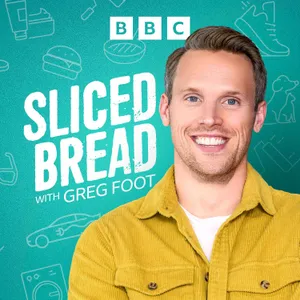
Sliced Bread is the series that investigates the latest ad-hyped products and trending fads promising to make us healthier, happier and greener. Are they really 'the best thing since sliced bread'? Science presenter Greg Foot finds out. Greg speaks to experts on a bunk-busting mission to test the latest consumer trends chosen by listeners. Do they live up to the hype? Or are they just marketing BS? Greg chats to the experts, dives into the data, performs tests and crunches the numbers before putting his findings back to the listener so they can decide if it's worth spending their hard earned money on.
Latest Episodes
The most recent episodes — sign up to get AI-powered summaries of each one.
- 3 days ago24 min
Dough - Series 5: Cinemas
Is streaming really killing off the big screen? Greg Foot examines the future of cinemas and considers wonder products and trends that might rise to success.Greg is joined by experts and entrepreneurs to discuss what is shaping today's everyday technology and what it may look like tomorrow, before the futurist Tom Cheesewright offers his predictions on what cinemas might be like within five, ten and fifty years.In this episode:- Tim Richards - the founder and CEO of Vue cinemas - Patrick von Sychowski - known in the trade as "the Cinema Guru" he's a writer and blogger who works for CinemaNext, the largest installer and upgrader of cinemas across Europe. - Alexis Scalice - Vice President for Business Development & Entertainment at Cosm which is pioneering 'shared reality' cinematic experiences in large entertainment domesAmong the questions up for consideration: Why are there more cinemas screenings of films from the past? Why are plastic popcorn buckets becoming collectors' items? And could the cinema of the future be a giant, panoramic dome?Produced by Jon Douglas. Dough is an Audio North production for BBC Radio 4 and BBC Sounds.
- 1 weeks ago24 min
Dough - Series 5: Gyms
Could weight-loss jabs make gyms less relevant? Greg Foot examines the future of the fitness sector and considers wonder products and trends that might rise to success. Greg is joined by experts and entrepreneurs to discuss what is shaping today's everyday technology and what it may look like tomorrow, before the futurist Tracey Follows offers her predictions on what gyms might be like within five, ten and fifty years.In this episode: Rebecca Passmore - chief operating officer of PureGym Cameron Saunders - chief executive of ukactive Varun Bhanot - co-founder and CEO of Magic AIAmong the questions for consideration: Why are gyms becoming more popular? What might the training equipment of tomorrow look like? Will AI-instructors replace personal trainers?Produced by Jon Douglas. Dough is an Audio North production for BBC Radio 4 and BBC Sounds.
- 2 weeks ago24 min
Dough - Series 5: Money
Could cash be losing its crown as digital money gains ground?Greg Foot looks at money and examines the rise of the wonder products and technologies emerging across the financial sector.He's joined by experts, entrepreneurs and industry innovators to discuss the trends we're seeing today and where they may lead us tomorrow, before a leading futurist offers their predictions on what life might be like within five, ten and fifty years.In this episode, Greg hears how digital wallets, AI, cryptocurrencies and central bank digital currencies could reshape the way we earn, spend and save, and asks whether the future of money will be more convenient, more inclusive, or come at the cost of privacy and control.With him is the futurist Tom Cheesewright and guests including:Jack Leslie and Rupal Patel – Bank of England economists and co-authors of Money: The Inside Story Frane Maroević – Director General of the International Currency Association (ICA) Diane Ayres – Vice President and Client Director at Visa, LondonProduced by Linda Walker. Dough is a BBC Audio North Production for BBC Radio 4 and BBC Sounds.
- 2 weeks ago26 min
Your Next Listen: Sort Your Life Out Unpacked
Organisational expert Dilly Carter introduces her podcast, Sort Your Life Out Unpacked.In this episode, Dilly is joined by the ‘queen of podcasting’, Elizabeth Day. Elizabeth brings three meaningful items for Dilly to unpack – literally and figuratively. Each one reveals a story from her life, from cherished childhood memories she still carries with her to the beautiful love story of her grandparents.Elizabeth opens up about rebuilding a home after divorce, her relationship with partner Justin and whether she colour-codes her bookshelves. Things take an emotional turn when Dilly reflects on what Elizabeth’s words and books have meant to her personally. Elizabeth rates her organisation a confident 9.5/10 – but what will Dilly discover inside the boxes?Sort Your Life Out Unpacked is a podcast hosted by tidying expert Dilly Carter. In each episode, Dilly chats to a celebrity guest and unboxes three mystery objects from their home that reveal what is really important to them. At the end, Dilly asks her guest whether they are going to keep, donate or recycle any of the items and, along the way, we learn how to organise and sort our own lives out.If you enjoyed this episode then you can hear more by searching for Sort Your Life Out Unpacked on BBC Sounds.Presented by Dilly Carter Editing: Daniel King Line Producer: Philippa Pettett Production Co-ordinator: Berniee Ekomisa Assistant Producer: Emily D'Souza Executive Producer for Optomen: Charlotte Brookes Assistant Commissioner: Chris Bartlett Commissioning Editors: Rhian Roberts and Beejal-Maya Patel Produced by Holly Newson Hair & Make Up: Sarah Burrows Art Director: River Gibbs Production Runner: Molly MorganAn Optomen production for iPlayer and BBC Sounds.
- 3 weeks ago27 min
Sliced Bread - Series 17: Experimental Peptides
Is it OK to take experimental peptides like the Wolverine Stack?These are what bodybuilders, longevity gurus, and online influencers are all talking about: experimental peptides. They're chemicals that you can buy online, in packages with names like the Wolverine Stack or the Glow Stack. The websites say "for research purposes only" but talk about their supposed benefits for wound healing and de-aging, and lots of people have been injecting them in a bid to heal faster and look younger.Sliced Bread listener Steve is excited - and has even tried them for himself - but listener Sophie is worried. Both of them are asking whether there's any evidence behind the fantastic claims.To find out the truth, Greg Foot is joined by Dr Andrew Steele, longevity scientist and Director of the Longevity Initiative.All of our episodes start with YOUR suggestions. If you’ve seen an ad, trend or wonder product promising to make you happier, healthier or greener, email us at sliced.bread@bbc.co.uk OR send a voice note to our WhatsApp number, 07543 306807.RESEARCHER: JULIA RAVEY PRODUCERS: JULIA RAVEY, PHIL SANSOM AND GREG FOOT
- Aug 20, 202632 min
Sliced Bread - Series 17: Laundry Detergents
Pods, liquids and powders: which laundry detergent really cleans up?A trip down the laundry aisle can leave you faced with a welter of confusing marketing claims. From stain-busting formulas and lower-temperature washes to eco-friendly promises, every detergent seems to offer cleaner clothes, lower energy use and a lighter environmental footprint.Listener Rosanna came to Sliced Bread for help making sense of it all. She wants to know what really separates bio from non-bio detergents, whether pods, liquids and powders perform differently and if eco brands live up to their sustainability claims.To get the answers, Greg is joined by Professor Steven Abbott, Fellow of the Royal Society of Chemistry and an expert in cleaning agents.All of our episodes start with YOUR suggestions. If you’ve seen an ad, trend or wonder product promising to make you happier, healthier or greener, email us at sliced.bread@bbc.co.uk OR send a voice note to our WhatsApp number, 07543 306807.RESEARCHER: JULIA RAVEY PRODUCERS: SIMON HOBAN AND GREG FOOT
- Aug 13, 202626 min
Sliced Bread - Series 17: Pillows
What makes the perfect pillow? Nothing saying ‘waking up on the wrong side of the bed’ like a crick in your neck. With up to 70% of us experiencing neck pain at some point in our lives, sleeping in a dodgy position can lead to days of discomfort. And pillows might be part of the problem... Listener Angela has a frozen shoulder, and hoped a new pillow might provide a more comfortable night’s sleep. But with so many options to chose from, which one should she buy? One advertised for her preferred sleeping position? Soft or firm? And what about material: feathers, foam or fibre? She's asked Sliced Bread to help pick out the facts from the marketing fluff.Physiotherapist Dr Chris McCarthy from Manchester School of Physiotherapy joins presenter Greg Foot to discuss the most important factors in selecting the perfect pillow, personalised to you - plus, how to save your sleep when faced with a floppy hotel pillow...All of our episodes start with YOUR suggestions. If you’ve seen an ad, trend or wonder product promising to make you happier, healthier or greener, email us at sliced.bread@bbc.co.uk OR send a voice note to our WhatsApp number, 07543 306807.RESEARCHER: JULIA RAVEY PRODUCERS: JULIA RAVEY, PHIL SANSOM AND GREG FOOT
- Aug 6, 202631 min
Sliced Bread - Series 17: Air Conditioning
What's the best way to keep your home cool?As heatwave after heatwave pushes temperatures higher across the UK and Europe, air conditioning has become a serious topic. Listener Rachel is one of many people who have turned to a portable air conditioner for relief. About the size of a dehumidifier, these units cool a room by drawing in warm air, chilling it, and venting the excess heat outside through a hose, usually attached to a window.But with hotter summers forecast, Rachel is wondering whether it's worth investing in a fixed, or "split", air conditioning system instead. These systems use an indoor unit paired with an outdoor condenser and are increasingly common in homes across Europe. She wants to know: how much do they cost to buy and run? Are they difficult to install? And how noisy are they in everyday use?Then there are the cheaper "air coolers" that claim to lower temperatures by blowing air over cold water or ice. Do they genuinely cool a room, or are they simply fans with clever marketing?To find out, presenter Greg Foot is joined by Rachel and Professor Richard Fitton, Technical Director of the Energy House 2.0 test facility at the University of Salford.All of our episodes start with your suggestions. If you've spotted an advert, trend or wonder product that claims to make you happier, healthier or greener, email us at sliced.bread@bbc.co.uk or send us a voice note on WhatsApp: 07543 306807.RESEARCHER: JULIA RAVEY PRODUCERS: SIMON HOBAN AND GREG FOOT
Get Sliced Bread summaries in your inbox
Free AI-powered daily recaps. Key takeaways, quotes, and mentions — in a 5-minute read.
Get Free Summaries →Free forever for up to 3 podcasts. No credit card required.
You Might Also Like
Listeners also like.

The Food Programme
Explores all aspects of the food we eat, from production to consumption.
The Boring Talks
BBC Sounds

Feel Better, Live More with Dr Rangan Chatterjee
A doctor-hosted podcast offering practical health advice on eating, sleeping, moving, and relaxing from medical experts and real-life stories.

What? Seriously??
Two comedians explore bizarre true stories with a guest expert who has a personal connection to the tale.

ZOE Science & Nutrition
Experts break down cutting-edge health and nutrition science to help you make better choices for your body and gut.

Friday Night Comedy from BBC Radio 4
Satirical comedy shows from BBC Radio 4 that tackle the week’s news with sharp humor and parody.

Seriously...
BBC Radio 4

Best Medicine
A comedian and guests explore groundbreaking, quirky, and life-changing innovations in medicine through history and science.

The Bottom Line
Evan Davis interviews business leaders about major industry challenges, leadership decisions, and the realities of running organizations.
Fortunately... with Fi and Jane
Broadcasters Jane Garvey and Fi Glover interview media figures who share candid, off-the-record stories from their careers.
Where To Be A Woman
Journalists compare global practices on women's wellbeing, equality, and quality of life across different countries.

Just One Thing - with Michael Mosley
Michael Mosley shares science-backed health tips that can improve wellbeing in minimal time.
About Sliced Bread
Sliced Bread is the series that investigates the latest ad-hyped products and trending fads promising to make us healthier, happier and greener. Are they really 'the best thing since sliced bread'? Science presenter Greg Foot finds out. Greg speaks to experts on a bunk-busting mission to test the latest consumer trends chosen by listeners. Do they live up to the hype? Or are they just marketing BS? Greg chats to the experts, dives into the data, performs tests and crunches the numbers before putting his findings back to the listener so they can decide if it's worth spending their hard earned money on.
Customized Recaps
AI-powered recaps with compact key takeaways, quotes, and insights.
Straight to Your Inbox
Get key takeaways from Sliced Bread in a 5-minute read.
Save Hours Every Week
Stay current on your favorite podcasts without falling behind.
Frequently Asked Questions
What is Podzilla's Sliced Bread daily summary?
It's a free AI-powered email that summarizes new episodes of Sliced Bread as soon as they're published. You get the key takeaways, notable quotes, and links & mentions — all in a quick read.
How does the Sliced Bread podcast summary work?
When a new episode drops, our AI transcribes and analyzes it, then generates a personalized summary tailored to your interests and profession. It's delivered to your inbox every morning.
Is this an official Sliced Bread product?
No. Podzilla is an independent service that summarizes publicly available podcast content. We're not affiliated with or endorsed by BBC Radio 4.
Can I get summaries of other podcasts too?
Absolutely! The free plan covers up to 3 podcasts. Upgrade to Pro for 15, or Premium for 50. Browse our full catalog at /podcasts.
How often does Sliced Bread release new episodes?
Sliced Bread publishes weekly. Our AI generates a summary within hours of each new episode.
What topics does Sliced Bread cover?
Sliced Bread covers topics including Fitness, Health & Fitness. Our AI identifies the specific themes in each episode and highlights what matters most to you.
Start getting Sliced Bread summaries tomorrow morning.
Free forever for up to 3 podcasts. No credit card required.
Free forever for up to 3 podcasts. No credit card required.