Free Daily Podcast Summary
Simon Says: Educate!: Daily Summaries Delivered
by Simon Robot
Get key takeaways, quotes, and insights from Simon Says: Educate! in a 5-minute read. Delivered straight to your inbox.
Latest Episodes
The most recent episodes — sign up to get AI-powered summaries of each one.
- 2 weeks ago24 min
Episode #62: The AI+OER Institute 2026
In Episode #62 of Simon Says: Educate!, Ronald Lethcoe and Kristin Copeland discuss the upcoming AI + OER Institute 2026, a free virtual event hosted by Clover Park Technical College on August 7 and 8, 2026. Together, they reflect on how the institute has evolved from its original focus on open educational resources to include generative AI, accessibility, academic integrity, open pedagogy, and the future of teaching and learning. Using questions generated by Simon AI from past keynote summaries, Ronald and Kristin revisit key ideas from previous speakers and discuss what they hope to see in 2026, including practical classroom strategies, student-centered sessions, guiding principles, and industry perspectives. The episode also serves as a call for presenters, keynote recommendations, and anyone doing meaningful work at the intersection of AI and open education. Register, submit a proposal, or access recordings from previous years here: https://cptc.libguides.com/TLC/Events
- Feb 23, 202630 min
Episode #61: Unpacking the Ethics of AI in Education w/Stephen Downes
In Episode #61 of Simon Says: Educate!, Geoff Cain interviews Stephen Downes, Researcher at the National Research Council Canada and pioneer of Connectivism and the modern MOOC. Stephen examines nine commonly cited AI ethical principles and makes the case that what gets labeled "ethical" in AI policy is often a reflection of political perspectives and underlying assumptions rather than genuine consensus.The conversation covers the contested nature of foundational principles like fairness, transparency, and accountability, and why each one dissolves under scrutiny into competing values rather than universal ethics. Stephen introduces the cultural and contextual variability of AI guardrails, the dominance of risk-based ethics in education policy, and feminist Duty of Care theory as a largely overlooked alternative framework. The episode also explores a compelling medical AI case study to illustrate why a working technology is not automatically an ethical one.This episode is a must-listen for educators, instructional designers, and administrators who read AI ethics frameworks and want sharper tools for questioning the assumptions baked into them.Shownotes: On Ethical AI Principles
- Jan 5, 202618 min
Episode #60: Zines in Higher Ed w/ Meredith Tummeti
In Episode #60 of Simon Says: Educate!, Geoff Cain interviews Meredith Tummeti, librarian at Centralia College and leader of a growing zine initiative on campus. Meredith shares how a simple mini-zine evolved into a thriving culture of student-created work, research-based assignments, and a full zine makerspace in the college library.The conversation covers creative integration of zines into English, sociology, art, and communication courses, including how students demonstrate mastery, research skills, and media literacy through this accessible and expressive format. Meredith also discusses the hands-on logistics of building a zine collection, promoting campus-wide adoption, and ensuring inclusive access for students with diverse needs.This episode is a must-listen for educators interested in open pedagogy, multimodal assignments, and low-tech creativity in a high-tech world.
- Dec 12, 202522 min
Episode #59: AI Essentials w/ Joni Gutierrez
In Episode #59 of Simon Says: Educate!, Ronald Lethcoe is joined by Joni Gutierrez, co-chair of the Washington State ELC AI Task Force and accessible technology specialist at Tacoma Community College. Together, they reflect on the launch of the new AI Essentials course created for Washington’s community and technical college system.They discuss the urgent need for shared AI vocabulary, the course’s accessibility and practical design, and the guiding framework known as the A-E-I-O-U ethos (Accessible, Equitable, Inclusive, Open, and Universal). Joni and Ronald highlight how the course empowers faculty and staff to engage with AI responsibly, explore its use as a collaborator, and consider when to integrate or avoid it based on human values and context.The episode also explores AI’s potential to support personalized learning, multimedia content creation, and accessibility in higher education, while urging educators to stay informed, intentional, and energy-conscious.Preview the course here:AI Essentials Course (Canvas)Check out Joni's blog post on AI Essentials: Gutierrez & Lethcoe’s AI Essentials in Education (AI-Ed): Responsible AI Literacy Course for a Human-Centered FutureConnect with Joni on LinkedIn: Joni Gutierrez, Ph.D.
- Nov 6, 202514 min
Episode #58: STEAM, SEL, and OER w/ Dr. Natasha Maria Gomes
In Episode #58 of Simon Says: Educate!, Geoff Cain interviews Dr. Natasha Maria Gomes, author of Keep Calm and STEAM Ahead: A Handbook for Educators. Natasha shares her journey from French instructor to open education advocate, and how her work combines arts-based learning with STEM and social-emotional learning (SEL).The conversation explores creative teaching strategies such as doodling, music, and theater, and how they can be integrated into traditional subjects. Natasha also highlights the importance of accessibility, explaining how the book was designed for both high-tech and low-tech learning environments. She shares how augmented transcripts, offline access, and Pressbooks formatting make the resource usable in diverse educational settings.This episode offers practical insights for educators looking to bring more joy, rigor, and inclusivity into their classrooms. It also touches on how AI can support curriculum design without replacing meaningful, hands-on learning.
- Jun 16, 202525 min
Episode #57: Equity, Justice, and AI w/Maha Bali
In Episode #57 of Simon Says: Educate!, Geoff Cain interviews Dr. Maha Bali, Professor of Practice at the American University in Cairo, about social justice, open education, and the ethical complexities of AI in the classroom. Maha shares her journey into critical pedagogy, explains the importance of culturally responsive teaching, and discusses how faculty developers can support inclusive learning environments. They explore the concept of “intentionally equitable hospitality,” unpack the risks of bias and surveillance in generative AI tools and highlight the importance of critical AI literacy for both faculty and students. Maha emphasizes the need to balance care with justice and encourages educators to engage thoughtfully with emerging technologies, while avoiding shame or pressure. The episode offers rich insights on fostering agency, honoring diverse perspectives, and navigating AI with integrity and curiosity. Maha Bali will be the keynote at the 2025 AI+OER Institute, hosted by the CPTC TLC virtually on Friday, August 8th, and Saturday, August 9th, 2025. The event is free, so if you like this podcast, please register and save the dates!Register for the 2025 CPTC AI+OER Institute
- Feb 28, 202520 min
Episode #56: Amplifying Black Faculty Voices w/Khairo Bray
In episode #56 of Simon Says: Educate!, Ronald Lethcoe continues the Amplifying Black Faculty Voices series with faculty counselor Khairo Bray. Khairo shares his journey from Tennessee to Clover Park, reflecting on his experiences as a Black, queer professional in higher education. He discusses the college’s commitment to equity, diversity, and inclusion while raising concerns about faculty and staff safety in politically charged situations. The conversation highlights the need for institutional policies that better protect faculty and staff of color.
- Feb 20, 202511 min
Episode #55: Amplifying Black Faculty Voices w/Chas Gardner Sr.
In episode #55 of Simon Says: Educate!, Ronald Lethcoe continues the Amplifying Black Faculty Voices series with guest Chas Gardner Sr., an Adult Basic Education and College 102 instructor at Clover Park Technical College. Chas shares his journey from military service to becoming a student and faculty member, highlighting his passion for mentorship, student success, and the impact of the Male Engagement Center (MEC). He emphasizes the importance of community, student feedback, and continuous growth in education.
Get Simon Says: Educate! summaries in your inbox
Free AI-powered daily recaps. Key takeaways, quotes, and mentions — in a 5-minute read.
Get Free Summaries →Free forever for up to 3 podcasts. No credit card required.
You Might Also Like
Listeners also like.
My EdTech Life
Dr. Fonz Mendoza
EdTech Bites Podcast
Gabriel Carrillo
Digital Learning Today
Jeffrey Bradbury - TeacherCast Educational Network
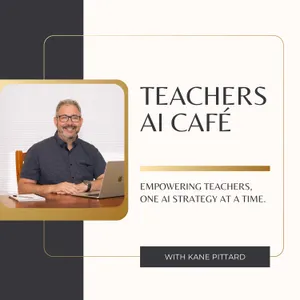
The Teachers AI Café
Kane Pittard
The Signal (formerly the EdTech Connect Podcast)
Jeff Dillon
Artificial Intelligence: Real Talk
Eli Davis
The Pixel Classroom Podcast
Ryan Read
Educate & Rejuvenate: The Podcast
Kelsey Sorenson, Elementary Teacher, Homeschool Mom, and Life Coach
Improving Education Today: The Deep Dive
Project ACHIEVE Educational Solutions
The International Schools Podcast
theinternationalschoolspodcast
Teachers on Fire
voicEd Radio
The Harvard EdCast
Harvard Graduate School of Education
About Simon Says: Educate!
Welcome to Simon Says: Educate!, the podcast where we explore the latest trends and best practices in teaching and learning. Join us each week as we interview faculty members and students, and dive deep into the issues that matter most to our community.Hosted by the Teaching and Learning Center at Clover Park Technical College, the podcast offers a fresh and engaging perspective on all aspects of education, from the latest teaching strategies and classroom technologies, to the challenges and opportunities of online learning, and the impact of education on students' lives and careers.With Simon as your guide, you'll get an inside look at the people and programs that make CPTC one of the most dynamic and innovative technical colleges in the region. So sit back, relax, and tune in to Simon Says: Educate!
Customized Recaps
AI-powered recaps with compact key takeaways, quotes, and insights.
Straight to Your Inbox
Get key takeaways from Simon Says: Educate! in a 5-minute read.
Save Hours Every Week
Stay current on your favorite podcasts without falling behind.
Frequently Asked Questions
What is Podzilla's Simon Says: Educate! daily summary?
It's a free AI-powered email that summarizes new episodes of Simon Says: Educate! as soon as they're published. You get the key takeaways, notable quotes, and links & mentions — all in a quick read.
How does the Simon Says: Educate! podcast summary work?
When a new episode drops, our AI transcribes and analyzes it, then generates a personalized summary tailored to your interests and profession. It's delivered to your inbox every morning.
Is this an official Simon Says: Educate! product?
No. Podzilla is an independent service that summarizes publicly available podcast content. We're not affiliated with or endorsed by Simon Robot.
Can I get summaries of other podcasts too?
Absolutely! The free plan covers up to 3 podcasts. Upgrade to Pro for 15, or Premium for 50. Browse our full catalog at /podcasts.
How often does Simon Says: Educate! release new episodes?
Simon Says: Educate! publishes monthly. Our AI generates a summary within hours of each new episode.
What topics does Simon Says: Educate! cover?
Simon Says: Educate! covers topics including Education. Our AI identifies the specific themes in each episode and highlights what matters most to you.
Start getting Simon Says: Educate! summaries tomorrow morning.
Free forever for up to 3 podcasts. No credit card required.
Free forever for up to 3 podcasts. No credit card required.