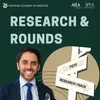
Choosing a research-focused residency is about more than finding the right track or acronym. It's about finding an environment where your clinical and scientific ambitions can grow together.In this episode of Research & Rounds, host Evan Noch, MD, PhD, shares five practical questions to help medical students and future physician-scientists look beyond program promises, assess mentorship and protected research time, and find a training pathway that fits the career—and life—they want to build.From understanding the differences between physician-scientist training programs (PSTPs) and research-intensive categorical residencies to knowing what to ask current trainees, Evan offers advice for making a more informed decision.Press play before your next residency interview.Quote of the Episode“You are choosing an ecosystem, not an acronym.”— Evan Noch, MD, PhDKey TakeawaysDefine the career you want to build. Before comparing residency programs, consider your research interests, long-term goals, specialty, and how much structure or flexibility you need. A formal research track isn't necessarily the best or only route to a successful physician-scientist career.Understand what the pathway actually offers. PSTPs, research-in-residency programs, and other research-focused pathways vary considerably. Ask about training length, research requirements, funding, board-certification requirements, and whether fellowship opportunities are guaranteed or simply anticipated.Find out whether research time is truly protected. A promise of protected time means little without a clear plan. Ask when research blocks occur, which clinical responsibilities continue, and who ensures that research time remains protected when clinical demands increase.Evaluate the people and culture, not just the program's reputation. Look for accessible mentors, a supportive research community, and leadership that values physician-scientist training. Consider whether mentors understand the demands of residency and whether trainees receive the resources and flexibility they need to succeed.Talk to trainees and look for evidence of outcomes. Ask current residents, fellows, and graduates about their experiences. Established programs should be able to describe where trainees went next, while newer pathways should demonstrate concrete commitments to funding, mentorship, and support. Remember that location, family responsibilities, finances, and quality of life also matter when choosing a sustainable career path.Five Questions to Ask During Residency InterviewsAs you evaluate residency programs, ask program leadership, current trainees, and recent graduates these questions to better understand what each pathway offers in practice.What happens to graduates of the pathway? If this is an established pathway, can you walk me through what happened to the last two or three residents who completed it? If it is new, what time, funding, mentors, and leadership commitments are already in place, and how will trainee feedback lead to changes?Is research time truly protected? When does protected research time occur, which clinical responsibilities continue, and what happens if service needs increase?How does mentorship work? How are residents connected with mentors, and what support is available if the first match is not a good fit?What are the expectations for fellowship? If residency and fellowship are linked, what is guaranteed, what is expected, and how much flexibility is there if my interests change?What challenges do trainees actually face? What do current or recent trainees say is the hardest part of making this pathway work?Sources & ResourcesResources for Residency ApplicantsAAMC Physician-Scientist Training Program Resources — An overview of physician-scientist training pathways, including research-in-residency programs and specialty-specific options.AAMC Physician-Scientist Training Program Webinars — Recorded discussions with program directors and trainees covering training pathways, applications, and interviews.APSA Residency and
Podzilla Summary coming soon
Sign up to get notified when the full AI-powered summary is ready.
Free forever for up to 3 podcasts. No credit card required.
Listen to This Episode
Get summaries like this every morning.
Free AI-powered recaps of Research & Rounds and your other favorite podcasts, delivered to your inbox.
Free forever for up to 3 podcasts. No credit card required.