Free Daily Podcast Summary
Quillette Cetera: Daily Summaries Delivered
by Zoe Booth
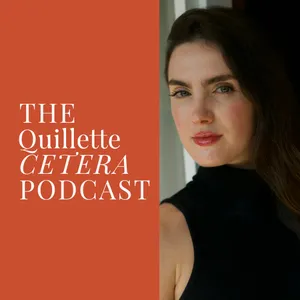
Quillette's Zoe Booth, sits down with a guest to discuss some of the best Quillette articles from the week + more. Common themes include gender issues, feminism, free speech, evolutionary psychology, philosophy, politics, science and more.
Latest Episodes
The most recent episodes — sign up to get AI-powered summaries of each one.
- 3 days ago1h 3m
Zineb Riboua on Iran, the Houthis, Israel and the Battle for the Middle East
Zineb Riboua is a research fellow at the Hudson Institute’s Center for Peace and Security in the Middle East and founder of its China in MENA Project. She joins Zoe Sankey to discuss Iran, the Houthis, Israel, Turkey, Islamism, China’s influence in the Middle East, and the growing ideological divide between the West and its opponents. Why is Iran escalating from a position of weakness? What do the Houthis actually want? And how does the ideology of third-worldism connect Islamists with parts of the Western left? Riboua explains Iran’s strategy of “buying time”, the impact of sanctions and the naval blockade, China’s role as a source of support for Tehran, and the Houthis’ search for new patrons—including their growing interest in al-Shabaab. She also discusses Morocco-Israel normalisation, the changing balance of power in the Middle East, Turkey and Erdoğan’s ambitions, and the prospects for Syria-Israel normalisation. The conversation then turns to Europe and the West: why some young North African men become radicalised after migrating to Europe, the spread of Islamist and anti-Western ideas, and the rise of third-worldism as a political framework. Finally, Riboua discusses the rise of AI doomerism, China’s role in the debate, the politics of degrowth and environmentalism, declining fertility in the Middle East, and what demographic change means for the future of the region and the West. Zineb Riboua: https://zinebriboua.com Read Quillette: https://quillette.com 00:00 Introduction to Zineb Riboua and the geopolitical context 01:57 Iran’s strategy of buying time and recent escalation 03:50 Sanctions and economic pressure on Iran 05:50 Yemen, the Houthis and regional support 09:07 What do the Houthis actually want? 11:57 The Houthis’ religious and ideological motivations 15:00 Arab, Persian and Bedouin identities 17:56 Zineb Riboua on Morocco, Jewish heritage and Israel 22:02 Islamist radicalisation and antisemitism in Europe 26:11 Foreign influence and the rise of third-worldism 28:59 What is third-worldism? 34:08 Israel’s changing geopolitical role 36:06 AI doomerism, China and the “psyop” theory 39:10 AI panic, regulation and geopolitics 43:00 Degrowth, environmentalism and anti-human ideology 45:01 What young people in the Middle East want 47:04 Falling fertility and the region’s demographic problem 48:59 Turkey, Erdoğan and the struggle for influence 52:08 Syria-Israel normalisation and Turkey’s role 54:54 American politics and the future of US support for Israel 58:10 Why Israel matters to American technology and power 59:58 Closing remarks Learn more about your ad choices. Visit megaphone.fm/adchoices
- 2 weeks ago53 min
Why Populism Ends in Disaster with Richard Hanania
Richard Hanania is a political scientist and president of the Center for the Study of Partisanship and Ideology. He spent about a decade as one of the most influential voices on the online right — first writing pseudonymously in the alt-right, later as one of the intellectual influences on the Silicon Valley tech right. Then he watched his own ideas take power, and changed his mind. His new book is Kakistocracy: Why Populism Ends in Disaster. Kakistocracy is Greek for rule by the worst. The argument inside it is one very few people are willing to make right now: that Western elites are not overrated but underrated, and that our institutions work far better than we give them credit for. Zoe and Richard get into Australia's populist surge, what actually makes someone an elite, the backlash against skilled immigration and the H-1B fight in the States, whether Sydney's housing crisis is really about immigration, and what frightens him most — which turns out to have a lot to do with fertility. Also: is Zoe an elite? Are you? There's a test. 00:00 Who is Richard Hanania 02:27 The case that elites are underrated 04:50 What actually makes someone an elite 07:04 Do people care about the truth? 08:45 When federal bureaucrats became shitposters 09:38 Populism as rule by the id 11:33 Australia's populist surge 15:57 The awkward part: immigration 18:45 Australian vs American assimilation 21:46 Is Pauline Hanson a serious person? 23:33 Getting elites to take immigration seriously 26:06 Cofnas, Arday and academic gatekeeping 30:03 The H-1B backlash explained 32:58 Zero immigration and the fertility problem 34:05 Anti-Indian sentiment in Australia 35:40 Is Sydney's housing crisis about immigration? 38:30 The chapter Zoe couldn't finish 39:12 Are you an elite? Take the test 41:28 The Manosphere, and what a "chud" is 44:14 Nine-fifty in the morning in Sydney 46:32 The thinkers behind the book 48:15 AI, fertility, and what frightens him most 50:50 Why nobody's pairing up Learn more about your ad choices. Visit megaphone.fm/adchoices
- Aug 21, 20261h 14m
The Truth About the Gender Pay Gap with David Maywald
Author David Maywald joins Zoe Sankey to discuss the female wage premium among young Australians, the collapse of male rites of passage, and why boys are told from primary school that masculinity is a problem to be managed. His essay for Quillette: https://quillette.com/2026/05/05/the-emerging-female-wage-premium/ The Relentless War on Masculinity: https://www.amazon.com/dp/1764339703?tag=quillette-20 00:00 Young women are out-earning young men 04:48 Why boys never got the same lift 11:14 The post-war family was the anomaly 15:12 Childlessness and a stake in the next generation 22:03 The rites of passage boys no longer have 28:49 Why it's rites, plural 36:58 100 of the Best Books for Men 45:21 Where the bias against boys begins 48:20 Why only 17% of primary teachers are men 55:19 What young men actually think 1:00:01 Abbie Chatfield and the podcast that started this one 1:10:12 Male psychology: the next frontier Learn more about your ad choices. Visit megaphone.fm/adchoices
- Aug 6, 20261h 14m
Crémieux on Fertility Collapse, Ozempic, IQ & Why Pit Bulls Are the Way They Are
Zoe Sankey sits down with Crémieux (the pen name of researcher Jordan Lasker), the formerly anonymous X writer-researcher whose data threads on genetics, demographics and metabolic drugs have drawn a following of more than 260,000 — including some very prominent readers. It's a wide-ranging conversation. They cover collapsing fertility rates and the Victorian obscenity trial he argues helped set them falling; his case that dog breeds — pit bulls especially — behave the way they were bred to, and why he thinks people resist that; what he makes of the evidence on GLP-1 drugs like Ozempic and retatrutide, microplastics, and the wellness industry; El Salvador's transformation under Nayib Bukele; IQ testing, genetics and embryo selection; populism, personality and politics; free will; and being Jewish and atheist at once. ⏱️ Chapters: 00:00 Intro — who Crémieux is and how he built his following 02:24 Fertility collapse and the Bradlaugh–Besant trial 05:00 Silphium, abortion and the long human history of family planning 06:00 Strong convictions, and why he wants to live forever 07:49 Brian Johnson, longevity and the wellness-hype problem 10:56 Microplastics: what the evidence actually shows 13:24 Zinc, Accutane and the biology of acne 18:08 Ivermectin, Demodex mites and skin 20:22 Pet rats, lab rats, and which animals we call "cute" 22:56 UFOs and the Trump-era document releases 25:11 Pit bulls: breeding, behaviour and public denial 30:06 Ira Glass, greyhounds and virtue-signal dog ownership 34:11 GLP-1 drugs: Ozempic, retatrutide and the medical turnaround 36:00 His own weight loss, muscle and travel-for-work 37:57 Próspera, El Salvador and Bukele's gang crackdown 42:49 Duterte, Hanania's Kakistocracy and populism 45:42 IQ, classical liberalism and organising society 47:12 China, dumping, open-source AI and pharmaceutical free-riding 50:36 Tariffs and the destination-based cash flow tax 51:49 Hope, ageing, and the generational wealth question 55:14 Truth-seeking, reform, and why people don't change their minds 56:46 Jewishness, identity and defining who counts as a Jew 59:11 Antisemitism, zero-sum thinking and its long tradition 1:01:05 The future of Israel and the Hilonim birth rate 1:04:04 IQ tests, Mensa and gaming the matrices 1:05:27 Embryo selection and raising smart kids 1:08:36 Nature, nurture and what mothers influence 1:09:20 Politics shaping personality — and the La Piere study 1:14:30 The Big Five, intelligence and conscientiousness 1:18:14 Free will: Pinker vs. Harris 1:20:38 The name "Crémieux" and Adolphe Crémieux 1:21:59 Wrap-up — 📩 Subscribe to Quillette: https://quillette.com 🎧 Listen on Apple & Spotify 🐦 Follow Quillette: https://twitter.com/Quillette — Guest: Crémieux — https://x.com/cremieuxrecueil | Substack: https://cremieux.xyz — Referenced in this episode: • Rob Brooks, "The Tragedy of the Unwanted Child" (Quillette) — https://quillette.com/2022/06/24/the-tragedy-of-the-unwanted-child-what-ancient-cultures-did-before-abortion/ • The Bradlaugh–Besant trial (1877) — https://en.wikipedia.org/wiki/Bradlaugh%E2%80%93Besant_trial • Richard Hanania, Kakistocracy — https://link.amazon/B0g92Tesm • Herasight (embryo screening) — https://www.herasight.com • Orchid (embryo screening) — https://www.orchidhealth.com Learn more about your ad choices. Visit megaphone.fm/adchoices
- Jul 23, 20261h 19m
Why Ireland Became Europe's Most Antisemitic Country | Rachel Moiselle
Rachel Moiselle is a PhD candidate at Trinity College Dublin and one of Ireland's most visible activists against antisemitism. In this episode of Quillette Cetera, she joins Zoe Sankey to discuss what it's like to defend a community of roughly 3,000 Jews in a country that largely denies it has an antisemitism problem at all. Rachel talks candidly about the ignorance surrounding Jewish culture in Ireland, how left-wing ideology has shaped anti-Israel sentiment and political discourse, and why Irish national identity has become entangled with the Palestinian cause. She also shares a very different side of her work: her research into Irish Sign Language, deaf culture, and the role AI translation technology plays for a minority language community, and how that experience shaped her thinking on identity and belonging more broadly. The conversation moves through her own path toward converting to Judaism, the friendships she's gained and lost since October 7th, the online abuse that followed her Sunday Independent article, and why she still believes speaking up is worth the cost. Chapters: 00:00 Introduction and guest background 02:30 Antisemitism in Ireland: perceptions and realities 08:02 The Irish Jewish community: size, ignorance, and challenges 11:57 Denial of antisemitism and its consequences 13:57 The influence of left-wing ideology and anti-Israel sentiment 17:00 Irish national identity, flags, and cultural symbolism 20:57 Ireland's history, independence, and reunification debates 24:12 The role of the EU and language education in Ireland 30:09 Language revival, Irish Sign Language, and cultural identity 37:03 Deaf community, minority identity, and activism 41:08 Technology, sign language translation, and deaf culture 46:02 Jewish identity, conversion, and community engagement 1:03:51 Friendship, loss, and personal resilience 1:14:00 Social media, online abuse, and activism 1:24:05 Future outlook, hope, and community support Guest: Rachel Moiselle on X: https://twitter.com/RachelMoiselle More from Quillette: Read Quillette: https://quillette.com Follow us on X: https://x.com/Quillette Follow us on Instagram: https://www.instagram.com/quillette Subscribe to Quillette Cetera for more conversations on free speech, identity, and the ideas shaping public life. #Antisemitism #Ireland #JewishCommunity #Quillette #IrishPolitics Learn more about your ad choices. Visit megaphone.fm/adchoices
- Jul 22, 20261h 19m
Why Ireland Became Europe's Most Antisemitic Country | Rachel Moiselle
Rachel Moiselle is a PhD candidate at Trinity College Dublin and one of Ireland's most visible activists against antisemitism. In this episode of Quillette Cetera, she joins Zoe Sankey to discuss what it's like to defend a community of roughly 3,000 Jews in a country that largely denies it has an antisemitism problem at all. Rachel talks candidly about the ignorance surrounding Jewish culture in Ireland, how left-wing ideology has shaped anti-Israel sentiment and political discourse, and why Irish national identity has become entangled with the Palestinian cause. She also shares a very different side of her work: her research into Irish Sign Language, deaf culture, and the role AI translation technology plays for a minority language community, and how that experience shaped her thinking on identity and belonging more broadly. The conversation moves through her own path toward converting to Judaism, the friendships she's gained and lost since October 7th, the online abuse that followed her Sunday Independent article, and why she still believes speaking up is worth the cost. Chapters: 00:00 Introduction and guest background 02:30 Antisemitism in Ireland: perceptions and realities 08:02 The Irish Jewish community: size, ignorance, and challenges 11:57 Denial of antisemitism and its consequences 13:57 The influence of left-wing ideology and anti-Israel sentiment 17:00 Irish national identity, flags, and cultural symbolism 20:57 Ireland's history, independence, and reunification debates 24:12 The role of the EU and language education in Ireland 30:09 Language revival, Irish Sign Language, and cultural identity 37:03 Deaf community, minority identity, and activism 41:08 Technology, sign language translation, and deaf culture 46:02 Jewish identity, conversion, and community engagement 1:03:51 Friendship, loss, and personal resilience 1:14:00 Social media, online abuse, and activism 1:24:05 Future outlook, hope, and community support Guest: Rachel Moiselle on X: https://twitter.com/RachelMoiselle More from Quillette: Read Quillette: https://quillette.com Follow us on X: https://x.com/Quillette Follow us on Instagram: https://www.instagram.com/quillette Subscribe to Quillette Cetera for more conversations on free speech, identity, and the ideas shaping public life. #Antisemitism #Ireland #JewishCommunity #Quillette #IrishPolitics Learn more about your ad choices. Visit megaphone.fm/adchoices
- Jul 3, 20261h 5m
The NGO Industrial Complex: Gerald Steinberg on How Human Rights Became a Racket
NGOs have a great deal of influence over our lives. This episode uncovers the hidden power structures behind the world's most powerful non-governmental organisations — and why they deserve far more scrutiny than they get. Zoe Sankey sits down with Gerald Steinberg — founder of NGO Monitor and professor emeritus of political science at Bar-Ilan University — to discuss the evolution of NGOs from altruistic civil society groups into political powerhouses, the funding sources and transparency issues within organisations like Amnesty International and Human Rights Watch, and how they've come to shape the UN and international policy on Israel. "Ken Roth is hugely powerful as an individual." "Their reports often lack substantive verification." Gerald pulls back the curtain on how civil society was hijacked by political and ideological agendas, case studies of NGOs with alleged ties to governments and terrorist organisations, the UN accreditation process and what it really takes to get a seat at the table, and the power dynamics inside these organisations' leadership. 00:00 Introduction to Gerald Steinberg and His Work 02:56 Understanding NGOs: Definitions and Historical Context 06:07 The Evolution and Influence of NGOs 09:06 The Political Landscape of NGOs 12:05 NGO Monitor: Purpose and Function 15:00 The Power Dynamics within NGOs 18:06 Whistleblowers and Internal Critiques 20:52 The Future of NGOs and Their Impact 31:46 The Influence of NGOs on Global Politics 35:14 The Halo Effect: Media and NGO Relationships 40:27 The Writing and Impact of NGO Reports 50:12 The Future of NGOs and the UN 57:49 Zionism: Misunderstood and Maligned Read Gerald Steinberg's full body of work at Quillette: 👉 https://quillette.com/author/gerald-steinberg/ Resources: — NGO Monitor: https://www.ngo-monitor.org — UN Watch: https://www.unwatch.org — The War of Return by Einat Wilf: https://www.amazon.com/dp/1594039624?tag=quillette-20 Follow NGO Monitor: — Twitter/X: https://x.com/NGOMonitor — Website: https://www.ngo-monitor.org Subscribe to Quillette Cetera for more fearless conversations wherever you get your podcasts, and head to Quillette.com for the stories mainstream media won't touch. #NGO #HumanRights #Amnesty #UnitedNations #Israel #Quillette Learn more about your ad choices. Visit megaphone.fm/adchoices
- Jun 29, 20261h 9m
Oikophobia: Why the West Hates Itself | Benedict Beckeld
What does it mean for a civilisation to turn against itself? In this episode, Quillette's Zoe Sankey speaks with philosopher and author Benedict Beckeld — whose 2019 Quillette essay on oikophobia remains one of our site's most popular pieces — about the recurring historical phenomenon he has spent his career documenting: the tendency of successful Western societies to denigrate their own culture, institutions, and inheritance. Drawing on his book Oikophobia: Our Western Self-Hatred, published by Cornell University Press, Beckeld traces the pattern from ancient Athens and Imperial Rome to contemporary Europe and the Anglosphere, arguing that cultural self-repudiation is not a modern aberration but a predictable feature of prosperous, secure civilisations. The conversation ranges widely: the assimilability of Islam, the distinction between monoethnicity and monoculturalism, the demographic significance of Israel, the theological differences between the three Abrahamic religions, and the question of whether the West can recover its civilisational confidence before external pressures force the issue. Learn more about your ad choices. Visit megaphone.fm/adchoices
About Quillette Cetera
Quillette's Zoe Booth, sits down with a guest to discuss some of the best Quillette articles from the week + more. Common themes include gender issues, feminism, free speech, evolutionary psychology, philosophy, politics, science and more.
Customized Recaps
AI-powered recaps with compact key takeaways, quotes, and insights.
Straight to Your Inbox
Get key takeaways from Quillette Cetera in a 5-minute read.
Save Hours Every Week
Stay current on your favorite podcasts without falling behind.
Frequently Asked Questions
What is Podzilla's Quillette Cetera daily summary?
It's a free AI-powered email that summarizes new episodes of Quillette Cetera as soon as they're published. You get the key takeaways, notable quotes, and links & mentions — all in a quick read.
How does the Quillette Cetera podcast summary work?
When a new episode drops, our AI transcribes and analyzes it, then generates a personalized summary tailored to your interests and profession. It's delivered to your inbox every morning.
Is this an official Quillette Cetera product?
No. Podzilla is an independent service that summarizes publicly available podcast content. We're not affiliated with or endorsed by Zoe Booth.
Can I get summaries of other podcasts too?
Absolutely! The free plan covers up to 3 podcasts. Upgrade to Pro for 15, or Premium for 50. Browse our full catalog at /podcasts.
How often does Quillette Cetera release new episodes?
Quillette Cetera publishes biweekly. Our AI generates a summary within hours of each new episode.
What topics does Quillette Cetera cover?
Quillette Cetera covers topics including News, Commentary. Our AI identifies the specific themes in each episode and highlights what matters most to you.
Start getting Quillette Cetera summaries tomorrow morning.
Free forever for up to 3 podcasts. No credit card required.
Free forever for up to 3 podcasts. No credit card required.