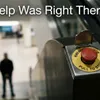
Why Nobody Pushed the Button: The Psychology Behind a Subway Tragedy
Why did more than a dozen people walk past Steven McCluskey as he lay trapped in a Boston subway escalator? On the surface it seems to refute the newest research on bystander intervention — Richard Philpot's cross-national CCTV study showing that at least one bystander helps in roughly nine out of ten public conflicts. In this episode of The Psych Files, Michael Britt explains why this tragic case doesn't contradict that finding at all. The key is ambiguity: Philpot studied public conflicts, which are loud and unmistakable, while a still figure in a transit station is exactly the ambiguous situation where the classic bystander research — John Darley and Bibb Latané's work on interpreting the emergency, pluralistic ignorance, and diffusion of responsibility — predicts that helping breaks down. Michael also unpacks why a larger crowd raises the odds of help in clear situations but can lower them in ambiguous ones, why the situational explanation is more useful than blaming bad character, and the specific, research-backed steps that make you more likely to act. A content note: this episode describes a real death. A social psychology episode for students, teachers, and anyone who has ever wondered whether they would step in.
Podzilla Summary coming soon
Sign up to get notified when the full AI-powered summary is ready.
Free forever for up to 3 podcasts. No credit card required.
Listen to This Episode
More from Psychology in Everyday Life: The Psych Files

Science Corrects Itself: The Embodied Cognition Story

The Secret to a Good Joke Is Silence

AI: Mixed Feelings, Cognitive Dissonance, and the Stories We Tell Ourselves
Why People Step Out of the Plane — and Go Back Up the Next Day
Get summaries like this every morning.
Free AI-powered recaps of Psychology in Everyday Life: The Psych Files and your other favorite podcasts, delivered to your inbox.
Free forever for up to 3 podcasts. No credit card required.