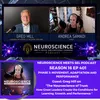
Trust as the Foundation with Greg Hill: How Great Leaders Create the Conditions for Learning, Growth and Performance
In episode 401 Andrea Samadi welcomes Greg Hill to explore why trust is the essential foundation for learning, growth, and high performance. They discuss how trust creates psychological safety, encourages risk-taking and creativity, and acts as a multiplier for organizational results. Greg shares practical leadership practices—truthfulness, consistency, competence, and genuine care—and personal stories about marathon training to show how movement builds confidence and supports clear thinking, resilience, and sustained motivation. This episode launches Phase 3: Movement, Adaptation, and Learning in the podcast's brain operating system series. Welcome back to Season 16 of the Neuroscience Meets Social and Emotional Learning Podcast. I'm Andrea Samadi, and on this podcast, we bridge the science behind social and emotional learning, emotional intelligence, and practical neuroscience so we can create measurable improvements in well-being, achievement, productivity, and results. Watch the full YouTube interview here https://youtu.be/kfvSFMQZ3dk On EP 401, You Will Learn: ✔ Why trust is the foundation of learning, growth, and high performance. ✔ How psychological safety changes the brain, reducing threat and increasing engagement. ✔ Why great leaders create environments where people feel safe enough to learn, take risks, and perform at their best. ✔ How trust influences attention, confidence, decision-making, and long-term success. ✔ The connection between movement, trust, and the brain's readiness to learn as we launch Phase 3: Movement, Learning & Cognition. ✔ Practical leadership strategies from Greg Hill to build trust with your team, family, classroom, or organization. Before the brain can learn, grow, adapt, or perform at its highest level, it must first feel safe enough to trust. In this episode, Greg Hill explains why trust is the hidden foundation of every high-performing individual and team. Trust → Engagement → Movement → Brain Activation → Attention → Learning → Memory → Performance → Confidence. Over the past several months, we've been building what I've called The Brain's Operating System for Human Performance. In Phase 1, we explored Regulation and Safety, learning why the brain performs best when the nervous system feels regulated, balanced, and secure. In Phase 2, we examined Motivation and Neurochemistry, uncovering what drives action, what sustains effort, and what breaks the motivation loop. Next we will move into Phase 3: Movement, Adaptation and Learning. The theme for Phase 3 did change and I’ll explain that once we dive into EP 403. But before we can get there, we are going to go a bit deeper into something the brain needs to feel safe: trust. EP 401 — Trust: The Foundation of Learning Question: What must happen before learning or any change can occur? Trust → Safety → Engagement → Action → Learning Before movement changes the brain, the brain must feel safe enough to engage. With Trust. Because trust creates psychological safety. Safety creates engagement. Engagement creates action. And action creates learning. When trust is present, people are more willing to take risks, embrace challenges, learn from mistakes, and move beyond what is comfortable. When trust is absent, the brain shifts its energy toward protection rather than growth. We've explored the importance of trust before on this podcast. Back on EP 207[i], we spoke with Greg Link, co-founder of the Covey Leadership Center and founder of FranklinCovey's Global Speed of Trust Practice. Greg Link shared how trust accelerates relationships, strengthens organizations, and serves as a multiplier for performance. Today's conversation takes that idea one step further. Throughout my career, whenever I've met someone who consistently brings out the very best in others, I've wanted to understand why. What are they doing differently? What principles guide them? How do they create environments where people feel safe enough to grow, learn, and perform at their highest levels? That's why I invited today's guest, Greg Hill, to join us. I've had the opportunity to work directly with Greg for over a year and a half, and one thing stood out immediately: I always knew that Greg trusted me to do my best work. That trust wasn't something we talked about. It was something he demonstrated. I felt it every day. Over time, I began to notice that this wasn't unique to my experience. Greg seemed to create the same environment for everyone around him. People wanted to do their best work, not because they had to, but because they felt trusted, valued, and supported by him. It made me curious. Was there something deeper
Podzilla Summary coming soon
Sign up to get notified when the full AI-powered summary is ready.
Free forever for up to 3 podcasts. No credit card required.
Listen to This Episode
More from Neuroscience Meets Social and Emotional Learning
Five Years, 1,905 Recoveries: How Daily Movement Rewires Your Brain (Bonus Episode)
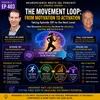
The Movement Loop: How Movement Activates the Brain for Learning, Adaptation & Performance
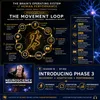
How Movement Builds the Brain, the Body & Human Performance (Phase 3 Introduction)
Episode 400: Sales Leadership Under Pressure with Majid Samadi: 7 Lessons Learned from 7 Years of Neuroscience
Get summaries like this every morning.
Free AI-powered recaps of Neuroscience Meets Social and Emotional Learning and your other favorite podcasts, delivered to your inbox.
Free forever for up to 3 podcasts. No credit card required.