Free Daily Podcast Summary
Navigating Life with Vision Loss: Daily Summaries Delivered
by Aftersight
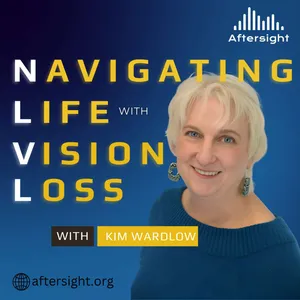
"Navigating Life with Vision Loss" is an Aftersight original podcast. In this seasonal format podcast, we answer your questions on a variety of topics surrounding vision loss. Need to know what to do in standing up for yourself? Wondering how to find a counselor or therapist? Do you need to know how to fill out patient forms in a crowded doctor's office? This show is for you. We're giving a voice to the challenges faced by people with blindness or vision loss. We're here as a resource for you, your family, and your friends. This service is made possible by generous donations. Consider supporting us at www.aftersight.org to help keep these resources free. Aftersight also provides free white canes, support groups, and more, all thanks to contributions from our community.
Latest Episodes
The most recent episodes — sign up to get AI-powered summaries of each one.
- 1 weeks ago46 min
NLVL 411: Help Me, Don't Handle Me: How Family Can Support Without Taking Over
Episode SummaryWhen someone experiences vision loss, the changes don't just affect the individual. They can reshape family dynamics, friendships, traditions, and even the way we offer and receive help. But how do we support someone we love without unintentionally taking away their independence?In this episode of Navigating Life with Vision Loss, host Kim Wardlow welcomes back speaker, author, and community builder Bethany Joy Boring for an honest conversation about the messy, sometimes uncomfortable side of relationships. Drawing from her experiences with CHARGE syndrome and combined hearing and vision loss, Bethany shares how grief, fear, communication, and changing expectations can affect both individuals experiencing vision loss and the people who care about them.Together, Kim and Bethany explore the importance of asking before helping, building trust through small conversations, respecting personal boundaries, and recognizing that independence doesn't mean doing everything alone. From navigating family traditions and holiday activities to learning how to advocate for yourself, this conversation offers practical encouragement for families, friends, and anyone learning how to support someone through vision loss.The takeaway? Meaningful support isn't about fixing everything. Sometimes it's about listening, asking questions, allowing room for mistakes, and learning how to walk alongside someone rather than taking over.CreditsHost: Kim WardlowGuest: Bethany Joy BoringProducer: Jonathan PricePodcast: Navigating Life with Vision LossContact InformationBethany Joy BoringStep Out and Thrive: https://stepoutandthrive.comPersonal Website: https://bethanyvjoy.comAftersightWebsite: https://aftersight.orgSocial Media: Find Aftersight on Facebook and LinkedIn.Support Aftersight through Colorado Gives Day on December 8, 2026.Episode Chapters00:10 – Welcome and Supporting Aftersight01:52 – Introducing Bethany Joy Boring03:10 – How Vision Loss Changes Relationships and Family Traditions04:47 – Understanding Grief and Having Difficult Conversations06:04 – Who Should Start the Conversation?09:24 – Growing Together Through Changing Expectations10:17 – Learning to Invite Family Into the Experience12:21 – Finding the Courage to Share Your Struggles13:57 – Building Trust One Step at a Time16:22 – When Helping Becomes More About Our Own Comfort18:37 – Asking How to Help Without Overstepping20:18 – Respecting Physical Boundaries and Personal Space23:39 – Recognizing Mistakes and Learning to Do Better26:23 – Redefining Independence and Asking for Help28:09 – Understanding Different Needs and Experiences32:35 – Navigating Combined Hearing and Vision Loss35:05 – Finding Community, Connection, and Support37:08 – Keeping Family Traditions Accessible38:54 – Curiosity, Audio Description, and Shared Experiences41:05 – The Importance of Clear Communication42:43 – Finding Growth in the Messiness of Relationships44:31 – Connecting with Bethany45:23 – Closing Thoughts and Staying Connected with Aftersight
- 2 weeks ago40 min
Ep. 410 Beyond the Diagnosis: The Future of Saving Sight with Dr. Amy Laster
1. Episode SummaryA Cure for Blindness? What the Science Really SaysWhat does the future of vision research actually look like, and how much of the excitement surrounding new treatments translates into real options for people living with vision loss?On this episode of Navigating Life with Vision Loss, host Kim Wardlow welcomes Dr. Amy Laster, Chief Scientific Officer at the Foundation Fighting Blindness, for a conversation about the progress, possibilities, and uncertainties surrounding research into inherited retinal diseases.Dr. Laster explains why genetic testing matters for conditions such as retinitis pigmentosa, Stargardt disease, and Usher syndrome. She discusses gene therapy, cell therapy, experimental treatments, and how advances in one area of research may help scientists develop treatments for other conditions.They also explore how clinical trials work, what patients should understand before participating, and how resources such as the My Retina Tracker Registry can help individuals stay informed about research opportunities.But perhaps the most important takeaway is that progress doesn't always mean finding a cure. Sometimes it means slowing vision loss, preserving existing sight, or helping someone maintain their independence longer.Whether you're newly diagnosed, have lived with vision loss for years, or support someone navigating that journey, this conversation offers practical information, valuable resources, and a realistic look at where the science stands.2. CreditsShow: Navigating Life with Vision LossHost: Kim WardlowGuest: Dr. Amy Laster, PhDGuest Title: Chief Scientific Officer, Foundation Fighting BlindnessProducer: Jonathan PricePresented by: Aftersight3. Contact Information & ResourcesFoundation Fighting BlindnessWebsite: fightingblindness.orgResources discussed include inherited retinal disease education, genetic testing, the My Retina Tracker Registry, retinal specialist directories, research opportunities, local chapters, and community support.Clinical TrialsWebsite: ClinicalTrials.govSearch for clinical trials by condition, review eligibility requirements, and find study sponsor contact information. A listed study is not automatically an endorsement of its safety or legitimacy.AftersightWebsite: aftersight.orgEmail: feedback@aftersight.orgPhone: (720) 712-88564. Chapter Markers00:11 – Understanding the Future of Vision Research02:33 – Dr. Amy Laster's Journey into Neuroscience05:50 – What to Do After a Vision Loss Diagnosis08:41 – Why Genetic Testing Matters10:58 – Why the Same Condition Affects People Differently12:49 – How Researchers Prioritize Retinal Diseases14:51 – Gene Therapy, Cell Therapy, and Emerging Treatments18:28 – New Technologies and What Progress Really Means20:01 – From Promising Research to Available Treatments23:21 – Can Treatments Work for Multiple Conditions?25:23 – Finding and Evaluating Clinical Trials28:12 – Understanding the My Retina Tracker Registry32:00 – Balancing Hope with the Reality of Research35:31 – Practical Steps for Newly Diagnosed Individuals38:27 – Resources and Support from Foundation Fighting Blindness - Understanding the Future of Vision Research - Dr. Amy Laster's Journey into Neuroscience - What to Do After a Vision Loss Diagnosis - Why Genetic Testing Matters - Why the Same Condition Affects People Differently - How Researchers Prioritize Retinal Diseases - Gene Therapy, Cell Therapy, and Emerging Treatments - New Technologies and What Progress Really Means - From Promising Research to Available Treatments - Can Treatments Work for Multiple Conditions? - Finding and Evaluating Clinical Trials - Understanding the My Retina Tracker Registry - Balancing Hope with the Reality of Research - Practical Steps for Newly Diagnosed Individuals - Resources and Support from Foundation Fighting Blindness
- 3 weeks ago39 min
NLVL 409: The Missing Piece of Vision Loss: What Happens After Diagnosis?
What happens after someone receives a vision loss diagnosis and walks out of the doctor's office? For many, the greatest challenges are only beginning.In this episode of Navigating Life with Vision Loss, host Kim Wardlow welcomes Johnjoe Farragher, President and CEO of Hadley, to explore the often-overlooked emotional side of vision loss. Drawing from his listening tour and conversations with healthcare professionals and community organizations, Johnjoe discusses the enormous gap between clinical care and the practical, emotional, and personal support people need afterward.Together, they explore grief, isolation, the importance of human connection, and how technology and AI can improve access without replacing genuine relationships. They also discuss how organizations can work together to reach people before they face a crisis.Vision loss changes more than eyesight, and finding support shouldn't be another challenge people have to face alone.Show CreditsPodcast: Navigating Life with Vision LossHost: Kim WardlowGuest: Johnjoe Farragher, President and Chief Executive Officer of HadleyProducer: Jonathan PriceProduction: AftersightContact InformationWebsite: www.hadleyhelps.orgPhone: 1-800-323-4238Email: info@hadleyhelps.orgPhone support: Monday–Friday, 8:00 AM–5:00 PM Central Time, according to Hadley's current homepage.Mailing Address: 700 Elm Street, Winnetka, IL 60093. Vision Support for Older AdultsFollow Hadley on Social MediaFacebook — HadleyHelpsInstagram — @_hadleyhelpsLinkedIn — HadleyYouTube — HadleySocial links were traced from Hadley's website and its associated social profile directory. Additional Hadley ResourcesHadley provides free access to practical learning resources, emotional support, peer connections, and technology training. Its resources are available online, through the Hadley Helps mobile app, by telephone, and through accessible mailed materials.AftersightWebsite: aftersight.org Listener Feedback: feedback@aftersight.org Production Contact: jonathan@aftersight.orgListen to more episodes of Navigating Life with Vision Loss and explore Aftersight's additional podcasts and accessible audio programming.Chapter MarkersTIMESTAMP / CHAPTER Copy chapters00:09 Welcome to Navigating Life with Vision Loss01:55 Hadley's 106-Year Mission and Its New Leadership03:41 From Educational Technology to Vision Loss Advocacy07:16 The Emotional Toll of Vision Loss10:10 Geographic Barriers and Technology Challenges12:03 Combining Digital Accessibility with Human Support16:00 Reaching People Before a Crisis19:08 Creating a Standard of Care Beyond Diagnosis22:09 Building Partnerships Across Organizations25:43 Can Technology Replace Human Connection?29:22 Why Authentic Voices Still Matter32:48 The Conversations the Vision Loss Community Needs34:21 How Everyone Can Help Close the Support Gap36:22 Accessing Hadley's Free Resources37:46 Aftersight Programs and Closing Announcements
- 4 weeks ago48 min
When Your Vision Changes: What Your Retina Is Telling You
Our eyes can tell us a great deal about our overall health, but would we recognize the warning signs if something started to go wrong?On this episode of Navigating Life with Vision Loss, Kim Wardlow welcomes Dr. Emily Cole, an ophthalmologist, vitreoretinal surgeon, and assistant professor at CU Anschutz, for an informative conversation about retinal health. Together, they explore common conditions such as retinal detachments, macular degeneration, diabetic retinopathy, and inherited retinal diseases, along with the symptoms that should prompt a visit to an eye specialist.Dr. Cole explains what patients can expect during retinal examinations, how treatments such as laser procedures, injections, and surgery work, and why communication between patients and their healthcare providers is so important. She also shares considerations for children, the role of family medical history, and how factors such as travel and altitude can influence recovery following retinal surgery.Whether you're managing a retinal condition, supporting someone experiencing vision loss, or simply wanting to better understand your eye health, this episode offers practical information to help you recognize changes, ask better questions, and make informed decisions about your care.CreditsHost: Kim WardlowGuest: Dr. Emily Cole, Ophthalmologist and Vitreoretinal Surgeon, CU AnschutzProducer: Jonathan PricePodcast: Navigating Life with Vision LossNetwork: AftersightContact InformationAftersightWebsite: https://aftersight.orgEmail: feedback@aftersight.orgDr. Emily ColeOrganization: University of Colorado Anschutz Medical CampusWebsite: https://www.cuanschutz.edu
- Sep 29, 202640 min
NLVL 407 Today Is Not Forever: Finding Hope Through Vision Loss
SummaryVision loss can change more than how you see. It can affect your confidence, your routines, and your sense of who you are. Kim Wardlow welcomes Ricky Enger from Hadley for an honest conversation about grief, feeling overwhelmed, and rebuilding confidence one small step at a time. Instead of trying to learn everything at once, Ricky encourages starting with one thing that would make today a little easier. Pasted textThey also explore Hadley’s free resources, finding connection with people who understand, and the importance of giving yourself room to adjust. For anyone feeling stuck, Ricky offers a reminder: “Today is not forever.”CreditsHost: Kim WardlowGuest: Ricky Enger, HadleyProducer: Jonathan PricePresented by: AftersightContact InformationAftersight: aftersight.orgQuestions, feedback, or guest inquiries: feedback@aftersight.orgProducer: Jonathan Price — jonathan@aftersight.orgConnect with Aftersight: Facebook, Instagram, and LinkedInHadley: hadleyhelps.orgPhone: 800-323-4238App: Search for “Hadley Helps” in the App Store or Google Play. Contact Hadley to learn about its Adjusting and Coping Together series, support groups, and other resources discussed in this episode. Pasted text
- Sep 22, 202636 min
NLVL 406: Finding Support in the In-Between with Hadley
Vision loss rarely happens all at once, and figuring out what comes next can feel overwhelming. Kim talks with Cristi Stearns, Katie O’Connor, and Jim “Mac” McHolland from Hadley about free resources for people adjusting to vision loss, including emotional support, peer connections, practical workshops, technology training, Braille, and support for family and friends.They also discuss why reaching out early matters and how Hadley can help people navigate the ongoing “in-between” as vision and circumstances continue to change.CreditsHost: Kim WardlowGuests: Cristi Stearns, Katie O’Connor, and Jim “Mac” McHollandProduced by: AftersightNavigating Life with Vision Loss is brought to you by Aftersight.ResourcesLearn more about Hadley and its free resources for people experiencing vision loss at HadleyHelps.org.Healthcare providers and organizations interested in connecting with Hadley can visit HadleyHelps.org/partner.For more information about Aftersight and our podcasts, visit Aftersight.org. - Finding Support After Vision Loss - Meet the Hadley Team - Connecting Patients with Hadley - Where Do You Begin? - The Donahoe Center for Support - Peer and Group Support - When You’re Not Ready Yet - Practical Everyday Resources - Technology and Adjusting to Vision Loss - Learning Braille - Hadley’s App and Digital Resources - Supporting People Around the World - Stories of Growing Independence - Support for Family and Friends - Between the Visits - Living in the In-Between - Closing Thoughts
- Sep 15, 202634 min
NLVL 405: They Took My Sight, Not My Vision - Chris "The Blind Steppa"
Episode SummaryChristopher “The Official Blind Steppa” Felder joins Kim Wardlow to share the story of losing his sight after being shot during a robbery in 2012, on the same day he received his EMS badge and was preparing to begin a new career. Chris describes leaving the hospital unable to see, spending years searching for a different medical answer, and resisting the reality of blindness even while learning some of the skills he would eventually need.Nearly eight years into that journey, a simple moment with his son became a turning point. With no one available to take his son to basketball practice, Chris chose to pick up his cane, trust God, and get him there himself. That decision began a new chapter of independence, acceptance, faith, advocacy, and purpose.Chris speaks candidly about depression, a suicide attempt, loneliness, grief, parenting, and the reality that accepting blindness does not mean the difficult days disappear. He explains how podcasting became a form of therapy and eventually a way to encourage people around the world who are navigating blindness, disability, trauma, and mental-health struggles.The conversation also explores the importance of finding community, seeking therapy, connecting with other blind and low-vision people, and refusing to allow disability to erase identity or ambition. Today, Chris is building his work as a motivational speaker, podcaster, advocate, and entrepreneur while challenging others to keep moving forward, even when life looks nothing like the future they originally imagined.Content NoteThis episode contains candid discussion of gun violence, depression, suicidal thoughts and a suicide attempt, trauma, grief, and recovery.CreditsShow: Navigating Life with Vision LossHost: Kim WardlowGuest: Christopher “The Official Blind Steppa” FelderGuest Podcast: Blind But Now I SeeProducer: Jonathan PricePresented by: AftersightContact InformationChristopher “The Official Blind Steppa” FelderWebsite: officialblindsteppa.comInstagram: @official_blindsteppaPodcast: Blind But Now I SeeBooking Email: fobcnotenyc@gmail.comBooking Phone: 347-653-0076AftersightWebsite: aftersight.orgEmail: contact@aftersight.orgMain Office: 303-786-7777Listener Feedback: feedback@aftersight.orgFeedback Line: 720-712-8856ProducerJonathan PriceEmail: jonathan@aftersight.orgOffice: 303-786-7777
- Sep 8, 20260 min
NLVL 404: You Don’t Have to “Accept” Vision Loss - Shawn Cheshire
Episode Summary Vision loss is not simply a physical change. It can carry grief, fear, anger, depression, and the painful loss of independence. Those emotions do not follow a predictable timeline, and moving forward does not mean pretending they have disappeared. Host Kim Wardlow welcomes Army veteran, Paralympian, and adventurer Shawn Cheshire back to Navigating Life with Vision Loss. Shawn candidly shares how a brain injury at age 36 led to total blindness, the depression and fear that followed, and the moment she realized she needed to choose what kind of life she would build. Together, Kim and Shawn explore why grief can remain present years after vision loss, how sadness and gratitude can coexist, and why courage means moving forward while fear is still present. Shawn also discusses reclaiming activities she once believed were gone forever, learning to use a white cane, asking for help, setting boundaries, and giving yourself permission to heal without someone else’s deadline. This conversation offers no shallow promise that everything becomes easy. Instead, it offers something more honest: you can grieve what was lost while still creating a meaningful, adventurous, and deeply fulfilling life. Content note: This episode includes candid discussion of trauma, depression, and suicidal thoughts. Credits Host: Kim Wardlow Guest: Shawn Cheshire Producer: Jonathan Price Organization: Aftersight Podcast: Navigating Life with Vision Loss Contact Information Shawn Cheshire Website: ShawnCheshire.org Nonprofit: Choosing to See Instagram: @shawn_cheshire Documentary: Blind AFShawn’s nonprofit, Choosing to See, provides encouragement, opportunities, and assistance to people who are blind or visually impaired. Her documentary, Blind AF, follows her 3,600-mile cross-country journey on a single, non-tandem bicycle. Official documentary synopsis Aftersight Website: Aftersight.org Email: contact@aftersight.org Phone: 303-786-7777 Listener feedback: feedback@aftersight.org Programming inquiries: Jonathan Price at jonathan@aftersight.orgChapters 00:11 Introducing Shawn Cheshire 01:00 How a Brain Injury Led to Vision Loss 03:22 Denial and the Hope of Getting Better 05:20 Depression, Grief, and Losing Independence 07:27 Why Grief Does Not Follow a Timeline 11:05 When Gratitude and Grief Coexist 13:23 Fear of Leaving the House 16:02 Choosing What Kind of Person to Become 17:59 Taking the Next Step While Still Afraid 19:56 Reclaiming Cooking After Seven Years 21:51 The White Cane and the Pressure to “Accept” Blindness 24:42 Why Sadness Can Remain Years Later 28:11 Vulnerability, Strength, and Public Expectations 30:08 Rebuilding Identity After Trauma 32:20 Resilience Through Blindness and Hearing Loss 34:39 Carrying the Emotional Weight 37:07 Helpful Support, Unwanted Help, and Self-Advocacy 41:22 What Shawn Would Say to Someone Still Grieving 43:19 Closing Thoughts and Aftersight Programs 45:15 Choosing to See and the Blind AF Documentary
Get Navigating Life with Vision Loss summaries in your inbox
Free AI-powered daily recaps. Key takeaways, quotes, and mentions — in a 5-minute read.
Get Free Summaries →Free forever for up to 3 podcasts. No credit card required.
You Might Also Like
Listeners also like.
The [EYE] on Autism Podcast
Brightway Living and Learning

Our Skin: A Personal Discovery Podcast
People share personal experiences with skin conditions like psoriasis and HS, discussing diagnosis, treatment, and living fully despite challenges.
Thrive Through and Beyond Cancer
Season Johnson
Your Thoughts Your Reality
A podcast exploring how veterans can overcome psychological challenges like fear and self-doubt through neuroencoding science.
Good Life Project
Deep conversations about building a meaningful life through midlife reinventions, grounded in science and human experience.
Fuller Expectations
Explores living with purpose, reinvention, and personal growth in midlife and beyond.
Grief and Rebirth: Finding the Joy in Life
Explores grief, trauma, and spiritual transformation through conversations with healers, mediums, and resilience experts.
Life After Swim
Retired swimmers share experiences and advice on adjusting to life after competitive swimming, with open conversations about mental health.
Fully Alive: Unlocking the secrets to your healthier, happier, longer life
Explores science and lifestyle strategies to enhance health, purpose, and longevity.
Almost 30
Best friends explore personal growth, wellness, and life transitions through candid conversations and expert interviews.
The Caregiver's Journey
Practical guidance and honest discussions for family caregivers navigating Alzheimer's and dementia challenges with resilience and support.

Notes from the Edge
Raw conversations about trauma, survival, identity, and reinvention with host Lisa Lacy.
About Navigating Life with Vision Loss
"Navigating Life with Vision Loss" is an Aftersight original podcast. In this seasonal format podcast, we answer your questions on a variety of topics surrounding vision loss. Need to know what to do in standing up for yourself? Wondering how to find a counselor or therapist? Do you need to know how to fill out patient forms in a crowded doctor's office? This show is for you. We're giving a voice to the challenges faced by people with blindness or vision loss. We're here as a resource for you, your family, and your friends. This service is made possible by generous donations. Consider supporting us at www.aftersight.org to help keep these resources free. Aftersight also provides free white canes, support groups, and more, all thanks to contributions from our community.
Customized Recaps
AI-powered recaps with compact key takeaways, quotes, and insights.
Straight to Your Inbox
Get key takeaways from Navigating Life with Vision Loss in a 5-minute read.
Save Hours Every Week
Stay current on your favorite podcasts without falling behind.
Frequently Asked Questions
What is Podzilla's Navigating Life with Vision Loss daily summary?
It's a free AI-powered email that summarizes new episodes of Navigating Life with Vision Loss as soon as they're published. You get the key takeaways, notable quotes, and links & mentions — all in a quick read.
How does the Navigating Life with Vision Loss podcast summary work?
When a new episode drops, our AI transcribes and analyzes it, then generates a personalized summary tailored to your interests and profession. It's delivered to your inbox every morning.
Is this an official Navigating Life with Vision Loss product?
No. Podzilla is an independent service that summarizes publicly available podcast content. We're not affiliated with or endorsed by Aftersight.
Can I get summaries of other podcasts too?
Absolutely! The free plan covers up to 3 podcasts, any in the catalog. Basic raises that to 15, Pro to 40 and Max to 100. Browse our full catalog at /podcasts.
How often does Navigating Life with Vision Loss release new episodes?
Navigating Life with Vision Loss publishes weekly. Our AI generates a summary within hours of each new episode.
What topics does Navigating Life with Vision Loss cover?
Navigating Life with Vision Loss covers topics including Education, Business, Self-Improvement, Non-Profit. Our AI identifies the specific themes in each episode and highlights what matters most to you.
Start getting Navigating Life with Vision Loss summaries tomorrow morning.
Free forever for up to 3 podcasts. No credit card required.
Free forever for up to 3 podcasts. No credit card required.