Free Daily Podcast Summary
Make More Money without Selling Your Soul: Daily Summaries Delivered
by Polly Lavarello
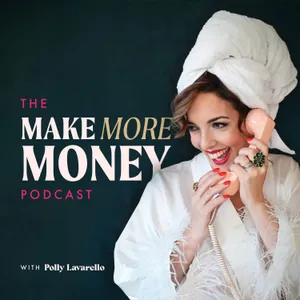
I am Polly Lavarello, an evergreen marketing expert, and welcome to Make More Money without Selling Your Soul. If you are a coach, consultant, or an online service provider, then this podcast is perfect for you. On this podcast, you can expect to learn how to make money in your business with sales AND look after your wellbeing at the same time. So sit back, get comfortable, and enjoy the show.
Latest Episodes
The most recent episodes — sign up to get AI-powered summaries of each one.
- 4 days ago20 min
The Everyday Sales System for Health Practitioners: What It Actually Is (And Why It Doesn't Run on Autopilot)
I’m talking about the Everyday Sales System: what it actually is, what it isn’t, and why it doesn’t run on autopilot.This episode is about the gap between the make-money-in-a-hammock fantasy and how consistent revenue really works. Yes, I’ve had my hammock moments, but they were sponsored by my desk moments. We get into the three foundational principles you need to understand before you build a system of your own: why consistent revenue still needs strategic attention, why you need one engine you stay consistent with (rather than rebuilding your business every time something new looks shiny), and why the best model isn’t launches versus everyday sales, it’s both.We also look at the five elements that make up your engine: a signature offer, genuine clarity on your ideal client, a way to reach them consistently, a way to bring them into your world, and a way to convert them into clients. Most established practitioners have three of those working brilliantly, one that’s a little wobbly and one they’ve been quietly avoiding. Then I walk you through an overview of the five-step Everyday Sales System Blueprint I teach inside the Everyday Sales Accelerator, ready for a deeper look at each step in part two next week.You probably don’t need to do more. You need the right things working together.Highlights - Why this episode started life as one of my most-replied-to emails - The hammock problem, and why it makes us dismiss simple ideas too - Principle one: consistent revenue doesn’t happen on autopilot - What my scattered 2020 business taught me about burnout - Busy or effective? The question worth sitting with - Principle two: why you need an engine, not more tactics - The five elements every engine needs - The two mistakes I see once something actually starts working - Principle three: why it’s not launches versus everyday sales - Why the internet loves making one business model the villain - The five-step Everyday Sales System Blueprint, at a glance - The reflection to take into part twoTo find out more:WebsiteInstagramDownload the FREE Every day Sales Systems Playbook
- 2 weeks ago14 min
I'm throwing in the towel
In this episode, I’m talking about why I’m finally throwing in the towel. Not on the business, but on the towel-on-my-head personal brand I’ve worn since 2023.This episode is about what happens when a brand that once worked brilliantly starts quietly getting in the way. The retro pin-up shoot that launched Cushy brought a bumper January, a lower ad cost per lead and a genuinely joyful day of feeling like a goddess. But over time it created a gap between the glamorous version of me on my grid and the everyday version who actually turns up to work, and that gap was enough to stop me posting altogether on the days my hair looked scrappy. If September’s visibility challenge taught me anything, it’s that the more visible I am, the more sales I make.We get into why people want to meet the person behind the brand more than ever as curated and AI-generated imagery becomes the norm, the thought I couldn’t ignore any longer, and how I’ve stripped my website back to bring more of me to the front. It’s also an invitation to look honestly at what you’re holding onto for nostalgic, comfortable or safe reasons as you head into 2027.You can honour what got you here without making it your job to stay there forever.Highlights: - The announcement, and what “throwing in the towel” doesn’t mean - The story behind the towel-on-my-head brand shoot - Why I declared the girl-next-door brand dead (and what I was really saying) - What the rebrand did for sales conversations and ad costs - Where AI photoshoots changed the picture for curated brands - Why people want to meet the person behind the brand more than ever - How a glamorous brand can quietly stop you showing up - The thought I couldn’t keep ignoring - Stripping back the website, and how it was built - Honouring who you were without staying there forever - The question to ask yourself before 2027Check out my new website! pollylavarello.comTo find out more:WebsiteInstagramDownload the FREE Every day Sales Systems Playbook
- 3 weeks ago18 min
Stop Looking for Better AI Prompts: Learn to Lead the Conversation
In this week's episode, I'm talking about why you don't need a better AI prompt - you need to lead the conversation.I hosted an AI workshop for health practitioners on Monday, and as so often happens when we're helping others, I learned something about how I'd been saying things myself. So many of you are being sold prompts as though they're one and done, or nudged towards eight different subscriptions, when the tool you already have is barely being used.The reframe I keep coming back to is that AI is a brilliant mirror for your leadership. Whether you push back when it sounds confident, how clearly you brief it, and whether you lead the process rather than just the conversation: that's where the results come from, far more than the wording of any prompt.So this episode is about treating AI like an enthusiastic apprentice rather than an authority, and making it part of your day, so that you start building and refining prompts of your own.AI isn't a scary overlord. It's an apprentice, and it only gets brilliant through you managing it well.Highlights - why I couldn't let this one slide after Monday's workshop - the eight-subscription trap, and what you're probably already underusing - what you lose when a prompt is sold as one and done - why a confident answer isn't a correct one, and your permission to push back - the brief to give AI before you ask it for anything - why AI can't fix an unclear offer, and what it does to one instead - the morning habit that gets you writing your own promptsTo find out more:WebsiteInstagramDownload the FREE Every day Sales Systems Playbook
- Oct 8, 202612 min
AI for health practitioners in 2026: where the line is
I'm talking about how health practitioners can use AI without breaking confidentiality, and why the answer isn't to avoid it altogether.If you're a nutritional therapist, psychologist or coach, there's a good chance a quiet voice has asked what AI means for your clients' confidentiality. It's a fair question, and I start with where I stand: what I won't use AI for, why the environment matters to me, and the one rule I never break, which is that AI never comes up with my ideas. I ask it to tidy and tighten mine.The tension is that most of us are already using AI, whether we've chosen to or not, from the background remover in Canva to the summary at the top of a search. So the question stops being whether, and becomes how carefully. For a health practitioner, carefully has a very particular meaning: client information stays out of AI tools. We look at why health information is special category data under UK GDPR, why even an enquiry can count, and the three questions I ask before I paste anything in.From there it gets practical. Keeping client email separate from business email, checking what's switched on in your practice software, and knowing when to take advice from your professional body or a lawyer you trust. Once you know where the line is, there's plenty you can safely hand over: the planning, the follow-ups for your business, the newsletter you keep putting off, and a thinking partner for the parts of running a practice nobody trained you for.Client information stays out. Everything else is a conversation.Highlights - Why this episode is dedicated to the psychologists and nutritional therapists I work with - Why AI is Marmite right now, and where I stand on it - Three AI-generated adverts before a film about the art of cinema - What I don't use AI for, and why I'd rather see the real you - The rule I never break: AI tidies my ideas, it never comes up with them - Why you're probably already using AI, even if you've decided not to - The one rule for health practitioners: client information stays out - Why health information is special category data, and why an enquiry can count too - The three questions to ask before you paste anything into AI - Why client email and business email shouldn't share an inbox - The question to ask about the AI built into your practice software - Why this conversation keeps changing, and why proper advice matters - What you can safely hand over once you know where the line is - The workshop: AI for Your Practice, Handled with CareJoin the AI workshop for £22 HERETo find out more:WebsiteInstagramDownload the FREE Every day Sales Systems Playbook
- Oct 1, 202611 min
What to Say When Someone Says “I Don’t Have the Money”
I'm talking about what to say when someone tells you "I don't have the money" on a sales call - and the two other objections hiding right behind it.You know the call I mean. It felt like a perfect fit, the energy was there, and then the next-day email arrives saying they've decided not to do this after all. Somewhere between the call ending and that decision landing, they talked themselves out of it - and most of us have no idea what actually happened in that gap.Three objections turn up on sales calls again and again, and each one is usually a stand-in for something else. "I don't have the money" is often "I'm not choosing to prioritise this as an investment." "I don't have the time" could be five different things wearing the same sentence. And "I need to think about it" was never something to overcome in the first place - it's a request for more certainty.So this episode is about the questions, not the statements, that let someone find their own real answer - even when that answer is no.Selling is being of service. When it's coming from a place of helping someone make an informed decision, it can never feel gross.Highlights - the sales-call objection Polly refuses to solve with a payment plan - why "can we split the payment?" is the worst thing to say next - the one question to ask instead, and the single most useful line in the whole episode - the five different things "I don't have the time" can actually mean - why "I need to think about it" isn't an objection to overcome - the real job of a sales call, and why "no" still counts as a winTo find out more:WebsiteInstagramDownload the FREE Every day Sales Systems Playbook
- Sep 24, 202622 min
How to create an extra £5k this month
This week I'm talking about how to make an extra five grand this month - whether you've already had a 5K month or that number still feels miles away.This isn't a post-more, launch-something-new episode. Before we talk about what you could be making, I want you looking at what you're already leaking - in your bank account and in your own behaviour - because that's the fertile ground everything else grows from.From there it's your edge: whether what makes you different from someone doing something broadly similar is actually obvious in your content and your offer. And then your client journey - the exact path from someone discovering you to someone becoming a client, because more visibility on a journey that's already broken just creates more frustration, for them and for you.Every business should have the capacity to make 5K or more within a month.Highlights - the three simple tips to break past your current income ceiling, whatever it looks like right now - where you're already leaking money without realising, and the five-minute audit that catches it - why every client's calendar lies to them, and what a proper time audit reveals instead - the "niche sandwich" that makes people choose you over someone doing something broadly similar - the one sentence to fill in that clarifies exactly who you help, with what, and how - the six questions to map how your last five clients actually became clients - what's on the table right now if this is the push you neededCatch the replay HERETo find out more:WebsiteInstagramDownload the FREE Every day Sales Systems Playbook
- Sep 17, 202620 min
Stop Apologising for Selling
In this week's episode I'm talking about why you're still apologising for selling, somewhere, in some form — and what watching someone else do it without a flicker of apology taught me.You know sales keep your business alive. And yet somewhere it's still there - fewer invitations in your emails, fewer emails in the first place, going quiet in your stories instead of telling your warmest people about the thing you've built. Somewhere you're still carrying the belief that being salesy means being pushy, or unethical, even though no other department in your business would get away with going quiet like that.Six years in business and fifty-odd webinars run, and it took watching someone else pitch for a full ninety minutes without once apologising for it, for this to properly land for me. Every time I felt the numbers dropping in the chat, I used to rush my own pitch to spare people's feelings - except the people who actually wanted to hear it were still sitting there, waiting for the invitation.So this episode is about putting your energy where it belongs: on the people who are excited to be sold to, not the ones who were never going to buy. Giving someone the full picture of what they're being invited into isn't pushy. It's an act of service.Selling isn't the thing to rush through so nobody feels uncomfortable - it's the thing you owe the people who actually want it.Highlights - why chances are you're still apologising for selling somewhere in your business right now - what six years in business and fifty-odd webinars hadn't taught me until last week - the masterclass I watched with my embroidery in hand, and what it changed for me - why watching people drop off mid-pitch used to make me rush mine, and why that was the mistake - the "no pitch, no fluff" promise AI keeps tempting you to make, and why it's not quite honest - the one line to say at the start of a workshop instead of half-apologising for what's coming - the invitation to go make another oneCatch the replay here: https://cushyceo.com/free-trainingTo find out more:WebsiteInstagramDownload the FREE Every day Sales Systems Playbook
- Sep 10, 202624 min
Why you don't have time to create more content (and what to do instead)
I'm talking about why you don't have time to create more content - and why that's almost never actually true.This is the thing I hear before any other business challenge: people telling me they wish they were posting more. So I want to be honest about what's really going on there, because in most cases it isn't a time problem. It's what you're quietly choosing to prioritise instead, and a business model that may be eating the hours you need for visibility in the first place.So this episode is the practical version. What a proper time audit actually looks like, the boringly simple recording setup that took away all my excuses, and the four-part formula I use to turn a five-minute ramble into something people stop for. Including what happened to my own "ritual" the first time real life got in the way of it.Visibility should never be the first thing that gives - because there's no point building or launching anything if nobody knows about it.Highlights - why visibility is almost always the first thing to give, and why it shouldn't be - the proper time audit I ask every client to do before we touch anything else - the two boringly simple recording spots that took the friction out of showing up - why the best ideas come from you, not the app you type them into - the four-part formula behind every reel that actually gets watched - building a one-line authority statement you're allowed to repeat ad nauseam - what happens to a "ritual" the first time life gets in the way of it - why lowering the bar on the first step gets you there faster than any content planFREE TRAINING: https://cushyceo.com/free-trainingTo find out more:WebsiteInstagramDownload the FREE Every day Sales Systems Playbook
Get Make More Money without Selling Your Soul summaries in your inbox
Free AI-powered daily recaps. Key takeaways, quotes, and mentions — in a 5-minute read.
Get Free Summaries →Free forever for up to 3 podcasts. No credit card required.
You Might Also Like
Listeners also like.

The Conscious Edge Podcast: Redefining Wealth as a Whole Human Experience
Alecia St. Germain

Growth Triggers: Content Marketing & AI
A marketing podcast teaching business owners how to use podcasting to generate leads, sales, and authority across competitive niches.

The Balanced, Beautiful and Abundant Show - Rebecca Whitman
A coach helps high-achieving women overcome burnout using a framework centered on spiritual, emotional, physical, and financial well-being.

The Revenue House
Examines ethical marketing and business growth for purpose-driven companies through expert interviews and real-world strategies.

Working Hard with Grace Beverley
Real people share hard-won lessons on success, resilience, and life balance across diverse fields, from activism to business and beyond.

The Abundant Accountant Podcast: Sales & Business Growth for Accounting, Tax, and Bookkeeping Firm Owners
Teaches accounting, tax, and bookkeeping firm owners how to raise fees, improve sales, and build profitable firms without burnout.

Everyone Hates Marketers | No-BS Marketing & Brand Strategy Podcast
A marketing podcast offering practical insights on branding, strategy, and customer research from industry professionals.

Coaching Inc with Tom Krol
Teaches coaches and consultants how to generate consistent leads and increase income using proven, efficient marketing strategies.
Creative Entrepreneur: A Podcast For Business Growth and Trending News
Examines how entrepreneurship, creativity, and media trends shape modern business and personal branding.

The Selling Well
Explores strategies and insights from top sales leaders to help professionals improve their sales performance.

Young and Profiting (YAP) with Hala Taha: Entrepreneurship and Self-Improvement Podcast
Interviews with top entrepreneurs and experts deliver actionable strategies for business growth, productivity, and personal development.

The Level Up Podcast w/ Paul Alex
A former detective shares real stories and practical strategies on building passive income, financial freedom, and entrepreneurial success.
About Make More Money without Selling Your Soul
I am Polly Lavarello, an evergreen marketing expert, and welcome to Make More Money without Selling Your Soul. If you are a coach, consultant, or an online service provider, then this podcast is perfect for you. On this podcast, you can expect to learn how to make money in your business with sales AND look after your wellbeing at the same time. So sit back, get comfortable, and enjoy the show.
Customized Recaps
AI-powered recaps with compact key takeaways, quotes, and insights.
Straight to Your Inbox
Get key takeaways from Make More Money without Selling Your Soul in a 5-minute read.
Save Hours Every Week
Stay current on your favorite podcasts without falling behind.
Frequently Asked Questions
What is Podzilla's Make More Money without Selling Your Soul daily summary?
It's a free AI-powered email that summarizes new episodes of Make More Money without Selling Your Soul as soon as they're published. You get the key takeaways, notable quotes, and links & mentions — all in a quick read.
How does the Make More Money without Selling Your Soul podcast summary work?
When a new episode drops, our AI transcribes and analyzes it, then generates a personalized summary tailored to your interests and profession. It's delivered to your inbox every morning.
Is this an official Make More Money without Selling Your Soul product?
No. Podzilla is an independent service that summarizes publicly available podcast content. We're not affiliated with or endorsed by Polly Lavarello.
Can I get summaries of other podcasts too?
Absolutely! The free plan covers up to 3 podcasts, any in the catalog. Basic raises that to 15, Pro to 40 and Max to 100. Browse our full catalog at /podcasts.
How often does Make More Money without Selling Your Soul release new episodes?
Make More Money without Selling Your Soul publishes weekly. Our AI generates a summary within hours of each new episode.
What topics does Make More Money without Selling Your Soul cover?
Make More Money without Selling Your Soul covers topics including Education, Business, Entrepreneurship, Self-Improvement. Our AI identifies the specific themes in each episode and highlights what matters most to you.
Start getting Make More Money without Selling Your Soul summaries tomorrow morning.
Free forever for up to 3 podcasts. No credit card required.
Free forever for up to 3 podcasts. No credit card required.