Free Daily Podcast Summary
Maine Farmcast: Daily Summaries Delivered
by University of Maine Cooperative Extension
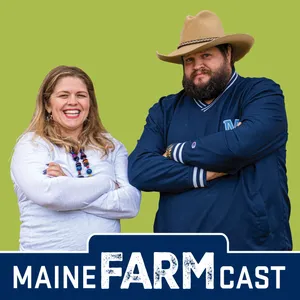
The Maine Farmcast features weekly conversations with experts from across the country sharing insights and advice for both new and seasoned farmers running operations of any size. Hosted by three livestock specialists from the University of Maine Cooperative Extension, the show brings you world-class expertise paired with practical advice about how to apply cutting-edge research to improve the efficiency and sustainability of your farming operation.
Latest Episodes
The most recent episodes — sign up to get AI-powered summaries of each one.
- 3 days ago32 min
Putting Grant Dollars to Work: Collar Technology on the Dairy Farm with Devon Ouellette
In this episode of Maine Farmcast, host Dr. Glenda Pereira talks with Devon Ouellette, a dairy farmer in Hermon, Maine, about a project they have been working on together to implement SenseHub monitoring technology on her farm. The project was funded by the Northeast Dairy Business Innovation Center.Listeners will learn about applying for grant funding, how monitoring technology can improve dairy farm operations and what goes into grant reporting.Episode ResourcesNortheast Dairy Business Innovation Center's funded projectsUniversity of Maine Cooperative Extension is an equal opportunity institution and provider committed to nondiscrimination. For more information, visit extension.umaine.edu/nondiscrimination.
- 1 weeks ago59 min
A Howling Good Time: Werewolves, Witches, and a Whole Lot of Bull — A Maine Farmcast Halloween Special
Things are getting a little spooky on the Maine Farmcast!In this special Halloween episode, Dr. Colt Knight and Dr. Glenda Pereira trade their usual livestock discussions for something a little more sinister: witches, vampires, werewolves, and the surprisingly strange connections between monster folklore and animal science.From haunted trails in the Appalachian Mountains and the Salem witch trials to hallucination-inducing fungi and the science behind vampire legends, the conversation takes a few unexpected turns before arriving in 18th-century France.There, Colt recounts the terrifying true history of the Beast of Gévaudan, a mysterious predator blamed for more than 100 deaths that baffled hunters, embarrassed the French monarchy, and helped inspire generations of monster storiesWas the beast an unusually large wolf, a wolf-dog hybrid, an escaped exotic animal, or something even stranger? And what do silver bullets, livestock genetics, and animal behavior have to do with any of it?Join Colt and Glenda for a Halloween adventure filled with fascinating history, questionable French pronunciations, plenty of laughs, and just enough animal science to remind everyone this is still an agricultural podcast.Happy Halloween from the Maine Farmcast!University of Maine Cooperative Extension is an equal opportunity institution and provider committed to nondiscrimination. For more information, visit extension.umaine.edu/nondiscrimination.
- 2 weeks ago43 min
Two Knives, a Handsaw and Five Years of Video Editing: The Story Behind Carcass to Cut, a Virtual Meat-Cutting School
What happens when you combine three animal species, two knives, a handsaw, 600 GB of video footage and five years of editing? Apparently, you get Carcass to Cut: The Maine Meat Cutting School.In this episode of Maine Farmcast, Dr. Glenda Pereira turns the tables and interviews co-host Dr. Colt W. Knight about the new 27-video Carcass to Cut series. Colt shares how a pandemic-era meat-cutting school turned into a massive video project featuring beef, pork and lamb breakdowns, from whole carcasses to retail cuts, using equipment that ordinary people can actually afford.Along the way, Colt and Glenda wander through Boston butts that are not actually butts, lamb chops with approximately two bites of meat, tri-tip, picanha, skirt steak, Portuguese pork traditions, brisket burgers and the very important question of whether grinding Wagyu into hamburger is a terrible use of perfectly good beef. They also discuss how producers, homesteaders, hunters, chefs and curious meat eaters can use the series to better understand where cuts come from, how to get more value from a carcass and maybe even save a little money by doing some of the cutting themselves.Watch the full Carcass to Cut: The Maine Meat Cutting School series on YouTubeUniversity of Maine Cooperative Extension is an equal opportunity institution and provider committed to nondiscrimination. For more information, visit extension.umaine.edu/nondiscrimination.
- 3 weeks ago35 min
Sea Scallop Research with Kyle Brennan
In this episode of Maine Farmcast, host Dr. Glenda Pereira talks with University of Maine doctoral candidate Kyle Brennan about his research on sea scallops and aquaculture in Maine. Brennan works in Dr. Tim Bowden's lab, which focuses on disease resistance in oysters and other shellfish, treatments for shellfish diseases and fish immune function. Listeners will learn about the challenges of farming sea scallops, ongoing research at UMaine and Maine's aquaculture industry.University of Maine Cooperative Extension is an equal opportunity institution and provider committed to nondiscrimination. For more information, visit extension.umaine.edu/nondiscrimination.
- Oct 7, 202640 min
Going Batty: Myths, Misconceptions and Maine’s Bats
This week on Maine Farmcast, Dr. Colt W. Knight takes the podcast on the road for a visit with returning guest Mark King, better known to listeners for his expertise in composting but also a lifelong bat enthusiast and researcher. King shares how one charismatic biology professor changed the direction of his career, eventually leading him to graduate research studying little brown bats and more than three decades of working with bats in Maine.Together they explore why bats are so important to Maine’s ecosystems, the challenges posed by white-nose syndrome and practical ways homeowners can coexist with bats, including the use of bat houses and alternative roosting sites. They also put some common bat myths to the test: Are bats blind? Do they get tangled in your hair? Are they all carrying rabies? Do they really want to suck your blood?Along the way, King shares stories from years of studying bat behavior, working with homeowners and helping people better understand these often-misunderstood nighttime neighbors. If bats make you nervous, this episode might just turn you into a bat fan.University of Maine Cooperative Extension is an equal opportunity institution and provider committed to nondiscrimination. For more information, visit extension.umaine.edu/nondiscrimination.
- Sep 30, 202632 min
Meet Maine DACF Livestock Specialist Owen Cortner: Animal Health, Soil and Biosecurity
In this episode of the Maine Farmcast, host Glenda Pereira sits down with Owen Cortner to discuss his background and how it informs his work as a livestock specialist. Cortner is a livestock specialist with the Division of Animal and Plant Health at the Maine Department of Agriculture, Conservation and Forestry. Listeners will learn about silvopasture, animal health, biosecurity and farming in different parts of the world.Contact Maine DACF animal health teamUniversity of Maine Cooperative Extension is an equal opportunity institution and provider committed to nondiscrimination. For more information, visit extension.umaine.edu/nondiscrimination.
- Sep 23, 202645 min
Horses, History and a Few Good Rabbit Holes with Dr. Robert Causey
Colt W. Knight sits down with longtime friend and colleague Robert Causey for what was supposed to be a conversation about equine veterinary medicine. But, as often happens when two longtime horse people get talking, things quickly head down a few rabbit holes.Colt and Robert talk about Secretariat and equine physiology, growing up with horses, cavalry and war horses throughout history, the human connection with horses, wild mustangs in the American West, boys’ ranches and even why working with donkeys and mules can require an entirely different mindset. Along the way, they swap stories about riding, training, veterinary work and the experiences that turned horses into a lifelong passion.They never quite make it to the horse health discussion they planned, which means Causey will be back for Part 2. If you enjoy horses, history, veterinary stories or simply listening to two horse people wander enthusiastically down a rabbit hole, this episode is for you.University of Maine Cooperative Extension is an equal opportunity institution and provider committed to nondiscrimination. For more information, visit extension.umaine.edu/nondiscrimination.
- Sep 16, 202639 min
Speak Up, Stand Out and Wear a Good Hat with John Brubaker
In this episode of Maine Farmcast, Dr. Colt W. Knight sits down with author, professional speaker, educator, former college lacrosse coach and custom hatter John Brubaker, better known to many as Coach Brew, for a conversation about communication, leadership, youth development and the value of simply being yourself.John shares how a chance encounter with Maine agricultural youth led him to the Northeast Livestock Expo, where he helped young people strengthen their public speaking and presentation skills. Colt and John discuss why agricultural youth often develop responsibility, work ethic and interpersonal skills through working with livestock, and how those experiences can translate into leadership later in life. They also explore the importance of eye contact, first impressions, practice, making real human connections and learning to speak without sounding overly rehearsed.Along the way, John tells the story of his transition from college professor and lacrosse coach to professional speaker and author. Colt and John trade stories about podcasting, traveling for speaking engagements, learning from mistakes and resisting the pressure to make everything perfect. And, naturally, no conversation with John would be complete without talking about custom hats.Whether you are a parent, educator, FFA member, 4-H member, agricultural professional or simply someone who wants to communicate with more confidence, this episode is a reminder that authenticity, practice and a willingness to make a few mistakes can take you a long way.University of Maine Cooperative Extension is an equal opportunity institution and provider committed to nondiscrimination. For more information, visit extension.umaine.edu/nondiscrimination.
Get Maine Farmcast summaries in your inbox
Free AI-powered daily recaps. Key takeaways, quotes, and mentions — in a 5-minute read.
Get Free Summaries →Free forever for up to 3 podcasts. No credit card required.
You Might Also Like
Podcasts in similar categories.
The Jamie Kern Lima Show
Entrepreneur Jamie Kern Lima interviews experts and celebrities about overcoming self-doubt and building self-belief.
The Mel Robbins Podcast
A motivational podcast offering research-backed tools and personal stories to help listeners make positive life changes.

The Level Up Podcast w/ Paul Alex
A former detective shares real stories and practical strategies on building passive income, financial freedom, and entrepreneurial success.
The Diary Of A CEO with Steven Bartlett
Raw, unfiltered conversations with influential figures and experts exploring personal growth, mindset, and the realities of success.
The Ramsey Show
Provides practical advice on personal finance and debt management through caller questions answered by Dave Ramsey and financial experts.
SmartLess
Three hosts engage in improvised conversations with a mystery guest, blending humor and personal stories through authentic dialogue.
Business MVP
Athletes and sports entrepreneurs discuss how their experiences shape leadership, business, and community impact.
Inside AsembleAI: DeepTech, AI & Science
Experts discuss AI's impact on business, product development, and leadership with researchers, founders, and executives.
About Maine Farmcast
The Maine Farmcast features weekly conversations with experts from across the country sharing insights and advice for both new and seasoned farmers running operations of any size. Hosted by three livestock specialists from the University of Maine Cooperative Extension, the show brings you world-class expertise paired with practical advice about how to apply cutting-edge research to improve the efficiency and sustainability of your farming operation.
Customized Recaps
AI-powered recaps with compact key takeaways, quotes, and insights.
Straight to Your Inbox
Get key takeaways from Maine Farmcast in a 5-minute read.
Save Hours Every Week
Stay current on your favorite podcasts without falling behind.
Frequently Asked Questions
What is Podzilla's Maine Farmcast daily summary?
It's a free AI-powered email that summarizes new episodes of Maine Farmcast as soon as they're published. You get the key takeaways, notable quotes, and links & mentions — all in a quick read.
How does the Maine Farmcast podcast summary work?
When a new episode drops, our AI transcribes and analyzes it, then generates a personalized summary tailored to your interests and profession. It's delivered to your inbox every morning.
Is this an official Maine Farmcast product?
No. Podzilla is an independent service that summarizes publicly available podcast content. We're not affiliated with or endorsed by University of Maine Cooperative Extension.
Can I get summaries of other podcasts too?
Absolutely! The free plan covers up to 3 podcasts, any in the catalog. Basic raises that to 15, Pro to 40 and Max to 100. Browse our full catalog at /podcasts.
How often does Maine Farmcast release new episodes?
Maine Farmcast publishes weekly. Our AI generates a summary within hours of each new episode.
What topics does Maine Farmcast cover?
Maine Farmcast covers topics including Science, Education. Our AI identifies the specific themes in each episode and highlights what matters most to you.
Start getting Maine Farmcast summaries tomorrow morning.
Free forever for up to 3 podcasts. No credit card required.
Free forever for up to 3 podcasts. No credit card required.