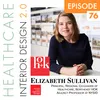
Episode 76, Elizabeth Sullivan, Principal, Regional Co-Leader of Healthcare, Northeast HOK
"Everything is shifting at once — our care models, technology, AI, capital pressures, workforce dynamics." — Elizabeth Sullivan on HID2.0 In this episode of Healthcare Interior Design 2.0, Cheryl Janis sits down with Elizabeth Sullivan, Principal and Regional Co-Leader of Healthcare Northeast at HOK and adjunct professor at The New York School of Interior Design for a deeply thoughtful conversation about healthcare architecture, lived experience, mentorship, and the future of humane healthcare environments. Elizabeth shares how she went from thinking healthcare architecture sounded "boring" to discovering that it is one of the most meaningful, complex, and human-centered areas of design. With experience spanning architectural practice, the owner side, teaching, and her own personal experiences as a patient, Elizabeth brings a rare and powerful lens to what healthcare spaces are — and what they still need to become. Together, Cheryl and Elizabeth explore the next wave of healthcare design, the importance of flexibility and adaptability, the emotional weight of hospitals, the role of respite spaces, and why small details — even the chair in a patient room — can have an enormous impact. In This Episode, Cheryl and Elizabeth Discuss Elizabeth's unexpected path into healthcare architecture Why healthcare design is far more creative, emotional, and complex than she first imagined How her experiences as a patient shaped the way she thinks about space The idea that healthcare architecture is on the edge of a major transformation Why future healthcare environments must be more adaptable and resilient How care models, AI, capital pressures, workforce dynamics, and sustainability are influencing design The importance of respite spaces for patients, families, and staff Why mentorship and apprenticeship still matter deeply in architecture What designers often misunderstand about the owner side of healthcare How curiosity can help young professionals find their place in healthcare design Why empathy is not abstract — it shows up in the questions designers ask The surprising importance of the chair in a patient room KEY TAKEAWAYS Healthcare design is deeply human. Elizabeth's early assumption that healthcare architecture would be overly technical changed when she realized the work is centered around people in some of life's most vulnerable moments. We are not waiting for transformation — we are already inside it. Elizabeth describes healthcare architecture as being on the cusp of a major shift, driven by care models, technology, AI, capital pressures, workforce dynamics, sustainability, infrastructure, and community health. <p dir="ltr" r
Podzilla Summary coming soon
Sign up to get notified when the full AI-powered summary is ready.
Free forever for up to 3 podcasts. No credit card required.
Listen to This Episode
More from Healthcare Interior Design 2.0
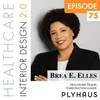
Episode 75, Brea E. Elles, Healthcare Design & Construction Leader, Owner of Plyhaus

Episode 74, Susan Suhar, NCIDQ, IIDA, LEED AP, WELL AP, Fitwel Amb, Design Principal – Interiors, Associate Vice President at HDR Architecture
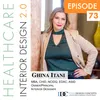
Episode 73, Ghina Itani, MBA, CHID, NCIDQ, EDAC, ASID, Owner/Principal Interior Designer of Itani Design Concepts (IDC)

Episode 72, Elizabeth Johnson, PhD, MS-CRM, RN, Assistant Professor, Montana State University Mark and Robyn Jones College of Nursing, Incoming President of the Nursing Institute for Healthcare Design
Get summaries like this every morning.
Free AI-powered recaps of Healthcare Interior Design 2.0 and your other favorite podcasts, delivered to your inbox.
Free forever for up to 3 podcasts. No credit card required.