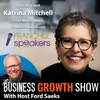
S1Ep296 Hiring a Keynote Speaker Who Delivers Real Value with Katrina Mitchell
Hiring a keynote speaker can be one of the most important decisions an organization makes when planning a convention, conference, leadership meeting, or company event. The right speaker can reinforce business priorities, create meaningful connections with the audience, and give attendees ideas they can actually put to work. The wrong speaker can consume valuable agenda time without creating much value at all. That distinction becomes even more important when organizations consider the total investment involved in bringing people together. Attendees may be stepping away from their businesses, traveling, paying for hotels, and giving up several days of productive time. The organization itself is investing in venues, production, food, travel, staff, programming, and countless other details. With that much at stake, hiring a keynote speaker should not begin with a demo video, celebrity name, or speaking fee. It should begin with a much more important question: What does the organization want the audience to think, feel, understand, or do differently when they leave? Katrina Mitchell, Founder and Chief Matchmaker at Franchise Speakers, has spent more than 17 years helping franchise organizations answer that question and match outside speakers with their audiences, cultures, objectives, and investment levels. Her experience as a former franchisee gives her an additional perspective on what franchise owners need from the limited time they spend together at conventions and meetings. For meeting planners and business leaders, her approach offers a valuable reminder. Hiring a keynote speaker is not about filling an hour on an agenda. It is about making that hour contribute to the larger purpose of the event. Start With the Business Outcome, Not the Speaker One of the easiest mistakes when hiring a keynote speaker is beginning the search too early. A planning committee decides it needs a speaker, starts watching videos, asks colleagues for recommendations, or begins searching for recognizable names. Before long, the selection process becomes focused on personalities rather than outcomes. Mitchell recommends approaching the decision from the opposite direction. "Start with the end in mind." Imagine the audience walking out of the ballroom after the presentation. What transformation should have taken place? What should attendees understand that they did not understand before? What action should they be prepared to take? How should the presentation support the broader goals of the organization? Those questions help turn a vague request into a meaningful speaker specification. An organization may initially say it wants someone who can motivate the audience. Motivation, however, is difficult to connect to a specific business result. Digging deeper may reveal that the real objective is improving leadership, increasing local marketing activity, strengthening customer experience, building better teams, improving franchise relationships, or reinforcing the company's culture. The same principle applies outside franchising. A sales organization may need its people to adopt a different approach to prospecting. A leadership conference may need managers to improve accountability. A company navigating rapid technological change may need employees to understand how AI affects their roles without losing sight of the importance of human relationships. Once the desired outcome is clear, the search for a keynote speaker becomes considerably more focused. This is also why the most entertaining speaker is not automatically the best choice. Celebrity can bring recognition and excitement to an event, but recognition and business relevance are not the same thing. Mitchell challenges the assumption that a celebrity speaker will necessarily increase attendance or create greater value for franchisees. A compelling story may entertain an audience for an hour, but meeting planners should still ask what attendees will be able to do with that experience when they return to their businesses. Entertainment absolutely has a place at events. The question is whether entertainment is the objective or whether it can be combined with a meaningful message. That distinction can help organizations avoid paying for attention when what they really need is impact. Look Beyond the Demo Reel When Hiring a Keynote Speaker A polished video is useful when evaluating a speaker, but it cannot tell a m
Podzilla Summary coming soon
Sign up to get notified when the full AI-powered summary is ready.
Free forever for up to 3 podcasts. No credit card required.
Listen to This Episode
More from FORDIFY LIVE: The Business Growth Show with Ford Saeks

S1Ep300 Leadership from the Front with David Druker

S1Ep299 Building a Business Through Responsible Growth with Don Varady
S1Ep298 Why Franchise Success Starts with Relationships with Brad Fishman

S1Ep297 Business Systems That Turn a Great Idea Into a Global Brand with Pete Hull
Get summaries like this every morning.
Free AI-powered recaps of FORDIFY LIVE: The Business Growth Show with Ford Saeks and your other favorite podcasts, delivered to your inbox.
Free forever for up to 3 podcasts. No credit card required.