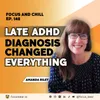
How an ADHD Diagnosis Changed My Productivity- Ep 142 w/ Amanda Riley
"Just use a calendar." It's one of the most common productivity tips—but for many people with ADHD, it simply isn't enough. Amanda Riley shares why traditional productivity advice often falls short, how ADHD time blindness really works, and the systems that help neurodivergent people succeed at work and in everyday life.Amanda Riley is the founder of Thriving with Neurodiversity, an accredited neurodiversity coach, and workplace consultant. She helps organizations build neuroinclusive workplaces through coaching, workshops, and practical strategies that support different ways of thinking.Episode Highlights01:47 — The ADHD diagnosis that finally explained everythingAmanda shares how researching her daughter's ADHD diagnosis led to recognizing the same patterns in herself. Receiving her own diagnosis gave years of confusion new meaning and helped her understand her strengths instead of focusing only on her struggles. 08:05 — Why workplaces should adapt to different brainsAmanda explains why neurodivergent people shouldn't be expected to fit into one-size-fits-all workplaces. Designing communication and systems that work for different thinking styles benefits everyone—not just neurodivergent employees. 18:04 — The productivity system Amanda uses with every clientBefore any project begins, Amanda establishes clear expectations around communication, availability, and preferred ways of working. This simple framework reduces misunderstandings, lowers anxiety, and helps teams collaborate more effectively. 19:54 — ADHD time blindness isn't just being lateAmanda describes how ADHD can make you genuinely believe a meeting is at the wrong time—even when you're completely convinced you're right. She explains why multiple alarms, experimenting with systems, and accepting time blindness are far more effective than relying on memory alone. 26:51 — Why generic productivity advice fails ADHD brainsSimple advice like "just use a calendar" or "set a reminder" often ignores how ADHD actually works. Amanda discusses why neurodivergent people need flexible systems built around lived experience rather than one-size-fits-all productivity rules. 36:39 — Know your strengths, not just your diagnosisAmanda closes the episode with practical advice for neurodivergent listeners: identify your strengths, learn how to articulate them, and don't let society define you only by your challenges. Connect with Amanda: LinkedIn: https://www.linkedin.com/in/amandajrileyWebsite: https://thrivingwithneurodiversity.com.au/Connect with Jeremy:LinkedIn: https://linkedin.com/in/nageljeremyEmail: jeremy@focusbear.ioMore from Focus Bear:Website: https://focusbear.ioLinkedIn: https://www.linkedin.com/company/focus-bear/Youtube: https://www.youtube.com/@focusbearappTwitter: https://twitter.com/focusbear1Instagram: https://www.instagram.com/focus_bear/Facebook: https://www.facebook.com/focusbearapp/Podcast: https://podcast.focusbear.ioTiktok: https://www.tiktok.com/@focusbear#ADHD #Productivity #Neurodiversity
Podzilla Summary coming soon
Sign up to get notified when the full AI-powered summary is ready.
Free forever for up to 3 podcasts. No credit card required.
Listen to This Episode
More from Focus and Chill - productivity tactics for AuDHDers and other neurodivergent folks

ADHD and Self-Understanding: Finally Knowing Why I Was Different

Was That Productivity Advice Ever Designed for an ADHD Brain?
ADHD, Autism, and Psychological Safety at Work - Ep 143 w/ Emily Kendall

ADHD and Executive Dysfunction: Why We Carry So Much Shame - Ep. 141 w/ Caroline Maguire
Get summaries like this every morning.
Free AI-powered recaps of Focus and Chill - productivity tactics for AuDHDers and other neurodivergent folks and your other favorite podcasts, delivered to your inbox.
Free forever for up to 3 podcasts. No credit card required.