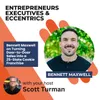
Bennett Maxwell on Turning Door-to-Door Sales into a 25-State Cookie Franchise
In this conversation, Bennett Maxwell, chairman of Dirty Dough, shares how his background in sales, entrepreneurship, and building scalable systems helped him grow a gourmet cookie business into a rapidly expanding franchise. He explains how Dirty Dough simplified store operations through centralized cookie production, reducing the time, expertise, staffing, and capital required for franchisees. Maxwell also discusses the risks of growing too quickly, the lessons he learned from investing heavily in production and logistics, and why outsourcing became an important part of the company’s strategy. The conversation explores how Dirty Dough turned a high-profile lawsuit into a major marketing opportunity, generating national attention and helping accelerate franchise sales. Maxwell also reflects on delegation, hiring experienced operators, focusing on personal strengths, and the planned acquisition of Dirty Dough by Craveworthy Brands as the company enters its next stage of growth.TakeawaysBennett Maxwell developed his sales and entrepreneurial skills early through door-to-door selling, commission-based roles, recruiting, and eventually building a solar sales company.Building a complete organizational chart and then systematically replacing himself in each role helped Maxwell create businesses that could operate without his constant involvement.Dirty Dough tested demand in multiple markets before committing to a larger franchise strategy and centralized production model.Centralized cookie production gives franchisees greater consistency while reducing labor, equipment requirements, operational complexity, and baking expertise.Dirty Dough’s business model is designed to lower the barriers to entrepreneurship by reducing the time, money, and expertise required to operate a location.Rapid expansion created significant operational challenges, including underused production capacity, costly logistics, and the need to outsource functions that had originally been brought in-house.Maxwell believes slower growth could have reduced stress and mistakes, although rapid expansion also created benefits such as brand awareness, purchasing power, and franchise momentum.Dirty Dough turned a lawsuit into a marketing campaign through billboards, social media, videos, and media coverage, ultimately helping generate significant franchise interest.The lawsuit positioned Dirty Dough as a much larger competitor in the public eye, even though the company had only one store at the time the dispute began.Maxwell’s next stage focuses on sales and capital raising while experienced operators handle execution, reflecting his belief that entrepreneurs should hire people who are significantly stronger in areas where they lack expertise.Today's guest, Bennett Maxwell, can be found at:Website: https://www.dirtydoughcookies.com/LinkedIn: https://www.linkedin.com/in/bennett-maxwell-703717126/Facebook: https://www.facebook.com/bennett.maxwell#Instagram: https://www.instagram.com/bennettmaxwell35TikTok: https://www.tiktok.com/@bennettmaxwell35X: https://x.com/BennettMaxwell0Your host, Scott Turman, can be found online at:Website: https://scottturman.com/, https://brightray.com/LinkedIn: https://www.linkedin.com/in/scottturman/IMDb: https://www.imdb.com/name/nm14602682/Keywordsentrepreneurship, franchising, gourmet cookies, cookie franchise, franchise growth, franchise sales, business scaling, centralized production, food production, operations, delegation, organizational structure, standard operating procedures, SOPs, sales, leadership, outsourcing, logistics, vertical integration, franchise operations, business systems, retail expansion, food trucks, franchise development, brand awareness, business growth, startup lessons, business strategy, marketing strategy, public relations, lawsuit marketing, crisis marketing, Cookie Wars, competitive strategy, viral marketing, social media marketing, franchise economics, operational efficiency
Podzilla Summary coming soon
Sign up to get notified when the full AI-powered summary is ready.
Free forever for up to 3 podcasts. No credit card required.
More from Entrepreneurs, Executives, & Eccentrics
Felicia Harris Hoss on Helping Companies Resolve Disputes Before Litigation Escalates
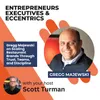
Gregg Majewski on Scaling Restaurant Brands Through Trust, Teams, and Discipline
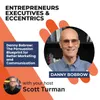
Danny Bobrow: The Persuasion Blueprint for Better Marketing and Communication
Alexis Sikorsky on Scaling Founder-Led Companies and Preparing for a Smarter Exit
Get summaries like this every morning.
Free AI-powered recaps of Entrepreneurs, Executives, & Eccentrics and your other favorite podcasts, delivered to your inbox.
Free forever for up to 3 podcasts. No credit card required.