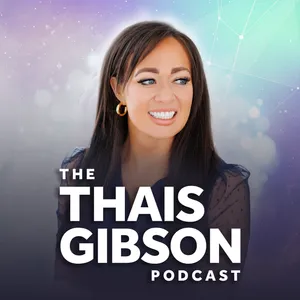
Free Daily Podcast Summary
Breakthrough with Thais Gibson Podcast: Daily Summaries Delivered
by Thais Gibson
Breakthrough with Thais Gibson is a podcast featuring live coaching and transformational conversations rooted in Integrated Attachment Theory. In each episode, Thais works directly with guests to uncover subconscious patterns, heal attachment wounds, and create meaningful emotional breakthroughs. Through vulnerable storytelling, practical tools, and deep emotional insight, listeners gain a powerful window into the healing process and learn how to build healthier relationships with themselves and others.
Latest Episodes
The most recent episodes — sign up to get AI-powered summaries of each one.
- 2 days ago9 min
When THIS Happens, The Avoidant Finally Realizes Your Worth
Free Live Masterclass: Why Your Avoidant Partner Pulls Away and What Actually Brings Them Back. https://attachment.personaldevelopmentschool.com/masterclass/da/join?utm_source=podcast&utm_campaign=da-masterclass&utm_medium=organic&utm_content=pod-11-06-26&el=podcast Do you feel like the more you give, the less your Avoidant partner sees your worth? When you’re constantly trying to earn their love, it’s easy to lose touch with your own needs. In this episode, Thais Gibson explores what can shift a Dismissive Avoidant relationship dynamic when you stop overgiving, communicate your standards, and become more comfortable letting go. She explains how fears of unworthiness, rejection, and abandonment can keep you stuck in people-pleasing—and shares a practical exercise to help you start changing those patterns. Recognizing your own worth means honoring your needs, maintaining your boundaries, and seeing whether your partner is willing to meet you in building a healthier relationship. In this video, you’ll learn: • Why being at peace with space can shift the pursuit-and-withdrawal cycle. • What self-respect looks like when communicating with a Dismissive Avoidant. • How self-abandonment can show up through overgiving and self-silencing. • Why core wounds can make expressing your needs feel risky. • A two-column exercise to help replace patterns that reinforce unworthiness. • How to strengthen your sense of self beyond a partner’s validation. Timestamps: 00:00 When a Dismissive Avoidant recognizes your worth 00:41 Being at peace with letting go 02:11 Self-respect, boundaries, and clear communication 03:21 Stop self-abandoning in relationships 04:19 Identify your needs, standards, and non-negotiables 05:35 What are your core wounds costing you? 06:23 An exercise to change self-abandonment patterns 07:12 Strengthen your sense of self 08:49 Personal Development School membership overview 09:43 Closing thoughts Meet Thais Thais Gibson, PhD, is a Best-Selling Author, Pastoral Counselor, Relationship Coach, and the founder of The Personal Development School (PDS). Between 2013 and 2019, she developed Integrated Attachment Theory® (IAT), the Six-Step Method to Becoming Secure, a framework rooted in neuroscience, attachment theory, psychology, and spirituality, trademarked in October 2021. IAT works across six pillars: ✔ Rewire Your Attachment Core Wounds ✔ Learn Your Attachment Needs ✔ Regulate Your Nervous System Somatically ✔ Learn Healthy Boundaries ✔ Improve Communication ✔ Rewire Your Unhealthy Protest Behaviors Since opening in 2020, PDS has grown to serve over 70,000 students in 145 countries, achieving a 97% satisfaction rate and helping people reprogram their subconscious patterns and build thriving, secure relationships. Helpful Resources: 🧠 Take the Free Attachment Style Quiz https://attachment.personaldevelopmentschool.com/?utm_source=podcast&utm_campaign=attachment-quiz&utm_medium=organic&el=podcast 📘 Become an IAT Relationship Coach https://attachment.personaldevelopmentschool.com/iat?utm_source=podcast&utm_campaign=iat&utm_medium=organic&el=podcast 📚 Read the New Attachment Theory Book https://attachment.personaldevelopmentschool.com/book/the-new-attachment-theory?utm_source=podcast&utm_campaign=the-new-attachment-theory&utm_medium=organic&el=podcast 🎧 Discover Podcast Episodes https://attachment.personaldevelopmentschool.com/podcast?utm_source=podcast&utm_campaign=podcast-page&utm_medium=organic&el=podcast 📝 Read the PDS Blog https://blog.personaldevelopmentschool.com/ Let’s Connect on Socials: 📸 Instagram: https://www.instagram.com/thepersonaldevelopmentschool/ 📘 Facebook: https://www.facebook.com/ThePersonalDevelopmentSchool 🎵 TikTok: https://www.tiktok.com/@thaisgibson 💼 LinkedIn: https://www.linkedin.com/company/thepersonaldevelopmentschool/
- 4 days ago7 min
This is the EXACT Moment a Fearful Avoidant Decides a Relationship is Over
Master Healthy Relationships, Communication & Emotional Connection With Thais Gibson. Start Here: https://attachment.personaldevelopmentschool.com/dream-life-pillars-course?utm_source=podcast&utm_campaign=/dream-life-pillars-course&utm_medium=organic&utm_content=pod-11-04-26&el=podcast Have you ever felt blindsided when a Fearful Avoidant suddenly ended a relationship? Everything seemed fine on the surface. They were present, caring, and invested... until one day they weren't. The reality is that these breakups are often preceded by subtle signs that something has been building beneath the surface for a long time. Episode Summary In this episode, Thais Gibson explains what many Fearful Avoidant Attachment Styles are thinking before they leave a relationship and the warning signs that often appear beforehand. You'll learn why Fearful Avoidants tend to be people-pleasers, how childhood experiences can make them suppress their needs and boundaries, and why unspoken frustrations often accumulate over time. Thais explores how their fear of vulnerability, difficulty communicating needs, and tendency to become hyper-independent can create relationship dynamics that feel overwhelming or unsustainable. She also shares five key signs that a Fearful Avoidant may be preparing to leave, including emotional shutdown, fear around broken trust, reduced presence, lack of vulnerability, and growing resentment. Most importantly, she explains how healthy communication and secure relationship skills can help prevent these patterns from taking hold. Key Takeaways ✔️ Fearful Avoidants often suppress needs to maintain harmony ✔️ People-pleasing can lead to resentment and emotional exhaustion ✔️ Uncommunicated needs often create relationship instability ✔️ Emotional shutdown is a common warning sign ✔️ Broken trust can activate deep attachment wounds ✔️ Vulnerability is essential for lasting connection ✔️ Healthy communication helps prevent sudden relationship exits Timestamps 00:00 – What Fearful Avoidants Think Before Leaving 00:31 – Fearful Avoidants Tend to Be People Pleasers 02:41 – Their Failure to Communicate Needs Leads Them to Leave Chaotic Relationships 04:19 – Sign 1: The Fearful Avoidant Suddenly Starts Shutting Down 05:24 – Sign 2: They Talk About Feeling Afraid When Trust is Being Broken 05:41 – Sign 3: They Become Less Present 05:58 – The Key Pillars to Create a Secure Relationship Course Promo 06:17 – Sign 4: They Aren’t Being Vulnerable 07:20 – Sign 5: They're Constantly Feeling Frustrated, Triggered, or Resentful Meet Thais Thais Gibson, PhD, is a Best-Selling Author, Pastoral Counselor, Relationship Coach, and the founder of The Personal Development School (PDS). Between 2013 and 2019, she developed Integrated Attachment Theory® (IAT), the Six-Step Method to Becoming Secure, a framework rooted in neuroscience, attachment theory, psychology, and spirituality, trademarked in October 2021. IAT works across six pillars: ✔ Rewire Your Attachment Core Wounds ✔ Learn Your Attachment Needs ✔ Regulate Your Nervous System Somatically ✔ Learn Healthy Boundaries ✔ Improve Communication ✔ Rewire Your Unhealthy Protest Behaviors Since opening in 2020, PDS has grown to serve over 70,000 students in 145 countries, achieving a 97% satisfaction rate and helping people reprogram their subconscious patterns and build thriving, secure relationships. Helpful Resources: 🧠 Take the Free Attachment Style Quiz https://attachment.personaldevelopmentschool.com/?utm_source=podcast&utm_campaign=attachment-quiz&utm_medium=organic&el=podcast 📘 Become an IAT Relationship Coach https://attachment.personaldevelopmentschool.com/iat?utm_source=podcast&utm_campaign=iat&utm_medium=organic&el=podcast 📚 Read the New Attachment Theory Book https://attachment.personaldevelopmentschool.com/book/the-new-attachment-theory?utm_source=podcast&utm_campaign=the-new-attachment-theory&utm_medium=organic&el=podcast 🎧 Discover Podcast Episodes h
- 1 weeks ago1h 40m
Why Fearful Avoidants Push Away the Person They Want (Violet Benson)
Access Our Conflict Resolution Blueprint Course Mentioned in This Episode, With a Trial to the Personal Development School: https://attachment.personaldevelopmentschool.com/dream-life?utm_source=youtube&utm_campaign=7-day-trial&utm_medium=organic&utm_term=l32QSobcyUY&utm_content=yt-10-31-26&el=youtube Do disagreements make you question the entire relationship, even when you care deeply about your partner? In this honest conversation, Thais Gibson sits down with Violet Benson, creator of Daddy Issues, to explore Fearful Avoidant attachment, the urge to leave during conflict, and learning to feel safe in a healthier relationship. Violet opens up about romanticizing partners after a breakup, holding back reassurance, and wanting closeness while instinctively pushing it away. Together, they explore how understanding each other’s needs and repairing after disagreements can help break the cycle. In This Episode, You’ll Learn: • How childhood experiences can shape your response to conflict • Why you might miss someone more after leaving them • How Fearful Avoidant and Anxious Attachment patterns can interact • What the urge to pull away may reveal about your unmet needs • How empathy, transparency, and reassurance support conflict resolution • Why ongoing repair helps relationships grow closer over time Timestamps: 00:00 Loving Deeply, Then Shutting Down 01:47 Meet Violet Benson 02:31 The Story Behind Daddy Issues 09:09 Childhood Beliefs About Love and Conflict 14:01 Exploring Anxious and Fearful Avoidant Patterns 20:42 Breakups, Shutdown, and Grieving 23:30 Romanticizing Someone After Leaving 34:14 The Urge to Pull Away During Conflict 48:05 Understanding Your Needs During Disagreements 58:05 Uncertainty, Distance, and Reassurance 01:08:24 How Repair Builds Lasting Connection 01:18:02 Initiating Connection and Showing Appreciation 01:21:21 Understanding Each Other’s Relationship Needs 01:29:00 Identifying Both Partners’ Needs During Conflict 01:34:53 Practical Takeaways to Try Together 01:36:50 Where to Find Violet 01:37:36 Choosing Yourself and Practicing Vulnerability Find Violet Benson: Instagram: @violetbenson Podcast: @daddyissues_ Meet Thais Thais Gibson, PhD, is a Best-Selling Author, Pastoral Counselor, Relationship Coach, and the founder of The Personal Development School (PDS). Between 2013 and 2019, she developed Integrated Attachment Theory® (IAT), the Six-Step Method to Becoming Secure, a framework rooted in neuroscience, attachment theory, psychology, and spirituality, trademarked in October 2021. IAT works across six pillars: ✔ Rewire Your Attachment Core Wounds ✔ Learn Your Attachment Needs ✔ Regulate Your Nervous System Somatically ✔ Learn Healthy Boundaries ✔ Improve Communication ✔ Rewire Your Unhealthy Protest Behaviors Since opening in 2020, PDS has grown to serve over 70,000 students in 145 countries, achieving a 97% satisfaction rate and helping people reprogram their subconscious patterns and build thriving, secure relationships. Helpful Resources: 🧠 Take the Free Attachment Style Quiz https://attachment.personaldevelopmentschool.com/?utm_source=podcast&utm_campaign=attachment-quiz&utm_medium=organic&el=podcast 📘 Become an IAT Relationship Coach https://attachment.personaldevelopmentschool.com/iat?utm_source=podcast&utm_campaign=iat&utm_medium=organic&el=podcast 📚 Read the New Attachment Theory Book https://attachment.personaldevelopmentschool.com/book/the-new-attachment-theory?utm_source=podcast&utm_campaign=the-new-attachment-theory&utm_medium=organic&el=podcast 🎧 Discover Podcast Episodes https://attachment.personaldevelopmentschool.com/podcast?utm_source=podcast&utm_campaign=podcast-page&utm_medium=organic&el=podcast 📝 Read the PDS Blog https://blog.personaldevelopmentschool.com/ Let’s Connect on Socials: 📸 Instagram: https:
- 1 weeks ago11 min
Secure People Do THESE 5 Things in Relationships & Were Parented THIS WAY
Learn the 6 Pillars of Healthy Relationships, Trust & Emotional Connection. https://attachment.personaldevelopmentschool.com/dream-life-pillars-course?utm_source=podcast&utm_campaign=dream-life-pillars-course&utm_medium=organic&utm_content=pod-10-30-26&el=podcast Have you ever wondered why some people seem naturally comfortable with emotional intimacy, healthy boundaries, and communicating their needs, while others struggle with anxiety, avoidance, or fear of rejection in relationships? What if the difference has less to do with finding the perfect partner and more to do with the emotional patterns you learned growing up? In this episode, Thais Gibson, founder of The Personal Development School, explores five essential cornerstones of Secure Attachment and explains how childhood parenting experiences can shape the way we connect, communicate, regulate our emotions, and build trust in adult relationships. You'll discover how securely attached individuals often grow up with caregivers who respond to their emotional needs, encourage healthy independence, model emotional regulation, and teach effective communication. Thais also explains how these early experiences can create a foundation for self-worth, emotional security, and the ability to rely on both yourself and others. Most importantly, you'll learn how recognizing these five patterns can help you identify opportunities for personal growth and begin developing healthier relationship habits, even if Secure Attachment wasn't modeled in your childhood. Whether you identify with an Anxious Preoccupied, Dismissive Avoidant, or Fearful Avoidant Attachment Style, this episode offers valuable insights into how secure relationships are formed and how you can begin creating greater emotional safety, trust, and connection in your own life. In This Episode, You'll Learn: - Why childhood parenting experiences play an important role in developing Secure Attachment - What approach-oriented behavior is and how emotionally responsive caregivers build security - Why securely attached individuals feel more comfortable expressing emotions and receiving support - How a healthy balance of support and challenge helps children develop independence and self-trust - Why understanding and meeting your own emotional needs is essential for a strong sense of self - How caregiver emotional regulation can influence a child's nervous system and stress responses - Why securely attached people tend to communicate their feelings and needs more openly - How co-regulation supports emotional connection and healthier relationships - Why healthy boundaries create deeper intimacy rather than pushing people away - How identifying missing childhood experiences can help guide your journey toward Secure Attachment Timestamps: 00:00 – Why Secure Attachment Isn't Always Modeled in Childhood 00:44 – The 5 Cornerstones of Securely Attached Relationships 01:17 – Cornerstone #1: Approach-Oriented Behavior and Emotional Responsiveness 01:40 – How Responsive Caregiving Builds Emotional Safety and Self-Worth 02:27 – Why Securely Attached People Feel Comfortable Relying on Others 03:06 – Cornerstone #2: Learning to Understand and Meet Your Own Needs 03:32 – The Importance of Balancing Support With Healthy Challenges 04:30 – How Childhood Independence Builds Self-Trust 05:35 – How Insecure Attachment Styles Can Affect Your Sense of Self 06:15 – Why Healthy Communication About Needs Starts in Childhood 06:50 – Cornerstone #3: Nervous System Regulation and Emotional Security 07:40 – How Caregiver Anxiety Can Influence a Child's Nervous System 08:44 – Why Secure Attachment Supports Greater Emotional Regulation 09:06 – Cornerstone #4: Learning to Communicate and Co-Regulate 09:23 – Why Emotional Withdrawal Can Happen When Co-Regulation Is Difficult 10:02 – How Attachment Patterns Can Change Through Personal Growth 11:10 – Cornerstone #5: Setting and Respecting Healthy Boundaries 11:32 – Why Authenticity and Saying No Can Strengthen Intimacy 12:07 – How Childhood Boundary Modeling Shapes Adult Relationships 12:42 – Reflecting on Your Own Attachment Patterns 12:58 – Final Thoughts Meet Thais Thais Gibson, PhD, is a Best-Selling Author, Pastoral Counselor, Relationship Coach, and the founder of The Personal Development School (PDS). Between 2013 and 2019, she developed Integrated Attachment Theory® (IAT), the Six-Step Method to Becoming Secure, a framework rooted in neuroscience, attachment theory, psychology, and spirituality, trademarked in October 2021. IAT works across six pillars: ✔ Rewire Your Attachment Core Wounds ✔ Learn Your Attachment Needs ✔ Regulate Your Nervous System Somatically ✔ Learn Heal
- 1 weeks ago10 min
5 Steps to Become Secure WHILE IN a Relationship Together (Instead of Growing Apart)
Learn the 6 Pillars of Healthy Relationships, Trust & Emotional Connection. https://attachment.personaldevelopmentschool.com/dream-life-pillars-course?utm_source=podcast&utm_campaign=dream-life-pillars-course&utm_medium=organic&utm_content=pod-10-28-26&el=podcast Do you ever feel like every disagreement with your partner creates more distance between you? Maybe you love each other deeply, but misunderstandings, unmet needs, or recurring conflicts leave you feeling disconnected, frustrated, or unsure how to move forward together. What if you could build Secure Attachment while you're already in a relationship, rather than feeling like you have to heal everything on your own first? In this episode, Thais Gibson, founder of The Personal Development School, shares five essential steps to becoming more securely attached with your partner while strengthening your emotional connection and growing together instead of apart. You'll discover how different attachment styles, childhood experiences, and subconscious relationship patterns can shape the way you and your partner experience love, communicate your needs, and respond to conflict. Thais explains why understanding each other's core wounds, respecting boundaries, and creating consistent communication habits can help transform recurring relationship struggles into opportunities for connection and growth. Most importantly, you'll learn how emotional regulation, mutual understanding, and intentional relationship practices can help both partners feel safer, more supported, and more connected. Whether you identify with an Anxious Preoccupied, Dismissive Avoidant, or Fearful Avoidant Attachment Style, this episode offers practical relationship advice to help you navigate differences, improve communication, and work toward a healthier, more secure partnership. In This Episode, You'll Learn: - Why Secure Attachment is built through communication, emotional repair, and mutual understanding - How childhood conditioning and different attachment styles shape your expectations of love - Why understanding each other's core wounds can reduce recurring relationship conflicts - How to recognize sensitivities around abandonment, feeling trapped, and not being good enough - Why openly communicating emotional needs is essential for a thriving relationship - How to create a practical action plan for meeting each other's relationship needs - The importance of setting and respecting healthy boundaries as a couple - Why consistent communication and follow-through help build trust and emotional security - How nervous system regulation can support healthier responses during conflict - Practical ways to grow together, strengthen your connection, and develop more secure relationship habits Timestamps: 00:00 – Why Secure Relationships Are Built Through Communication and Repair 00:29 – How to Become Secure With Your Partner Instead of Growing Apart 00:48 – Why Different Attachment Styles Have Different Expectations of Love 01:45 – Step #1: Understanding Each Other's Core Wounds 02:11 – How to Support a Partner With Abandonment or Entrapment Fears 02:54 – Identifying the Biggest Emotional Sensitivities in Your Relationship 03:12 – How to Recognize What Relationship Conflicts Mean to You 04:18 – Step #2: Communicating Your Emotional Needs 04:53 – Identifying What You Want in a Healthy Relationship 05:08 – Creating an Action Plan to Meet Each Other's Needs 06:42 – Step #3: Setting and Honoring Healthy Boundaries 07:14 – Why Both Partners Need to Take Accountability 07:54 – Step #4: Practicing Consistent Communication and Follow-Through 08:43 – How Repetition Helps Build Secure Relationship Habits 09:30 – Step #5: Practicing Emotional and Nervous System Regulation 10:07 – Why Emotional Regulation Makes Conflict Easier to Navigate 10:30 – Simple Daily Practices to Support Secure Attachment 10:53 – How to Grow Together Instead of Growing Apart 11:11 – Final Thoughts and Relationship Reflection Meet Thais Thais Gibson, PhD, is a Best-Selling Author, Pastoral Counselor, Relationship Coach, and the founder of The Personal Development School (PDS). Between 2013 and 2019, she developed Integrated Attachment Theory® (IAT), the Six-Step Method to Becoming Secure, a framework rooted in neuroscience, attachment theory, psychology, and spirituality, trademarked in October 2021. IAT works across six pillars: ✔ Rewire Your Attachment Core Wounds ✔ Learn Your Attachment Needs ✔ Regulate Your Nervous System Somatically ✔ Learn Healthy Boundaries ✔ Improve Communication ✔ Rewire Your Unhealthy Protest Behaviors Since opening in 2020, PDS has grown to serve over 70,000 students in 145 countries
- 2 weeks ago1h 44m
Why Dismissive Avoidants Struggle to Ask for Help (Dr Lisa Marie Bobby)
Access Our Emotional Mastery and Belief Reprogramming Course Mentioned in This Episode, With a Trial to the Personal Development School: https://attachment.personaldevelopmentschool.com/dream-life?utm_source=podcast&utm_campaign=7-day-trial&utm_medium=organic&utm_content=pod-10-24-26&el=podcast Have you ever felt like everything will fall apart if you stop being the strong one? If you're always taking care of others, struggling to ask for help, or feeling responsible for everything, you may be caught in patterns of over-responsibility and hyper-independence. In this episode, Thais Gibson sits down with Dr. Lisa Marie Bobby to explore how childhood experiences shape our ability to trust, set boundaries, and receive support. Together, they discuss people-pleasing, burnout, fear of failure, and why letting go of control can feel so difficult. Discover how to communicate your needs, build healthier relationships, and move from fear-driven self-reliance toward genuine trust and interdependence. In This Episode, You'll Learn: - How childhood experiences create hyper-independence and over-responsibility - Why people-pleasing and being the strong one can lead to burnout - How fear of failure makes delegating and trusting others difficult - Why boundaries and communicating your needs build healthier relationships - How to recognize the difference between trust issues and communication gaps - Practical ways to reprogram limiting beliefs and build supportive systems Timestamps: 00:00 - Why Trust and Boundaries Feel Difficult 03:12 - Childhood Emotional Caretaking and Self-Reliance 11:47 - Becoming the Person Who Holds Everything Together 15:11 - The Emotional Cost of Overworking and Burnout 20:44 - Fear of Failure and Letting Your Family Down 31:59 - Why Delegating and Trusting Others Feels Difficult 45:19 - Over-Responsibility vs. Healthy Accountability 54:24 - Practicing Boundaries and Communicating Needs 1:06:13 - Reprogramming Beliefs Through Costs and Benefits 1:15:23 - Building Trust Through Communication and Structure About Our Guest: Dr. Lisa Marie Bobby Dr. Lisa Marie Bobby is a licensed psychologist, marriage and family therapist, board-certified coach, author, and founder of Growing Self Counseling & Coaching. She helps individuals and couples strengthen relationships, navigate personal growth, and improve emotional well-being. She also hosts the Love, Happiness & Success podcast and Love, Happiness & Success for Therapists. Connect With Dr. Lisa Marie Bobby Official Website: https://drlisamariebobby.com/ Growing Self: https://www.growingself.com/ Instagram: https://www.instagram.com/drlisamariebobby/ Love, Happiness & Success Podcast: https://podcasts.apple.com/us/podcast/love-happiness-and-success-with-dr-lisa-marie-bobby/id858864457 Meet Thais Thais Gibson, PhD, is a Best-Selling Author, Pastoral Counselor, Relationship Coach, and founder of The Personal Development School (PDS). She developed Integrated Attachment Theory® (IAT) and the Six-Step Method to Becoming Secure, combining neuroscience, attachment theory, psychology, and spirituality. The six pillars of IAT include rewiring Attachment Core Wounds, understanding Attachment Needs, regulating the nervous system, setting healthy boundaries, improving communication, and rewiring unhealthy protest behaviors. Since 2020, PDS has served over 70,000 students across 145 countries, helping people reprogram subconscious patterns and build secure relationships. Helpful Resources: Take the Free Attachment Style Quiz: https://attachment.personaldevelopmentschool.com/?utm_source=podcast&utm_campaign=attachment-quiz&utm_medium=organic&el=podcast Become an IAT Relationship Coach: https://attachment.personaldevelopmentschool.com/iat?utm_source=podcast&utm_campaign=iat&utm_medium=organic&el=podcast Read The New Attachment Theory Book: https://attachment.pe
- 2 weeks ago10 min
Fix Your Relationship With Yourself: 6 Essential Self-Love Habits | How to Build Self-Esteem
Learn Self-Love, Self-Soothing & Emotional Healing Tools to Transform Your Life. https://offer.personaldevelopmentschool.com/self-love-course?utm_source=podcast&utm_campaign=self-love-course&utm_medium=organic&utm_content=pod-10-23-26&el=podcast Do you struggle with negative self-talk, putting everyone else's needs before your own, or feeling like you're never doing enough? Maybe you find it easier to show compassion, patience, and understanding to others than to offer those same things to yourself. But what if building a healthier relationship with yourself is one of the most important steps toward improving your self-esteem, emotional well-being, and relationships? In this episode, Thais Gibson, founder of The Personal Development School, shares six essential self-love habits that can help you strengthen your relationship with yourself, develop greater self-respect, and create a healthier emotional foundation. You'll discover why self-love goes far beyond positive affirmations or occasional self-care activities. Thais explains how your internal dialogue, subconscious beliefs, emotional needs, personal boundaries, and daily habits shape the way you experience yourself and connect with others. From learning to truly understand yourself and practicing unconditional self-compassion to taking responsibility for your life, rebuilding self-trust, and setting healthy boundaries, these six practices offer a practical starting point for creating lasting changes in your relationship with yourself. Whether you're working on low self-esteem, self-worth, people-pleasing, or building Secure Attachment, this episode will help you understand what it means to genuinely love yourself through your thoughts, emotions, and actions. In This Episode, You'll Learn: - Why your relationship with yourself influences the quality of your relationships with others - How negative self-talk, limiting beliefs, and unmet emotional needs can affect your self-esteem - Why self-awareness and introspection are the foundation of genuine self-love - How to practice unconditional self-compassion, even when you make mistakes - Why taking responsibility for your life is an important form of self-respect - How listening to your emotions and honoring your needs can help rebuild self-trust - Why setting healthy boundaries and learning to say no can create greater emotional security - How consistent self-care habits support your mental, emotional, and physical well-being - Ways to begin transforming your internal dialogue and subconscious beliefs - How to build a more loving, supportive, and secure relationship with yourself Timestamps: 00:00 – The 6 Essential Components of Self-Love 00:17 – Why Loving Yourself Matters for Healthy Relationships 00:44 – How Negative Self-Talk and Limiting Beliefs Affect Your Inner World 01:45 – Transforming Your Internal Landscape Through Self-Love 02:38 – What Does It Actually Mean to Love Yourself? 03:02 – Self-Love Habit #1: Getting to Know Yourself 03:19 – Using Journaling, Reflection, and Personal Growth to Build Self-Awareness 04:59 – Self-Love Habit #2: Practicing Unconditional Self-Love 05:20 – Learning Self-Compassion When You Make Mistakes 06:05 – Loving Yourself Through Your Actions, Thoughts, and Emotions 07:22 – Self-Love Habit #3: Taking Responsibility for Your Life 08:19 – Choosing Long-Term Growth Over Short-Term Comfort 09:19 – Self-Love Habit #4: Listening to Yourself and Rebuilding Self-Trust 09:40 – Self-Love Habit #5: Protecting Yourself Through Healthy Boundaries 10:27 – Why Learning to Say No Helps You Feel Emotionally Safe 11:14 – Self-Love Habit #6: Creating Consistent Self-Care Habits 11:41 – Reprogramming Beliefs and Strengthening Your Relationship With Yourself 11:56 – Self-Love Course and Final Thoughts Meet Thais Thais Gibson, PhD, is a Best-Selling Author, Pastoral Counselor, Relationship Coach, and the founder of The Personal Development School (PDS). Between 2013 and 2019, she developed Integrated Attachment Theory® (IAT), the Six-Step Method to Becoming Secure, a framework rooted in neuroscience, attachment theory, psychology, and spirituality, trademarked in October 2021. IAT works across six pillars: ✔ Rewire Your Attachment Core Wounds ✔ Learn Your Attachment Needs ✔ Regulate Your Nervous System Somatically ✔ Learn Healthy Boundaries ✔ Improve Communication ✔ Rewire Your Unhealthy Protest Behaviors Since opening in 2020, PDS has grown to serve over 70,000 students in 145 countries, achieving a 97% satisfaction rate and helping people reprogram their subconscious patterns and build thriving, secure relationships. Helpful Resources: 🧠 Take the Free Attachment Style Quiz <a h
- 2 weeks ago11 min
Overcome Self-Loathing & Learn to Love Yourself! | Fearful Avoidant & Dismissive Avoidant Attachment
Learn Self-Love, Self-Soothing & Emotional Healing Tools to Transform Your Life. https://offer.personaldevelopmentschool.com/self-love-course?utm_source=podcast&utm_campaign=self-love-course&utm_medium=organic&utm_content=pod-10-21-26&el=podcast Do you struggle with intense self-criticism, feelings of unworthiness, or moments when you genuinely dislike yourself? Do you find yourself replaying mistakes, judging yourself harshly, or feeling overwhelmed by negative emotions that seem impossible to escape? If you identify with a Fearful Avoidant Attachment Style, Dismissive Avoidant Attachment Style, or struggle with deeply rooted self-worth wounds, these experiences may feel especially familiar. In this episode, Thais Gibson, founder of The Personal Development School, explores the deeper emotional and subconscious patterns behind self-loathing, why these feelings can develop through childhood experiences, and how to begin breaking the cycle of self-criticism and emotional pain. You'll discover how growing up around criticism, anger, emotional instability, or unresolved conflict can influence your internal dialogue and create subconscious beliefs such as "I'm unworthy," "I'm unlovable," or "Something is wrong with me." Thais also shares her personal experience with self-loathing and explains how internalized emotions can become familiar patterns that influence the way you treat yourself. Most importantly, you'll learn how somatic processing, nervous system regulation, core wound reprogramming, and self-compassion can help you develop a healthier relationship with yourself. Whether you're struggling with self-hatred, negative self-talk, emotional overwhelm, or unhealthy coping mechanisms, this episode offers practical insights to help you move toward greater self-acceptance, emotional security, and self-love. In This Episode, You'll Learn: - Why self-loathing can be particularly challenging for individuals with a Fearful Avoidant Attachment Style - How childhood criticism, bullying, and emotionally difficult environments can contribute to negative self-beliefs - Why absorbing other people's anger and unresolved emotions can lead to internalized self-criticism - How subconscious conditioning can make harsh self-talk feel familiar - The common core wounds behind self-loathing, including "I'm unworthy," "I'm defective," and "I'm not good enough" - How somatic processing and nervous system regulation can help reduce emotional reactivity - Why negative beliefs, painful emotions, and unhealthy coping mechanisms can create a repeating cycle - How subconscious reprogramming can help you develop healthier beliefs about yourself - Why practicing self-compassion doesn't mean avoiding accountability or personal growth - How to replace self-punishment with healthier emotional coping strategies and a more supportive inner dialogue Timestamps: 00:00 – Understanding Self-Loathing and Fearful Avoidant Attachment 00:36 – How Absorbing Other People's Emotions Can Lead to Self-Hatred 01:08 – Thais Shares Her Personal Experience With Self-Loathing 01:51 – How Childhood Criticism and Internalized Anger Shape Self-Talk 02:44 – The Impact of Bullying, Critical Caregivers, and Negative Environments 03:20 – Why Self-Loathing Becomes a Subconscious Comfort Zone 04:39 – Understanding the Emotional Roots of Self-Criticism 05:06 – How Somatic Processing Can Support Emotional Regulation 05:56 – Reprogramming Core Wounds and Negative Self-Beliefs 07:06 – How Subconscious Beliefs Trigger Emotional Pain 08:12 – Breaking the Cycle of Self-Loathing and Unhealthy Coping 08:36 – Learning Self-Compassion Without Avoiding Accountability 09:20 – Why Self-Loathing Doesn't Have to Define Your Future 10:00 – Replacing Self-Punishment With Self-Acceptance 10:39 – Transforming Your Inner Dialogue Through Self-Love 11:01 – Emotional Mastery and Subconscious Reprogramming Tools 11:32 – Replacing Unhealthy Coping Mechanisms With Healthier Habits 12:19 – Final Encouragement and Next Steps 12:45 – Closing Thoughts Meet Thais Thais Gibson, PhD, is a Best-Selling Author, Pastoral Counselor, Relationship Coach, and the founder of The Personal Development School (PDS). Between 2013 and 2019, she developed Integrated Attachment Theory® (IAT), the Six-Step Method to Becoming Secure, a framework rooted in neuroscience, attachment theory, psychology, and spirituality, trademarked in October 2021. IAT works across six pillars: ✔ Rewire Your Attachment Core Wounds ✔ Learn Your Attachment Needs ✔ Regulate Your Nervous System Somatically ✔ Learn Healthy Boundaries ✔ Improve Communication ✔ Rewire Your Unhealthy Protest Behaviors Since opening in 2020, PDS has grown to serve ov
Get Breakthrough with Thais Gibson Podcast summaries in your inbox
Free AI-powered daily recaps. Key takeaways, quotes, and mentions — in a 5-minute read.
Get Free Summaries →Free forever for up to 3 podcasts. No credit card required.
You Might Also Like
Listeners also like.

Imperfect Love
A psychologist answers real-life questions on love, self-acceptance, and personal growth using a mindfulness-based approach.
The Balanced, Beautiful and Abundant Show - Rebecca Whitman
A coach helps high-achieving women overcome burnout using a framework centered on spiritual, emotional, physical, and financial well-being.

The Sabrina Zohar Show
Explores modern dating, anxious attachment, and personal growth through raw conversations on healing and self-discovery.

Know Thyself
Examines self-awareness, consciousness, and personal growth through interviews with experts in spirituality, science, and creativity.

Into the Next
A podcast about healing, self-love, and personal transformation for women rebuilding their lives.
The Best of You
A therapist and guests explore emotional healing and personal growth through psychology and faith.
Good Inside with Dr. Becky
A clinical psychologist provides practical guidance for handling common parenting challenges and improving parent-child relationships.
EXPANDED Podcast by To Be Magnetic
Teaches manifestation using neuroscience, psychology, and energetics to reprogram subconscious beliefs and align life with authenticity.
Becoming UnDone
Explores how high-achievers rebuild after hitting rock bottom, facing burnout, or losing their identity.

The Art of Living Big | Subconscious | NLP | Mindset
Betsy Pake

Rise & Roar with the Badass Lioness
A podcast for women leaders and entrepreneurs learning to harness their story, build confidence, and create a powerful personal brand.

The Rachel Hollis Podcast
A self-help podcast blending personal growth advice, humor, and real-life stories to help listeners build a fulfilling life.
About Breakthrough with Thais Gibson Podcast
Breakthrough with Thais Gibson is a podcast featuring live coaching and transformational conversations rooted in Integrated Attachment Theory. In each episode, Thais works directly with guests to uncover subconscious patterns, heal attachment wounds, and create meaningful emotional breakthroughs. Through vulnerable storytelling, practical tools, and deep emotional insight, listeners gain a powerful window into the healing process and learn how to build healthier relationships with themselves and others.
Customized Recaps
AI-powered recaps with compact key takeaways, quotes, and insights.
Straight to Your Inbox
Get key takeaways from Breakthrough with Thais Gibson Podcast in a 5-minute read.
Save Hours Every Week
Stay current on your favorite podcasts without falling behind.
Frequently Asked Questions
What is Podzilla's Breakthrough with Thais Gibson Podcast daily summary?
It's a free AI-powered email that summarizes new episodes of Breakthrough with Thais Gibson Podcast as soon as they're published. You get the key takeaways, notable quotes, and links & mentions — all in a quick read.
How does the Breakthrough with Thais Gibson Podcast podcast summary work?
When a new episode drops, our AI transcribes and analyzes it, then generates a personalized summary tailored to your interests and profession. It's delivered to your inbox every morning.
Is this an official Breakthrough with Thais Gibson Podcast product?
No. Podzilla is an independent service that summarizes publicly available podcast content. We're not affiliated with or endorsed by Thais Gibson.
Can I get summaries of other podcasts too?
Absolutely! The free plan covers up to 3 podcasts, any in the catalog. Basic raises that to 15, Pro to 40 and Max to 100. Browse our full catalog at /podcasts.
How often does Breakthrough with Thais Gibson Podcast release new episodes?
Breakthrough with Thais Gibson Podcast publishes every few days. Our AI generates a summary within hours of each new episode.
What topics does Breakthrough with Thais Gibson Podcast cover?
Breakthrough with Thais Gibson Podcast covers topics including Education, Self-Improvement. Our AI identifies the specific themes in each episode and highlights what matters most to you.
Start getting Breakthrough with Thais Gibson Podcast summaries tomorrow morning.
Free forever for up to 3 podcasts. No credit card required.
Free forever for up to 3 podcasts. No credit card required.