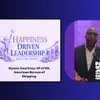
Happy Employees, Happy Results: The Science That Proves Your VP of HR Is Right
At SHRM 2026, the panel “HR Executive Insights: Architecting the Future of the Global Frontline Workforce” brought together some of the most influential HR leaders in the world for a conversation that was equal parts strategic, vulnerable, and deeply human.I approached Njsane Courtney, Vice President of Human Resources at American Bureau of Shipping (ABS), one of the world’s leading maritime classification and risk management organizations, immediately after the panel. I asked him one question: What is happiness in leadership?His answer was honest, pragmatic, and refreshingly direct.“Happiness and leadership; I mean, they go hand in hand. I think as leaders, part of our job is to provide career happiness. Maybe not always emotional happiness, because we’re not necessarily social workers all the time. But as leaders, we need to make sure that our employees enjoy their careers. Because I believe that when we give them great careers, they are better employees, they’re better engaged, you get better business results; and they don’t have to be mutually exclusive. So therefore, happy employees, happy results, in my viewpoint.”Read that carefully. In a world where “happiness at work” can feel vague and aspirational, Njsane cuts through the noise with a distinction that most leaders never make, and it changes everything.Who Is Njsane Courtney?Njsane Courtney serves as the Vice President of Human Resources at American Bureau of Shipping (ABS), one of the world’s foremost maritime classification societies and risk management organizations. Founded in 1862, ABS sets safety standards for the design, construction, and operation of marine and offshore assets across the globe; from commercial shipping vessels to offshore energy platforms. The organization operates in over 70 countries, providing critical safety and compliance services to industries where lives literally depend on getting things right.In this role, Njsane oversees people strategy for a global, highly technical workforce operating in one of the most safety-critical and regulated industries on the planet. When your employees are engineers, surveyors, and technical experts working on vessels and platforms around the world, “happiness” can’t be abstract. It has to be operational. It has to connect directly to career growth, professional excellence, and business outcomes.Njsane’s perspective is forged in the reality of leading people in high-stakes environments, where engagement isn’t a nice-to-have, it’s a safety imperative. When he talks about career happiness driving better employees and better business results, he’s speaking from a context where the connection between people strategy and organizational performance isn’t theoretical. It’s measurable, visible, and mission-critical.The Career Happiness Principle: Breaking Down the InsightNjsane’s response contains three critical leadership distinctions that elevate the entire conversation about workplace happiness:1. Career Happiness vs. Emotional Happiness: The Honest Distinction“Part of our job is to provide career happiness, maybe not always emotional happiness, because we’re not necessarily social workers all the time.” This is one of the most honest things an HR leader has said in this entire series. Njsane draws a clear boundary: leaders are responsible for creating conditions where employees can build meaningful, fulfilling careers. They are not responsible for managing every emotional state. This distinction is not cold it’s clarifying. It tells leaders exactly where to focus their energy: on career development, growth opportunities, meaningful work, and professional support.2. The Causal Chain: Happy Careers → Happy Results“When we give them great careers, they are better employees, they’re better engaged, you get better business results.” Njsane doesn’t just claim that happiness matters — he maps the sequence. It’s not random. It’s a chain: Invest in careers → Produce better employees → Drive deeper engagement → Generate superior business results. Most leaders start at the end (wanting better results) without investing at the beginning (building great careers). Njsane starts at the beginning.3. Not Mutually Exclusive: The “And” Philosophy“They don’t have to be mutually exclusive.” This single sentence dismantles one of the most persistent myths in business; the idea that you must choose between happy employees or strong results. Njsane rejects the trade-off entirely. In his framework, happiness and performance are not competing priorities. They are the same strategy.The Science: Does Happiness Actually Cause Success?Njsane’s philosophy — “happy employees, happy results” — raises a question that scientist
Podzilla Summary coming soon
Sign up to get notified when the full AI-powered summary is ready.
Free forever for up to 3 podcasts. No credit card required.
Listen to This Episode
More from AgilEmpath
Happiness at Work Is the Ability to Be Oneself: How Belonging, Authenticity, and Psychological Safety Drive Performance
The Conductor of Culture: Why Enablement is the True Driver of Workplace Happiness

The Happiness Blueprint: What a World Series Organization Knows About Joy

Why the Church Must Stop Hiding Sin and Start Having Real Conversations
Get summaries like this every morning.
Free AI-powered recaps of AgilEmpath and your other favorite podcasts, delivered to your inbox.
Free forever for up to 3 podcasts. No credit card required.