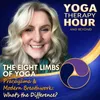
Prāṇāyāma and Modern Breathwork: What's the Difference?
Are prāṇāyāma and modern breathwork the same thing, or do they represent fundamentally different approaches to working with the breath?In this episode of The Yoga Therapy Hour, Amy Wheeler explores one of the most common questions arising in yoga therapy, wellness, and healthcare today. While both prāṇāyāma and modern breathwork involve conscious breathing practices that can influence stress, mood, attention, and overall well-being, their origins, purposes, and underlying frameworks are quite different.Drawing from the Yoga Sūtras of Patañjali, the classical Haṭha Yoga texts, and contemporary scientific research, Amy examines how ancient yogic teachings understood the relationship between breath, prāṇa, and consciousness—and how those teachings compare with modern approaches that focus on nervous system regulation, respiratory physiology, emotional health, and performance.Whether you are a yoga therapist, healthcare professional, yoga teacher, or curious practitioner, this episode offers a deeper understanding of how traditional wisdom and modern science can inform our work with the breath.In This Episode, We Explore:The Sanskrit meaning of prāṇa and āyāmaWhy prāṇāyāma is more than a breathing techniqueThe distinction between breath and prāṇa in classical yogaPrāṇāyāma's place within Patañjali's Eight Limbs of YogaKey teachings from the Yoga Sūtras on breath regulation, concentration, and meditationHow Haṭha Yoga expanded prāṇāyāma through nāḍīs, chakras, kuṇḍalinī, bandhas, and mudrāsThe central role of kumbhaka (breath retention) in traditional practiceClassical prāṇāyāma techniques including Nāḍī Śodhana, Ujjāyī, Bhastrikā, Śītalī, Sūrya Bhedana, and BhrāmarīThe presentation of prāṇāyāma in the Haṭha Yoga Pradīpikā, Śiva Saṃhitā, and Gheraṇḍa SaṃhitāModern breathwork approaches such as diaphragmatic breathing, coherent breathing, box breathing, the Wim Hof Method, and resonance breathing.Scientific perspectives on breathing, including autonomic nervous system regulation, heart rate variability, carbon dioxide tolerance, respiratory physiology, and emotional regulationHow yoga therapists can integrate traditional teachings and contemporary evidence when working with clientsContact Amy Wheeler:www.TheOptimalState.com Optimal State App for iPhone:https://apps.apple.com/us/app/optimal-state/id1604424804 The Yoga Therapy Hour Podcast:https://podcasts.apple.com/us/podcast/yoga-therapy-hour-with-amy-wheeler/id1564687158 School of Integrative Health at NDMU:https://www.ndm.edu/academics/integrative-health Master of Science in Yoga Therapy at NDMU:https://www.ndm.edu/academics/integrative-health/yoga-therapy Explore NDMU’s Post-Master’s Certificate in Therapeutic Yoga Practices, designed specifically for licensed healthcare professionals:https://www.ndm.edu/academics/integrative-health/yoga-therapy/post-masters-certificate-in-therapeutic-yoga-practices Try our Post-Bac Ayurveda Certification Program at NDMU:https://www.ndm.edu/academics/integrative-health/ayurveda/post-baccalaureate-ayurveda-certification #IntegrativeHealth #HealthcareEducation #InterprofessionalEducation #GraduateSchool #NDMUproud #SOIHproud #SOIHYoga #SOIHAyurveda #NDMUYoga #NDMUAyurveda #SOIHGraduateSchool
Podzilla Summary coming soon
Sign up to get notified when the full AI-powered summary is ready.
Free forever for up to 3 podcasts. No credit card required.
Listen to This Episode
More from Yoga Therapy Hour with Amy Wheeler
Move More, Breathe Less: Rethinking the Breath with Robin Rothenberg
Breath as a Portal: Conscious Connected Breathwork with Laurie Angress
From Āsana to Lived Experience: Yoga, Tantra, Somatics, and Lived Experience

Finding Your Way Back: Trust, Truth, and Regulation Through the Body
Get summaries like this every morning.
Free AI-powered recaps of Yoga Therapy Hour with Amy Wheeler and your other favorite podcasts, delivered to your inbox.
Free forever for up to 3 podcasts. No credit card required.