Free Daily Podcast Summary
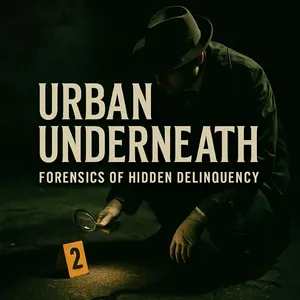
Urban Underneath Forensics of Hidden Delinquency: Daily Summaries Delivered
by Neon Nights Studio
Every crack in the pavement, every faded mark on a building, every abandoned lot tells a story of criminal intent or accidental transgression. Urban Underneath excavates these hidden narratives through rigorous forensic analysis, psychological investigation, and criminal justice examination, revealing how cities encode their darkest chapters into their physical landscape. This series reconstructs forgotten crimes, systemic breakdowns, and the human decisions that shaped urban decay—treating the city itself as a crime scene waiting to be read.
Latest Episodes
The most recent episodes — sign up to get AI-powered summaries of each one.
- 5 days ago12 min
Uncovering the Secrets of Urban Nightlife Crime Patterns
The nightlife of a city is often vibrant and alluring, but it also harbors a darker side where crime can thrive. This discussion investigates the unique crime patterns that emerge in nightlife hotspots, from bars and clubs to late-night eateries. We explore how the dynamics of alcohol consumption, social interactions, and urban design contribute to specific types of criminal behavior, such as assaults, thefts, and drug-related offenses. Through case studies of notorious nightlife districts, we analyze how law enforcement strategies adapt to the challenges posed by these environments, including the role of bouncers, security measures, and community policing initiatives. Interviews with nightlife workers, law enforcement, and urban planners reveal insights into how cities can balance vibrant nightlife with public safety. By examining the interplay between urban nightlife and crime, we challenge listeners to consider how nightlife can be both a cultural asset and a site of vulnerability. Learn more about your ad choices. Visit megaphone.fm/adchoices
- 1 weeks ago12 min
Examining the Psychological Impact of Urban Crime on Communities
The psychological toll of crime extends beyond the immediate victims, affecting entire communities in profound ways. This discussion investigates how urban crime shapes collective trauma, fear, and resilience among residents. We explore the psychological mechanisms at play, including the impact of crime rates on community cohesion, trust, and mental health. Through case studies of neighborhoods that have experienced spikes in violence, we analyze how residents cope with fear and uncertainty, and how community-led initiatives can foster healing and empowerment. Interviews with psychologists and community leaders reveal strategies for building resilience in the face of urban crime, emphasizing the importance of social support networks and collective action. By examining the psychological ramifications of crime on urban communities, we challenge listeners to consider how addressing mental health and community well-being is essential for creating safer environments. Learn more about your ad choices. Visit megaphone.fm/adchoices
- 2 weeks ago16 min
Mapping the Unseen Networks of Urban Informants
Informants often operate in the shadows of urban environments, providing critical intelligence that shapes criminal investigations and community safety. This discussion investigates how these unseen networks function, revealing the intricate relationships between informants, law enforcement, and the communities they inhabit. We explore the psychological motivations that drive individuals to become informants, from financial incentives to personal vendettas, and how these motivations can complicate investigations. Through case studies, we analyze the impact of informants on crime rates and community trust, examining instances where informant-led operations have resulted in both successful busts and tragic failures. Interviews with former informants and law enforcement officials shed light on the ethical dilemmas of using informants, the risks they face, and how their information can be both invaluable and unreliable. By mapping these hidden networks, we challenge listeners to consider the broader implications of informant culture on urban safety and justice. Learn more about your ad choices. Visit megaphone.fm/adchoices
- 3 weeks ago13 min
Urban Soundscapes as Crime Indicators in City Life
The sounds of a city are more than just background noise; they can provide critical insights into criminal activity and community safety. This discussion investigates how urban soundscapes—everything from the hum of traffic to the echoes of voices in alleyways—can serve as indicators of crime. We explore the emerging field of acoustic criminology, where researchers analyze sound patterns to identify potential criminal behavior or areas of concern. Through case studies, we examine how certain sounds correlate with increased crime rates, such as the relationship between loud music and disturbances or the role of silence in areas prone to violence. Interviews with sound engineers and criminologists reveal how sound analysis can complement traditional investigative methods, offering a unique lens through which to understand urban environments. By interpreting the auditory landscape of cities, we challenge listeners to consider how sound can shape perceptions of safety and inform crime prevention strategies. Learn more about your ad choices. Visit megaphone.fm/adchoices
- Oct 13, 202612 min
Tracing the Footsteps of Urban Smugglers in Hidden Routes
In the labyrinth of city streets, hidden routes serve as the arteries of smuggling operations, facilitating the movement of contraband and illicit goods. This discussion investigates how urban smugglers exploit overlooked pathways, from back alleys to forgotten tunnels, to evade law enforcement and transport their wares. We analyze specific cases where these clandestine routes have been uncovered, revealing the intricate networks that thrive beneath the surface of urban life. Through interviews with law enforcement officials and urban explorers, we explore the psychological motivations behind smuggling and the community impacts of these operations. By examining the intersections of geography, crime, and urban design, we challenge listeners to consider how cities can inadvertently foster illegal activities while also exploring potential solutions for mitigating these hidden networks. Learn more about your ad choices. Visit megaphone.fm/adchoices
- Oct 6, 202612 min
Unmasking the Role of Urban Wildlife in Crime Dynamics
The presence of wildlife in urban environments often goes unnoticed, yet these animals can play a significant role in the dynamics of crime. This discussion investigates how urban wildlife interacts with criminal activities, from scavenging evidence at crime scenes to influencing the behavior of both offenders and victims. We explore specific cases where animals have inadvertently aided investigations, such as dogs leading police to hidden bodies or birds disrupting drug deals. Through interviews with ecologists and criminologists, we analyze how the urban ecosystem can provide insights into crime patterns and community safety. The episode also delves into the psychological implications of wildlife presence in urban areas, examining how perceptions of safety can be influenced by animal behavior. By examining the intersection of urban wildlife and crime, we challenge listeners to rethink the role of nature in the urban landscape and its unexpected connections to criminal activity. Learn more about your ad choices. Visit megaphone.fm/adchoices
- Sep 29, 202610 min
Urban Legends and Their Criminal Roots in City Lore
Cities are rich with folklore that often intertwines with real criminal narratives, creating a tapestry of urban legends that reflect societal fears and historical injustices. This discussion investigates how tales of hauntings, curses, and mythical figures are rooted in actual events of crime and violence, revealing the psychological and cultural significance behind these stories. We explore specific legends from various cities, such as the infamous 'Black Hand' in Italian-American neighborhoods or the 'Phantom Killer' of Texarkana, examining how these narratives shape community identity and influence perceptions of safety. Through interviews with folklorists and criminologists, we analyze the role of urban legends in perpetuating myths about crime and how they can serve as cautionary tales that both reflect and distort the realities of urban life. By unpacking these legends, we challenge listeners to consider how folklore can reveal deeper truths about societal anxieties and the historical contexts that give rise to criminal behavior. Learn more about your ad choices. Visit megaphone.fm/adchoices
- Sep 22, 202611 min
Unseen Pathways of Crime in Urban Infrastructure
Beneath the bustling streets and towering buildings lies a network of tunnels, sewers, and hidden passages that can serve as conduits for criminal activity. This discussion investigates how urban infrastructure—often overlooked—provides the perfect cover for illicit operations, from drug trafficking to human smuggling. We examine specific cases where these hidden pathways have been exploited, revealing the intricate relationship between urban design and crime. Through interviews with urban planners and criminologists, we explore how the very fabric of a city can facilitate or hinder criminal endeavors. The episode also delves into the psychological motivations of criminals who utilize these unseen routes, and how law enforcement is adapting to combat crime that operates in the shadows of the urban landscape. By analyzing the implications of these hidden pathways, we challenge listeners to reconsider the role of infrastructure in shaping criminal behavior and urban safety. Learn more about your ad choices. Visit megaphone.fm/adchoices
About Urban Underneath Forensics of Hidden Delinquency
Every crack in the pavement, every faded mark on a building, every abandoned lot tells a story of criminal intent or accidental transgression. Urban Underneath excavates these hidden narratives through rigorous forensic analysis, psychological investigation, and criminal justice examination, revealing how cities encode their darkest chapters into their physical landscape. This series reconstructs forgotten crimes, systemic breakdowns, and the human decisions that shaped urban decay—treating the city itself as a crime scene waiting to be read.
Customized Recaps
AI-powered recaps with compact key takeaways, quotes, and insights.
Straight to Your Inbox
Get key takeaways from Urban Underneath Forensics of Hidden Delinquency in a 5-minute read.
Save Hours Every Week
Stay current on your favorite podcasts without falling behind.
Frequently Asked Questions
What is Podzilla's Urban Underneath Forensics of Hidden Delinquency daily summary?
It's a free AI-powered email that summarizes new episodes of Urban Underneath Forensics of Hidden Delinquency as soon as they're published. You get the key takeaways, notable quotes, and links & mentions — all in a quick read.
How does the Urban Underneath Forensics of Hidden Delinquency podcast summary work?
When a new episode drops, our AI transcribes and analyzes it, then generates a personalized summary tailored to your interests and profession. It's delivered to your inbox every morning.
Is this an official Urban Underneath Forensics of Hidden Delinquency product?
No. Podzilla is an independent service that summarizes publicly available podcast content. We're not affiliated with or endorsed by Neon Nights Studio.
Can I get summaries of other podcasts too?
Absolutely! The free plan covers up to 3 podcasts, any in the catalog. Basic raises that to 15, Pro to 40 and Max to 100. Browse our full catalog at /podcasts.
What topics does Urban Underneath Forensics of Hidden Delinquency cover?
Urban Underneath Forensics of Hidden Delinquency covers topics including History, True Crime, Culture, Society & Culture. Our AI identifies the specific themes in each episode and highlights what matters most to you.
Start getting Urban Underneath Forensics of Hidden Delinquency summaries tomorrow morning.
Free forever for up to 3 podcasts. No credit card required.
Free forever for up to 3 podcasts. No credit card required.