Free Daily Podcast Summary
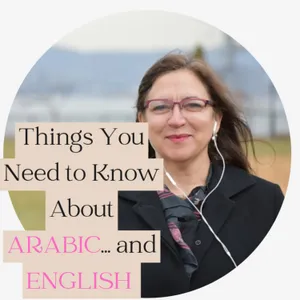
Things You Need to Know About Arabic… and English: Daily Summaries Delivered
by THOURIA BENFERHAT
Get key takeaways, quotes, and insights from Things You Need to Know About Arabic… and English in a 5-minute read. Delivered straight to your inbox.
Latest Episodes
The most recent episodes — sign up to get AI-powered summaries of each one.
- 2 weeks ago2 min
The Anatomy of an Epic: How “Meat” Became Music in Arabic
What do a butcher shop, a chaotic battlefield, and Homer’s Iliad all have in common? In today’s episode, we uncover the fascinating linguistic ties behind the Arabic root ل-ح-م (l-ḥ-m). While you might recognize laḥm as the everyday word for "meat," its ancient foundation revolves around the simple idea of things joining or sticking tightly together.Join us as we explore how this concept of attached flesh evolved into malḥama—originally used to describe a fierce clash of bodies in combat where fighters were tightly packed in battle. From there, we map out how a word born in the carnage of war beautifully transformed into a term for sweeping heroic epics and grand, multi-part musical masterpieces. Tune in to see how language seamlessly weaves together physical survival and artistic brilliance!Click to discover my multilingual books!
- Oct 2, 20250 min
Silent Conversation محادثة صامتة
English Silent Conversation SilentConversation #LanguageLearning #ArabicWorkbook #ThouriaBenferhat📚 Discover my books on Amazon: https://amzn.to/3D8tAjEالعربية محادثة صامتة محادثةصامتة #تعلماللغات #كتبالعربية #ثريابنفرحات📚 اكتشفوا كتبي على أمازون: https://amzn.to/3D8tAjEFrançais Conversation Silencieuse ConversationSilencieuse #ApprentissageDesLangues #LivreArabe #ThouriaBenferhat📚 Découvrez mes livres sur Amazon : https://amzn.to/3D8tAjEEspañol Conversación Silenciosa ConversaciónSilenciosa #AprendizajeDeIdiomas #LibroÁrabe #ThouriaBenferhat📚 Descubre mis libros en Amazon: https://amzn.to/3D8tAjE
- Aug 7, 202513 min
Bilingual Military Vocabulary (ENGLISH - ARABIC).
🪖 Military Vocabulary in Arabic & English Explore essential terminology used in military and conflict reporting—perfect for journalists, interpreters, and bilingual professionals working across Arabic-English contexts.📘 This episode previews key terms from my upcoming English-Arabic workbook for journalists, designed to support accurate, culturally informed communication in high-stakes environments.🎯 Listen in for select examples. For the complete vocabulary list and exclusive resources, follow my Amazon author page and Linktree:🔗 Amazon Author Page: https://smile.amazon.com/Thouria-Benferhat/e/B08WJG8SC5 🔗 Linktree: https://linktr.ee/thouria🌍 Multilingual Note🇩🇿 مصطلحات عسكرية مهمة للصحفيين صفحة المؤلفة على أمازون: https://smile.amazon.com/Thouria-Benferhat/e/B08WJG8SC5🇫🇷 Vocabulaire militaire essentiel pour les journalistes Page auteur sur Amazon : https://smile.amazon.com/Thouria-Benferhat/e/B08WJG8SC5🇪🇸 Vocabulario militar clave para periodistas Perfil de autora en Amazon: https://smile.amazon.com/Thouria-Benferhat/e/B08WJG8SC5#ArabicForJournalists #MilitaryVocabulary #ThouriaBenferhat #ConflictReporting #BilingualWorkbook #LanguageTools #ArabicEnglish #JournalismResources #MultilingualEducation #LinkInBio
- Jul 15, 202514 min
How to Conjugate the Verb TO SAY in English and Standard Arabic - MSA - Past and Present
🎙️ English In this episode, I walk through how to conjugate the verb “to say” in both English and Modern Standard Arabic. We explore past and present tenses side by side, covering singular, dual, and plural forms, and noting differences between masculine and feminine usage. This episode is also helpful for Arabic speakers learning English, offering clear comparisons that build grammar confidence. 🔗 https://linktr.ee/thouria🎙️ Arabic (العربية) في هذه الحلقة، أشرح كيفية تصريف فعل "to say" في اللغة الإنجليزية والفصحى. نغطي الأزمنة الماضية والحاضرة، ونقارن بين المفرد والمثنى والجمع، مع توضيح الفرق بين صيغة المذكر والمؤنث. هذه الحلقة مفيدة أيضا للناطقين بالعربية الذين يدرسون اللغة الإنجليزية، وتساعدهم على فهم القواعد من خلال المقارنة. 🔗 https://linktr.ee/thouria🎙️ French (Français) Dans cet épisode, je montre comment conjuguer le verbe « dire » en anglais et en arabe standard moderne. Nous comparons les temps passé et présent, en examinant les formes au singulier, duel et pluriel, pour les genres masculin et féminin. Cet épisode est aussi utile aux arabophones qui apprennent l’anglais. 🔗 https://linktr.ee/thouria🎙️ Spanish (Español) En este episodio, explico cómo conjugar el verbo “decir” en inglés y en árabe estándar moderno. Exploramos los tiempos pasado y presente, comparando las formas singulares, duales y plurales en masculino y femenino. Este episodio es útil para hablantes de árabe que estudian inglés también. 🔗 https://linktr.ee/thouria
- Jul 13, 20250 min
Multilingual Writer and Teacher
After teaching Arabic through the United Nations Language Program in New York, I now share practical, lesson-based episodes designed to empower global language learners. This podcast features structured content in Arabic and English, with occasional lessons in Spanish and French—ideal for self-paced study and multilingual growth. 🎧 Start learning today 📚 Explore my books on Amazon: https://amzn.to/43sxf6l 🌍 Visit my website: https://www.thouriabenferhat.com/ #LanguageLessons #ArabicLearning #MultilingualEducation #LearnArabic #SelfStudyPodcast #LanguageTeacher #ArabicWithThouria #SpotifyPodcasts #LanguageJourney #UNLanguageProgram
- May 5, 20251 min
Arabic Dual: Five Things You Need to Know
In Arabic, the dual form is used to indicate two of something. When a noun ending in "taa marbuta" (ة) takes a suffix, the ending changes to "taa maftuha" (ت). For dual forms, "انِ" (aani) is added in the nominative case and "ين َ " (ayni) in the accusative/genitive cases. The final "i" in "aani" and "ayni" isn't pronounced if followed by a pause. So, "وَلَد" (walad, boy) becomes "وَلَدَانِ" (waladāni) and "وَلَدَيْنِ" (waladayni), and "شَجَرَة" (shajarat, tree) becomes "شَجَرَتَانِ" (shajaratāni) and "شَجَرَتَيْنِ" (shajaratayni).Thanks for listening! Let me know if you have any questions.Check out my books and favorite products here: www.amazon.com/shop/thingsyouneedtoknowaboutarabic?isPublicView=true + 3
- Mar 22, 20251 min
Arabic Possessive Pronouns (MSA)
Unlock the Secrets of Arabic Possessive Pronouns Dive into the fascinating world of Arabic possessive pronouns in this episode, where we focus on Standard Arabic (الفصحى). This foundational aspect of the language will empower you to use possessive pronouns confidently and correctly. While our focus is on Standard Arabic, we also acknowledge that colloquial varieties (اللهجات) like Egyptian, Levantine, Maghrebi, and Gulf Arabic may bring unique variations to possessive pronouns. Master this essential skill and take your Arabic to the next level! Here’s the detailed breakdown of possessive pronouns in Standard Arabic: First Person (الشخص الأول): Singular (مفرد): كِتَابِي (kitābī) my book Dual (مثنى): كِتَابُنَا (kitābunā) our book Plural (جمع): كِتَابُنَا (kitābunā) our book Second Person (الشخص الثاني): Singular Masculine (مفرد مذكر): كِتَابُكَ (kitābuka) your book Singular Feminine (مفرد مؤنث): كِتَابُكِ (kitābuki) your book Dual (مثنى): كِتَابُكُمَا (kitābukumā) your book Plural Masculine (جمع مذكر): كِتَابُكُم (kitābukum) your book Plural Feminine (جمع مؤنث): كِتَابُكُنَّ (kitābukunna) your book Third Person (الشخص الثالث): Singular Masculine (مفرد مذكر): كِتَابُهُ (kitābuhu) his book Singular Feminine (مفرد مؤنث): كِتَابُهَا (kitābuhā) her book Dual (مثنى): كِتَابُهُمَا (kitābuhumā) their book Plural Masculine (جمع مذكر): كِتَابُهُم (kitābuhum) their book Plural Feminine (جمع مؤنث): كِتَابُهُنَّ (kitābuhunna) their book 📚 Don’t forget to visit my Amazon store to explore my books, including *In Arabic, I Love You*, and other curated items. Every purchase through my affiliate link supports my journey to create more valuable content for you—yes, even if you shop for something entirely different. Your support means the world to me! https://amzn.to/43sxf6l
- Feb 20, 20252 min
Reading Statistical Graphs in Arabic
Reading statistical graphs in Arabic is quite similar to reading them in English. The main difference is the language of the labels and text. Here are some key points to keep in mind:1. Title and Axis Labels: The title of the graph and the labels on the axes will be in Arabic. Make sure you understand the terms used.2. Direction: Arabic is read from right to left. This might affect how you interpret the graph, especially if it's a bar graph or a timeline.3. Numbers: Arabic uses both Arabic numerals (1, 2, 3, etc.) and Eastern Arabic numerals (١, ٢, ٣, etc.), so be familiar with both.Here's a quick reference for some common terms you might see:- المحور السيني (Al-Mihwar Al-siini) – X-Axis- المحور الصادي (Al-Mi7war Al-Sadi) – Y-Axis- العنوان (Al-3unwaan) – Title- النسبة (Al-Nisba) – Percentage- العدد (Al-3adad) – NumberBy familiarizing yourself with these terms, you'll be better prepared to read and understand statistical 📊 Reading statistical graphs in Arabic is simple once you know the basics: – Arabic labels: Titles and axis labels are in Arabic – Direction: Arabic is read right to left—important for bar graphs and timelines – Numbers: Know both Arabic numerals (1, 2, 3) and Eastern Arabic numerals (١, ٢, ٣)🧠 Common graph terms: – المحور السيني (Al-Mihwar Al-siini) – X-Axis – المحور الصادي (Al-Mi7war Al-Sadi) – Y-Axis – العنوان (Al-3unwaan) – Title – النسبة (Al-Nisba) – Percentage – العدد (Al-3adad) – Number 🎁 My multilingual books make beautiful gifts! https://www.amazon.com/Books-Thouria-Benferhat/s?rh=n%3A283155%2Cp_27%3AThouria%2BBenferhat#ArabicGraphs #LearnArabic #ArabicNumerals #ArabicData #ArabicLearning #LanguageEducation #ArabicForBeginners #MultilingualBooks #ThouriaBenferhat #ArabicStats in Arabic. Happy reading!Check out my books on Amazon! They make beautiful gifts!https://www.amazon.com/Books-Thouria-Benferhat/s?rh=n%3A283155%2Cp_27%3AThouria%2BBenferhat
Get Things You Need to Know About Arabic… and English summaries in your inbox
Free AI-powered daily recaps. Key takeaways, quotes, and mentions — in a 5-minute read.
Get Free Summaries →Free forever for up to 3 podcasts. No credit card required.
You Might Also Like
Listeners also like.
Fluent Fiction - Arabic
FluentFiction.org
Real Arabic
Real Arabic
Simple & Easy Arabic Podcast
Simple and Easy Arabic

Learn English تعلم الانكليزية
Mohammed the English Teacher
Levantine Arabic, made easier
Carol Haidar
ARABIC IN MOTION
Rida Massoudi
Arabic Learning Accelerator
Language Learning Accelerator

Arabic with Sam
Sam Martin Burr
Arabic with Asmae
Asmae Bentoumi
My English Matters
My English Matters

Learn Arabic | ArabicPod101.com
ArabicPod101.com

Daily English Pod
Jale Qaraqan
About Things You Need to Know About Arabic… and English
THINGS YOU NEED TO KNOW ABOUT ARABIC AND ENGLISH is a multilingual podcast focused on Modern Standard Arabic (MSA) and English. Hosted by Thouria Benferhat—Arabic educator with 36 years at the UN, certified in French and Spanish—it offers practical grammar, vocabulary, and cultural insights. 🎧 Access 243 longer episodes: https://podcasters.spotify.com/pod/show/thouria-benferhat/subscribe 🔗 Explore more: https://linktr.ee/thouria .Thanks for joining a global journey into Arabic and English learning!
Customized Recaps
AI-powered recaps with compact key takeaways, quotes, and insights.
Straight to Your Inbox
Get key takeaways from Things You Need to Know About Arabic… and English in a 5-minute read.
Save Hours Every Week
Stay current on your favorite podcasts without falling behind.
Frequently Asked Questions
What is Podzilla's Things You Need to Know About Arabic… and English daily summary?
It's a free AI-powered email that summarizes new episodes of Things You Need to Know About Arabic… and English as soon as they're published. You get the key takeaways, notable quotes, and links & mentions — all in a quick read.
How does the Things You Need to Know About Arabic… and English podcast summary work?
When a new episode drops, our AI transcribes and analyzes it, then generates a personalized summary tailored to your interests and profession. It's delivered to your inbox every morning.
Is this an official Things You Need to Know About Arabic… and English product?
No. Podzilla is an independent service that summarizes publicly available podcast content. We're not affiliated with or endorsed by THOURIA BENFERHAT.
Can I get summaries of other podcasts too?
Absolutely! The free plan covers up to 3 podcasts. Upgrade to Pro for 15, or Premium for 50. Browse our full catalog at /podcasts.
How often does Things You Need to Know About Arabic… and English release new episodes?
Things You Need to Know About Arabic… and English publishes biweekly. Our AI generates a summary within hours of each new episode.
What topics does Things You Need to Know About Arabic… and English cover?
Things You Need to Know About Arabic… and English covers topics including Education, Learning, Language Learning. Our AI identifies the specific themes in each episode and highlights what matters most to you.
Start getting Things You Need to Know About Arabic… and English summaries tomorrow morning.
Free forever for up to 3 podcasts. No credit card required.
Free forever for up to 3 podcasts. No credit card required.