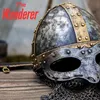
Anglo Saxon Religion and Witchcraft
From the 5th to the 11th centuries, Anglo‑Saxon England was shaped by a rich tapestry of religion and magic: early on, villagers and warriors honored a polytheistic pagan pantheon—Wōden, Thunor, Tīw, Frīge—worshipped in groves, springs, and timber sanctuaries, alongside a belief in spirits such as elves and dwarfs.Embedded in daily life were practices of magico‑medicinal healing and protective charms—meticulously recorded in manuscripts like Bald’s Leechbook and the Lacnunga, exemplified by the Nine Herbs Charm As Christianity spread from the 7th century onwards, pagan rites and witchcraft—terms rooted in Old English words like wicca and hæġtesse—were increasingly criminalised by church law codes and royal decrees Yet, despite official condemnation, folk magic persisted, practiced by “cunning folk” renowned for healing and charms, forging a syncretic culture at the crossroads of ancient pagan customs and emerging Christian norms
Podzilla Summary coming soon
Sign up to get notified when the full AI-powered summary is ready.
Free forever for up to 3 podcasts. No credit card required.
Listen to This Episode
More from The Wanderer Anglo Saxon History, mythology, Folklore and religion
The Great Erasure
Nova England
The Anglo Saxon Scop
The Anglo Saxons and UFOs
Get summaries like this every morning.
Free AI-powered recaps of The Wanderer Anglo Saxon History, mythology, Folklore and religion and your other favorite podcasts, delivered to your inbox.
Free forever for up to 3 podcasts. No credit card required.