Free Daily Podcast Summary
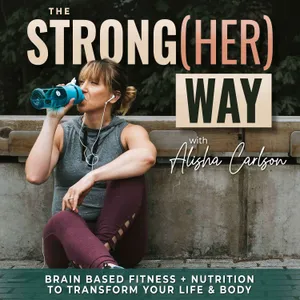
The Strong[HER] Way | Healthy nutrition and habits for moms, routines, strength training for women: Daily Summaries Delivered
by Alisha Carlson, Fitness and Nutrition Coach for Moms
Hey there, mama. Do you wish you ate healthier but your busy schedule has you grabbing for convenience food or finding yourself at the drive-thru several times a week? Are you sick of your clothes not fitting and wish that you felt like yourself again? Does the word “diet” make you cringe because you’re reminded of all the times you’ve tried to lose weight - only to feel constantly hungry and deprived?I am so excited you're here! In this podcast, you will learn proven brain-based nutrition and fitness habits that will help you understand how to eat and move your body in a way that fuels your body and mind - so you can keep up with those crazy kids! You’ll feel more energetic, confident in your clothes, and consistent in sustainable routines that are realistic for your busy life and also support your health goals.Hey, I’m Alisha. A wife, mom, fitness/nutrition/lifestyle coac
Latest Episodes
The most recent episodes — sign up to get AI-powered summaries of each one.
- 5 days ago19 min
Stop rushing: why slow habits beat fast results for moms over 35
The 21-Day Myth: Why Habit Timelines Are a LieIf you've ever white-knuckled your way to a goal, an extreme diet, an all-in reset, only to watch the results slowly slip away, this episode is for you. Recorded live from the carpool line (messy audio, real life), Alicia breaks down the two things that sabotage a fitness or health goal faster than anything else: getting too attached to your timeline, and trying to shortcut the process instead of going through it. You'll learn why the process itself, not just the outcome, is what makes a result stick.Resources:- Free Fit + Fueled community: thestrongherway.com/work-with-us- This episode's listener guide (journal prompts + bonus research): available in the resource tab
- 1 weeks ago31 min
The Perimenopause Reset: 8 Habits I'm rethinking as a mom over 35
Hitting your 40s and perimenopause changes the rules, what worked in your 20s and 30s doesn't always work now. In this episode, Alisha shares eight personal lifestyle shifts she's been experimenting with over the last six months: her relationship with alcohol, prioritizing sleep, hitting a 30g fiber goal, dialing in protein, rethinking coffee on an empty stomach, letting go of carb fear, moving away from bootcamp-style workouts, and shifting into a rest-and-digest mindset.Alisha walks through what she's personally changed and why, then grounds each one in what the research actually says, including where the science is solid and where it's still thin, especially for women in perimenopause specifically. This episode also introduces the "N of one" mindset: why the same habit won't produce the same result in every body, and why that's not a flaw in the advice, it's just biology.WHAT YOU'LL LEARNWhy Alisha is rethinking her relationship with alcohol, and what the research says about alcohol and sleep in perimenopausal women specificallyHow sleep has become the filter for nearly every lifestyle decision, from food timing to workout timingThe 30g/day fiber target, Alisha's real food strategies for hitting it, and why it matters for mood, blood pressure, and cholesterolHer protein goals and go-to high-protein, high-fiber mealsWhat happened when she stopped drinking coffee on an empty stomach, and why she's calling this experiment an "N of one"Why she stopped fearing carbs, and the real connection between carbs, fiber, and cholesterolWhy she moved away from bootcamp and HIIT-heavy training toward more strength-focused, lower-frequency trainingWhat it actually means to shift into a "rest and digest" mindset, and why that's the thread connecting all seven other changesTHIS EPISODE IS FOR YOU IF...You're noticing that habits which used to work for you in your 20s or 30s aren't landing the same way anymoreYou want practical, food-based strategies for hitting fiber and protein goals without obsessive trackingYou're curious about the research on alcohol, carbs, and cholesterol but want it explained honestly, including what's still uncertainYou've been doing high-intensity or bootcamp-style workouts and are wondering if something different might serve you better right nowYou're ready to think of your own body as its own case study instead of copying someone else's plan exactlyIf this episode had you nodding along, especially if you're realizing some of what used to work for you just doesn't anymore, that's exactly the conversation Alisha wants to have with you. Head to strongherway.com/work-with-us to see the different ways you can work together, whether you're just getting curious or ready to go all in with 1:1 coaching.
- 2 weeks ago24 min
The Fall Reset Busy Moms Actually Need to Stay on Track with their Fitness Goals
A Realistic Fall Plan for MomsIf your fall routine already feels impossible three weeks in, you're not failing, you built the wrong kind of routine for this season. In this episode, Alisha Carlson breaks down why September functions like a second New Year's in our culture, all momentum and zero sustainability, and why that setup is designed to make you quit, not a personal flaw on your part.Alisha walks through a simple two-step approach: auditing your macro calendar for the next 10-12 weeks (practices, small groups, work travel, the non-negotiables) and picking one true priority to focus on for the season, whether that's nutrition, movement, sleep, or stress. If you're a busy mom who craved routine all summer and is now drowning in everyone else's schedule, this episode is for you.WHAT YOU'LL LEARNWhy treating fall like a fresh start (a second New Year's) sets you up to quit by OctoberHow to run a macro calendar audit for the next 10-12 weeks, before you touch anything elseWhy you can probably only sustain one true priority at a time, and how to choose itHow to avoid the all-or-nothing mindset using a good, better, best frameworkHow to schedule your one priority first, instead of squeezing it into whatever's leftHow to plan for the holiday season shift now, so momentum doesn't reset in DecemberTHIS EPISODE IS FOR YOU IF...You spent the summer looking forward to "getting back to routine" and fall hit harder than expectedYou're already tempted to overhaul your nutrition, workouts, and sleep all at once, starting MondayYou've quit by week three before and are tired of that being the patternYou want a realistic, sustainable approach instead of another all-or-nothing resetYou're a busy mom, mompreneur, or working woman juggling fall sports and activity schedulesTwo ways to work with me right now. If you're just getting started and want a low barrier entry point, the Fit and Fueled Foundation is a $27 micro course at the link in the show notes. If you're ready for real hands on support and want someone in your corner, book a free 1:1 consult and let's talk about coaching. Both links are here: https://thestrongherway.com/work-with-us
- 3 weeks ago15 min
What I actually did to stay consistent with my fitness goals while traveling as a 40+ mom
I just got back from a work trip, and I want to walk you through what actually happened with my fitness goals while I was gone, because it wasn't perfect and it also wasn't a write-off. In this episode I'm sharing what it looked like to let go of perfection on the road without swinging into the "screw it, I'll get back on track when I'm home" mindset that so many of us default to on vacations and holidays.If you're a mom over 40 who has ever come home from a trip feeling like you have to start completely over, this one's for you. I'm breaking down the handful of things I actually prioritized while traveling for work last week, and why those specific choices mattered more than trying to do everything.WHAT YOU'LL LEARNWhy "I'll get back on track when I get home" is often the all-or-nothing mindset wearing a different outfitThe difference between letting go of perfection and letting go of your goals completelyThe key things I still focus on while travelingHow to hold your habits loosely without losing them entirelyWhy travel and holidays test your mindset more than your fitnessTHIS EPISODE IS FOR YOU IF...You're a mom over 40 navigating fitness goals around a busy, unpredictable scheduleYou've ever come home from a trip and felt like you had to "start over" from zeroYou go fully off the rails the second your routine changesYou want a realistic way to handle travel or holidays without guilt or an all-or-nothing crashWherever you're at in your fitness journey, we have something for you. If you're ready to take the next step (whatever that is for you right now), head to thestrongherway.com/work-with-us
- Aug 13, 202613 min
Willpower Is a Myth: Identity is what really makes a habit Stick
If you've ever white-knuckled your way through a habit only to watch it fall apart the second life got hard, this episode is your reset. We're revisiting one of the most requested conversations on the show: why relying on willpower sets you up to fail, and why identity, not motivation, is what actually makes a habit stick.We break down why "trying harder" was never the real problem, referencing James Clear's identity-based habit framework from Atomic Habits, and walks through what it actually looks like to become the kind of woman who shows up for herself without needing to white-knuckle it.THIS EPISODE IS FOR YOU IF...You've ever said "I just need more willpower" and felt like the problem was youYou start strong and lose steam, and you're tired of blaming yourself for itYou've read Atomic Habits and want the identity piece applied specifically to your body, food, and fitnessYou're ready to stop white-knuckling your way through consistencyIf this episode hit home and you're ready to stop relying on willpower and start building the identity of a woman who shows up for herself, that's exactly what Fit + Fueled is built for. Where ever you're at in your journey, we have a next step for you. Get started: thestrongherway.com/work-with-us
- Aug 6, 202635 min
Hormones and joint pain: why you're suddenly getting hurt
If you've suddenly started getting hurt doing things you've done a thousand times before, perimenopause joint pain and tendon changes might be exactly why.This episode breaks down the musculoskeletal syndrome of menopause, a real, only recently named condition affecting most women in this transition, and why it makes injuries like frozen shoulder, tendinopathy, and unexplained joint pain show up seemingly out of nowhere.Alisha Carlson walks through what the research actually says about estrogen's role in your tendons, ligaments, and bone density, why your imaging can come back clean while you're still in real pain, and exactly what to do differently in your training so you can keep lifting, moving, and living without fearing your own body.WHAT YOU'LL LEARNWhat the musculoskeletal syndrome of menopause is, and why it only got a name in 2024Why more than 70% of women in the menopause transition experience this, and why 40% have normal imagingHow estrogen affects your bones, muscles, tendons, and ligaments, and why the relationship isn't as simple as more is betterWhy perimenopause specifically makes injuries feel sudden and unpredictableWhy frozen shoulder clusters so heavily in women between 40 and 60The four practical training adjustments that actually help, without requiring you to stop lifting or move lessHow to stop reading every new ache as a personal failureTHIS EPISODE IS FOR YOU IF...You've had a sudden, confusing injury that came out of nowhere, with no obvious causeYou've been told your imaging looks normal but you're still in real painYou're in perimenopause or menopause and your body is responding differently to training than it used toYou've started to wonder if you're just "falling apart" or doing something wrongYou want to keep training hard and heavy, but need to understand how to do it smarter at this stage of lifeEPISODE CHAPTERS00:00 The Injury That Made No Sense03:30 It's Not Just In Your Head (and It's Not Bad Luck)12:00 Why I'm Bringing This to You15:00 There's Actually a Name For This: The Musculoskeletal Syndrome of Menopause25:00 You Don't Need to Stop. You Need to Adjust.32:00 What Happens If You Just Push Through This35:00 What It Looks Like on the Other Side38:00 You're Not Fragile. You're Informed. (Plus Your Homework)If you are a woman who is tired of knowing what to do but still not doing it, and you want real support, real accountability, and someone in your corner Monday through Friday, that is exactly what my 1:1 coaching is built for. I work with a small number of clients at a time so the support is actually personal.Ready to stop guessing and start training with your body instead of against it? go to thestrongherway.com/work-with-us to get started
- Jul 30, 202624 min
Why being hard on yourself actually sabotages your success as a high achiever
Alisha Carlson breaks down a myth that keeps high achieving women stuck in cycles of starting and quitting: the belief that being hard on yourself is what makes you disciplined. Drawing on self-compassion research from psychologist Dr. Kristin Neff, Alisha explains why self-criticism backfires, what self-compassion actually is (it's not the same as self-esteem, self-pity, or letting yourself off the hook), and what the research shows about its effect on behavior change and consistency. The episode closes with a simple three-step practice listeners can use the next time their inner critic shows up.What we cover in today's episode:The harmful cycle of harsh self-criticism and failure. Kristin Neff's research on self-compassion. The three components of self-compassion: self-kindness, common humanity, and mindfulness. The difference between self-esteem and self-compassion. Why self-compassion supports behavior change instead of undermining it. Addressing the objection that self-compassion is indulgence or laziness. Practical steps to notice and reframe negative self-talk.Ready to take the next step? Get started by going to https://thestrongherway.com/work-with-us
- Jul 23, 202631 min
Sleep and Muscle Loss: What Women Over 35 Need to Know
Sleep and muscle loss are more connected than most women realize, especially if fat loss or building strength is the goal. In this episode, Alisha Carlson breaks down peer-reviewed research showing why poor sleep can quietly flip a calorie deficit from burning fat to burning muscle, how growth hormone released during deep sleep fuels the actual results of your strength training, and why perimenopause makes all of this even more complicated, and even less your fault. If you have been doing everything right with food and training and still are not seeing results, this episode names the missing variable almost nobody is tracking. Alisha covers what the research actually shows (and where it is more mixed than fitness content usually admits), four practical non-negotiables for treating sleep as a training variable, and what to do on the nights sleep falls apart anyway. WHAT YOU'LL LEARN - Why a landmark University of Chicago study found that poor sleep can cut fat loss in half, even on an identical calorie deficit- The real reason one bad night of sleep can measurably reduce how much muscle your body builds, and why it is not just discipline- How growth hormone released during deep sleep drives the actual repair work behind every strength training session- Why perimenopausal sleep disruption is not a character flaw, and what the research says about how common it actually is- A research-backed reason not to skip your next workout just because last night's sleep fell apart- Four practical, non-negotiable sleep habits that support fat loss and muscle building, without a Pinterest-perfect routine- What a 2024 meta-analysis of 18 studies found about sleep duration and where the body tends to store fatTHIS EPISODE IS FOR YOU IF... - You are doing everything right with food and training but not seeing the results you would expect- You are a busy mom or mompreneur who treats sleep as the first thing to sacrifice- You are in perimenopause and your sleep has changed even though nothing else has- You have ever felt guilty for prioritizing rest instead of another workout or task on the list- You want evidence-based reasons to protect your sleep, not another wellness platitudeRESOURCES + LINKS Work with Alisha, The Strong(HER) Way Fit + Fueled Coaching: https://www.thestrongherway.com/work-with-usFit and Fueled Foundation ($27 micro course): https://thestrongherway.com/fit-and-fueled-foundation-4493Follow Alisha on Instagram: https://www.instagram.com/thestrongherway Ready to stop white-knuckling your way through a plan that isn't working? The Strong(HER) Way's Fit + Fueled coaching gives you weekly check-ins, access to Alisha Monday through Friday, and a full resource portal, so sleep, training, food, and stress get handled as one system instead of four separate things you're managing alone. Ready to stop starting over? Explore the Fit + Fueled coaching program at thestrongherway.com/work-with-us or connect on Instagram @thestrongherway.
About The Strong[HER] Way | Healthy nutrition and habits for moms, routines, strength training for women
Hey there, mama. Do you wish you ate healthier but your busy schedule has you grabbing for convenience food or finding yourself at the drive-thru several times a week? Are you sick of your clothes not fitting and wish that you felt like yourself again? Does the word “diet” make you cringe because you’re reminded of all the times you’ve tried to lose weight - only to feel constantly hungry and deprived?I am so excited you're here! In this podcast, you will learn proven brain-based nutrition and fitness habits that will help you understand how to eat and move your body in a way that fuels your body and mind - so you can keep up with those crazy kids! You’ll feel more energetic, confident in your clothes, and consistent in sustainable routines that are realistic for your busy life and also support your health goals.Hey, I’m Alisha. A wife, mom, fitness/nutrition/lifestyle coac
Customized Recaps
AI-powered recaps with compact key takeaways, quotes, and insights.
Straight to Your Inbox
Get key takeaways from The Strong[HER] Way | Healthy nutrition and habits for moms, routines, strength training for women in a 5-minute read.
Save Hours Every Week
Stay current on your favorite podcasts without falling behind.
Frequently Asked Questions
What is Podzilla's The Strong[HER] Way | Healthy nutrition and habits for moms, routines, strength training for women daily summary?
It's a free AI-powered email that summarizes new episodes of The Strong[HER] Way | Healthy nutrition and habits for moms, routines, strength training for women as soon as they're published. You get the key takeaways, notable quotes, and links & mentions — all in a quick read.
How does the The Strong[HER] Way | Healthy nutrition and habits for moms, routines, strength training for women podcast summary work?
When a new episode drops, our AI transcribes and analyzes it, then generates a personalized summary tailored to your interests and profession. It's delivered to your inbox every morning.
Is this an official The Strong[HER] Way | Healthy nutrition and habits for moms, routines, strength training for women product?
No. Podzilla is an independent service that summarizes publicly available podcast content. We're not affiliated with or endorsed by Alisha Carlson, Fitness and Nutrition Coach for Moms.
Can I get summaries of other podcasts too?
Absolutely! The free plan covers up to 3 podcasts. Upgrade to Pro for 15, or Premium for 50. Browse our full catalog at /podcasts.
How often does The Strong[HER] Way | Healthy nutrition and habits for moms, routines, strength training for women release new episodes?
The Strong[HER] Way | Healthy nutrition and habits for moms, routines, strength training for women publishes weekly. Our AI generates a summary within hours of each new episode.
What topics does The Strong[HER] Way | Healthy nutrition and habits for moms, routines, strength training for women cover?
The Strong[HER] Way | Healthy nutrition and habits for moms, routines, strength training for women covers topics including Nutrition, Fitness, Health & Fitness. Our AI identifies the specific themes in each episode and highlights what matters most to you.
Start getting The Strong[HER] Way | Healthy nutrition and habits for moms, routines, strength training for women summaries tomorrow morning.
Free forever for up to 3 podcasts. No credit card required.
Free forever for up to 3 podcasts. No credit card required.