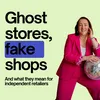
Ghost stores, fake shops and what they mean for real independent retailers
"It's with a heavy heart that we share this message with you." A little boutique closing its doors after years of love and care, one final sale, the owners off to enjoy being grandparents. Except the shop never existed."Hi, I'm retail strategist and founder of Resilient Retail Club, Catherine Erdly.I started this episode pulling on one thread — a closing down sale that didn't add up — and ended up somewhere I wasn't expecting. The photo of the owners had the smooth, too-perfect look of an AI image. The listing named a local town, but the shipping notes said the orders ship from a warehouse thousands of miles away. And it turned out I hadn't found one fake shop. I'd found an entire business model: set up, run a huge "closing down" sale, collect the money, wait for the bad reviews to pile up, disappear, start again. Chris Emmins of consumer protection organisation KwikChex tells me there are thousands and thousands of them, and that even the people whose job it is to count them can't keep up.Here's the part that should worry every independent retailer. The standard advice given to shoppers is to be wary of a company they've never heard of — which is a fairly accurate description of almost every small business in the country. Research from Bazaarvoice, which I dig into with their CMO Doug Straton, found that 97% of shoppers no longer buy from a single source. They're cross-checking your website against Instagram, Reddit, TikTok, your reviews and a quick Google before they'll spend anything with you. That isn't paranoia, it's adaptation. So when someone sees your ad, they go looking. The only question that matters is what they find when they get there.In this episode I look at what a genuinely sceptical customer is hunting for, what a fast-growing brand like Passenger does that most independents don't, and the shift that caught me off guard: the trust signals you build aren't only being read by people any more. AI models and shopping agents are reading them too, and deciding whether to put you in front of a customer at all. By the end you'll know what to check on your own website this week, which signals carry the most weight, and why the one thing that makes you almost impossible to fake is something you already have — you're just not showing it. Press play and I'll walk you through it.Chapters00:00 — The closing down sale that never happened02:28 — Inside the ghost store business model, with Chris Emmins of KwikChex04:50 — The 97% rule, and the question customers now ask you08:15 — What a fast-growing brand does differently, and why AI is reading your trust signals tooLinks and resourcesResilient Retail Club podcast: https://www.resilientretailclub.com/podcast/Catherine on LinkedIn: https://uk.linkedin.com/in/catherineerdlyCatherine's Forbes piece on this investigation: https://www.forbes.com/sites/catherineerdly/2026/06/26/how-fake-online-stores-are-damaging-legitimate-retailers/KwikChex: https://www.kwikchex.comBazaarvoice: https://www.bazaarvoice.comPassenger: https://www.passenger-clothing.comWhich? investigation into bogus boutiques: https://www.which.co.uk/news/article/the-bogus-boutiques-ripping-off-shoppers-aqruM5i1zJLHSay hello on Instagram: @resilientretailclub
Podzilla Summary coming soon
Sign up to get notified when the full AI-powered summary is ready.
Free forever for up to 3 podcasts. No credit card required.
Listen to This Episode
More from The Resilient Retail Game Plan - retail insights, retail trends and best practices

Retail Christmas Stock Planning: How Much Should You Actually Buy?

Retail Christmas Promotions: 7 Ways to Drive Sales Without Discounting Everything

Retail Christmas Range: Stop Trying to Stock Everything
Retail Cash Flow at Christmas: Four Ways to Ease the Squeeze
Get summaries like this every morning.
Free AI-powered recaps of The Resilient Retail Game Plan - retail insights, retail trends and best practices and your other favorite podcasts, delivered to your inbox.
Free forever for up to 3 podcasts. No credit card required.