Free Daily Podcast Summary
The Reading Symphony: Daily Summaries Delivered
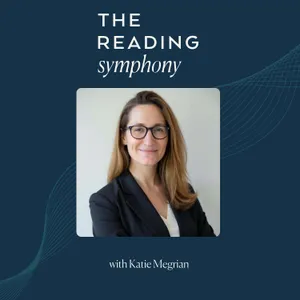
by Katie Megrian
Hosted by Katie Megrian - literacy leader, former principal, and mom of two young readers - The Reading Symphony brings the science of reading to life for parents, teachers, and school leaders who want clarity, not confusion. Each episode blends research-based insight with real-world strategies for helping children thrive in reading, writing, and comprehension.From phonemic awareness and decoding to fluency, vocabulary, and background knowledge, Katie demystifies what great instruction looks like and how families can support it at home. You’ll hear from expert guests in literacy education, cognitive science, and classroom practice - along with relatable stories from parents navigating the journey right beside their kids.Whether you’re an educator implementing the Science of Reading, a school leader designing literacy PD, or a parent decoding report cards and assessments, this podcast is your roadmap to evidence-based reading success.Topics include
Latest Episodes
The most recent episodes — sign up to get AI-powered summaries of each one.
- 1 weeks ago33 min
Instruction Rocketfuel for Reading: Foundations for Life | Lyn Stone
In this episode of The Reading Symphony Podcast...Katie talks with Lyn Stone, educational linguist, author, and founder of Lifelong Literacy, about why writing is essential for learning to read - and how explicit instruction, handwriting, and a better understanding of English spelling can help children become stronger readers and writers.📩 Subscribe to The Reading Symphony on SubstackGet practical literacy tips, science-of-reading insights, and evidence-based strategies to help children become stronger readers.Subscribe here: 👉 https://katiemegrian.substack.com/👤 About Lyn StoneLyn Stone is an educational linguist, author, and founder of Lifelong Literacy, an international literacy consultancy and tutoring practice. Her latest book, Foundations for Life: Structured Literacy for Reading and Writing, provides practical lessons designed to help parents and educators strengthen children's foundational literacy skills.📚 Foundations for Life by Lyn StoneIn this episode, Lyn shares the story behind Foundations for Life, explains why she wrote it, and discusses how families and teachers can use it to support children's reading and writing development.The book is available through Express Readers, with international purchasing information available through Lyn's website.🔗 Lyn Stone's LinksPurchase Foundations for LifeLyn’s WebsiteLinkedinSubstackChapters00:00 - Why Children Get Stuck Learning to Read00:45 - Meet Lyn Stone01:36 - How Lyn Became a Literacy Educator03:41 - Why Guessing Words Can Hurt Reading Development05:46 - Introducing Foundations for Life06:30 - The Story Behind Lyn's New Book08:28 - Helping Children Move Beyond Early Literacy10:13 - How Parents Can Use Foundations for Life10:37 - Why Phonics Alone Isn't Enough12:10 - Why Writing Should Be Taught From the Beginning12:46 - How Writing Strengthens Reading Development14:42 - What Happens When Writing Becomes the Priority16:17 - Why Handwriting and Letter Formation Matter18:17 - How to Support Children Learning to Write20:05 - Why English Spelling Isn't Random20:45 - Useful Words vs. Tricky Words21:17 - A Practical Lesson: Understanding the Word "Was"24:06 - The History Behind English Spelling26:29 - How Literacy Tutors Can Support Families27:13 - What Parents Should Look for in a Reading Tutor28:05 - Why Reading Assessments Matter30:04 - Where to Find Foundations for Life30:48 - What Keeps Lyn Passionate About Literacy Education🎧 The Reading Symphony Podcast is recorded and produced by Clear-Cut Podcasting - professional podcast production made simple.👉 https://clearcutpodcasting.com#ScienceOfReading #LearningToRead #WritingInstruction #StructuredLiteracy #ReadingInstruction #Handwriting #LiteracyEducation
- 2 weeks ago42 min
A Second Grade Teacher’s Science of Reading Journey | Meghan Hein
In this episode of The Reading Symphony Podcast...Katie welcomes Meghan Hein, a second-grade teacher, former reading intervention specialist, and instructional coach with over 20 years of experience in education.Meghan shares how discovering the Science of Reading transformed her approach to literacy instruction, even after years of supporting struggling readers.Together, they discuss why experienced teachers are rethinking reading instruction, how phonics and decoding help children become stronger readers, how parents can recognize potential reading difficulties, and practical ways to support reading fluency at home. They also explore the importance of effective classroom instruction and communication between parents and teachers.📩 Subscribe to The Reading Symphony on SubstackGet practical literacy tips, science-of-reading insights, and evidence-based strategies to help children become stronger readers.Subscribe here: 👉 https://katiemegrian.substack.com/About Meghan HeinMeghan is a second-grade teacher in San Diego, California, with more than two decades of experience in education. Through her Instagram account, Always More to Learn, she shares practical literacy strategies, classroom experiences, and resources grounded in the Science of Reading.Connect with MeghanMeghan’s InstagramMeghan’s Learning LibraryChapters00:00 – Why an Experienced Reading Teacher Had to Rethink Everything00:38 – Meet Meghan Hein01:50 – Meghan's Journey Into the Science of Reading04:00 – What Teacher Preparation Didn't Teach About Reading06:00 – Helping Struggling Readers With Decoding09:00 – Supporting Reading Practice at Home12:00 – Addressing Gaps in Foundational Reading Skills15:00 – Recognizing Reading Difficulties in Your Own Child17:49 – Questions Parents Should Ask Teachers20:00 – What Effective Literacy Instruction Looks Like23:00 – Building Strong Parent-Teacher Partnerships27:00 – Advocating for Better Reading Instruction30:00 – Helping Children Develop a Love of Reading33:00 – Building Comprehension and Reading Fluency35:00 – Simple Reading Strategies Parents Can Use at Home38:00 – Where to Find Meghan and Her Literacy ResourcesSubscribe to The Reading Symphony for conversations about evidence-based reading instruction, literacy development, and helping every child become a stronger reader.#ScienceOfReading #ReadingInstruction #TeachingReading #LiteracyEducation #TheReadingSymphony
- 3 weeks ago51 min
Exposure Is Not Instruction: How Children Really Learn to Read | Kim Lockhart
In this episode of The Reading Symphony Podcast...Katie talks with Kim Lockhart, literacy educator and teacher trainer, about why exposure alone isn't enough to teach children how to read - and how evidence-based instruction, oral language development, and structured literacy can help teachers reach struggling readers.Drawing on 25 years of teaching experience, Kim discusses the Science of Reading, structured literacy, the myth of learning styles, and why explicit, evidence-based instruction is essential for struggling readers. They also explore oral language development, French immersion, and practical ways parents and teachers can support children's literacy.📩 Subscribe to The Reading Symphony on SubstackGet practical literacy tips, science-of-reading insights, and evidence-based strategies to help children become stronger readers.Subscribe here: 👉 https://katiemegrian.substack.com/👤 About Kim LockhartKim Lockhart, M.Ed., is a Lecturer in Education and Education Consultant with 25 years of experience in French Immersion and Special Education. She specializes in structured literacy, teacher training, and evidence-based reading instruction.🔗 Kim Lockhart's Links:SoRticle: Science of Reading Article Discussion Group https://www.facebook.com/groups/1183541269592100/Instagram: https://www.instagram.com/mmelockhartlds/LinkedIn: https://www.linkedin.com/in/kim-betts-lockhart-852788249/Chapters00:00 – Why Teacher Education Needs to Change00:52 – Meet Kim Lockhart02:16 – Why Kim Became Passionate About Teaching Reading03:45 – Bridging the Gap Between Reading Research and Classroom Practice04:50 – What Structured Literacy Looks Like in the Classroom07:09 – How One Teacher Helped Change Literacy Instruction09:26 – Starting a Science of Reading Book Club11:27 – Learning Through Podcasts and Research Articles12:25 – Building a Community of Literacy Educators14:45 – The Gaps in Teacher Education16:07 – Why Reading Research Doesn't Always Reach Teachers17:10 – Turning Research Into Effective Teaching Practice18:30 – The Myth of Learning Styles20:35 – Why Teaching Methods Should Match the Skill22:36 – What Every New Teacher Needs to Learn23:02 – Why Oral Language Is Essential for Literacy25:00 – Speech, Articulation and Language Development26:35 – How Parents Can Develop Children's Oral Language28:20 – Why Correct Pronunciation and Grammar Matter32:15 – Structured Literacy in French Immersion33:45 – Building Language Comprehension in a Second Language36:10 – Why Exposure Is Not Instruction37:50 – Supporting Children Learning a Second Language at Home40:00 – Understanding the Differences Between Languages42:00 – Why Reading Aloud Doesn't Automatically Teach Reading43:00 – The Importance of Everyday Conversations45:30 – Why Independent Reading Isn't Always Enough47:15 – What Parents Should Know About Reading Difficulties48:00 – Why Children Need Intervention, Not More Time#ScienceOfReading #StructuredLiteracy #ReadingInstruction #LiteracyEducation #LearningToRead #OralLanguage #ReadingDifficulties
- 4 weeks ago29 min
How to Build Your Child’s Curiosity Through Science and Reading | Rudo Kashiri
In this episode of The Reading Symphony Podcast...Katie talks with Rudo Kashiri, science educator, children’s book author, and former NASA educator, about how science, storytelling, and hands-on learning can help children develop stronger reading skills, build background knowledge, and become more curious learners.📩 Subscribe to The Reading Symphony on SubstackGet practical literacy tips, science-of-reading insights, and evidence-based strategies to help children become stronger readers.Subscribe here: 👉 https://katiemegrian.substack.com/👤 About Rudo KashiriRudo Kashiri is a National Board Certified science educator, children’s book author, and founder of Curious Minds Explorers Publishing. A retired NASA science educator, she now combines storytelling and interactive science to make STEM accessible and engaging for young learners.🔗 Rudo’s Links:Curious Minds Explorers Publishing: https://www.curiousmindsexplorerspublishing.com/Rudo’s Learning Resources & Substack: https://substack.com/@curiousmindsexplorerspublishingChapters00:00 – How Storytelling Makes Science Easasier to Understand00:52 – Meet Rudo Kashiri02:06 – How a Love of Science Led to NASA03:54 – What Is STEM?04:17 – Teaching Science Through Stories05:31 – How NASA Inspired Rudo’s Children’s Books06:25 – Combining Science, Reading and Hands-On Learning07:36 – Turning Children’s Interests Into Science Lessons08:18 – Do Stars Really Twinkle?09:00 – Clouds, Rainbows and Everyday Science09:58 – Teaching Kids How Airplanes Fly10:31 – Exploring NASA’s Artemis Missions11:23 – Hands-On Science Activities for Kids12:07 – Correcting Common Science Misconceptions12:50 – Introducing Science to Young Children14:02 – Teaching States of Matter Through Ice Cream14:59 – How Reading and Science Work Together16:00 – Why Early Science Knowledge Matters17:43 – Encouraging Kids to Ask Questions18:24 – What Parents Should Ask About Science Education19:01 – Are Children Doing Enough Science Experiments?20:05 – Finding Science in Everyday Life20:57 – The Role Parents Play in Science Learning21:55 – Parents Don’t Need to Know All the Answers23:07 – Science Resources for Families and Teachers23:30 – Rudo’s Classroom Activities and Learning Resources24:09 – Science Programs From Earth to Mars24:49 – Encouraging Children to Read26:53 – Rudo’s Advice for Parents27:00 – Science Is All Around Us27:54 – How Science Conversations Build Language Skills28:34 – Why Representation in STEM Matters#ScienceForKids #ScienceEducation #STEMEducation #Reading #Literacy #ScienceOfReading #ScienceForKids #ScienceBooksForKids
- Sep 30, 202657 min
Why Literacy Instruction Must Be Explicit and Coherent | Dr. Jen O’Sullivan
In this episode of The Reading Symphony Podcast...Katie talks with Dr. Jen O’Sullivan, education researcher and lecturer, about what effective reading instruction looks like beyond phonics - and why strong literacy teaching needs to connect the different skills involved in learning to read.📩 Subscribe to The Reading Symphony on SubstackGet practical literacy tips, science-of-reading insights, and evidence-based strategies to help children become stronger readers.Subscribe here: 👉 https://katiemegrian.substack.com/👤 About Dr. Jen O’SullivanDr. Jen O’Sullivan is an education researcher and lecturer specializing in literacy education. A former primary school teacher, her work focuses on early reading development, early intervention for reading difficulties, teacher professional learning, and the role of children’s literature in literacy instruction.🔗 Dr. O’Sullivan’s Links:Read Write Jen: readwritejen.comRead Aloud with Intent by Dr. Jen O’Sullivan and Dr. Clara Fiorentini: Read Aloud with IntentThe Power of Playful Language: Read Dr. O’Sullivan’s articlePicture Book Vocabulary Finder: Vocabulary FinderInternational Reading Achievement Results (PISA): PISA 2025 ResultsChapters00:00 – The Science of Reading vs. the Science of Teaching Reading00:55 – Meet Dr. Jen O’Sullivan02:16 – From Classroom Teacher to Literacy Researcher04:18 – Bridging the Gap Between Reading Research and Practice05:26 – What Effective Teacher Training Looks Like07:05 – Why Teachers Need Ongoing Professional Development09:43 – Connecting the Pieces of Literacy Instruction11:03 – Why Reading Skills Shouldn’t Be Taught in Isolation12:22 – Reading Is Like an Orchestra14:43 – Why Phonics Is Fundamental — But Not Enough16:27 – Vocabulary and Background Knowledge Matter Too18:21 – How Background Knowledge Supports Reading20:03 – Why Reading Multiple Books on One Topic Helps20:34 – Why Vocabulary Is So Important for Comprehension22:30 – Why Dictionary Definitions Aren’t Enough25:04 – Playful Ways to Build Vocabulary at Home29:43 – The Picture Book Vocabulary Finder33:03 – How Picture Books Build Sophisticated Language35:27 – Using Books to Develop Vocabulary39:32 – How Parents Can Evaluate Reading Instruction42:04 – What to Do If Your Child Is Struggling42:38 – Nursery Rhymes and Building Early Literacy43:20 – Let Your Children See You Read and Write44:05 – Why Reading Aloud Is So Powerful45:21 – Making Read-Alouds More Engaging48:19 – The INTENT Framework50:28 – Should Parents Worry About Graphic Novels?55:13 – Where to Find Dr. Jen O’Sullivan#ScienceOfReading #ReadingInstruction #Phonics #ReadingComprehension #Vocabulary #Literacy #ReadingAloud
- Sep 23, 202650 min
Crafting Reading Minds | Dr. Melissa Orkin
In this episode of The Reading Symphony Podcast...Katie talks with Dr. Melissa Orkin, educator and developmental psychologist, about dyslexia, structured literacy, reading fluency, and why the emotional side of learning matters.Melissa explains how motivation, confidence, and a child’s willingness to make mistakes can affect reading development. They explore the difference between intrinsic motivation and rewards, how the RAVE-O approach connects different parts of the reading brain, and practical ways parents and teachers can build stronger readers.📩 Subscribe to The Reading Symphony on SubstackGet practical literacy tips, science-of-reading insights, and evidence-based strategies to help children become stronger readers.Subscribe here: 👉 https://katiemegrian.substack.com/👤 About Dr. Melissa OrkinDr. Melissa Orkin is an educator and developmental psychologist specializing in literacy achievement. She is Director of Crafting Minds Group, has taught at Tufts University and Harvard University, and is co-author of The Structured Literacy Playbook.🔗 Dr. Orkin's Links:RAVE-O Curriculum: https://www.craftingmindsgroup.com/site/rave-oCrafting Minds Group: https://www.craftingmindsgroup.com/Beyond Gold Stars: https://drive.google.com/file/d/1nke-VZYlAssz1mVUyoDC77_hdEySfkeo/view?usp=sharingLinkedIn: https://www.linkedin.com/in/melissa-orkin-ph-d-1876311/The Structured Literacy Playbook: https://www.amazon.com/Structured-Literacy-Playbook-Preplanned-Playbooks/dp/0593970942Chapters00:00 – Dyslexia, Motivation and the Emotional Side of Reading00:52 – Meet Dr. Melissa Orkin01:41 – From Structured Literacy to Dyslexia Research03:50 – Why Schools Were Afraid to Say Dyslexia05:27 – Reading Fluency, Motivation and Student Confidence11:12 – Rewards vs. Intrinsic Motivation14:40 – Teaching Children That Mistakes Are Part of Learning18:16 – Why Learning Is Emotional and Social18:44 – Why Are Schools Afraid to Say Dyslexia?21:11 – How the Reading Brain Learns to Read22:39 – Phonology, Orthography and Structured Literacy23:44 – Building Vocabulary and Word Knowledge25:57 – Syntax and Reading Comprehension29:44 – How RAVE-O Reading Intervention Works35:34 – RAVE-O for Struggling Readers39:08 – Gaps in the Science of Reading39:52 – Why Progress Monitoring Matters46:10 – Hope for the Future of Reading Instruction48:41 – Advice for Parents of Struggling Readers#Dyslexia #StructuredLiteracy #ScienceOfReading #ReadingInstruction #ReadingFluency
- Sep 14, 202645 min
Why Writing Instruction Is Essential | Dr. Stephen Ciullo
In this episode of The Reading Symphony Podcast...Katie talks with Dr. Stephen Ciullo, Professor of Education, about what effective writing instruction actually looks like - and why many students, particularly struggling writers and students with learning disabilities, may need more explicit support.📩 Subscribe to The Reading Symphony on SubstackGet practical literacy tips, science-of-reading insights, and evidence-based strategies to help children become stronger readers.Subscribe here: 👉 https://katiemegrian.substack.com/👤 About Dr. Stephen CiulloDr. Stephen Ciullo is a Professor of Education whose research focuses on writing instruction for students with and without learning disabilities and on improving teachers' effectiveness in writing and content-area instruction. His work examines what writing instruction looks like in real classrooms and how research can be translated into practical strategies teachers can use with students.🔗 Dr. Ciullo's Links:Email: ciullo@txstate.eduBio: https://faculty.txst.edu/profile/1921294Chapters00:00 - Why Teachers Aren't Taught How to Teach Writing01:00 - Meet Dr. Stephen Ciullo03:21 - Why Writing Instruction Needs More Attention05:57 - How Students Become Skilled Writers07:24 - Skills Students Need to Become Better Writers08:19 - Cognitive Load and Writing Strategy Overload11:57 - What Research Says About Teaching Writing12:18 - Why Writing Skills Don't Transfer Across Genres14:13 - Teaching Text Structure and Purpose15:10 - How Parents Can Support Writing Through Reading17:11 - The Connection Between Reading and Writing17:51 - Writing Problem or Comprehension Problem?21:02 - Why Teachers Need More Writing Training25:42 - What Effective Writing Instruction Looks Like30:41 - Explicit vs. Incidental Writing Instruction33:56 - Writing Support for Students With IEPs34:36 - How to Write Better IEP Goals for Writing37:37 - What Parents Should Ask About Writing Instruction41:41 - When Your Child Struggles With Writing
- Sep 3, 202639 min
Why Background Knowledge Is Essential for Reading Comprehension | Lauren Brown
In this episode of The Reading Symphony Podcast...Katie talks with longtime history educator and education consultant Lauren Brown about why knowledge matters for literacy - and why subjects like history and social studies shouldn't be pushed aside to make more room for reading instruction.Lauren explains why "knowledge is the material that we think with," how gaps in background knowledge can become gaps between students, and why building knowledge from an early age makes later learning easier.📩 Subscribe to The Reading Symphony on SubstackGet practical literacy tips, science-of-reading insights, and evidence-based strategies to help children become stronger readers.Subscribe here: 👉 https://katiemegrian.substack.com/👤 About Lauren BrownLauren Brown taught U.S. history at the middle and high school levels for more than 20 years and spent another eight years working with future social studies teachers at the university level. Today, she works as an education consultant and writes about teaching, learning and why social studies matters.Her work focuses on how rich history and social studies instruction can build students' knowledge, strengthen reading and writing, sharpen thinking and prepare young people to participate thoughtfully in democracy.🔗 Lauren's Links:LinkedInTeach Stuff That MattersMiddleWeb Writing & Consulting ServicesChapters00:00 Why Background Knowledge Matters00:45 Meet Lauren Brown04:19 Why Science and Social Studies Matter08:12 What Parents Should Ask Schools10:02 Helping Struggling Readers13:02 Should Kids Memorize Facts?20:17 How Knowledge Makes Learning Easier28:16 Building Knowledge at Home35:22 Connecting School and the Real World37:32 Where to Find Lauren
About The Reading Symphony
Hosted by Katie Megrian - literacy leader, former principal, and mom of two young readers - The Reading Symphony brings the science of reading to life for parents, teachers, and school leaders who want clarity, not confusion. Each episode blends research-based insight with real-world strategies for helping children thrive in reading, writing, and comprehension.From phonemic awareness and decoding to fluency, vocabulary, and background knowledge, Katie demystifies what great instruction looks like and how families can support it at home. You’ll hear from expert guests in literacy education, cognitive science, and classroom practice - along with relatable stories from parents navigating the journey right beside their kids.Whether you’re an educator implementing the Science of Reading, a school leader designing literacy PD, or a parent decoding report cards and assessments, this podcast is your roadmap to evidence-based reading success.Topics include
Customized Recaps
AI-powered recaps with compact key takeaways, quotes, and insights.
Straight to Your Inbox
Get key takeaways from The Reading Symphony in a 5-minute read.
Save Hours Every Week
Stay current on your favorite podcasts without falling behind.
Frequently Asked Questions
What is Podzilla's The Reading Symphony daily summary?
It's a free AI-powered email that summarizes new episodes of The Reading Symphony as soon as they're published. You get the key takeaways, notable quotes, and links & mentions — all in a quick read.
How does the The Reading Symphony podcast summary work?
When a new episode drops, our AI transcribes and analyzes it, then generates a personalized summary tailored to your interests and profession. It's delivered to your inbox every morning.
Is this an official The Reading Symphony product?
No. Podzilla is an independent service that summarizes publicly available podcast content. We're not affiliated with or endorsed by Katie Megrian.
Can I get summaries of other podcasts too?
Absolutely! The free plan covers up to 3 podcasts, any in the catalog. Basic raises that to 15, Pro to 40 and Max to 100. Browse our full catalog at /podcasts.
How often does The Reading Symphony release new episodes?
The Reading Symphony publishes weekly. Our AI generates a summary within hours of each new episode.
What topics does The Reading Symphony cover?
The Reading Symphony covers topics including Education, How To, Parenting, Kids & Family, Family. Our AI identifies the specific themes in each episode and highlights what matters most to you.
Start getting The Reading Symphony summaries tomorrow morning.
Free forever for up to 3 podcasts. No credit card required.
Free forever for up to 3 podcasts. No credit card required.