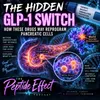
The Hidden GLP-1 Switch: How These Drugs May Reprogram Pancreatic Cells
What if GLP-1 drugs are doing more than controlling blood sugar and reducing appetite?In this episode of The Peptide Effect, we break down a 2026 study revealing a newly identified molecular “switch” involving Med14, a protein that helps regulate gene transcription inside pancreatic beta cells. Researchers found that sustained GLP-1 receptor signaling may activate broader gene programs tied to beta-cell function, metabolism, and viability.We’ll explain what Med14 is, what phosphorylation means, how GLP-1 signals travel from the cell surface to the nucleus, and why this discovery could matter for the future of metabolic medicine. We’ll also separate what the study actually found from the exaggerated claims you may see online, including whether GLP-1 drugs permanently “reprogram” the pancreas.A fascinating look at what may be happening beneath the surface of GLP-1 therapy, far beyond appetite suppression and weight loss.
Podzilla Summary coming soon
Sign up to get notified when the full AI-powered summary is ready.
Free forever for up to 3 podcasts. No credit card required.
Listen to This Episode
More from The Peptide Effect

The Science of Peptide-Based Myostatin Inhibitors: Can We Unlock More Muscle?
Apolipoprotein-Targeting Peptides: The Future of Cholesterol, Brain Health, and Longevity

Border Seizures and the Peptide Market: What’s Happening to Supply, Pricing, and Access

Thyroid Bioregulators Protocols: What to Use, How to Stack, and What to Expect
Get summaries like this every morning.
Free AI-powered recaps of The Peptide Effect and your other favorite podcasts, delivered to your inbox.
Free forever for up to 3 podcasts. No credit card required.