Culinary Medicine and connecting med students with patients
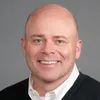
I'm delighted today to be joined by Dr. Joseph Skelton, professor of Pediatrics, founder and director of Brenner Fit, a program at Wake Forest University School of Medicine. FIT stands for Families in Training, which is a family-based pediatric obesity program. He's the author of a new book on children and their weight, a topic we discussed in a separate podcast. But in this podcast, we're talking about something he teaches at Wake Forest, a course in culinary medicine. This is a fascinating, pioneering area of focus, so let's dig in. Interview Transcript There's a lot of language about medicine and nutrition now, so people talk about food as medicine. There's a move afoot to get more training and nutrition and medical education, and here you are doing culinary medicine. Tell me how all these things differ from one another. Our interest in this here at Wake Forest School Medicine started a little organically with our program. A lot of what we do is focus on family meals. There are decades of research showing the benefits of family meals, not only for the nutrition and obesity risk, but the quality of nutrition, time spent together, parent child communication. Kids are less likely to get pregnant or do drugs and alcohol. All these things from just spending that time together over the meal. And I inherited a small teaching kitchen that was at a local organization that someone before me had gotten funding for. And we, sort of, took it over and used this opportunity to teach families how to cook. And a lot of families know how to cook but trying foods in different ways and to get kids involved and things like that. Then a couple years after that, the local YMCA approached us. They had some space and wanted to do this as a partnership. So I became a fundraising machine for a year or two and took a lot of dinners to raise the funds. And we built this gorgeous teaching kitchen, and we were mainly doing it in the efforts of sort childhood obesity treatment or prevention, getting families, teaching them new recipes, which then kind of extended to that whole key thing of getting families just to be comfortable in the kitchen and spending that time together. And we just started seeing these amazing things. We always say we've converted more kids to Brussels sprouts than I think any other effort of just getting them cooking it a different way. You and I were both probably raised with steamed Brussels sprouts, which I think is an abomination. If you really want to highlight the sulfur smell of a food, then you're going to steam it. And so, we really started to do that. And then students started volunteering. Actually, it was a student, Josh Patman, he's an emergency medicine physician now at East Carolina University, and he was a cook in a professional kitchen college. And he said, hey, could I help volunteer with that? And then more student medical students wanted to do it. And then we all found that you, much like I did, I'm a self-taught cook myself, and the more time you spend in that, the more you learn, the more comfortable you are. And the more you start to know, you know, I can teach med students nutrition all day, but that doesn't teach them how to get nutrition on their patients' plates, into their mouth. And so it really grew from there. And then I, kind of, stumbled upon what other people were doing. It started in New York, but the biggest program started was really Tulane School of Medicine that had it as a very focused way about teaching nutrition through cooking. Not just on a blackboard through PowerPoint slides and stuff like that of like hey, let's teach it in a different way. And the old-fashioned analogy, and actually the medical educators hate this, it used to be see one, do one, teach one. That was sort of the old surgical thing. And so, it's really you got to see how to make a recipe and you got to do it yourself. And what we found that when students start then teaching each other, or teaching patients or teaching community members, it really drives home and gives them a much deeper understanding of what nutrition in the real world is. Let's talk about the need for this. If we go back in time and we think about your parents or my parents, you know, the likelihood is that meals were being prepared from the real foods rather than from a package, let's say, or in a micro. How are things different now for the modern parent that has kept people distanced from their food and where it comes from, and that's led families
Podzilla Summary coming soon
Sign up to get notified when the full AI-powered summary is ready.
Free forever for up to 3 podcasts. No credit card required.
Listen to This Episode
More from The Leading Voices in Food
Captain and Cat's Explorasaurus on Healthy Food
E303: Amy Beros on centering community in food banking

E302: Do GLP-1 drugs reduce overall healthcare spending?

E301: Greg Jaffe on Food and Ag Policy Trends
Get summaries like this every morning.
Free AI-powered recaps of The Leading Voices in Food and your other favorite podcasts, delivered to your inbox.
Free forever for up to 3 podcasts. No credit card required.