Free Daily Podcast Summary
The Intersect of Tech and Art: Daily Summaries Delivered
by Juergen Berkessel
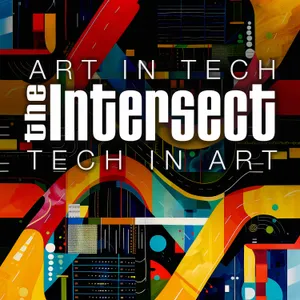
Curious about how technology and art collide, spark, and sometimes totally confuse each other? The Intersect of Tech and Art is your backstage pass to the wild, weird, and wonderful world where digital innovation meets creative expression. Created by Juergen Berkessel—a lifelong artist, technologist, and enthusiast for all things experimental—this podcast is for anyone who loves art, design, tech, or just a good story about the creative process. Whether you’re a digital artist, designer, tech enthusiast, or simply fascinated by how artificial intelligence, digital tools, and new technologies are shaking up the arts, you’ll find real-world insights and plenty of inspiration here. Each week, The Intersect dives into everything from digital art and AI in art to creative technology, design trends, and the latest breakthroughs in art technology. Expect lively features about artists and innovators, hands-on explorations of AI creativity, algorithmic art, and musings on how blockchain, augmented reality, and digital culture are transforming the art community. Episodes are packed with honest conversations, practical examples, and a healthy dose of friendly curiosity—plus a few laughs along the way. What sets The Intersect apart? It’s guided by Juergen’s unique perspective as someone who’s been both a practicing artist and a digital strategist since the days when floppy disks were still cool. The show was born out of the same curiosity and tension that drives the art-tech world: how do we balance human creativity with the possibilities (and pitfalls) of technology? That’s what keeps our community of artists, technologists, and innovators coming back—and keeps our newsletter subscriber numbers growing strong (with almost nobody unsubscribing, which is practically a miracle). Episodes run 20–30 minutes and drop weekly, making The Intersect a perfect listen for your coffee break, commute, or creative session. You’ll hear a mix of in-depth interviews, solo commentary, and the occasional panel-style discussion—always with a light, friendly tone that makes even the most complex tech trends feel accessible. A little transparency: this podcast is produced with the help of AI voice technology and synthetic voice tools. Why? Because frankly, the only way to bring this carefully researched, lovingly curated content from the newsletter to your ears each week is by experimenting with the very tools we talk about. Every episode is crafted, written, and reviewed by Juergen and a human team—AI is just our sidekick, not the boss. We see this as part of the ongoing conversation (and sometimes the tension) at the heart of art and tech today. Ready to join the fun, learn something new, and be part of a growing community at the intersect of art, design, and technology? Subscribe now to The Intersect of Tech and Art and don’t miss a single episode. For all the latest and to explore the full archive, visit theintersect.art.
Latest Episodes
The most recent episodes — sign up to get AI-powered summaries of each one.
- 6 days ago20 min
Artists on the Architecture of After 9/11
The companion podcast to Issue No.87 of The Intersect. Chelsea and Georgia sit with a question that has been quietly reshaping how we look at everything: when did images stop showing us the world and start acting on it? Twenty-five years after the emergency began, they trace the shift from picture as window to picture as lever, and ask what we are still looking at.Contents00:10 Opening 9/11 Memory02:25 Images as Instruments03:56 Paglin and Machine Vision06:17 9/11 and Broken Trust09:21 Refugees Train the Machines12:20 The Targeting Blimp15:37 Carpet as WitnessIn this episodeSeeing like a machine Trevor Paglen makes a claim Chelsea can barely wrap her head around: this shift matters more than the invention of photography itself. What does it mean when an image is no longer a window but something someone else is pulling on you?The moment trust broke Weapons that were not there, footage sold as surgical precision, pictures used for what they did not show. Georgia and Chelsea follow the drift back to a single anniversary, and the feeling that started that day.The people who taught the machine to see Three refugees in a camp, tagging thousands of images, building the very tools that would later flag people like them. It is a loop so unsettling it took a prize-winning installation to name it.Would you stand under the blimp? A helium dirigible reads your posture and sorts you into a category: enemy or civilian. The surveillance gets turned back on the people who usually do the watching, and you become the subject.A carpet that becomes history A painter who refuses preparatory drawings turns a threadbare office carpet into a question about certainty itself. What do we lose when the machine connects every dot for us?Stay in the loopIf art that refuses the official version is your kind of thing, follow along and support The Intersect.Website: theintersect.artInstagram: @theintersectnewsThreads: @jberkesselBlueSky: @polymash.bsky.socialSubstack: The Intersect on SubstackLinkedIn: Juergen Berkessel
- 2 weeks ago12 min
Built to Last, Designed to Vanish
The companion podcast to Issue No.86 of The Intersect. Chelsea and Georgia sit with an uncomfortable question: when did the work we make digitally become more fragile than a photographer's glass plate, and what would it actually take to design something meant to outlive us? A conversation about permanence as a deliberate act, not a promise the cloud quietly keeps.Contents00:07 Permanent by Design00:51 Cage's 639-Year Piece05:39 Saving Artists’ Websites07:37 Building Your Own Archive09:59 Copy That FloppyIn this episodeCage's 639-Year Piece An organ in a small German church just changed chords for the first time in over two years, and nobody in the room will live to hear the piece end. Chelsea and Georgia get into the strangest part: the inheritable tickets to a finale six centuries away.Saving Artists' Websites An artist's site is no longer a business card. It's the whole record of a life's work, and it can blink out overnight. There's a quiet rescue effort underway, and it isn't only chasing the famous names.Building Your Own Archive For the rest of us who will never be famous enough for anyone else to build the lifeboat. One question from the piece lingers: which drive in the drawer would you grieve if it never spun up again?Copy That Floppy Three decades after a campaign told kids not to duplicate discs, a university is now begging people to do exactly that. The delicious irony carries the sting of the whole issue.Stay in the loopIf these are the conversations you want in your week, follow along and help keep The Intersect going.Website: theintersect.artInstagram: @theintersectnewsThreads: @jberkesselBlueSky: @polymash.bsky.socialSubstack: The Intersect on SubstackLinkedIn: Juergen Berkessel
- 3 weeks ago15 min
Prove You're Human (And Dumb It Down to Do It)
The companion podcast to Issue No.85 of The Intersect. Chelsea and Georgia sit with a strange inversion: original human work now needs a hall pass while the machine-made flood walks right in. When did proving you wrote something start to mean making it worse? Pull up a chair for the messier version of this week's reckoning.Contents00:15 Human Work on Trial02:27 Writers, AI, and Backlash05:34 Apple’s Photo Proof Push08:20 Substack’s Humanity Test11:55 The Detector Arms RaceIn this episodeHuman Work on Trial A celebrated novelist walks into OpenAI expecting to talk craft, then aims the microphone right back at the people who handed it to him. What Chelsea and Georgia make of that catastrophic line is worth staying for.Writers, AI, and Backlash One generation folds AI in as an editor and calls the work better; another treats any trace of it as disqualifying. The split runs deeper than tools, and the closing question lands hard.Apple’s Photo Proof Push Your phone maker may soon offer to certify that your photo is actually real. Relief or quiet defeat? The line between edited and generated turns out to be blurrier than anyone wants to admit.Substack’s Humanity Test An optional scan that some treat as a purity test, and the false positives that land on people writing every word by hand. Where the honest writer gets caught is the part nobody has answered yet.The Detector Arms Race Machines built to catch machine text, and other machines built to hide it. Most people are betting on the wrong mouse, and there's a genuinely clever workaround that removes the thing there was to detect in the first place.Stay in the loopFollow along and help keep The Intersect going. We would love to have you in the conversation.Website: theintersect.artInstagram: @theintersectnewsThreads: @jberkesselBlueSky: @polymash.bsky.socialSubstack: The Intersect on SubstackLinkedIn: Juergen Berkessel
- Aug 11, 202617 min
Already Somewhere Else
The companion podcast to Issue No.84 of The Intersect. While an auction house spends a whole summit guessing what the newly minted AI rich might one day hang on a wall, Chelsea and Georgia sit with a sharper question: what if the tools those fortunes were built on are more interesting in the hands of the people pointing them the other way? A conversation about who's actually studying whom.Contents00:00 AI Wealth and Wall Art00:04 The Coat That Blinds00:09 Malware Garden Protest00:11 Scanning Wrong on Purpose00:14 Listening to the QuietIn this episodeAI Wealth and Wall Art A summit billed as art plus tech turns out to be something closer to a sales forecast. Chelsea and Georgia unpack why the aperture felt so narrow - and whose mind might have been the real story on that stage.The Coat That Blinds A garment wrapped in AI-generated noise that quietly refuses to be read as a human figure. Elegant judo, or a workaround for a problem that was never ours to wear? The full context is in the issue.Malware Garden Protest Code that locks your machine for a day and grows a garden instead of demanding a ransom. We ask whether forced disconnection still means anything in an age when we pay to do it to ourselves.Scanning Wrong on Purpose A school chair, a scanner fed only fragments, and a Golden Nica for the sculpture built from everything the machine couldn't see. When did a perfect scan become more truthful than an honest one?Listening to the Quiet Magnetized needles tapping glass, letting you hear the Earth's magnetic field - but only if you slow down enough to bother. The gentlest thing in the issue, and maybe the most pointed.Stay in the loopIf this conversation left you curious, follow along and support the work - the newsletter is where the links, the curation, and the full context live.Website: theintersect.artInstagram: @theintersectnewsThreads: @jberkesselBlueSky: @polymash.bsky.socialSubstack: The Intersect on SubstackLinkedIn: Juergen Berkessel
- Jul 9, 202613 min
The Satellite Is the Camera
The companion podcast to Issue No.83 of The Intersect. Chelsea and Georgia chase one nagging question across the week's stories: when does a machine built to measure or manufacture quietly become a machine for feeling — and who gets to decide? It's a conversation about the friction, the honesty, and the doubt behind that move, not a tidy recap. The full issue waits at theintersect.art.Contents00:00 Satellite as Camera00:03 Listening to Plants00:05 Hockney's Machines00:08 Crystal Synth Experiments00:10 3D Printing on Runways00:12 Tools for FeelingIn this episodeSatellite as Camera Six uneventful days of water vapor, 22,000 miles up, turned into drifting brushstrokes. Chelsea and Georgia ask what else we've been staring at for years without realizing it was footage waiting for an editor.Listening to Plants A fern wired into a synthesizer hums a drone — but is the plant telling us something, or are we finally quiet enough to listen? The most refreshing part might be how willing these artists are to say they don't know.Hockney's Machines Fax machines, photocopiers, Polaroids — the proof that "tech in art" meant something long before it meant a glowing screen. And a question about the friction we may have traded away.Crystal Synth Experiments A microscope, a Moog, and real solar wind data, all patched together in 1982. When one curiosity reaches across that many fields, is it still one discipline or four pretending to be one?3D Printing on Runways Here's where the hosts genuinely disagree — a couture printer that makes each garment singular, or pure runway spectacle? They're honestly torn, and they're turning the question over to you.Tools for Feeling The thread that ties a satellite, a fern, a fax, a microscope, and a printer together — and the wondering it leaves behind about the measuring instrument sitting right next to you.Stay in the loopIf this is your kind of thing, come follow along and help keep The Intersect going.Website: theintersect.artInstagram: @theintersectnewsThreads: @jberkesselBlueSky: @polymash.bsky.socialSubstack: The Intersect on SubstackLinkedIn: Juergen Berkessel
- Jul 1, 202617 min
Happy 250th: Five Dispatches From Everywhere Else
The companion podcast to Issue No.82 of The Intersect. Chelsea and Georgia shut the curtains on the fireworks next door to ask a quietly provocative question: does great work require leaving home, or just knowing exactly where home is so you can leave it on purpose? An hour of looking everywhere but here — and wondering whether that's the most patriotic move of all.Contents00:00 Birthday Curator's Outward Eye00:01 Bjork Beyond the Album00:04 Aurora Turned to Sound00:07 Silent Lives in the Frame00:11 Rippled Glass and Credit00:13 Resistance Abroad in LEDIn this episodeBirthday Curator's Outward Eye Why an issue with zero American stories — released on America's 250th — might be the most earned kind of celebration. Chelsea and Georgia trace the curatorial logic back to a Brooklyn courthouse and a deliberately outward gaze.Bjork Beyond the Album Reykjavik hangs Bjork on a gallery wall as painter, video artist, and musician all at once. When a song stops being only a song, where does the artwork begin?Aurora Turned to Sound A Norwegian artist builds her own crystal radio to transpose the northern lights into sound — and the result raises an uncomfortable question about the gap between a compelling concept and a compelling experience.Silent Lives in the Frame Photographs of extinct birds, lit so tenderly they seem to breathe, with the stitches left visible. A deliberately non-AI pick that asks when technology has to look like technology to count.Rippled Glass and Credit A Brisbane theater whose facade ripples like water — and a thorny question about who gets to claim a vision when a new tool makes it thinkable for the first time.Resistance Abroad in LED Jenny Holzer stages American political resistance in Porto, in spinning LED and stone. When does a word stop being a word and start becoming a machine for moving people?Stay in the loopIf this conversation sparked something, follow along and help keep The Intersect running.Website: theintersect.artInstagram: @theintersectnewsThreads: @jberkesselBlueSky: @polymash.bsky.socialSubstack: The Intersect on SubstackLinkedIn: Juergen Berkessel
- Jun 25, 202614 min
Credibility Is the New Craft
The companion podcast to Issue No.81 of The Intersect. Chelsea and Georgia chase a single unsettling idea: the moment a tool gets frictionless, the hardest thing left to generate isn't the work — it's belief. What happens when skepticism arrives before anyone's even looked? Pull up a chair for the conversation behind the issue.Contents00:00 The Story Before the Work00:01 AI in the Back Office00:02 The Middle Ground Matters00:04 Grimes and the Wrong Platform00:06 Soderbergh's Meta Disclosure00:08 AI Art, Under Suspicion00:10 Betting on Art's Value00:13 Trust Arrives Too LateIn this episodeThe story before the work Chelsea and Georgia open on the reflex of the moment — judging the company an artist keeps before anyone's seen the thing itself. Why has craft quietly migrated from making something well to getting anyone to believe in it?AI in the back office The least dramatic AI story in the issue, and on purpose. There's one corner where nobody's storming out of the gallery — and it might tell you more than all the outrage combined.The middle ground matters Forget back-office plumbing and front-end image generation. Where exactly does the tool stop being a tool and start becoming a collaborator? That's the part that actually earns scrutiny.Grimes and the wrong platform A line about boomer grandparents that lodges itself like a bad jingle. When the only platforms left with reach are built for corporate networking, what happens to the trust we extend to art made for them?Soderbergh's Meta disclosure He called himself his own whistleblower — and then took the heat twice over. Two backlashes happening at once, and a question about what we're really praising when the bravest move is naming the vendor.AI art, under suspicion A magazine devoted entirely to AI art that refuses to worship its subject. Why launching it now means starting from the deepest hole of all.Betting on art's value A live betting line where the price tag used to be. When the wager becomes the product, does value still mean anything — or is this just an old, very human game in a new costume?Trust arrives too late Chelsea and Georgia sit with the gap the whole issue circles: can trust ever move as fast as the tools, and what would it take to change a mind that decided in advance?Stay in the loopIf this tension is your kind of thing, follow along and help keep The Intersect going — there's a new issue every week.Website: theintersect.artInstagram: @theintersectnewsThreads: @jberkesselBlueSky: @polymash.bsky.socialSubstack: The Intersect on SubstackLinkedIn: Juergen Berkessel
- Jun 16, 202612 min
Contrast Is Meaning, Not Just Style
The companion podcast to Issue No.80 of The Intersect. Chelsea and Georgia sit with one uncomfortable idea: a thing is only what it is in relationship to what it's not — so when everything is technically correct and tonally identical, who's left to tell you what actually matters? Pull up a chair and argue along.Contents00:00 Contrast Sets the Theme00:01 TV's Gray Sameness00:04 Weaponizing Color Contrast00:06 Focus and Flatness00:09 AI and Lost DistinctionIn this episodeTV's gray sameness — Somebody finally named the problem with how modern prestige television looks. Chelsea and Georgia trace what happened between early Game of Thrones and the tasteful gray that came after — and wonder whether the tools, not the auteurs, drained the color out.Weaponizing color contrast — The opposite gamble: one stubborn splash of color aimed at your eye like a flashlight. From a red dress in a sea of code to Almodóvar's red phone on a green table, this is meaning before a single line of dialogue — the honest kind of manipulation.Focus and flatness — Same wound, different instrument. Why does so much contemporary cinematography feel weirdly flat? A conversation about creamy bokeh, deep focus, and what gets lost when portrait mode becomes the default grammar of prestige film.AI and lost distinction — Is AI sanding originality off the internet, or freeing creators up? Chelsea and Georgia chew on the difference between AI assistance and what Juergen calls AI abdication — the choice to skip having a point of view at all.Stay in the loopIf this kind of conversation is your thing, come follow along and support The Intersect.Website: theintersect.artInstagram: @theintersectnewsThreads: @jberkesselBlueSky: @polymash.bsky.socialSubstack: The Intersect on SubstackLinkedIn: Juergen Berkessel
About The Intersect of Tech and Art
Curious about how technology and art collide, spark, and sometimes totally confuse each other? The Intersect of Tech and Art is your backstage pass to the wild, weird, and wonderful world where digital innovation meets creative expression. Created by Juergen Berkessel—a lifelong artist, technologist, and enthusiast for all things experimental—this podcast is for anyone who loves art, design, tech, or just a good story about the creative process. Whether you’re a digital artist, designer, tech enthusiast, or simply fascinated by how artificial intelligence, digital tools, and new technologies are shaking up the arts, you’ll find real-world insights and plenty of inspiration here. Each week, The Intersect dives into everything from digital art and AI in art to creative technology, design trends, and the latest breakthroughs in art technology. Expect lively features about artists and innovators, hands-on explorations of AI creativity, algorithmic art, and musings on how blockchain, augmented reality, and digital culture are transforming the art community. Episodes are packed with honest conversations, practical examples, and a healthy dose of friendly curiosity—plus a few laughs along the way. What sets The Intersect apart? It’s guided by Juergen’s unique perspective as someone who’s been both a practicing artist and a digital strategist since the days when floppy disks were still cool. The show was born out of the same curiosity and tension that drives the art-tech world: how do we balance human creativity with the possibilities (and pitfalls) of technology? That’s what keeps our community of artists, technologists, and innovators coming back—and keeps our newsletter subscriber numbers growing strong (with almost nobody unsubscribing, which is practically a miracle). Episodes run 20–30 minutes and drop weekly, making The Intersect a perfect listen for your coffee break, commute, or creative session. You’ll hear a mix of in-depth interviews, solo commentary, and the occasional panel-style discussion—always with a light, friendly tone that makes even the most complex tech trends feel accessible. A little transparency: this podcast is produced with the help of AI voice technology and synthetic voice tools. Why? Because frankly, the only way to bring this carefully researched, lovingly curated content from the newsletter to your ears each week is by experimenting with the very tools we talk about. Every episode is crafted, written, and reviewed by Juergen and a human team—AI is just our sidekick, not the boss. We see this as part of the ongoing conversation (and sometimes the tension) at the heart of art and tech today. Ready to join the fun, learn something new, and be part of a growing community at the intersect of art, design, and technology? Subscribe now to The Intersect of Tech and Art and don’t miss a single episode. For all the latest and to explore the full archive, visit theintersect.art.
Customized Recaps
AI-powered recaps with compact key takeaways, quotes, and insights.
Straight to Your Inbox
Get key takeaways from The Intersect of Tech and Art in a 5-minute read.
Save Hours Every Week
Stay current on your favorite podcasts without falling behind.
Frequently Asked Questions
What is Podzilla's The Intersect of Tech and Art daily summary?
It's a free AI-powered email that summarizes new episodes of The Intersect of Tech and Art as soon as they're published. You get the key takeaways, notable quotes, and links & mentions — all in a quick read.
How does the The Intersect of Tech and Art podcast summary work?
When a new episode drops, our AI transcribes and analyzes it, then generates a personalized summary tailored to your interests and profession. It's delivered to your inbox every morning.
Is this an official The Intersect of Tech and Art product?
No. Podzilla is an independent service that summarizes publicly available podcast content. We're not affiliated with or endorsed by Juergen Berkessel.
Can I get summaries of other podcasts too?
Absolutely! The free plan covers up to 3 podcasts. Upgrade to Pro for 15, or Premium for 50. Browse our full catalog at /podcasts.
How often does The Intersect of Tech and Art release new episodes?
The Intersect of Tech and Art publishes weekly. Our AI generates a summary within hours of each new episode.
What topics does The Intersect of Tech and Art cover?
The Intersect of Tech and Art covers topics including Technology, Arts, Visual Arts. Our AI identifies the specific themes in each episode and highlights what matters most to you.
Start getting The Intersect of Tech and Art summaries tomorrow morning.
Free forever for up to 3 podcasts. No credit card required.
Free forever for up to 3 podcasts. No credit card required.